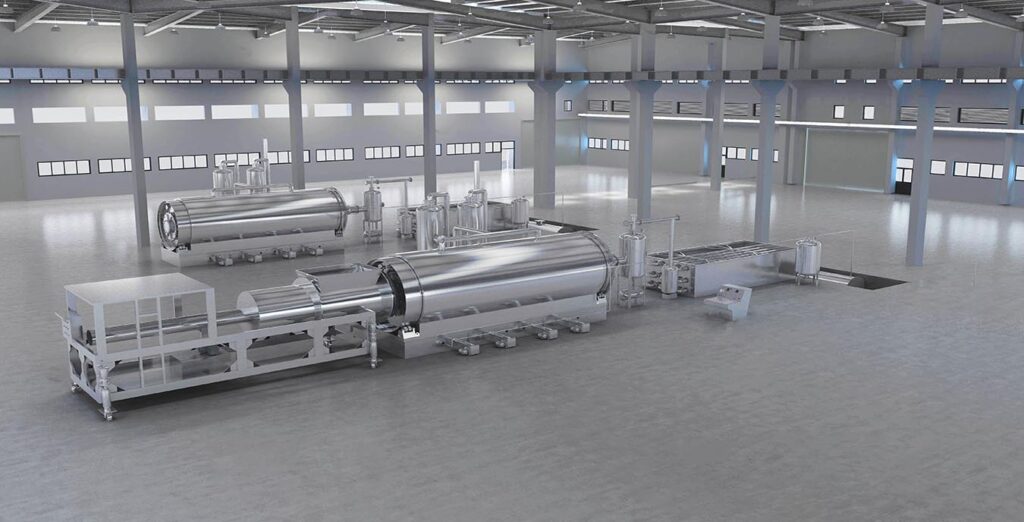
For small and medium-scale recyclers, selecting the right 1-ton pyrolysis plant requires evaluating four key factors: feedstock type and daily supply volume, local environmental compliance requirements, total investment budget versus long-term operating costs, and after-sales support availability. This chapter breaks down each factor to help you make an informed decision.
1.1 Adaptability to Local Plastic Waste Resources
The type and quantity of local plastic waste directly determine the plant’s efficiency and profitability. Before purchasing equipment, you need to conduct a 1-2 month on-site survey:
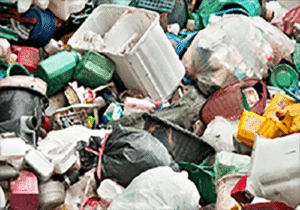
- Waste Type Analysis: Count the proportion of PE (plastic film, buckets), PP (woven bags, lunch boxes), PS (foam, packaging), and other plastics in local waste. If PE and PP account for more than 60%, electric heating or fuel oil/gas heating plants are preferred (both have high oil yields for these two plastics); if mixed plastics with high impurity content (such as plastic products with metal accessories) are dominant, fuel oil/gas heating plants are more suitable (they have stronger adaptability to complex raw materials).
- Daily Supply Volume: Ensure the daily supply of plastic waste is between 1-2 tons (matching the plant’s processing capacity). If the supply is unstable (e.g., less in winter and more in summer), choose a plant with adjustable processing capacity (such as semi-automatic models that can reduce the number of operating cycles).
- Waste Collection Cost: Calculate the average collection cost per ton of plastic waste. If the cost exceeds
- 800 yuan per ton; priority is given to factories with higher oil yields (specifically those utilizing electric heating processes) to ensure profit margins; should costs fall below
- 500/ton, cost-effective semi-automatic plants can be considered.
1.2 Compliance with Environmental Protection and Safety Policies
In recent years, global environmental protection policies for plastic waste treatment have become increasingly strict. Non-compliant equipment will face fines, shutdowns, and even legal liabilities. When selecting a plant, pay attention to the following:
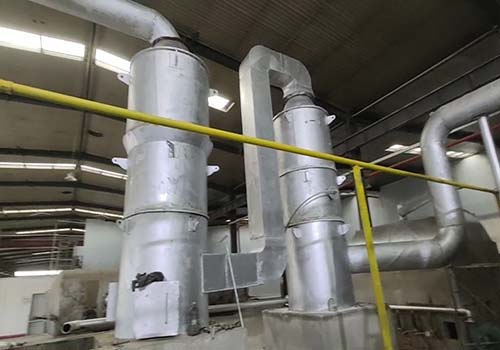
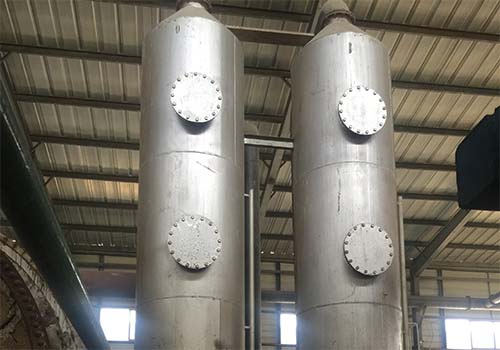
- Environmental Protection Configuration: The plant must be equipped with a complete “flue gas treatment system + wastewater treatment system + odor control system”. The flue gas treatment system should include desulfurization towers, bag filters, and activated carbon adsorption devices (to ensure particulate matter ≤10mg/m³, SO₂ ≤35mg/m³, meeting national and local emission standards); the wastewater treatment system should realize zero discharge (recycling condensed water after oil-water separation); the odor control system should use sealed feeding and negative pressure adsorption to avoid odor diffusion.
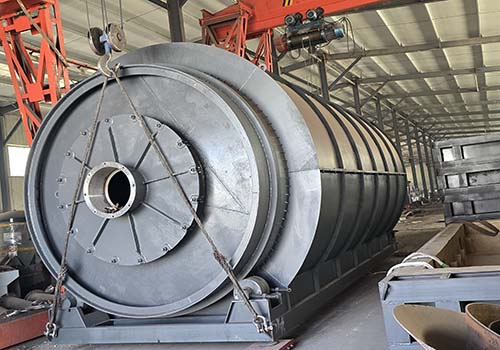
- Safety Certifications: Check whether the plant has passed international safety certifications (such as CE, ISO) and domestic pressure vessel inspections. The reactor must be made of Q345R or higher-grade boiler steel (withstand high temperatures of 600℃ and pressure of 0.8MPa), and be equipped with over-temperature, over-pressure, and flame arrester devices (to prevent accidents such as furnace explosion and gas leakage).
- Policy Support Matching: Understand local environmental protection subsidies and tax preferences. For example, in areas where the government provides subsidies for “clean energy projects”, electric heating plants (zero pollution) are more likely to obtain high subsidies; in regions focusing on “waste reduction”, fuel oil/gas heating plants (with high daily processing capacity) can better meet policy requirements.
1.3 Matching of Operational Cost and Budget
For most small-scale investors, the balance between initial investment and long-term operational costs is crucial. The following is a detailed cost analysis of different types of plants:
- Initial Investment: Electric heating plants cost
40,000−60,000, fuel oil/gas heating plants cost
35,000−55,000, and semi-automatic plants cost
30,000−50,000. If the budget is limited (less than
40,000),semi−automaticplantscanbechosen,butitisnecessarytoreserve
- 5,000-$8,000 for subsequent labor cost increases (semi-automatic plants require 1 more operator than fully automatic ones).
- Daily Operational Costs: Including energy, labor, and maintenance costs. Electric heating plants consume 15-20kW of electricity per hour (calculated at 0.1/kWh,dailyelectricitycostis
- 36-48);fueloil/gasheatingplantsconsume80−100Loffueloilperday(calculatedat0.8/L, daily fuel cost is
- 64−80), but they can use self-produced fuel oil (reducing fuel cost by 30%-40%); semi-automatic plants require 2-3 operators (monthly salary of 2,000−3,000 per person), while fully automatic plants only need 1-2 operators.
- Return on Investment (ROI) Estimation: Taking electric heating plants as an example, with a daily processing of 1.5 tons of PE plastic waste (oil yield 55%), 0.825 tons of fuel oil can be produced per day (market price
600/ton),dailyrevenueis495. Deducting daily costs (electricity 40,labor80, maintenance 20),dailyprofitis355, and the annual profit is about $129,575. The investment can be recovered in 4-5 months (excluding tax and subsidy).
1.4 After-Sales Service and Technical Support
The service life of 1 Ton Plastic Pyrolysis Plant is 8-10 years, so the quality of after-sales service directly affects the long-term stable operation of the equipment. When selecting a manufacturer, focus on the following aspects:
- On-Site Installation and Training: The manufacturer should send a professional team to complete on-site installation (within 15-20 days) and provide 3-5 days of operational training (including parameter setting, fault diagnosis, and safety operation). Avoid manufacturers that only provide video guidance (difficult to solve on-site problems).
- Spare Parts Supply: Confirm whether the manufacturer has a local spare parts warehouse or can deliver key spare parts (such as heating elements, temperature sensors, and filter bags) within 3-5 days. The lack of spare parts for a long time will lead to production shutdowns (each day of shutdown causes a loss of
- Technical Upgrade Services: With the continuous improvement of environmental protection standards, the plant may need technical upgrades (such as adding advanced flue gas treatment modules). The manufacturer should provide free or low-cost upgrade plans within 3-5 years of equipment purchase, rather than requiring the purchase of new equipment.