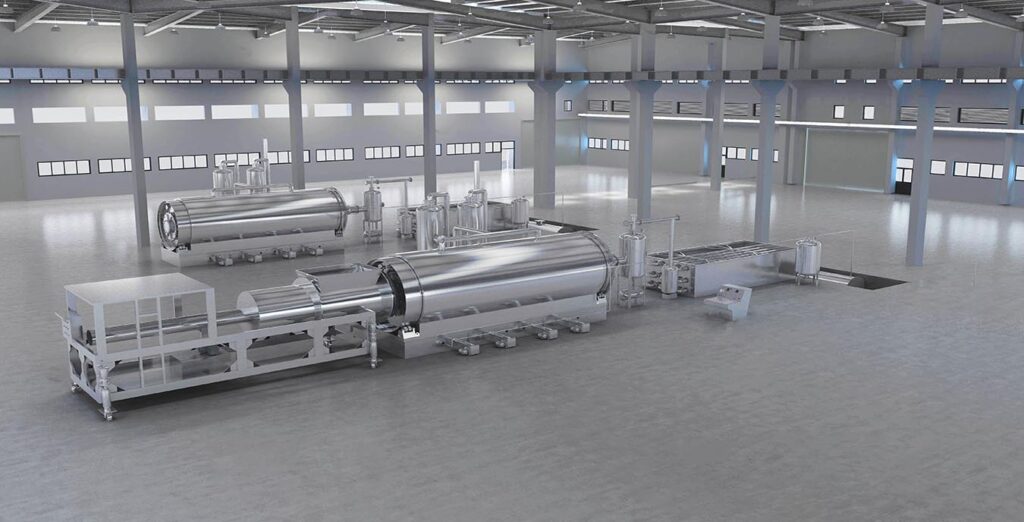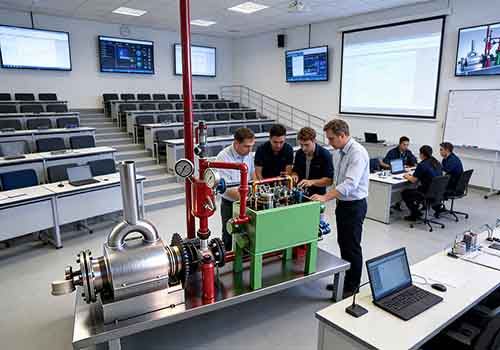

Compact and mobile design with low investment, ideal for community recycling stations, small-scale recycling workshops, and laboratories. Also suitable for government environmental pilot projects, research institutions, and rural resource recycling initiatives.
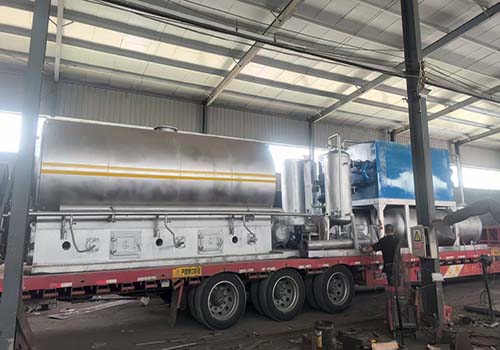
Small Pyrolysis Machine (1–5 TD)
The skid-mounted small-scale pyrolysis system is suitable for laboratory applications and small production workshops.
The equipment adopts advanced pyrolysis technology and is capable of processing 1–5 tons of waste tires, waste plastics, and oily sludge within 24 hours, achieving an oil yield of 40%–75%. Through resource recovery, the system converts waste materials into high-value products.
Features of Small PyrolysisPlant>>
No professional engineers are required. Low energy consumption, high thermal efficiency, equipped with basic gas recovery and purification system, in line with environmental protection standards.
Capable of processing various small-batch materials such as waste tires, plastics, oil sludge, and biomass; a multi-purpose machine that meets diverse material processing needs. Stable oil yield, typically ranging from 40% to 75%.
Products related to small pyrolysis machines>>
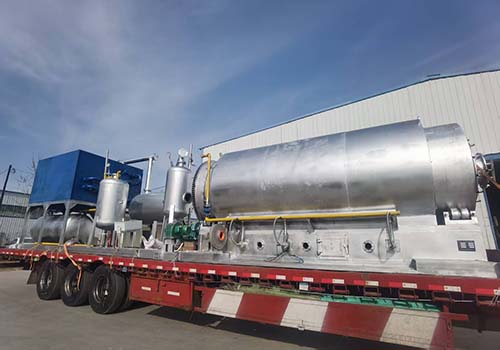
Mobile Pyrolysis Unit
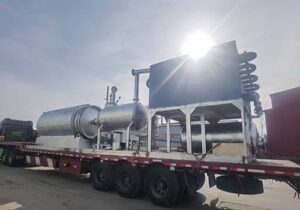
Mobile Pyrolysis Unit is a flexible skid-mounted system characterized by its speed, low cost, and strong adaptability. It enables on-site waste treatment, significantly reducing transportation and construction costs, and is particularly suitable for situations where waste is scattered, or raw material sites are not fixed.
Pyrolysis Unit can process 3–5 tons of waste tyres and waste plastics per day, with an oil yield of 40%–70%.
Parameter
- Size:L5000*W1000MM
- Power:15KW
- 24-hour processing capacity of 1-5 tons
1Ton Mini Pyrolysis Plant
Pyrolysis Unit offers 1–2 ton pyrolysis machines in batch, semi-continuous, and continuous models — ideal for small and medium recyclers with fluctuating daily waste input. Compared with large 10-ton plants requiring hundreds of thousands of dollars, the 1-ton system needs only a small investment, easing financial pressure for startups and local recycling centers.
It efficiently processes waste plastics, medical waste, tires, rubber, oil sludge, and aluminum-plastic materials into valuable fuel oil, achieving an oil yield of over 45–75%.
Parameter
- Size:L3000*W1000MM
- Power:10KW
- 24-hour processing capacity of 1tons
Portable Pyrolysis Machine
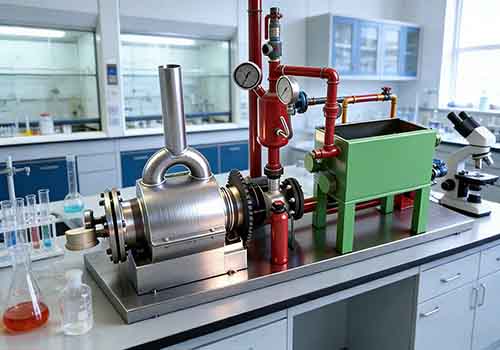
Portable Pyrolysis Machine is designed for processing 1–50 kg of waste tires, plastics, and other solid wastes per day, making it ideal for laboratory testing, small-scale recycling stations, or small-batch solid waste treatment.
In an oxygen-free or low-oxygen environment, the materials are thermally decomposed, producing pyrolysis oil, carbon black, and syngas, with an oil yield of up to 30%–60%.
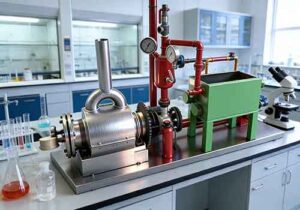
The machine features an integrated design, with the core advantages of a small footprint and easy operation. It can be placed on the workshop floor or a tabletop, is compact, often equipped with wheels for easy movement and positioning, and can be operated by a single person.
Parameter
- Size:L1500*W500MM
- Power:5KW
- 24-hour processing capacity of 1–50 kg
Why Choose a Pyrolysis Machine from PyrolysisUnit?
After
Sales Service
Sales Service
We provide 24/7 online customer support, as well as video-based after-sales technical assistance from our engineers.
quality
1. The steel plate thickness of the main furnace is 18 mm.
2. The interior of the main furnace is fabricated using a spiral double-sided lap-welding process.
3. The external insulation support framework of the main furnace is constructed from 12 mm thick refractory castable and aluminum silicate cotton blocks.
4. All bolts used are Grade 8.8 high-strength bolts.
- 18-Month Warranty
- Pyrolysis Feas. Report
- 24/7 customer service
- ROI Calculation
- EX Certification
- 23Y Equipment R&D
About Small Pyrolysis Machine Guide>>
What is Small pyrolysis machine
A Small Pyrolysis Machine is a compact, mobile thermal reactor designed to convert polymer and organic waste—such as plastics, waste tires, and oil sludge—into valuable end products like syngas, pyrolysis oil, and carbon black (char) through controlled heating in an oxygen-limited environment.
Key Features & Benefits:
On-Site Waste Conversion
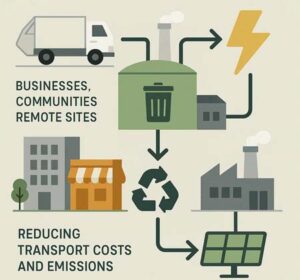
Enables decentralized waste treatment, allowing businesses, communities, or remote sites to convert waste into energy right where it’s generated—reducing transport costs and emissions.
Compact & Mobile Design
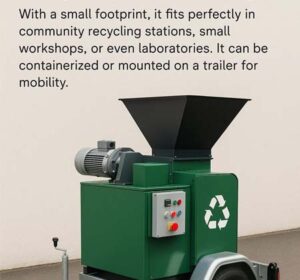
With a small footprint, it fits perfectly in community recycling stations, small workshops, or even laboratories. It can be containerized or mounted on a trailer for mobility.
Low Investment, High ROI
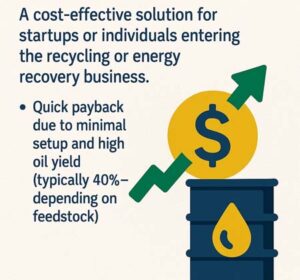
A cost-effective solution for startups or individuals entering the recycling or energy recovery business. Quick payback due to minimal setup and high oil yield (typically 40%–75%, depending on feedstock).
Multi-Material Compatibility
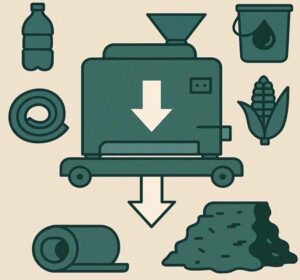
Processes a wide range of feedstocks: plastics, rubber, oil sludge, biomass and more. Ideal for areas with mixed or inconsistent waste streams.
Environmentally Friendly
Equipped with gas purification systems to meet environmental standards. Reduces landfill burden and prevents hazardous waste leakage.
Pilot Testing & Educational Use
Widely used by research institutes, universities, and government agencies for demonstration projects, R&D, and technology validation.
Mobile
Mobile pyrolysis units are flexible skid-mounted systems characterized by high speed, low cost, and strong adaptability.
Desktop design
It can be placed on the workshop floor or on a workbench. The machine features a compact structure, is usually equipped with wheels for easy movement and positioning, and can be operated by a single person.
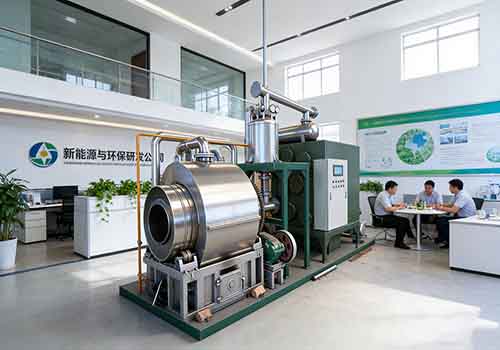
Why mobile pyrolysis is needed
In modern waste management and resource recovery, traditional fixed pyrolysis plants face multiple challenges such as complex logistics, high construction costs, long deployment cycles, and site limitations. Mobile pyrolysis technology has emerged to address these issues, promoting waste-to-energy solutions and circular economy development.
1. Flexibly Address Dispersed Waste and On-Site Processing Needs
Waste materials like used tires, plastics, and waste oil are often scattered. Transporting them to a centralized facility not only incurs high costs but also increases carbon emissions. Mobile pyrolysis units, with containerized or skid-mounted designs, can be deployed directly to waste generation sites—such as mines, rural areas, industrial parks, or ports—enabling on-site waste processing and significantly reducing transportation costs and environmental impact.
2. Efficient Resource Recovery and Economic Value Creation
Mobile pyrolysis decomposes organic waste at high temperatures, recovering valuable products such as fuel oil, carbon black, syngas, and biochar.
Fuel oil can be used as industrial or transportation fuel.
Carbon black and biochar can serve as industrial raw materials or soil conditioners.
Syngas can be used for on-site power generation, providing off-grid energy solutions.
This waste-to-wealth approach transforms waste management from a cost center into a revenue-generating opportunity, benefiting local communities and businesses.
Small Pyrolysis Machine Application>>
Universities & Research Institutions
In universities and research institutions, small-scale pyrolysis machines are mainly used for laboratory research and technology development.
Chemical, materials, and environmental engineering laboratories: Study the decomposition mechanisms and characteristics of various wastes under pyrolysis conditions.
Pyrolysis mechanism research: Analyze the thermal decomposition behavior of polymers, rubber, tires, and other materials under controlled conditions.
Product analysis and process experiments: Evaluate the chemical composition and performance of pyrolysis oil, carbon black, and syngas, providing experimental data and process optimization references for industrial applications.
New Energy & Environmental Technology R&D Companies
In the field of new energy and environmental technology R&D, small pyrolysis machines are used for technology verification and product development.
Waste plastic-to-oil and waste rubber processing technology development: Develop efficient and environmentally friendly pyrolysis processes, optimizing oil yield and product quality.
Small-scale process verification: Conduct batch experiments to study the effects of different feedstocks, temperatures, and atmospheres on the products, providing data support for scale-up production.
Sample testing and innovative applications: Explore new uses for various combinations of waste materials, such as recoverable energy, fuel oil, or chemical feedstock.
Educational & Training Institutions
In educational and training settings, small pyrolysis machines are primarily used for demonstration and hands-on practice.
Technical demonstrations: Show the principles of pyrolysis, machine structure, and product generation process through real equipment operation.
Hands-on training: Allow students and trainees to practice material loading, temperature control, product collection, and safety operation procedures.
Environmental education: Demonstrate waste-to-resource and clean energy concepts safely on a small scale, raising awareness among students and the public.
Core Components of Small Pyrolysis Machine

Reactor (Pyrolysis Chamber)
Inner liner material Q345R, reinforced plate welded to the butt joint of the cylinder, double-sided groove automatic submerged arc welding, with accompanying flaw detection report
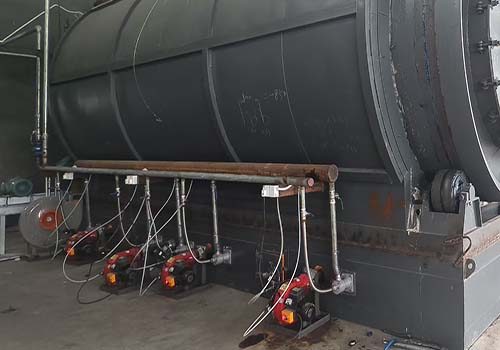
Pyrolysis Furnace System
It can be heated using natural gas, fuel oil, or biomass.
The furnace body is constructed from Q235B steel combined with refractory materials, and features an internal assembly comprising five separate sections.

Condensation System
Q235B, 25 pipes, 180 ° elbows at both ends, can reduce air resistance, with reinforced channel steel and tension braces inside

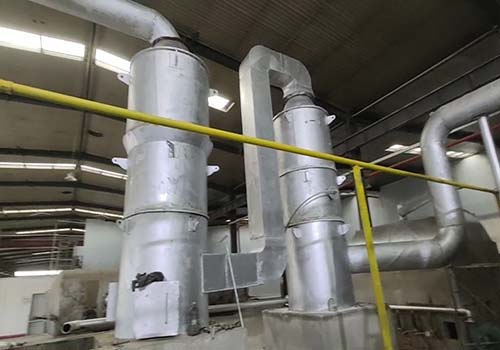
Gas Purification System (Environmental Unit)
Comprises scrubbers, spray towers, dust collectors, etc.< Removes acidic gases, particulates, and odors from non-condensable gases to meet environmental standards.
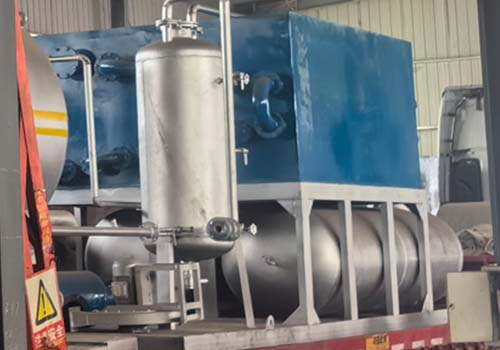
Water Seal system
Recovers non-condensable gases (e.g., methane, hydrogen) and reuses them as fuel for the heating system.
Forms a closed-loop to reduce energy consumption.
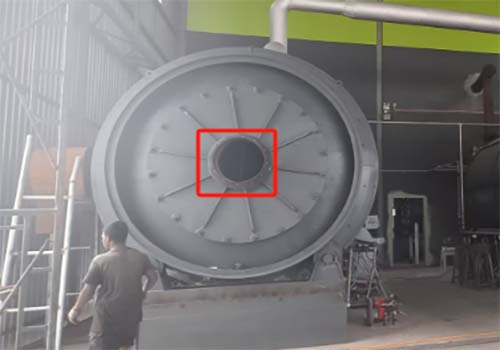
Slag Discharge System (Carbon Black Collection)
Handles solid residues such as carbon black or char left after pyrolysis.
Can be discharged manually or automatically; some systems feature sealed conveyors for dust control.
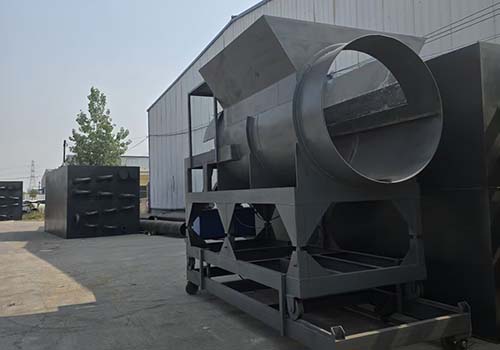
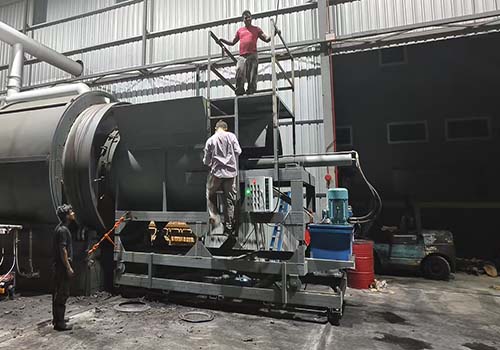
Feeding and Discharging System
Automactic Feeder
L4500*W1400mm.
Fully Automatic Rail-Mounted Feeder, with 80–100 tons of thrust.
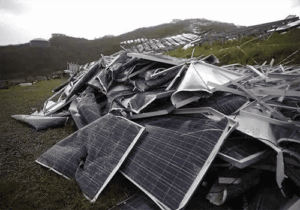
What Types of Materials Can a Small-Scale Pyrolysis Machine Process?
Waste tires
Fuel Oil: 35%–45%
Carbon Black: 30%–35%
Steel Wire: 10%–15%
Non-condensable Gas: 5%–10%
Waste Plastics
Fuel Oil: 45%–75%
Carbon Black (if applicable): 10%–15%
Non-condensable Gas: 10%–20%
Oil Sludge / Oil Residue:
Fuel Oil: 20%–40%
Solid Residue (slag): 60%–80%
Non-condensable Gas: Trace
Rubber Products
Fuel Oil: 35%–45%
Carbon Black: 30%–35%
Steel Wire (if applicable): 10%–15%
Gas: 5%–10%
Agricultural waste
Biochar: 25%–35%
Wood Vinegar: 10%–15%
Wood Tar: 5%–10%
Combustible Gas: 30%–50%


Market outlook for mini scale pyrolysis machine
Global Market Outlook for Mini Scale Pyrolysis Machines
The global market for small-scale pyrolysis machines is growing rapidly, with a projected compound annual growth rate (CAGR) of 8–10% over the next decade.
Miniscale (small capacity) pyrolysis machines are used for processing:
- Tire pyrolysis (~35% market share of total pyrolysis equipment)
- Rubber pyrolysis (~30%)
- Oil sludge pyrolysis (~20%)
- Solid waste pyrolysis (plastic, mixed waste, etc., ~15%)
- Rubber product recovery (~35–40%)
- Fuel production from pyrolysis oil and syngas (~30%)
- Plastic product recycling (~20%)
- Others (~10%) .
Asia-Pacific
40%
40%
North America
25%
25%
Europe
20%
20%
Middle East
10%
10%
Africa
5%
5%
Competitive analysis: Small vs Large pyrolysis equipment
Key Market Positioning and Differentiators
- Small-scale Pyrolysis Machine (typically with a maximum processing capacity of 5 tons)
- Large-scale, High-capacity Pyrolysis Machine (>10 tons)
Small-sized pyrolysis equipment is less expensive in costs of capital and greater feedstock flexibility, making it perfect for decentralized operations as well as niche markets. Additionally, it improves efficiency in a small pyrolysis plant.
Large-scale pyrolysis facilities benefit through the benefits of economies of scale they offer enhanced throughput, better control of the process and, generally, less environmental impact for each unit that is produced. This makes them ideal for industrial applications that create large-volume waste streams that are consistent.
Capacity and Throughput
Small pyrolysis equipment is designed to handle smaller amounts of waste that are generated daily, typically between 50 kg/h to between 10 and 15 tons per day (TPD).
Large pyrolysis units are engineered to give more throughput, usually ranging between 15 TPD to over 100 TPD.
Energy Efficiency
Small-scale pyrolysis plants typically rely on other fuels, such as charcoal, wood, natural gas, natural gas oil, or liquefied petroleum gas (LPG), as their initial heat source.
Large-scale pyrolysis facilities generally offer a wider range of possibilities and employ state-of-the-art methods for gas recovery and energy integration, thereby significantly improving overall energy efficiency.
Labor Requirements and Skill Levels
Small pyrolysis units, specifically ones that run in batch mode typically have less complicated operational procedures, but they may require more manual interventions per output unit.Large pyrolysis facilities, particularly ones that employ continuously running processes are generally highly automated and require less employees for each ton produced when compared to smaller, less-automated systems.
What is the cost and benefit of Small pyrolysis machine?
A 1-ton/day capacity small pyrolysis machine requires approximately $25,000 capital investment but can generate $58,000 annual net profit, achieving ROI in 6-10 months.
SMALL PYROLYSIS MACHINE ECONOMICS
🛠️ COSTS
- ✅ Equipment: $25,000
- ✅ Installation: $3,000
- ✅ Daily Ops: $20/day
- (Power + 1 operator)
💵 BENEFITS
- 🛢️ Fuel Oil (45%): $160/day
- ⚫ Carbon Black (30%): $60/day
- 🧵 Steel Wire (15%): $20/day
📊 DAILY PROFIT: $220 |
💰 ANNUAL NET*: $58,000
*Based on 300 operating days/year
Cost Components
Equipment: $25,000 (includes basic emission control)
Installation: $3,000 (requires leveled concrete pad + 380V power)
Operational Costs:
Electricity: $8/hour (10h/day operation)
Labor: $12/day (developing country wages)
Revenue Streams (Tire Pyrolysis Example)
| Output | Yield | Market Price | Daily Revenue |
|---|---|---|---|
| Pyrolysis Oil | 45% | $0.8/kg | $160 |
| Carbon Black | 30% | $0.2/kg | $60 |
| Steel Wire | 15% | $0.15/kg | $20 |
| TOTAL | $240/day |
Payback Period
Daily Net Profit: $240 (revenue) – $20 (costs) = $220
Break-even: $28,000 ÷ $220 ≈ 127 days (~4 months theoretical, 6-10 months in practice)
Regional Variations
| Country | Machine Cost | Oil Price | Payback Period |
|---|---|---|---|
| Nigeria | $18,000 | $1.2/kg | 5 months |
| India | $22,000 | $0.7/kg | 8 months |
| Brazil | $30,000 | $0.9/kg | 7 months |
Specific Parameters>>
| Name | Specification/Model | Unit | Quantity | Material |
|---|---|---|---|---|
| Main Furnace Liner | Φ1400*5500*14mm | Set | 1 | Q345R |
| Gear Ring | Customized Gear Type | Set | 1 | Cast Steel |
| Slag Remover | Furnace Door Center Seal Φ325 | Set | 1 | Q235B |
| Main Furnace Frame | 12# Channel Steel | Piece | 4 | Q235B |
| Insulation Layer | Matched with Main Furnace | Set | 2 | Q235B + Insulation Material |
| Support Roller | - | Piece | 4 | Cast Steel |
| Reducer | ZQ-300 | Set | 1 | Standard |
| Motor | 3kw | Set | 1 | Standard |
| Seal Body | Φ219 | Piece | 1 | Lathed Cast Steel |
| Compensator | Φ219 | Piece | 1 | Stainless Steel |
| Gas Outlet | Φ219 | Set | 1 | Lathed |
| Gas Tank | Φ700*1500 | Set | 1 | Q235B with End Caps |
| Vertical Pipe | Φ219 | Piece | 1 | Q235B |
| Dewaxing Tank | 1000*2500*6mm | Piece | 1 | Q235B |
| Water Seal | Φ800*1500 | Set | 1 | Q235B with End Caps |
| Exhaust Burner | System Matched | Set | 3 | — |
| Blower | Integrated 2.2kw | Unit | 1 | — |
| Combustion Chamber | 1600*5000*500 | Set | 1 | Integrated with Main Furnace |
| Flame Arrester | DN50 | Piece | 1 | Anti-flameback |
| Safety Valve | System Matched | Set | 1 | Stainless Steel |
| Exhaust Valve | DN25 | Piece | 1 | Stainless Steel |
| Valves | Stainless Steel | Set | Several | 25-50 |
| Distribution Box | Box Type | Set | 1 | Q235B |
| Oil Pump | 2.2kw | Set | 1 | Explosion-proof |
| Channel Steel | 12# Channel | Piece | 4 | Base Support |
| Instrument | - | Set | 1 | - |
| Condenser | 1500*2500*3600 | Set | 1 | 19 Tubes |
| Compensator | Φ89 | Piece | 1 | Stainless Steel |
| Lens | Φ89 | Piece | 1 | Glass Lens |
| Other Accessories | Frame & Base | Set | 1 | Skid-mounted Type |
| Fuel Burner | 200,000 Kcal | Unit | 3 | Siphon Air Atomizing |
Equipment work Video>>
Our small pyrolysis machine is specifically designed for individuals, startups, and community recycling centers who need a compact yet powerful solution to process waste such as plastic, rubber, tires, oil sludge, and biomass. Whether you’re operating in rural areas, urban communities, or running a small-scale recycling workshop, our machine helps you turn waste into profit and supports a greener future. Trusted by clients worldwide, we also provide professional after-sales support.Contact us today to learn how we can customize your pyrolysis solution!
About Small Pyrolysis Machine FAQ>>
What are small pyrolysis machines used for?
Small pyrolysis machines thermally decompose waste plastics, rubber, or biomass in an oxygen-limited environment to recover valuable byproducts--pyrolysis oil, carbon black, and combustible gas. They can be used to create decentralized waste-to-energy solutions, cut down on landfill volume and help support circular-economy projects in smaller-scale industrial or community setting.
What kinds of feedstocks will this machine handle? (e.g., LDPE, HDPE and tires), medical waste, etc. )?
Common feedstocks are lowpolyethylene (LDPE) and high density (LDPE HDPE) and polypropylene (PP) polypropylene (PP), mixed films of plastic, old tire, scraps of rubber and some biomass leftovers. Medical waste requires specially-designed units equipped with improved emission control and the ability to pre-treat pathogens in order to eliminate them.
Do you require any pre-treatment (shredding and drying, or de-vulcanization) needed prior to feeding is required.
Rubber and plastics should be crushed to 10-30mm to ensure uniform heating, and the moisture level must be reduced to less than 5 percent. Tires typically undergo de-vulcanization or tire-bead removal in order to maximize oil production and to prevent fouling.
What is the daily processing capacity?
Smaller models typically process 1-5 tons of feedstock per batch and are able to process 5-15 tons per day in semi continuous operation. The exact amount of throughput is contingent on the size of the reactor, heating rate and the feedstock's characteristics.
Environmental impacts of small pyrolysis equipment
Modern systems include condensers, cyclones and scrubbers that capture particulates as well as acid gases, while ensuring that emissions are in line with local standards. Through the conversion of trash into fuel or carbon black reduce methane releases from landfills, and lessen reliance on fossil fuels.
Safety measures for small pyrolysis machines
Operators should be aware of pressure and temperature by using PLC controls, keep the proper ventilation and wear PPE that is heat-resistant. Fire arrestors, shut-off valves in emergency situations as well as regular leak inspections are vital to avoid overpressure accidents or exposure to flammable gases.
What is the oil yield of a pyrolysis machine? What are the influencing factors?
he oil yield is typically 30–70%, depending on the type of feedstock.
The main influencing factors include:
- Type of material (plastics > rubber)
- Cleanliness of the feedstock
- Pyrolysis temperature
- Residence time
Laboratory users can optimize oil yield by adjusting these operating parameters.
Is installation or technical guidance required?
The portable pyrolysis machine is designed to be plug-and-play, so no complex installation is needed. However, we can provide remote training, operation guidance, parameter-setting instructions, and safety training.
How are the gases generated during pyrolysis handled? Will they cause pollution?
The combustible gases produced during the pyrolysis process are directed into a purification unit, where they undergo condensation, dust removal, and filtration. These gases can then be used as auxiliary fuel for heating. A small amount of non-combustible tail gas is discharged after passing through an activated carbon filtration system, meeting laboratory-level environmental standards and causing no significant pollution.
Is after-sales support available?
Yes. We provide a 12-month after-sales service that covers all components except consumable parts.
How long does a complete pyrolysis cycle take?
A complete cycle generally takes 3–8 hours, including heating, pyrolysis, oil collection, and cooling. The exact duration depends on the type of feedstock and the machine model.
What is the service life of the machine?
With proper maintenance, the main body of the machine can last 5–8 years, while the heating system and sealing components need to be replaced periodically.
Can the machine process mixed plastics?
Yes, it can. However, different plastic compositions may affect the oil yield and the properties of the products. It is recommended to perform a small-scale test before full operation.
What is the power consumption of the machine? Is it energy-intensive?
The machine’s power typically ranges from 2–6 kW, depending on the heating method. Since the processing capacity is small, the overall energy consumption is relatively low.
Is the machine difficult to operate? Does it require professional technicians?
The machine is very easy to operate, with a clear interface. Non-professional users can operate it independently after a short training, and no dedicated engineers are required.
How much is pyrolysis per ton?
The cost of pyrolysis per ton depends on several factors, including the type of waste, the scale of the pyrolysis plant, and local operational costs. Here's a rough breakdown:
Small-scale/mobile pyrolysis units:
Typically process 1–5 tons per day.
Cost per ton of waste processed: $100–$300.
Medium to large-scale pyrolysis plants:
Process 10–50+ tons per day.
Cost per ton of waste processed: $50–$150.
Factors affecting cost:
Waste type: tires, plastics, oil sludge, and biomass have different handling and conversion efficiencies.
Output value: pyrolysis oil, carbon black, and steel (from tires) can offset processing costs.
Location: labor, energy, and transportation costs vary by region.
Technology: mobile units often have slightly higher per-ton costs due to portability and smaller scale.
What are the three types of pyrolysis?
Pyrolysis is generally classified into three main types based on temperature, heating rate, and residence time. Here’s a clear breakdown:
Slow Pyrolysis (Carbonization):
Temperature: 400–600°C
Heating rate: Slow
Residence time: Long (hours)
Output: Mainly biochar (solid), with smaller amounts of bio-oil and syngas
Use: Producing charcoal, soil amendments, or solid fuels
Fast Pyrolysis:
Temperature: 450–600°C
Heating rate: Rapid
Residence time: Seconds
Output: High yield of liquid bio-oil (up to 70–75%)
Use: Producing liquid fuels from biomass or plastic waste
Flash Pyrolysis / Ultra-Fast Pyrolysis:
Temperature: 500–1000°C
Heating rate: Extremely fast
Residence time: Less than a second
Output: Mainly gases and condensable liquids; very low solid residue
Use: Producing syngas for energy or chemicals
What is a Mobile Pyrolysis Unit?
A Mobile Pyrolysis Unit is a flexible, containerized system designed for onsite recycling of waste tires, plastics, oil sludge, and biomass. With durable Q345R reactors, high-efficiency multi-pipe condensers, and integrated safety devices like water seals, flame arrestors, and safety valves, it ensures high oil yield, safe operation, and reduced emissions. Its compact, modular design allows fast installation and easy relocation, making it ideal for decentralized recycling and small-to-medium-scale energy projects.
What materials can a Mobile Pyrolysis Unit process?
It can process a wide range of waste, including:
Waste tires and rubber – convert old tires into pyrolysis oil, carbon black, and steel wire.
Plastic waste – process PE, PP, PS, PET, and other plastic into fuel oil.
Oil sludge – recover usable fuel from industrial oil waste.
Biomass – corn stalks, wood chips, and other agricultural residues for fuel production.
Typical output:
1 ton of tires → 400–450 kg oil, 300–350 kg carbon black, 150–200 kg steel.
1 ton of mixed plastic → 600–700 kg fuel oil.
What are the advantages of Mobile Pyrolysis Units over fixed plants?
Mobility: Easy to relocate, ideal for rural areas, urban communities, and small workshops.
Fast installation: Containerized design allows setup in 1–2 days.
Lower transportation costs: Treat waste onsite without long-distance hauling.
Flexibility: Handles multiple types of waste in one system.
Environmentally friendly: Integrated emission control and reduced smoke and odor.
What is the processing capacity?
Mobile Pyrolysis Units are available in multiple models:
Small-scale: 1–3 tons/day – ideal for startups and community recycling.
Medium-scale: 5–10 tons/day – suitable for small factories.
Large-scale mobile units: 15–20 tons/day – for commercial decentralized operations.
What is the cost per ton of pyrolysis?
Small-scale: $150–$250/ton
Medium-scale: $120–$200/ton
Large-scale: $100–$180/ton
Note: Costs vary depending on waste type, local labor, utilities, and installation.
What are the types of pyrolysis processes?
Slow pyrolysis: Low temperature, high carbon yield – suitable for carbon black production.
Fast pyrolysis: High temperature, fast reaction – high liquid fuel output.
Flash pyrolysis: Extremely rapid heating – optimized for maximum bio-oil from biomass or plastics.
How safe is a Mobile Pyrolysis Unit?
All Mobile Pyrolysis Units come with multiple safety features:
Water seals to prevent backfire
Flame arrestors for gas safety
Pressure relief valves to avoid overpressure
Emergency shutdown system for operator safety
Who can use a Mobile Pyrolysis Unit?
Individual entrepreneurs and startups
Community recycling centers
Small factories and workshops
Agricultural and industrial waste generators
Benefits: Turn waste into profitable fuel, reduce environmental impact, and support a green economy.
Why choose a Mobile Pyrolysis Unit?
Onsite recycling reduces transportation and operational costs.
Flexible operation for multiple types of waste.
Quick ROI – typical payback period 6–18 months depending on scale.
Global support – professional installation, maintenance, and after-sales services.