

The heating unit raises waste oil temperature to 350–400°C, partially vaporizing it before it enters the distillation column. This controlled process ensures efficient separation of diesel, gasoline, and heavy fractions from pyrolysis oil, waste engine oil, or crude oil feedstock.
Crude Oil Distillation Plant
Waste Oil Distillation Plant | 15–35 T/Day | 80%+ Diesel Yield | PyrolysisUnit
PyrolysisUnit’s waste oil distillation plant processes 15–35 tons of pyrolysis oil, waste engine oil, or crude oil per day, converting them into diesel (≥80% yield, meeting 0# or -10# standards) and gasoline through horizontal tower fractional distillation. Continuous operation mode ensures stable 24/7 output with minimal downtime.
Available in 3 models (PU-1: 10T, PU-2: 20T, PU-3: 30T/day), all ISO 9001:2015 & CE certified. The closed-loop gas recycling system reduces external heating costs by 30–40%, while multi-stage emission control ensures compliance with national environmental standards.
How the Waste Oil Distillation Plant Works>>
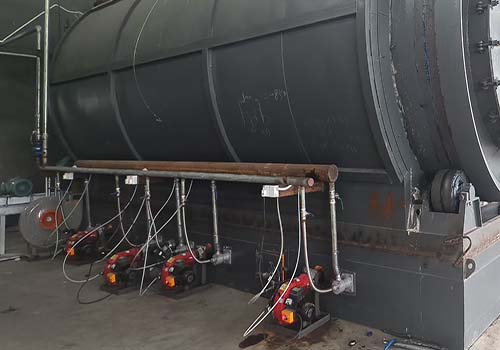
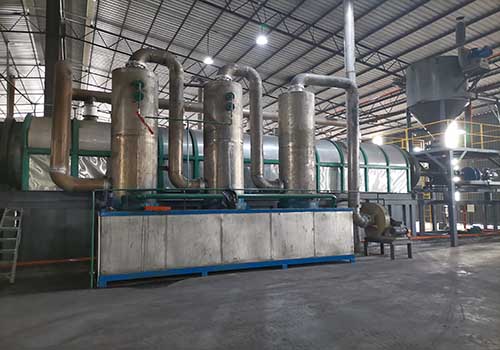
The distillation column is the core component of the plant. As vaporized waste oil rises through the column, lighter fractions such as gasoline condense near the top, while heavier fractions like diesel condense at lower levels. Internal trays or structured packing maximize vapor-liquid contact, improving separation efficiency and oil yield.
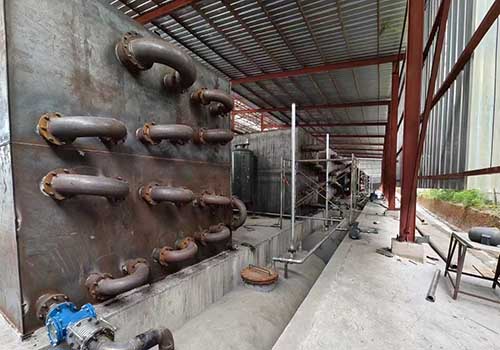
The condenser system cools the vaporized fractions drawn from the distillation column, converting them into liquid form. Each fraction is directed to its respective storage tank for collection. The condenser ensures product purity and stabilizes the separation process, while also recovering heat for improved energy efficiency.
Waste Oil Distillation Plant — Complete Guide>>
Product definition and function introduction
1. What is a Crude Oil Distillation Plant?
What is a Waste Oil Distillation Plant? A waste oil distillation plant is an industrial processing unit that converts pyrolysis oil, waste engine oil, waste diesel, and crude oil into refined petroleum products — primarily diesel (≥80% yield) and gasoline — through fractional distillation. By heating feedstock to 350–400°C and separating fractions by boiling point, the plant produces fuel oil meeting 0# or -10# diesel standards for industrial and commercial use.
2. Main Functions and Applications
Petroleum Product Separation – Divides crude oil into multiple fractions such as gasoline, diesel, kerosene, and heavy oil.
Waste Oil Recovery – Converts waste engine oil, waste diesel, or other used oils into reusable fuels.
Energy Production – Supplies refined fuels for transportation, industrial heating, and power generation.
Environmental Protection – Supports resource recycling and reduces pollution from improper waste oil disposal.
3. Working Principle Overview
The plant operates through a heating–distillation–condensation process:
Heating – Crude oil is pumped into a furnace or heating unit, where it is raised to high temperatures (typically 350–400°C) to vaporize the lighter components.
Fractional Distillation – The vapor enters a distillation column, where internal trays or packing create contact surfaces for heat and mass transfer. Different fractions condense at different levels according to their boiling points—lighter fractions like gasoline at the top, heavier fractions like diesel and kerosene at lower sections.
Condensation and Collection – The separated vapors are directed to condensers, where they are cooled into liquids and stored in dedicated tanks for further processing or direct sale.
Key Technical Advantages
Environmentally Friendly and Efficient Process
The plant operates with smokeless and odorless atmospheric distillation technology, equipped with waste gas burners, flue dust removal systems, and waste gas recycling, ensuring that emissions meet national environmental standards and significantly reduce pollution.
Superior Safety Performance
The system features water-circulation safety mechanisms and multiple safety devices such as water seals and gas nozzles, effectively preventing combustion risks from hydrocarbon gases (C1-C4), ensuring safe and stable production.
Energy Saving and Cost Effective
The innovative gas heating system fully combusts methane to butane gases generated during distillation, greatly saving energy and improving overall system efficiency, thereby reducing operating costs.
High Productivity and Quality
By utilizing vacuum distillation technology and hot air heating, the plant increases output per unit time while producing fuel oil with stable quality, controlled color, and odor, meeting the standards of 0# or -10# diesel.
High Degree of Automation and Easy Operation
Integrated with a centralized control system, the plant enables automatic monitoring and control throughout the production process, reducing labor requirements and improving operational safety and efficiency.
Wide Application Range and Versatility
Suitable for processing crude oil from waste plastics, waste rubber, waste diesel engine oil, waste lubricants, and other waste oils, meeting diverse industry needs for producing regenerated fuel oil with one machine serving multiple purposes.
Core Components
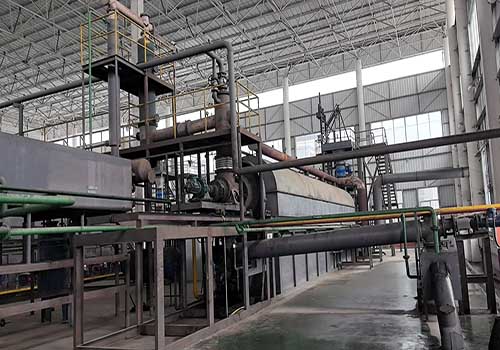
Distillation Reactor
Acts as the primary heating chamber where crude pyrolysis oil is heated and vaporized. Initiates the separation of oil fractions through controlled thermal processing under atmospheric or slight vacuum conditions. Designed to handle high temperatures with robust insulation to ensure safety and efficiency.
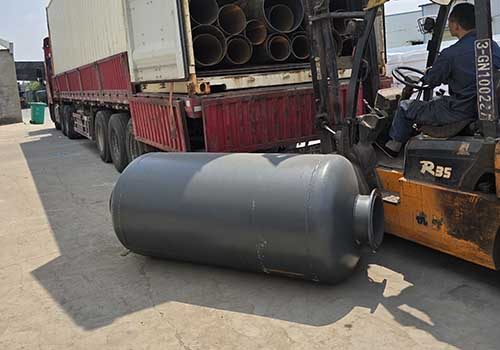
oil storage tank
Temporarily stores separated oil vapors and stabilizes the pressure within the system. Prevents backflow and ensures smooth, continuous vapor delivery to the condenser. Acts as a safety buffer during pressure fluctuations or sudden feed interruptions.
Condensation System
Rapidly cools oil vapors into liquid form (diesel, gasoline, etc.) through efficient heat exchange. Usually consists of multiple condensers (e.g., shell-and-tube or coil type) to maximize condensation efficiency. Directly influences the final oil yield and recovery rate.

Fractionating Tower
Performs fractional separation of vaporized oil based on boiling points. Ensures higher purity output by allowing light and heavy oil vapors to condense at different levels. Enhances product quality through multi-stage temperature stratification.
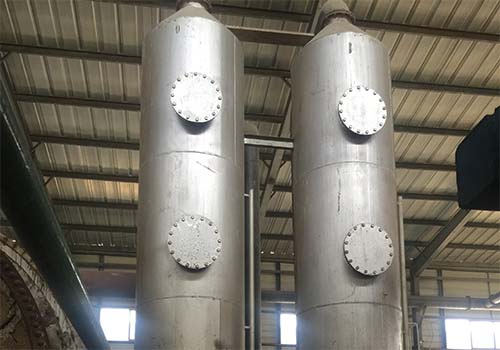
Non-condensable Gas Recycling System
Captures and recycles non-condensable gases (e.g., methane, ethane, propane). These gases are reused as fuel for the heating system, forming a closed-loop energy cycle. Helps reduce external fuel costs and minimizes emissions.
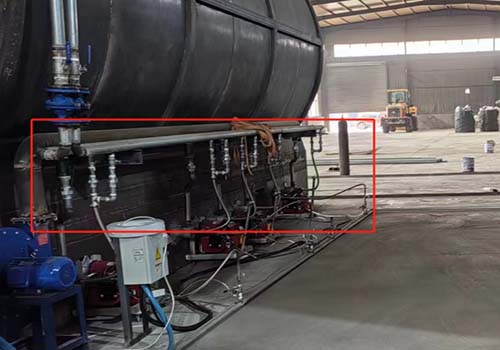
Flue Gas Heating System / Exhaust Gas Treatment Unit
Burns recycled gases and provides thermal energy to heat the distillation reactor. Integrated with safety features like gas burners, flame arrestors, and backfire prevention. Includes systems for neutralizing or capturing harmful exhaust, ensuring compliance with emission standards.
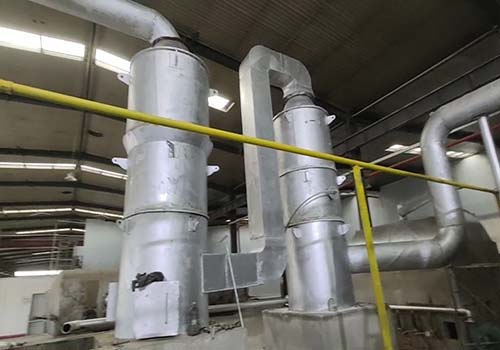
Smoke Dust Removal System
Treats flue gases before atmospheric discharge to remove particulates, smoke, and acidic gases. Typically uses dual-stage water scrubbers or cyclone dust collectors. Ensures the plant complies with national and international environmental regulations.
Applicable Raw Materials & Oil Yield
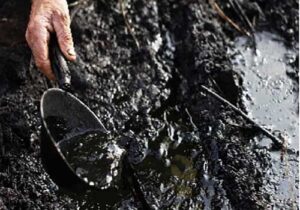
Waste engine oil and waste oil
Output Material: Diesel or gasoline, asphalt。
Oil yield rate: 70~85%
asphalt content:5-15%
Note: The asphalt content is related to the customer's choice of drying process and non drying process.
crude oil
Output Material: Diesel or gasoline
Note: The ratio of diesel and asphalt obtained after crude oil distillation is related to the composition and impurities in the crude oil, and the specific situation shall prevail
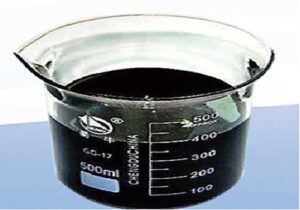
pyrolysis oil
Output Material:
Diesel or gasoline
Oil yield rate: 70~80%
esidue: 20~30%
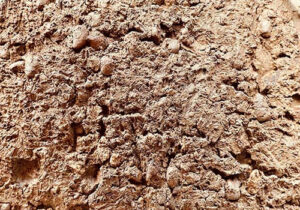
Diatomite
Output Material: pyrolysis oil / diesel, carbon black
The oil yield depends on the type and state of diatomaceous earth
Why Choose PyrolysisUnit Distillation Plant
- ≥80% Oil Yield, 0# Diesel Standard All three models guarantee minimum 80% oil yield with finished diesel meeting 0# or -10# national standards — light yellow to light red, odor-free, and suitable for direct industrial use.
- ISO 9001:2015 & CE Certified Every plant is manufactured under ISO 9001:2015 quality management standards with CE certification, ensuring compliance with international safety and environmental requirements.
- 30–40% Heating Cost Reduction The closed-loop gas recycling system burns non-condensable gases (C1-C4) generated during distillation as reactor fuel, reducing external energy input by 30–40% after startup.
- 20-Day Manufacturing Lead Time From order confirmation to delivery in 20 days. On-site installation, commissioning, and operator training provided by our engineering team.
- Deployed in 10+ Countries Projects completed in Malaysia, Vietnam, Ghana, Congo, Cambodia, and more — with full case documentation available for reference across different feedstock types and operating environments.
- Lifelong Technical Support 12-month warranty on main structural components, plus free technical upgrades and lifetime remote troubleshooting support for the entire service life of your equipment.
1. Processing Capacity and Production Output
Our PU-1 Crude Oil Distillation Plant features a horizontal tower structure designed for waste oil pyrolysis recovery, with a daily processing capacity of 10-35 tons of raw materials, ideal for small to medium-scale waste oil refining. Models CS-2 and CS-3 offer capacities of 20 tons and 30 tons per day, respectively, to meet diverse production requirements.
2. Oil Yield and Product Quality
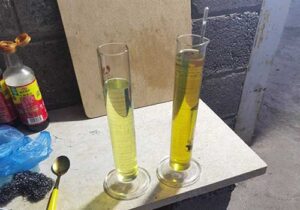
The equipment guarantees a minimum 80% oil yield, producing refined products including diesel and gasoline. The finished oil meets national standards for 0# or -10# diesel fuel. The distilled oil is light yellow or light red in color, odor-free, and complies with environmental and usage standards.
3. Energy Consumption and Operating Costs
The power configuration ranges from 15.0 kW (CS-1) to 20.0 kW (CS-2/3), utilizing direct heating and water cooling systems to ensure operational efficiency and energy saving.
The daily operating cost is controlled around approximately $3,700 USD, covering raw materials, labor, fuel, electricity, water, and additives.
The waste gas combustion recycling system significantly reduces energy expenses and increases economic benefits.
4. Equipment Stability and Reliability
The plant adopts advanced atmospheric pyrolysis technology and automated control systems, with a rational design and advanced manufacturing process. The gas heating system and waste gas recycling combustion system ensure stable and safe operation. Noise levels are controlled below 85 dB(A), reducing the risk of operational faults.
5. Environmental Protection and Safety
The entire system operates in a smokeless and odorless environment, equipped with gas nozzles and water seal safety devices that effectively eliminate waste gas pollution and ensure safe production.
The flue gas dust removal system uses a bi-directional water impact cyclone dust collector, meeting national emission standards.
Wastewater is neutralized and filtered through a three-stage process for harmless discharge. Solid residues after pyrolysis, mainly asphalt, can be sold as by-products, achieving comprehensive resource utilization.
6. Installation Period and After-Sales Service
The manufacturing lead time is only 20 days, ensuring timely delivery.
We provide comprehensive after-sales service with a one-year warranty on main equipment. Professional engineers offer on-site installation and commissioning guidance to ensure smooth production start-up.
Free technical upgrades and lifelong technical support are guaranteed, giving customers peace of mind.
7. Investment Return and Economic Benefits
For the PU-1 model, the required factory area is about 300 square meters, with 5 production workers (excluding management), ensuring efficient operations.
Daily output reaches approximately 9 tons of finished oil (8 tons diesel + 1 ton gasoline). Based on current market prices, daily profit exceeds $3,200 USD, with annual profit estimated at approximately $970,000 USD.
The project features low investment, quick payback, and significant economic benefits, making it ideal for waste oil deep processing and environmental protection industries
Technical Specifications — 3 Models>>
| Item | Content PU-1 Model | Content PU-2 Model | Content PU-3 Model |
|---|---|---|---|
| Equipment Price | Negotiable | Negotiable | Negotiable |
| Raw Material | Waste Oil | Waste Oil | Waste Oil |
| Structure Type | Horizontal with Tower | Horizontal with Tower | Horizontal with Tower |
| 24-Hour Processing Capacity (Not less than) | 10 tons raw material | 20 tons raw material | 30 tons raw material |
| Working Mode | Intermittent Operation | Intermittent Operation | Intermittent Operation |
| Working Pressure | Atmospheric Pressure | Atmospheric Pressure | Atmospheric Pressure |
| Oil Yield (Not less than) | 80% | 80% | 80% |
| Power Configuration | 15.0 kW | 20.0 kW | 20.0 kW |
| Cooling Method | Water Cooling | Water Cooling | Water Cooling |
| Cooling Water Consumption (T/h) | — | — | — |
| Transmission Method | — | — | — |
| Heating Method | Direct Heating | Direct Heating | Direct Heating |
| Installation Method | Furnace Foundation | Furnace Foundation | Furnace Foundation |
| Noise dB (A) | ≤85 | ≤85 | ≤85 |
| Heat Exchanger | None | None | None |
| Main Machine Dimensions (mm) | 2200*5500 | 2600*6600 | 2800*7700 |
| Main Machine Weight (kg) | 2800 | 3000 | 3200 |
| Manufacturing Cycle | 20 days | 20 days | 20 days |
See the Equipment in Action — Demo Video>>
Watch PyrolysisUnit’s waste oil distillation plant processing pyrolysis oil into standard diesel — covering the full cycle from feeding to oil collection. The video demonstrates the horizontal tower distillation process, gas recycling system, and emission control in operation.
If you’d like to discuss a customized project, contact our engineering team today. Tell us your daily waste oil volume and feedstock type — we’ll design a tailored solution and send a quote within 24 hours.
FAQ About Waste Oil Distillation Plant>>
What is the oil yield rate for waste engine oil distillation?
The oil yield for waste engine oil is 70–85%, with diesel as the primary output (meeting 0# or -10# standard) and 5–15% asphalt residue as a by-product. For pyrolysis oil (from tire or plastic pyrolysis), the yield is 70–80% with 20–30% residue. Actual yield depends on the water content and composition of your feedstock — send us a sample for a free pre-purchase test.
What raw materials can this plant process?
The PU-1/2/3 waste oil distillation plant is compatible with: pyrolysis oil (from tire or plastic pyrolysis), waste engine oil, waste diesel, waste lubricating oil, crude oil, and diatomite oil. Materials with water content above 10% require pre-drying treatment for optimal yield.
What is the daily operating cost and estimated ROI?
For the PU-1 model (10T/day), daily operating costs are approximately $3,700 USD (raw materials, labor, fuel, electricity, and additives). Daily diesel output is approximately 8–9 tons. Based on current market prices, daily gross profit typically exceeds $3,200 USD — with annual profit estimated at $970,000+ USD. ROI period varies by local diesel prices and feedstock acquisition cost. Contact us for a customized feasibility analysis.
How long is the manufacturing and delivery lead time?
Standard manufacturing lead time is 20 days from order confirmation. Delivery time depends on your location and shipping method. On-site installation and commissioning support is provided by our engineering team, with remote guidance available for clients in locations where on-site service is not feasible.
Does the plant comply with environmental emission standards?
Yes. All models are equipped with a smokeless and odorless distillation system, bi-directional water impact cyclone dust collectors, gas nozzle safety devices, and three-stage wastewater neutralization. Flue gas emissions meet China's national GB standards. CE certification confirms compliance with European safety and environmental requirements. Emission documentation is available upon request.
What models are available and how do I choose the right capacity?
Three models are available: PU-1 (10T/day, 15kW), PU-2 (20T/day, 20kW), and PU-3 (30T/day, 20kW). Selection depends on your daily waste oil volume, available floor space (PU-1 requires ~300m²), and budget. If your daily supply is under 15 tons, PU-1 is the most cost-effective starting point. Contact us with your daily waste oil volume and we'll recommend the right configuration.
What after-sales support and warranty do you provide?
All machines include a 12-month warranty on main structural components. After purchase, we provide: on-site installation and commissioning by professional engineers, operator training, remote troubleshooting support, spare parts supply, and free lifetime technical upgrades. Clients in 10+ countries have been supported under this framework.
Can this plant process pyrolysis oil from tire or plastic pyrolysis?
Yes — pyrolysis oil is one of the primary feedstocks for this plant. The PU series processes tire pyrolysis oil and plastic pyrolysis oil into standard diesel (0# or -10#) with a yield of 70–80%. This makes it an ideal downstream equipment pairing with our tire and plastic pyrolysis machines, enabling a complete waste-to-fuel production line. Ask us about combined equipment packages.