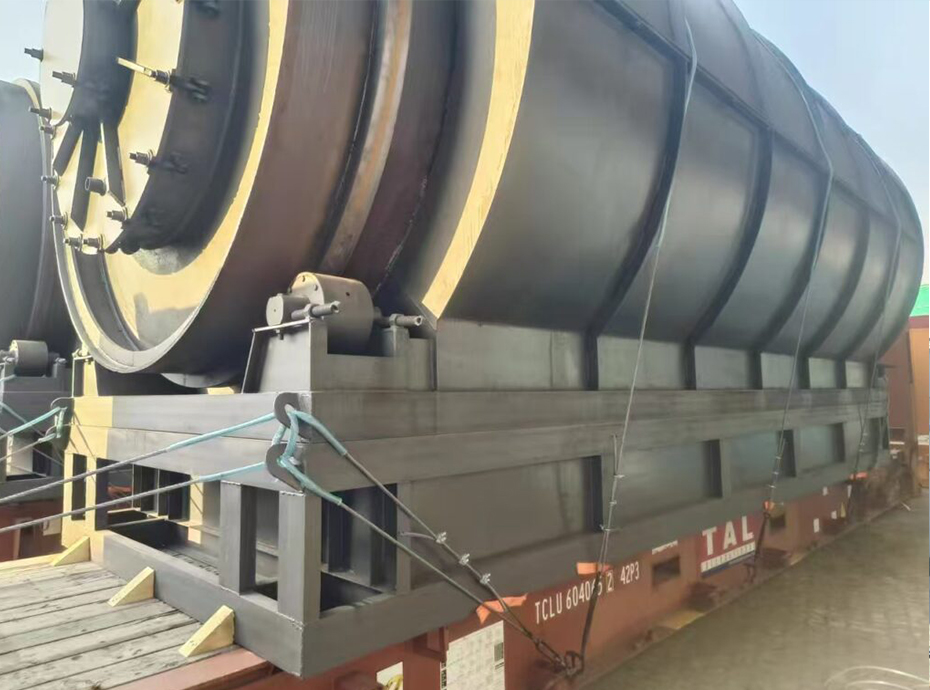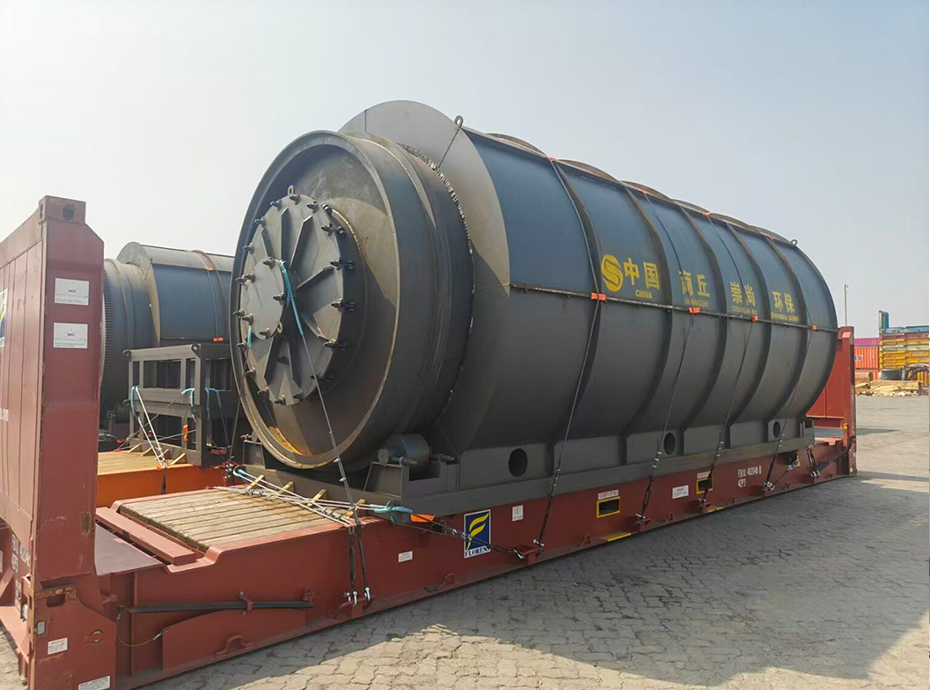

Top Manufacturer of Pyrolysis Machines/Units

Tyre Pyrolysis Plant for Waste Tire Recycling (1–30 TPD)

Batch and continuous tyre pyrolysis systems designed for stable oil yield, safe operation, and environmental compliance.

What Is the Purpose of a Tire Pyrolysis Plant?


A tire pyrolysis plant is a professional environmental protection and resource recycling equipment that converts waste tires into high-value renewable resources through oxygen-limited high-temperature pyrolysis. Its core purposes are to solve the global “black pollution” problem of waste tires and realize the high-value utilization of resources, which is in line with the circular economy development trend of countries around the world. For investors, its core value lies in creating stable profits through resource recycling. Specifically, it has three core purposes:

  • Waste Tire Disposal & Environmental Protection: Waste tires are non-degradable and occupy a large amount of land. Traditional disposal methods (landfilling, incineration) pollute the environment. Our tire pyrolysis plant can completely decompose waste tires without secondary pollution, helping governments and enterprises solve waste tire disposal problems and comply with environmental regulations.
  • Resource Recycling & High-Value Utilization: Convert low-value waste tires into three high-value products: pyrolysis oil (alternative fuel), carbon black (industrial raw material), and steel wire (recycled metal). These products have broad market demand, enabling investors to achieve “waste-to-wealth” and obtain considerable economic benefits.
  • Energy Substitution & Carbon Emission Reduction: The pyrolysis oil produced can replace fossil fuels (diesel, heavy oil) for industrial boilers, generators, and other equipment, reducing reliance on traditional energy sources. At the same time, the entire pyrolysis process adopts waste heat recycling technology, which reduces carbon emissions by 30-40% compared with traditional energy utilization methods, in line with global carbon neutrality goals.

Our tire pyrolysis plants are designed to balance environmental protection and profitability, with customized solutions for different scales of waste tire disposal needs, from small-scale regional disposal to large-scale industrial recycling.For non-tire rubber, see Rubber Pyrolysis Plant

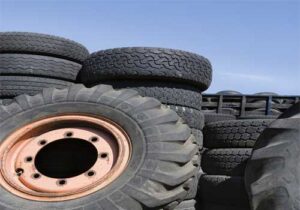
Which Types of Tires Can Be Pyrolyzed?


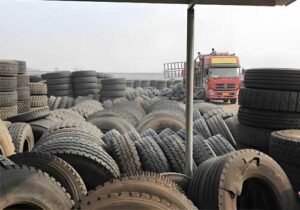
Most waste tires can be processed by pyrolysis technology, but the adaptability of equipment directly affects the efficiency of pyrolysis and product quality. Our tire pyrolysis plants are optimized through independent R&D, with strong raw material adaptability, and can stably process the following types of tires. At the same time, we provide professional raw material pretreatment guidance to avoid operational risks:

  • Passenger Car Tires: Including tires of cars, sedans, and SUVs. They have a high rubber content (about 60-65%) and low steel wire content, with excellent pyrolysis performance. The oil yield can reach 45-50%, which is the most ideal raw material. Our equipment can process whole passenger car tires without crushing, reducing pretreatment costs.
  • Truck/Bus Tires: Large-sized tires such as heavy trucks, buses, and engineering vehicles. They have a high rubber content (55-60%) and high steel wire content (about 15-20%). Our equipment is equipped with a customized feeding system and steel wire separation device, which can efficiently process crushed truck tire pieces (particle size 5-10cm) and realize automatic separation of steel wire.
  • Industrial & Special Tires: Including forklift tires, tractor tires, and small engineering machinery tires. These tires have stable components and can be processed by our equipment after simple pretreatment. We will customize pyrolysis parameters according to the specific composition of the tires to ensure product quality.
  • Not Recommended for Pyrolysis: Tires containing special harmful additives (such as lead-containing tires for special industries) or tires severely contaminated by chemicals (such as tires soaked in industrial waste liquid). These tires will produce toxic gases during pyrolysis, damaging equipment and violating environmental regulations. Our technical team provides free raw material testing services to help you screen qualified raw materials.

Tire Pyrolysis Oil Yield & Product Output

Tire Type

Pyrolysis Oil Yield

Carbon Black Yield

Steel Wire Yield

Syngas Yield (Recyclable)

Passenger Car Tires

45-50%

30-35%

8-10%

10-15%

Truck/Bus Tires

40-45%

25-30%

15-20%

10-15%

Mixed Waste Tires

42-47%

28-33%

12-16%

10-15%

  • Tire Quality & Purity: Waste tires with high rubber content and low impurity content (no soil, stones, or metal debris) have higher oil yield. Our technical team provides raw material sorting standards to help you improve raw material quality.
  • Equipment Technology: Our patented temperature control technology (precise control of pyrolysis temperature at 400-450℃) and oil-gas separation system can increase oil yield by 5-8% compared with ordinary equipment. The sealed design also reduces oil loss during pyrolysis.
  • Pretreatment Level: Drying (moisture content ≤10%) and proper crushing of tires can improve pyrolysis efficiency. We provide matching pretreatment equipment (dryers, crushers) to form a complete production line and ensure stable yield.

Equipment Model

Daily Tire Processing Capacity

Daily Pyrolysis Oil Output

Daily Carbon Black Output

Suitable Project Scale

Small Batch Plant

5-10 tons

2.25-5 tons

1.5-3.5 tons

Startups, regional waste tire disposal stations

Medium Continuous Plant

10-30 tons

4.2-14.1 tons

2.8-9.9 tons

Medium-sized recycling enterprises, industrial waste disposal projects

Large Continuous Plant

30-100 tons

12.6-47 tons

8.4-33 tons

Large-scale resource recycling parks, national-level waste tire treatment projects

Note: The above data is based on standard operating conditions. We will conduct on-site surveys according to your local raw material quality and provide personalized yield and output forecasts.

How to Choose the Right Tyre Pyrolysis System

Small pyrolysis machine

Small mobile plastic pyrolysis machine, capable of processing 1–5 tons of waste plastic in 24 hours, with an oil yield of up to 40%–75%.

batch pyrolysis plant-2

Batch plastic-to-energy machine can process 10–15 tons of waste plastic in 24 hours, with an oil yield of 45%–70%.

distillation machine

Semi-continuous plastic pyrolysis machine can process 10–30 tons of waste plastic in 24 hours, with an oil yield of 45%–70%.

Continuous Pyrolysis Plant

Continuous plastic pyrolysis machine can process 35 tons of waste plastic in 24 hours, with an oil yield of 45%–70%.
Equipment Specifications
Name Unit Quantity Specifications
Pyrolysis Kettle Piece 1 Size: Φ2800×8000×δ18, 45.3m³
Material: Q345R
Pressure Reduction Dust Collector Piece 1 Size: Φ900×1500×δ6.0
Shell Material: Q235
Residue Oil Tank Piece 1 Size: Φ600×750×δ5.0
Shell Material: Q235
Damping Sedimentation Tank Piece 1 Shell Size: Φ500×1000×δ5
Shell Material: Q235
Pipe Condenser Set 1 Size: Φ6600*3000*3000*δ5
Shell Material: Q235
Oil Storage Tank Piece 1 Size: Φ1500×4500×δ5
Material: Q235
Water Seal Piece 2 Size: Φ900×1900×δ5
Shell Material: Q235
Raw Material Bin Piece 1 Size: 1500×1500×2000×δ2.5
Shell Material: Q235
Raw Material Conveyor Piece 1 Size: 3200×600×2500
Power: 2.2kw, Capacity 15m³/h
High Temperature Automatic Feeder Piece 1 Size: Φ425×3500
Power: 7.5kw, Feeding Capacity 15m³/h
High Temperature Sealed Slag Discharger Piece 1 Size: Φ425×2900×δ10.0
Power: 7.5kw, Slag Discharge Capacity 3m³/h
High Temperature Carbon Residue Auger Piece 1 Size: Φ325×6000
Power: 15kw, Conveying Capacity 3m³/h
Carbon Residue Storage Tank Piece 1 Size: Φ1500×2500×δ5
Material: Q235
Natural Gas Burner Piece 4 Flow Rate: 30~50m³/h
Desulfurization Dust Removal Tower Piece 2 Size: Φ900×4500×δ5.0
Material: 304 Stainless Steel
Activated Carbon Adsorption Box Piece 1 Size: 4300*1200*1300
Material: Q235B Spray Plastic
Features: 12 Drawers
Flue Gas Cooler Piece 1 Size: 6600*1200*1300*5mm
Material: Q235B
Electrical Control Cabinet Piece 1 Power Parameters: Determined by equipment location
Intelligent Digital Display Alarm, Manual Alarm Reset

Tire Pyrolysis Process Flow

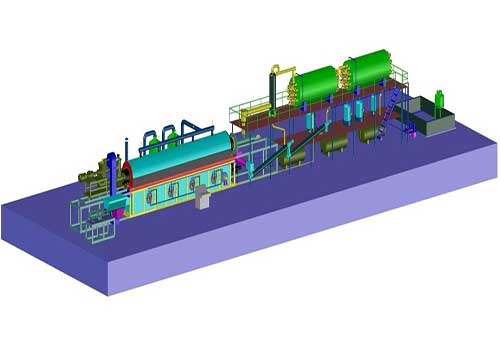
Our tire pyrolysis process adopts a scientific staged design, which is safe, efficient, and environmentally friendly. The whole process is controlled by an intelligent PLC system, which reduces human error and ensures stable product quality. The detailed process flow is as follows:

  1. Detailed Process Steps
  2. Raw Material Pretreatment: Waste tires are first sorted to remove impurities (soil, stones, non-tire metals). Then, they are crushed into 5-10cm pieces by a crusher (truck tires) or directly used (passenger car tires). Finally, they are dried in a dryer to reduce moisture content to ≤10% (moisture will affect pyrolysis efficiency and oil yield).
  3. Sealed Feeding: The pretreated tires are fed into the sealed pyrolysis reactor through an air-lock feeding system. The system prevents external air from entering the reactor, ensuring the oxygen content in the reactor is below 5% and avoiding combustion accidents.
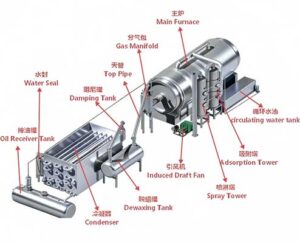
  4. Staged Pyrolysis (400-450℃): The reactor is heated by an external heating system (fuel: pyrolysis oil, natural gas, or syngas). The temperature is precisely controlled in stages: ① Preheating (100-200℃): Evaporate residual moisture; ② Low-temperature pyrolysis (200-350℃): Decompose rubber into oil-gas mixture; ③ High-temperature pyrolysis (350-450℃): Fully crack the oil-gas mixture to improve oil yield. Our patented temperature control technology ensures uniform pyrolysis of tires.
  5. Oil-Gas Separation & Condensation: The oil-gas mixture generated by pyrolysis enters the oil-gas separation system to remove impurities (carbon particles). Then, it is cooled into liquid pyrolysis oil through a multi-stage condenser. The uncondensed syngas (mainly methane, ethane) is recycled to the heating system as fuel, reducing energy costs.
  6. Solid Product Collection: After pyrolysis, the solid residues in the reactor (carbon black and steel wire) are discharged into the sealed cooling system and cooled to below 50℃ to avoid oxidation. Then, the steel wire is separated from the carbon black by a magnetic separator. The steel wire is sold as recycled metal, and the carbon black is processed (crushed, sieved) into finished products.
  7. Flue Gas Purification & Emission: The flue gas generated during heating is purified by a multi-stage flue gas treatment system (dry dust removal → wet scrubbing → activated carbon adsorption) to meet global environmental standards before being discharged.
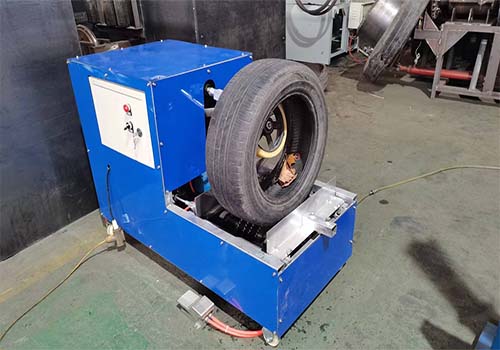
1st Tire Cutting Machine
Tire-cutting-machine.
Waste tires have a large overall volume and a complex structure, making them difficult to process directly. The tire cutting machine can precisely cut tires into small pieces or layers, significantly reducing their volume, facilitating transportation and subsequent processing, and greatly improving overall processing efficiency. PyrolysisUnit's tire cutting machine can handle small steel-belted tires under 900mm with a processing capacity of 1-2 tons per hour, or large tires between 900-1500mm, also with a processing capacity of 1-2 tons per hour.

arrow 9 1
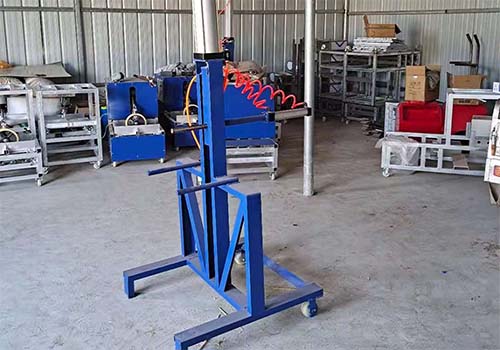
2nd Tire Bead Extractor
Tire-making-machine
The tire layering machine can neatly stack the tread layers of small steel-belted tires that have been processed by the cutting machine, ensuring the integrity of the steel belt structure, preventing material scattering and waste, and improving the quality of recycled materials. The automated layering process replaces labor-intensive manual work, significantly reducing processing time, with a capacity of 1-2 tons per hour, helping enterprises achieve efficient and stable production rhythms.
3rd Pyrolysis Machine
pyrolysisunit
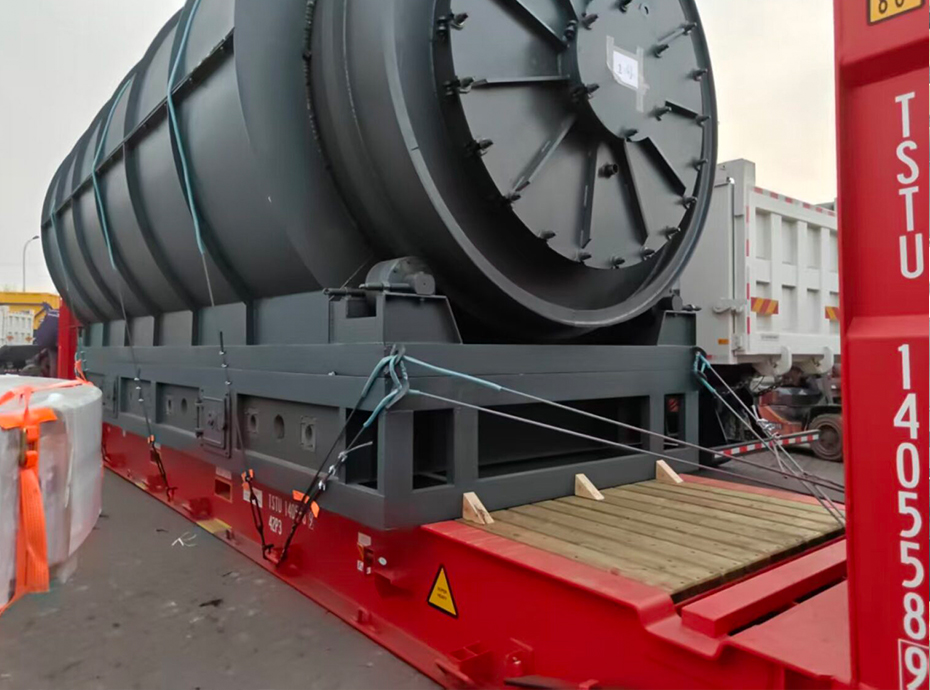
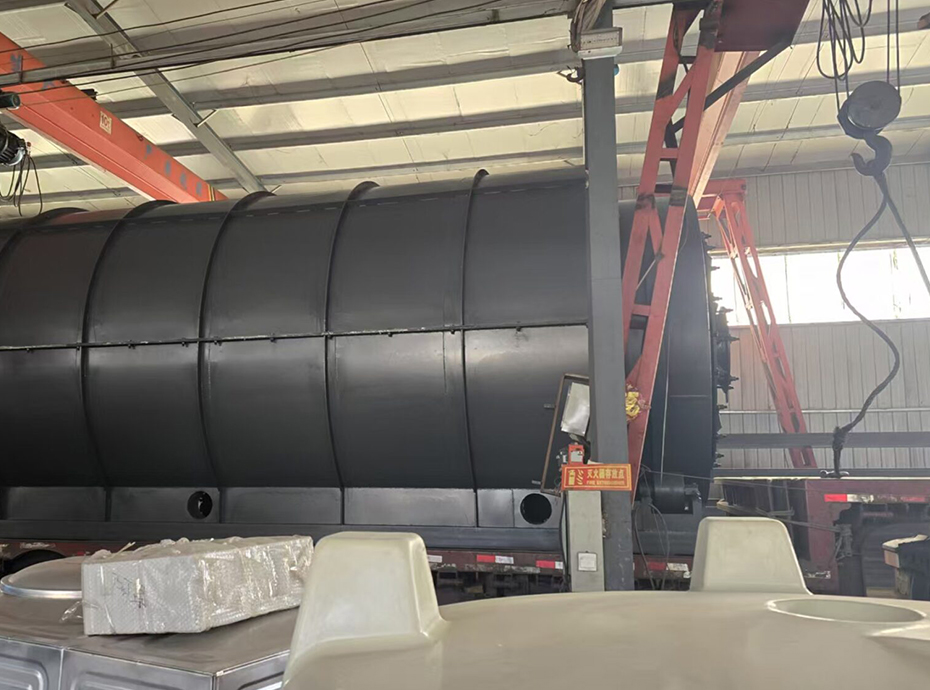
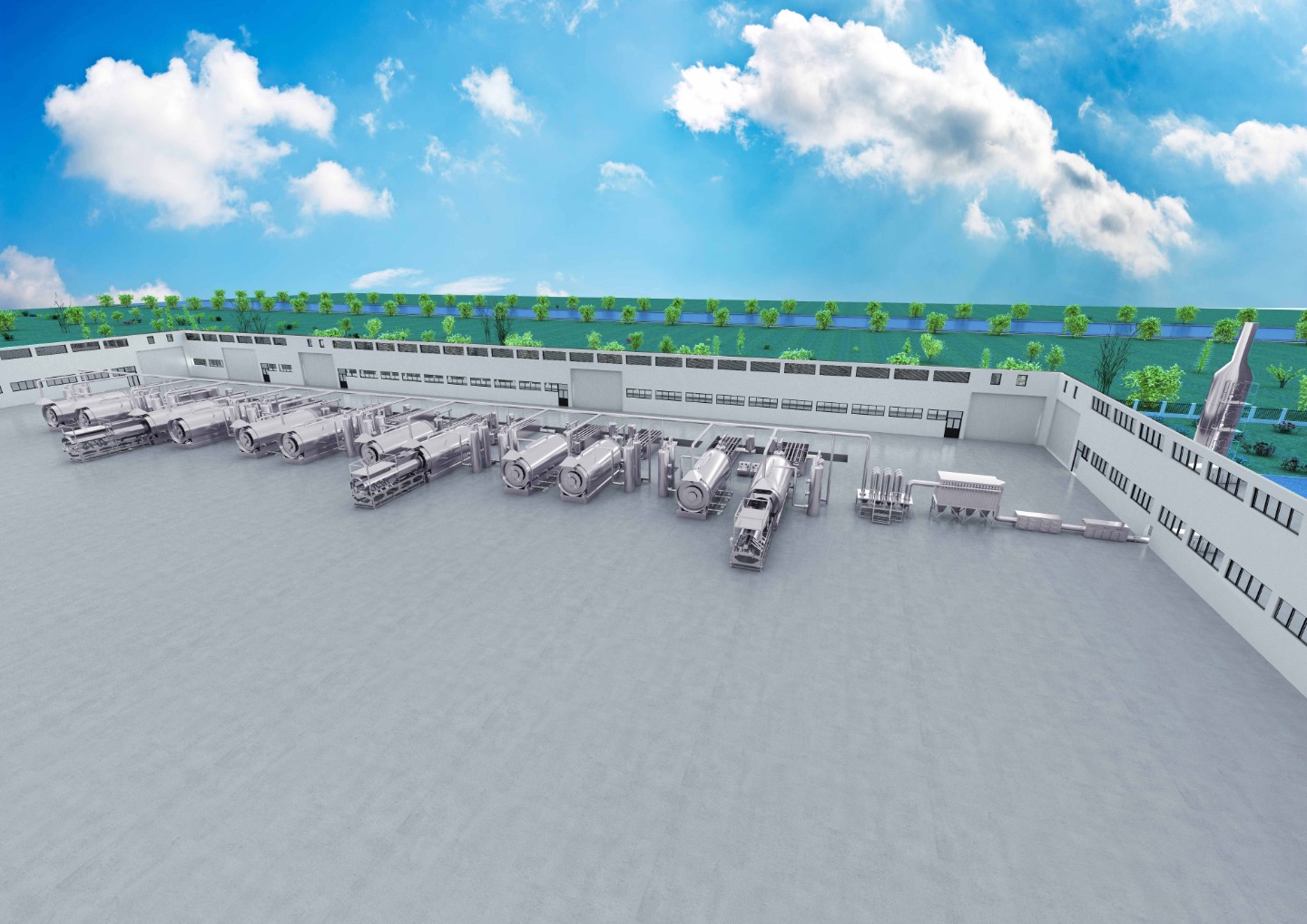
Pyrolysis machines play a crucial role in the recycling of waste tires by thermally decomposing tires in an oxygen-free environment. This process converts tires into valuable by-products such as pyrolysis oil, carbon black, steel wire, and combustible gas, enabling effective resource recovery and reducing environmental pollution.
PyrolysisUnit’s pyrolysis machines can process 1 to 30 tons of tires per day, providing scalable solutions for small to large-scale tire recycling operations.

arrow

Case Studies

Tire Pyrolysis Guide: Compliance, Safety, Profit & Global Solutions

Table of Contents
As a professional manufacturer specializing in tire pyrolysis technology with over a decade of R&D and project experience, we understand that global investors and entrepreneurs focus on compliance, safety, profitability, and reliable after-sales support when entering the tire pyrolysis industry. This guide is tailored for you—covering core concerns from environmental compliance to project implementation, and highlighting how our factory-direct tire pyrolysis solutions and full-cycle technical services can help you achieve stable, profitable, and compliant operations worldwide.

Part 1: Environmental Compliance & Exhaust Emission Control

With increasingly stringent environmental regulations globally, compliance is the prerequisite for the long-term sustainability of tire pyrolysis projects. Our tire pyrolysis equipment is designed and manufactured in strict accordance with international environmental standards (EU ETS, US EPA, CE, ISO 14001, GB 18484-2020) and is equipped with a full-set of high-efficiency emission control systems to ensure your project meets local environmental requirements. We also provide one-stop compliance consulting services to help you eliminate regulatory risks.

1.1 Core Exhaust Emission Control System

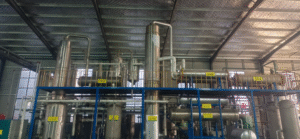
Tire pyrolysis exhaust mainly contains particulate matter, sulfur dioxide (SO₂), nitrogen oxides (NOₓ), volatile organic compounds (VOCs), and polycyclic aromatic hydrocarbons (PAHs). Our four-stage purification system achieves ultra-low emissions:
  • First Stage: Dry Dust Removal: High-temperature cyclone dust collector efficiently removes large-particle dust (removal rate ≥98%), avoiding clogging of subsequent equipment. The collected dust can be recycled as a raw material for building materials.
  • Second Stage: Wet Scrubbing: The multi-layer packed tower sprays alkaline solution to neutralize and remove SO₂, NOₓ, and small-particle dust. The spray system adopts a circulating design to save water resources, and the treated wastewater enters the closed-loop treatment system.
  • Third Stage: Activated Carbon Adsorption: Specialized high-specific-surface-area activated carbon adsorbs VOCs, PAHs, and other harmful organic substances (adsorption rate ≥99%). The activated carbon replacement cycle is extended by 30% due to our pre-purification technology, reducing operating costs.
  • Fourth Stage: Catalytic Combustion (Optional): For regions with higher environmental requirements (e.g., EU, North America), we offer an optional catalytic combustion module. It oxidizes residual harmful gases into CO₂ and H₂O at 250-350℃, ensuring exhaust emissions are far below local standards.
motor oil distillation
Emission Index Guarantee: Particulate matter ≤10 mg/m³, SO₂ ≤50 mg/m³, NOₓ ≤100 mg/m³, VOCs ≤20 mg/m³—fully compliant with global mainstream environmental standards.

1.2 Comprehensive Environmental Protection Supporting Measures

  • Wastewater Zero Discharge: The small amount of wastewater generated during the process (mainly from wet scrubbing) is treated by coagulation, sedimentation, and filtration, then reused for cooling and spraying, realizing closed-loop circulation and zero discharge.
  • Odor Control: The entire production line adopts a fully sealed design (from tire feeding to product discharging). An activated carbon deodorization device is installed at key nodes (feeding port, discharging port) to eliminate odor pollution.
  • Solid Waste Treatment: By-products such as waste activated carbon and dust are collected uniformly and entrusted to qualified third-party institutions for disposal, or recycled in accordance with local regulations—ensuring full-process environmental compliance.

1.3 Global Compliance Consulting Services

We have a professional environmental compliance team familiar with the environmental regulations of over 50 countries and regions. We provide customized services including: local environmental policy interpretation, application guidance for environmental permits, environmental impact assessment (EIA) report support, and on-site inspection guidance. All our equipment is accompanied by official environmental test reports to help you pass regulatory inspections smoothly.

Part 2: Safety Design & Operation Guide (Upgraded Version)

Tire pyrolysis involves high temperature, high pressure, and flammable and explosive gases. Safety is the top priority of our equipment design. We integrate multiple intelligent safety protection systems and formulate detailed operation guidelines to minimize operational risks. Our upgraded safety solutions cover the entire production cycle—from equipment startup to emergency shutdown.

2.1 Core Safety Protection Systems

  • Dual Over-Temperature Alarm & Protection: The pyrolysis chamber is equipped with two sets of independent temperature sensors (PT100 and thermocouple) for real-time monitoring. When the temperature exceeds the safe threshold (480℃), the system automatically triggers an audible and visual alarm, and cuts off the heating source simultaneously. Manual reset is required after troubleshooting to avoid misoperation.
  • Intelligent Over-Pressure Protection: Equipped with a pressure transmitter, safety valve, and rupture disk (double protection). When the pressure in the pyrolysis chamber exceeds 0.3MPa, the safety valve automatically opens to release pressure; if the pressure continues to rise, the rupture disk bursts to relieve pressure quickly. The system also supports remote pressure monitoring, allowing managers to grasp pressure data in real time.
  • Alarm Muting & Fault Recording System: The control panel is equipped with an alarm muting button (muting time adjustable: 1-10 minutes) to avoid noise interference in the workshop. All alarm information (time, type, parameter value) is automatically recorded and can be exported for troubleshooting and safety analysis. The system also sends fault reminders to the designated mobile phone via SMS/APP.
  • Automatic Pressure Relief Valve with Pressure Stabilization Function: The upgraded automatic pressure relief valve not only relieves overpressure but also maintains stable pressure in the pyrolysis chamber (0.1-0.2MPa) during normal operation—improving pyrolysis efficiency while ensuring safety. The valve is made of high-temperature and corrosion-resistant alloy materials, with a service life increased by 50% compared to ordinary valves.
  • Sealed Fire-Proof & Explosion-Proof Design: The entire pyrolysis system adopts a fully sealed structure to prevent leakage of flammable gases (syngas, pyrolysis oil vapor). Explosion-proof electrical components (motors, sensors, control panels) are used in all key areas, and fire extinguishing devices (CO₂ fire extinguishers, foam fire extinguishers) are installed at fixed positions. The equipment shell is made of thickened carbon steel with fire insulation coating.
  • One-Key Emergency Shutdown System: Emergency shutdown buttons are installed at the control panel and key positions around the equipment. Pressing the button can quickly cut off the heating source, stop the feeding and discharging systems, and isolate the pyrolysis chamber—maximizing the safety of personnel and equipment in case of emergencies.
Pyrolysis machine process diagram

2.2 Detailed Operation Guide

2.2.1 Pre-Startup Inspection
  • Check the tightness of the pyrolysis chamber, pipelines, and valves (no air leakage).
  • Verify that the safety protection systems (temperature sensor, pressure transmitter, safety valve) are working normally.
  • Check the oil level of the lubrication system and the water level of the cooling system.
  • Ensure the raw materials (waste tires, crushed into 5-10cm particles, moisture content ≤10%) meet the requirements.
2.2.2 Normal Operation Norms
  • Strictly follow the temperature and pressure curves set by the technical team (heating rate: 5-8℃/min, pyrolysis temperature: 400-450℃).
  • Regularly check the operation status of the exhaust purification system and ensure the activated carbon is replaced in a timely manner.
  • Record operational data (temperature, pressure, feeding amount, product output) every hour.
2.2.3 Emergency Handling Procedures
  • Over-Temperature/Over-Pressure Alarm: Press the emergency shutdown button immediately, check the heating system and pressure relief device, and restart the equipment only after troubleshooting.
  • Gas Leakage: Evacuate personnel from the workshop, cut off the power supply, open the ventilation system, and use a gas detector to locate the leakage point. Repair after the gas is completely discharged.
  • Fire Accident: Use the equipped fire extinguishing device to put out the fire, and call the local fire department if necessary. Do not use water to extinguish oil or gas fires.
2.3 Safety Training & Regular Inspection Services
We provide free professional safety training for your operators (on-site or online), covering equipment safety principles, operation specifications, and emergency handling. Our technical team conducts regular on-site safety inspections (quarterly/half-yearly) during the after-sales period, identifies potential safety hazards, and provides improvement suggestions.

Part 3: Pyrolysis Products & Economic Value Analysis

The core appeal of tire pyrolysis projects lies in high-value utilization of waste tires—converting low-cost waste into profitable products. Our tire pyrolysis equipment can efficiently convert waste tires into four main products: pyrolysis oil, carbon black, steel wire, and syngas. We reorient the economic value analysis from the perspective of “global market demand + cost control + profit optimization” to help you maximize investment returns.

3.1 Main Pyrolysis Products & Their Applications
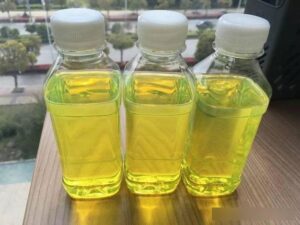
pyrolysis Fuel Oil

Product
Yield (Per Ton of Waste Tires)
Key Applications
Global Market Reference Price
Pyrolysis Oil
45-50%
Industrial fuel (boilers, generators), refined into diesel (with additional refining equipment), or used as a raw material for the chemical industry.
$550-700/ton
Carbon Black
30-35%
Rubber product additive (tire retreading, rubber seals), pigment, ink, or processed into activated carbon for water treatment.
$300-450/ton
Steel Wire
10-15%
Recycled as scrap steel for steelmaking, or processed into steel products (nails, wire mesh).
$200-300/ton
Syngas
5-10%
Recycled as fuel for the pyrolysis furnace (replacing natural gas/coal), reducing energy costs.
Equivalent to $80-120/ton of waste tires (energy saving value)

3.2 Cost Control & Profit Optimization

3.2.1 Core Cost Components (Factory-Direct Advantages)
  • Equipment Cost: Factory direct sales, no middlemen markup. We provide flexible configurations (batch/semi-continuous/continuous) according to your budget and project scale, avoiding over-investment. We also offer installment payment and L/C payment terms to reduce your capital pressure.
  • Raw Material Cost: The main cost driver (accounting for 30-50% of total costs). We help you identify local low-cost waste tire sources (scrap tire recycling stations, automotive repair shops, landfills) and provide raw material procurement standards (avoiding tires with excessive impurities).
  • Operational Cost: Including energy, labor, and maintenance. Our equipment’s energy efficiency is 20-25% higher than the industry average (thanks to waste heat recovery and syngas recycling). The simplified maintenance design reduces maintenance costs by 30%, and each production line only requires 2-3 operators per shift.
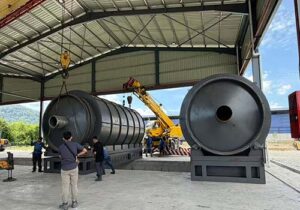
10 ton plastic pyrolysis unit
3.2.2 Typical Profit Forecast (Global Universal Model)
Taking a 10-ton/day semi-continuous tire pyrolysis system as an example (global average data):
  • Daily Input: 10 tons of waste tires ($100/ton) = $1,000; daily operational cost (energy, labor, maintenance) = $1,200; total daily cost = $2,200.
  • Daily Output Value: 4.8 tons of pyrolysis oil ($600/ton) + 3.2 tons of carbon black ($350/ton) + 1.2 tons of steel wire ($250/ton) + syngas energy saving ($100) = $2,880 + $1,120 + $300 + $100 = $4,400.
  • Daily Profit: $4,400 – $2,200 = $2,200; annual profit (calculated by 300 working days) = $660,000. The payback period is usually 8-16 months (varies by region, raw material cost, and product selling price).
3.2.3 Profit Optimization Services
We provide customized profit optimization solutions based on your local market: ① Recommend product deep processing directions (e.g., refining pyrolysis oil into diesel to increase selling price by 30-50%); ② Help you establish product sales channels (cooperate with local industrial enterprises, chemical plants); ③ Optimize equipment parameters to improve the yield of high-value products (e.g., increase pyrolysis oil yield by 3-5%).

Part 4: Application Scenarios & Typical Projects

Our tire pyrolysis solutions have been successfully applied in over 50 countries and regions, covering various scales and types of projects. We have rich experience in adapting to different regional conditions (raw material characteristics, environmental regulations, market demand), and the following are typical application scenarios and successful cases:

4.1 Typical Application Scenarios

  • Waste Tire Recycling Enterprises: Converting collected waste tires into high-value products, improving the added value of recycling. Suitable for small-to-large recycling companies that have stable waste tire sources and want to expand their profit margins.
  • Industrial Waste Disposal Projects: Helping local governments or environmental protection companies solve the problem of waste tire pollution. Our equipment can process scattered waste tires on-site, reducing transportation costs and environmental risks.
  • Energy Supply Projects: Using pyrolysis oil and syngas to generate electricity or supply heat for factories, farms, or rural communities. Suitable for regions with insufficient traditional energy supply and abundant waste tire resources (e.g., Africa, Southeast Asia).
  • Rubber & Chemical Industry Supporting: Producing carbon black for rubber product manufacturers, or supplying pyrolysis oil as a raw material for chemical plants. Suitable for industrial parks with integrated upstream and downstream industrial chains.
  • Rural Entrepreneurship Projects: Small-scale batch systems (5-10 tons/day) are ideal for rural entrepreneurs. They can use local low-cost waste tires to produce pyrolysis oil and carbon black for local sales, with low investment and quick returns.
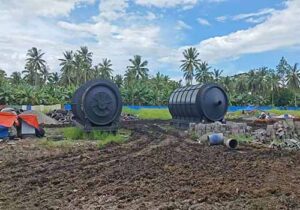
biomass

4.2 Global Typical Project Cases

  • Case 1: Nigeria 10-Ton/Day Semi-Continuous Project: The customer is a rural entrepreneur. We provided a semi-continuous tire pyrolysis system and helped him obtain local environmental permits. The project uses local waste tires ($80/ton) to produce pyrolysis oil (sold to local factories for $580/ton) and carbon black (sold to rubber workshops for $320/ton). The payback period was 9 months, and we provided on-site training for 5 operators.
  • Case 2: Germany 20-Ton/Day Continuous Project: The customer is an environmental protection company. The project requires strict compliance with EU environmental standards. We equipped a four-stage exhaust purification system and catalytic combustion module. The pyrolysis oil is refined into diesel, and the carbon black is sold to a local tire manufacturer. The project has been operating stably for 3 years, with an annual profit of over €1 million. We provide quarterly maintenance services.
  • Case 3: India 5-Ton/Day Batch Project: The customer is a small waste tire recycling station. We provided a cost-effective batch system and helped him establish a local sales channel for pyrolysis oil (used for boiler heating). The project’s daily profit is about $1,200, and the payback period was 12 months. We provided remote technical support during the operation period.
We can provide you with detailed case studies (including project videos, operation data, and profit reports) of projects in your region.

Part 5: Advantages of Our Tire Pyrolysis Solutions

As a professional tire pyrolysis equipment manufacturer with independent R&D and production capabilities, our core advantages lie in “factory direct supply, leading technology, full-cycle services, and global compliance adaptation”—helping you avoid risks and improve project success rate from the source.

5.1 Factory Direct Supply, Cost Control from the Source

  • No middlemen, direct sales of equipment at factory prices—saving 15-25% of equipment procurement costs compared to trading companies.
  • Flexible customization: According to your raw material characteristics, project scale, and local environmental requirements, we customize equipment parameters and configurations to avoid over-investment and functional waste.
  • Genuine spare parts supply: We provide genuine spare parts at factory prices, with a global spare parts warehouse to ensure timely supply and reduce equipment downtime.

5.2 Independent R&D, Technological Leadership

  • We have a professional R&D team and 20+ patents in tire pyrolysis technology. Our equipment has higher product yield (pyrolysis oil yield increased by 3-5% compared to industry average) and lower energy consumption (syngas recycling rate ≥90%).
  • Continuous technological upgrading: We track global environmental regulations and market demands, and provide free technical upgrade guidance for our equipment to ensure your project remains competitive.
  • Strict quality control: The equipment undergoes 10+ quality inspections (pressure test, temperature test, leakage test) before leaving the factory to ensure stable operation.
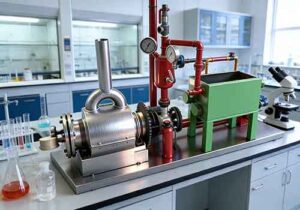
pyrolysis machine in university laboratory

5.3 Full-Cycle Technical Services, Worry-Free Operation

  • Pre-Sales Consulting: Free feasibility analysis, site planning, and project budget evaluation. Our technical team provides one-on-one consulting services to answer your questions about compliance, safety, and profitability.
  • Sales Support: Equipment installation, commissioning, and operator training (on-site or online). We ensure the equipment is put into operation smoothly within the agreed time.
  • After-Sales Service: 24-hour technical support (phone, email, video). Our global service team can arrive at the project site within 3-7 working days to solve problems. We also provide regular maintenance and equipment health checks.

5.4 Global Compliance Adaptation, Smooth Operation

Our equipment is designed in accordance with global mainstream environmental and safety standards. We provide local compliance consulting and permit application support to ensure your project complies with local laws and regulations. We have successfully helped customers in Europe, Africa, Asia, and South America pass local regulatory inspections.

Part 6: Engineering Expertise & Global Service Support

With over 10 years of experience in tire pyrolysis project engineering, we have established a global service network to provide you with professional, timely, and comprehensive support—covering the entire process from project design to long-term operation.

6.1 Professional Engineering Team

Our engineers have rich experience in global project implementation, with professional qualifications in chemical engineering, mechanical engineering, and environmental engineering. They can provide customized engineering solutions according to local climate, geological conditions, and industrial policies—including site layout design, pipeline configuration, electrical system design, and environmental protection system matching.

6.2 Comprehensive Training & Knowledge Transfer

We provide systematic training for your team, including: equipment operation, safety precautions, maintenance skills, product quality control, and compliance management. We also provide detailed operation manuals, maintenance guides, and video tutorials to ensure your team can operate the equipment independently.

6.3 Long-Term Cooperation & Value Upgrade

We regard every customer as a long-term partner. During the operation of your project, we regularly track the operation status and provide suggestions for optimizing production efficiency and increasing profits. We also share the latest industry information, technological upgrades, and market trends with you to help your project achieve sustainable development.
Whether you are a startup exploring the tire pyrolysis industry or an enterprise expanding production scale, we are committed to providing you with the most suitable tire pyrolysis solutions and full-cycle technical support. Contact us today to get a free customized project feasibility report and equipment quotation!

Part 7: Frequently Asked Questions About Tyre Pyrolysis Plants

The cost of a 10-ton-per-day (TPD) tire pyrolysis plant typically ranges from $40,000 to $65,000 for a standard semi-continuous system from a direct manufacturer, with variations based on automation, emission control, and after-sales service. Budget an additional 15–25% for installation, shipping, and initial spares.
 
Price Breakdown by System Type (2026 Factory Direct)
 
System TypePrice RangeKey FeaturesBest For
Batch (Manual)$40,000–$48,000Cyclic operation; basic automation; lower upfront costStartups, rural projects with limited budget
Semi-Continuous$48,000–$60,000Continuous feeding, batch discharging; PLC control; better energy efficiencyMost investors; balances cost and output stability
Continuous (Full Auto)$60,000–$65,000+24/7 operation; fully automated; integrated waste heat recoveryLarge-scale, high-demand operations with stable feedstock
Key Cost Drivers
 
  • Automation Level: PLC control and remote monitoring add $3,000–$8,000 but reduce labor costs by 30–40%.
  • Emission Control: Standard 3-stage purification (cyclone + scrubber + activated carbon) is included; catalytic combustion for EU/NA adds $5,000–$10,000.
  • After-Sales Service: Global on-site installation, training, and 1-year warranty (standard); extended 2–3 year service packages add $2,000–$5,000.
  • Customization: Raw material pre-treatment (shredder, dryer) adds $5,000–$12,000; local compliance adaptations vary by region.
Total Project Cost Estimate (Including Hidden Costs)
 
Cost CategoryEstimated AmountNotes
Equipment (Semi-Continuous)$50,000Factory direct; no middlemen markup
Shipping & Insurance$3,000–$5,000Dependent on destination (e.g., $3k to SE Asia, $5k to Europe)
Installation & Commissioning$4,000–$6,000On-site labor and technical support
Spare Parts (1-Year Stock)$2,000–$3,000Critical components (valves, sensors, heating elements)
Pre-Treatment (Shredder + Dryer)$8,000–$10,000Optional but recommended for consistent output
Total$67,000–$74,000Typical semi-continuous setup with standard emissions and pre-treatment
Why Choose Us (Factory Direct Advantages)
 
  • No Middlemen: Save 15–25% compared to trading companies; transparent pricing with no hidden fees.
  • Customization: Tailor the plant to your local feedstock (tire type, moisture content) and compliance requirements (EPA, CE, ISO 14001).
  • Full-Cycle Support: Free feasibility analysis, site planning, operator training, and 24/7 technical support. Our global service team arrives within 3–7 working days for on-site issues.
  • Flexible Payment: L/C, installment plans, or trade-in options to reduce upfront capital pressure.
Example Quote (Semi-Continuous 10TPD Plant)
 
  • Base Price: $50,000 (includes reactor, 3-stage emission control, PLC control, 1-year warranty).
  • Optional Add-Ons: Catalytic combustion ($8,000), shredder + dryer ($10,000), 2-year extended service ($3,000).
  • Total with Add-Ons: $71,000 (plus shipping, installation, and spares).
Contact us for a personalized quote based on your location, feedstock, and compliance needs. We offer free project feasibility analysis and on-site consultations to ensure optimal return on investment.
 
Would you like a customized quote based on your location, raw material type, and emission compliance needs? I can tailor it to your specific project details.
Yes—tyre pyrolysis is environmentally friendly when implemented with advanced emission control technology, strict compliance, and professional engineering support. As a core solution for waste tire recycling, it addresses the global challenge of tire waste pollution (each discarded tire can take 50–80 years to decompose in landfills) while converting waste into renewable resources (pyrolysis oil, carbon black, steel wire). Below is a detailed breakdown of its environmental benefits, paired with how our 10+ years of engineering expertise and global support ensure your project meets the highest environmental standards worldwide.
 
1. Why Tyre Pyrolysis Is an Eco-Friendly Solution
Tyre pyrolysis transforms a persistent environmental hazard into valuable, reusable products—offering dual environmental and economic benefits:
 
  • Eliminates Tire Waste Pollution: Avoids landfills (where tires leach toxic chemicals into soil/water) and illegal dumping (a major source of plastic pollution and wildfire risks).
  • Reduces Fossil Fuel Dependence: Pyrolysis oil replaces diesel/heavy oil in industrial boilers and generators, cutting reliance on non-renewable energy.
  • Resource Circularity: 100% of waste tires are recycled into usable products (no waste left behind):
    • Pyrolysis oil: A clean-burning fuel alternative.
    • Carbon black: Reused in rubber production, inks, or soil remediation (reducing the need for virgin carbon black, which requires fossil fuel extraction).
    • Steel wire: Fully recycled for steelmaking, saving iron ore resources.
    • Syngas: Recycled as fuel for the pyrolysis plant, reducing external energy consumption by 25–35%.
     
The key to environmental friendliness lies in advanced pollution control technology and strict operational compliance—areas where our decades of engineering experience and global support network excel.
2. How Our Engineering Expertise Ensures Environmental Compliance
Environmental friendliness in tyre pyrolysis is not just about the technology—it’s about customized, region-specific implementation. Our professional engineering team (with qualifications in chemical, mechanical, and environmental engineering) designs solutions that align with local environmental regulations and geological/climatic conditions, ensuring your project is both eco-friendly and compliant:
 
  • Tailored Emission Control Systems: We customize pollution control modules (from 3-stage purification to catalytic combustion) based on your region’s standards (e.g., EU EPA, US EPA, CE, ISO 14001). For example:
    • For Europe/North America: Equip catalytic combustion to reduce VOCs/PAHs to ≤20 mg/m³.
    • For Southeast Asia/Africa: Optimize water-saving scrubbers and activated carbon adsorption to meet local air/water quality norms.
     
  • Zero-Discharge Design: Our engineers integrate closed-loop wastewater systems (no effluent released) and sealed solid waste collection, ensuring full-process environmental safety.
  • Energy-Efficient Layout: Site-specific pipeline and heating system design minimizes heat loss, reducing the plant’s carbon footprint by 15–20% compared to generic systems.
3. Global Support to Maintain Long-Term Environmental Performance
Environmental compliance is not a one-time achievement—it requires ongoing monitoring, maintenance, and adaptation to evolving regulations. Our global service network ensures your plant remains eco-friendly throughout its lifecycle:
 
3.1 Global On-Site Support for Pollution Control Systems
We have established service centers in Asia (China, India, Indonesia), Africa (Nigeria, South Africa), Europe (Germany, Turkey), and South America (Brazil). Our technical engineers can arrive on-site within 3–7 working days to:
 
  • Inspect and maintain emission control equipment (e.g., activated carbon replacement, scrubber solution calibration).
  • Troubleshoot environmental system issues (e.g., reducing particulate matter emissions if they exceed local limits).
  • Upgrade pollution control modules to meet stricter regional regulations (e.g., adding NOₓ reduction technology as standards evolve).
3.2 Comprehensive Training for Eco-Friendly Operations
 
Even the best environmental technology fails without proper operation. We provide systematic training for your team, including:
 
  • Correct use of emission control systems (e.g., monitoring flue gas data, maintaining catalytic combustion efficiency).
  • Waste management protocols (e.g., safe handling of solid by-products like spent activated carbon).
  • Compliance documentation (e.g., recording emission data for local environmental audits).
     

    We also supply detailed operation manuals and video tutorials to ensure your team operates the plant in the most eco-friendly way.

3.3 Long-Term Cooperation for Environmental Upgrades
As a long-term partner, we track global environmental policy trends and share the latest green technology upgrades with you:
 
  • Proactive alerts for regulatory changes (e.g., new EU limits on PAHs) and customized upgrade solutions.
  • Suggestions for optimizing resource recovery (e.g., improving carbon black purity to reduce its environmental impact in downstream applications).
  • Access to new eco-friendly technologies (e.g., solar-powered auxiliary systems) to further reduce your plant’s carbon footprint.
4. Third-Party Validation of Our Eco-Friendly Solutions
To back our environmental claims, all our tyre pyrolysis plants undergo rigorous third-party testing and certification:
  • Emission reports confirming compliance with global standards (particulate matter ≤10 mg/m³, VOCs ≤20 mg/m³).
  • ISO 14001 Environmental Management System certification for our manufacturing and project implementation processes.
  • Case studies from 50+ countries (e.g., Germany, Nigeria, India) where our plants have passed local environmental audits and received government recognition for waste reduction.
Conclusion: Tyre Pyrolysis Is Environmentally Friendly—With the Right Partner
Tyre pyrolysis is not just a profitable investment—it’s a responsible choice for the planet. Its environmental credentials are proven when supported by:
 
  • Advanced pollution control technology.
  • Customized engineering aligned with local regulations.
  • Ongoing support to maintain compliance and efficiency.
With 10+ years of tyre pyrolysis engineering experience, a global service network, and a team of qualified engineers, we don’t just sell equipment—we deliver eco-friendly, compliant, and sustainable recycling solutions. Our comprehensive support (from project design to long-term upgrades) ensures your plant operates in harmony with the environment while maximizing returns.
 
Contact us today to get a free customized feasibility report—we’ll help you design an environmentally friendly tyre pyrolysis project that meets your local regulations and sustainability goals.
No, tire pyrolysis is fundamentally different from burning—it is a controlled, oxygen-limited thermal decomposition process that converts waste tires into valuable resources (pyrolysis oil, carbon black, steel wire, syngas), while burning is an uncontrolled, oxygen-rich combustion that produces harmful emissions and ash.
 
With over 10 years of experience in tire pyrolysis project engineering, we have established a global service network to provide you with professional, timely, and comprehensive support—covering the entire process from project design to long-term operation.
Core Differences Between Pyrolysis and Burning
 
AspectTire PyrolysisBurning (Combustion)
Oxygen LevelStrictly limited (oxygen content <5%) in a sealed reactor—prevents complete combustion.Requires abundant oxygen for full ignition of tire components.
Reaction PurposeDecompose tire polymers (rubber, plastic) into usable products via thermal cracking.Convert tires into heat, ash, and flue gas (no valuable by-products).
Emission ProfileEmissions are minimal and fully treatable with purification systems (e.g., cyclone dust removal, activated carbon adsorption, catalytic combustion).Releases high levels of toxic pollutants (dioxins, sulfur dioxide, heavy metals) and greenhouse gases (CO₂, black carbon).
Resource Recovery100% of waste tires are recycled into marketable products: pyrolysis oil (45–50%), carbon black (30–35%), steel wire (10–15%), and syngas (reused as fuel).Only generates low-value heat; leftover ash requires hazardous waste disposal.
Control & RegulationFully automated with precise temperature (400–450℃) and pressure control; compliant with global environmental standards (EU EPA, US EPA, CE, ISO 14001).Uncontrolled reaction with variable temperatures; often fails to meet emission regulations.

Yes—advanced plastic pyrolysis technology reliably converts waste plastics into high-value pyrolysis oil (a versatile fuel alternative) through controlled, oxygen-limited thermal decomposition. As a manufacturer with over 10 years of engineering expertise in pyrolysis systems (including plastic and tire pyrolysis), we’ve successfully deployed plastic-to-oil solutions in 50+ countries—combining technical precision, global support, and customized design to ensure efficient, profitable, and compliant operations for our clients worldwide.

Yes—extracting oil from tyres is not just possible, but a mature, profitable, and environmentally sustainable solution thanks to advanced tire pyrolysis technology. As a manufacturer with over 10 years of dedicated experience in tire pyrolysis project engineering, we’ve helped clients in 50+ countries turn waste tyres into high-value pyrolysis oil (a versatile fuel alternative) while ensuring efficient, compliant, and long-term operations—backed by our global service network and end-to-end technical support.
Scroll to Top