
Top Manufacturer of Pyrolysis Machines/Units

Two Waste Plastic-To-Fuel Pyrolysis Units

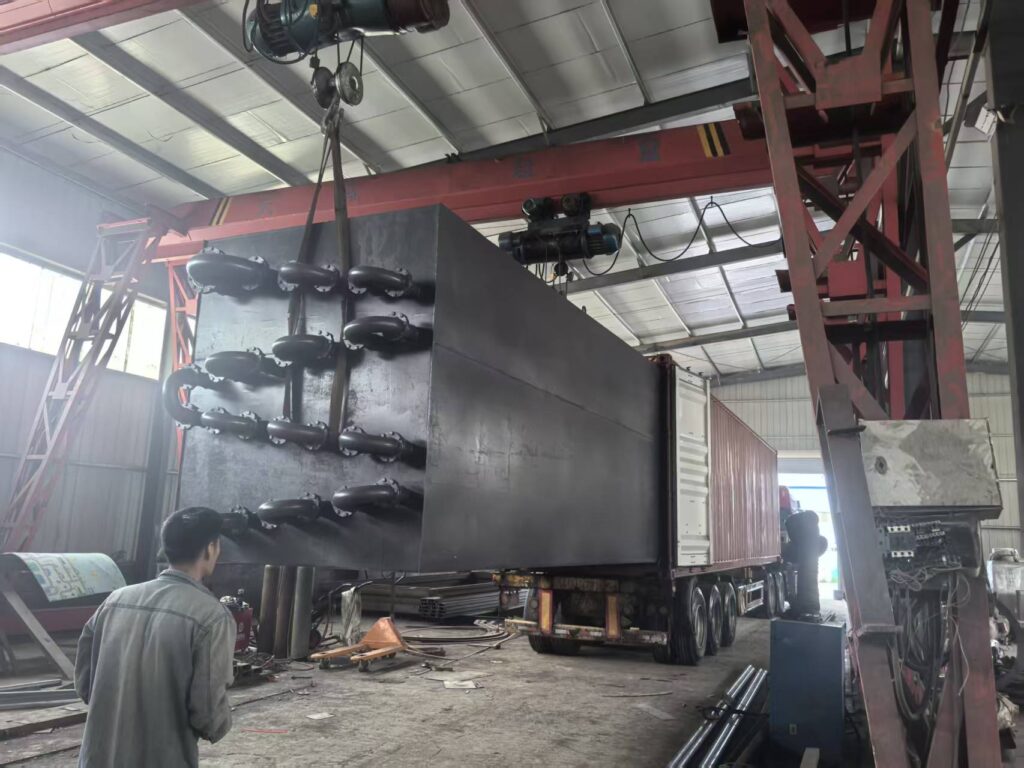
A Project Involving Two Waste Plastic-To-Fuel Pyrolysis Units Delivered To Japan In June 2025

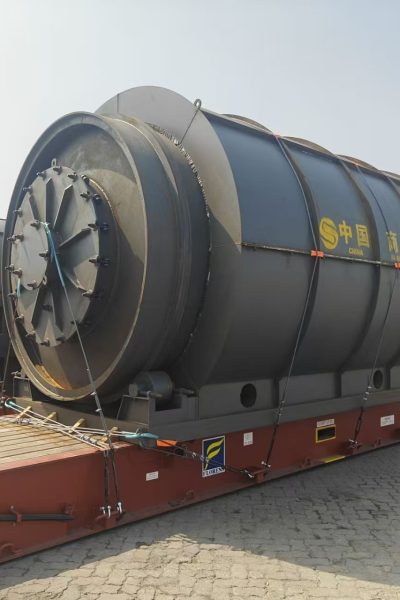
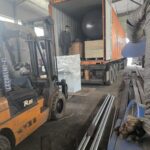
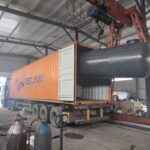
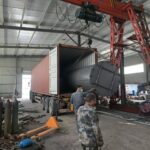
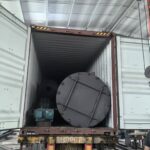
Two waste plastic pyrolysis plants in Japan, to be installed in June 2025-3

Introduction and Background Context

In recent years, Japan has intensified its commitment to a circular economy, implementing stringent regulations on industrial waste disposal and heavily incentivizing renewable energy initiatives. In early 2025, a prominent waste management and recycling facility based in Yokohama recognized an urgent need to upgrade its infrastructure. The facility was facing rising disposal costs for mixed industrial plastics and end-of-life tires, alongside a growing market demand for alternative industrial fuels.

To turn this waste management challenge into a profitable energy venture, the client sought a high-efficiency pyrolysis solution capable of converting these stubborn waste streams into valuable fuel oil. After extensive consultations and custom engineering, our team successfully delivered and commissioned two state-of-the-art waste-to-fuel pyrolysis units to the Yokohama facility in June 2025.

The Professional Solution

To meet the Yokohama facility’s specific operational goals and Japan’s rigorous environmental standards, we designed a customized, high-yield pyrolysis system. The delivered solution consisted of two fully automated, 15-ton-per-day continuous pyrolysis plants, specifically engineered to process both industrial waste plastics and scrap tires.

Recognizing that space is at a premium in Japanese industrial zones, our engineering team optimized the spatial layout of the machinery. We implemented a vertical condensation system that reduced the overall footprint by 20% compared to traditional horizontal setups, without compromising cooling efficiency or oil yield.

A critical component of this tailored solution was the advanced emissions control system. Japan’s Air Pollution Control Act dictates strict limits on particulate matter and gas emissions. To ensure absolute compliance, we integrated a multi-stage flue gas purification system featuring desulfurization scrubbers, activated carbon adsorption, and a specialized ceramic filter to eliminate dioxins.

Furthermore, to maximize operational efficiency, the units were equipped with a smart PLC (Programmable Logic Controller) automation system. This allowed for continuous, 24-hour operation with minimal manual intervention. The system also featured an innovative syngas recycling loop; the non-condensable combustible gases generated during the plastic and tire pyrolysis processes were captured, purified, and redirected to heat the main reactor. This significantly reduced the external fuel consumption required to maintain the reaction temperatures, directly lowering the client’s daily operating expenses and ensuring a highly sustainable, self-supporting energy loop.

Project Evaluation, Metrics, and ROI

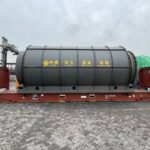
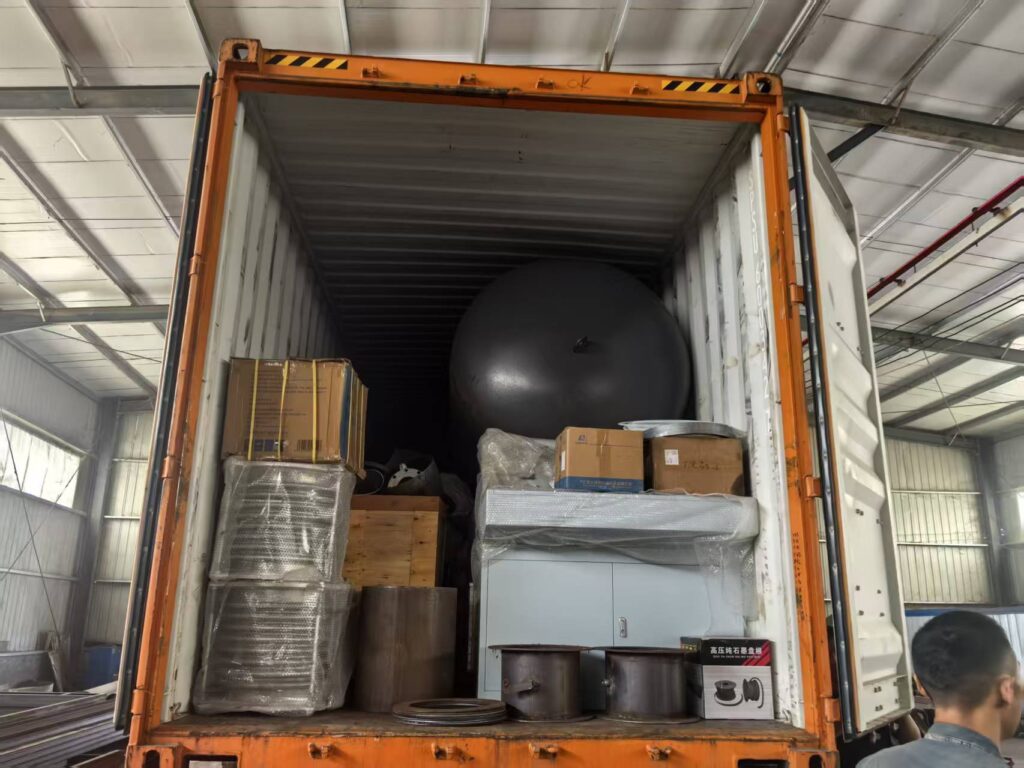
Two waste plastic pyrolysis plants in Japan, to be installed in June 2025-11
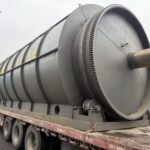
Two waste plastic pyrolysis plants in Japan, to be installed in June 2025-12
PyrolysisUnit ISO CE Approved

ISO CE Approved

The equipment quality has passed IAF, CNAS, ISO, CE certifications, Certified by international professional organizations, the equipment is safe and reliable.

PyrolysisUnit AAA Credit Audited Enterprise

AAA Credit Audited Enterprise

One of the top refining equipment manufacturers in China, The government Audited Superb as AAA credit company (top level).

PyrolysisUnit Solutions for Pyrolysis And Distillation

Solutions for Pyrolysis And Distillation

We will provide you with the latest industry solutions, and provide you with a one-year after-sales warranty to ensure stable operation of the equipment.

PyrolysisUnit 24-hour service

24-hour service

We have professional engineers to solve various problems for you, including equipment, process, material problems, etc.

PyrolysisUnit Professional R&D team

Professional R&D team

We have obtained a number of utility model patents, including distillation production equipment and pyrolysis module equipment.

PyrolysisUnit Fast Delivery

Fast Delivery

We have sufficient stock of pyrolysis and distillation equipment to ensure efficient logistics and fast delivery.

Following the successful commissioning in June 2025, the facility underwent a rigorous 90-day performance review. The dual-unit setup exceeded baseline expectations, demonstrating robust processing capabilities and high-quality output.

Key Performance Metrics:

  • Annual Waste Tire/Plastic Processing Capacity: 9,000 tons (Operating at 30 tons per day across two units for 300 working days a year).

  • Average Pyrolysis Oil Yield: 55% (Averaged across a mixed feed of PP/PE plastics and scrap tires).

  • Annual Fuel Output: 4,950 tons of high-calorific pyrolysis fuel oil.

Financial Evaluation & ROI Calculation: The project was structured to deliver a rapid return on investment through the sale of pyrolysis oil to local cement and steel factories, alongside the sale of by-products like carbon black and steel wire.

  • Total Investment Cost: $1,400,000 (Includes two pyrolysis units, custom scrubbers, shipping to Japan, and installation/commissioning).

  • Estimated Annual Revenue:

    • Pyrolysis Oil: 4,950 tons @ $450/ton = $2,227,500

    • Carbon Black: 3,000 tons @ $100/ton = $300,000

    • Steel Wire (from tires): 600 tons @ $200/ton = $120,000

    • Total Gross Revenue: $2,647,500

  • Estimated Annual Operating Costs: $750,000 (Includes labor, electricity, maintenance, and plant overhead).

  • Net Annual Profit: $1,897,500 ($2,647,500 Revenue – $750,000 Operating Costs).

Return on Investment (ROI): Calculated as (Net Annual Profit / Total Investment Cost) * 100, the projected ROI is 135.5%. This dynamic profitability indicates a payback period of approximately 9 to 10 months, an exceptionally strong financial outcome for heavy industrial machinery.

Other Cases

Conclusion

The delivery of the two pyrolysis units to Yokohama in June 2025 stands as a benchmark for modern waste-to-energy projects. By providing a solution that was meticulously tailored to local space constraints and environmental regulations, we enabled the client to transform a costly waste disposal problem into a highly lucrative revenue stream. The project not only demonstrates outstanding financial returns but also actively supports Japan’s national goals of reducing landfill reliance and promoting the circular economy through sustainable, alternative fuels.

Scroll to Top