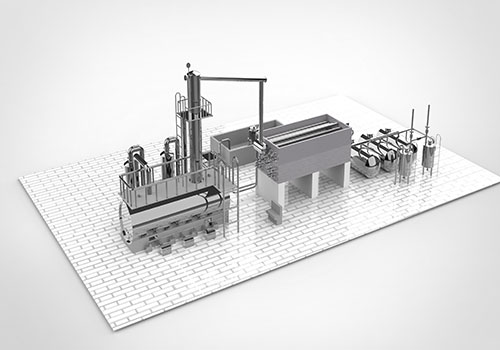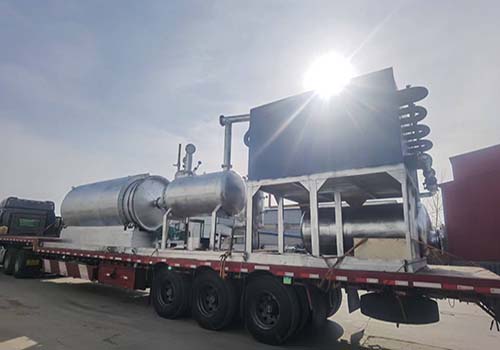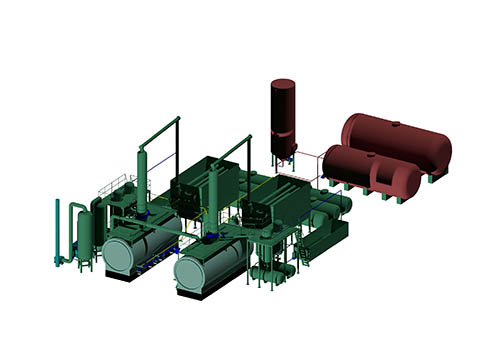

The equipment is highly automated and easy to operate. Generally, only two operators with minimal training are required to start, monitor, and shut down a single unit. Intelligent fault diagnosis monitors operating status in real time, reducing the need for manual inspections.
Waste Oil Distillation Plant | 3–30 TPD Waste Oil Distillation Systems
-
Waste Oil Distillation Plants are designed to convert hazardous waste oils
(such as used engine oil, lubricants, pyrolysis oil, and waste crude oil)
into reusable diesel, fuel oil, or base oil. -
Our systems cover processing capacities from 3 to 30 tons per day,
featuring closed-loop distillation, high oil recovery (80–90%),
and advanced emission control with over 98% gas purification efficiency. -
These plants are widely used in waste oil recycling, tire pyrolysis,
petrochemical sludge treatment, marine waste oil recovery,
and industrial self-supply fuel production.
China Waste Oil Distillation Plant Manufacturer & Supplier
We are a professional manufacturer of waste oil distillation equipment, specializing in manufacturing distillation plants that convert waste oil into high-value fuels. Our equipment covers a daily processing capacity of 1-20 tons, and can be customized according to your specific needs. All our products are CE and ISO certified, eligible for global export and compliant operation in various markets.


Pyrolysisunit Waste oil Distillation Plant List
2-3TPD Small Distillation Machine
The small-scale waste engine oil and crude oil distillation machine is characterized by being installation-free and can be put into use directly upon arrival at the site.
Parameter
- Power:15kw
- Specification:1200*4000*12mm
- Application:Pyrolysis oil, waste diesel/engine oil, waste oil residue
5TDP Distillation Machine
This installation-free distillation equipment enables customers to complete the distillation of 5 tons of waste oil within 24 hours, and can be put into operation directly upon on-site delivery.
Parameter
- Power:20kw
- Specification:1400*5000*12mm
- Application:Pyrolysis oil, waste diesel/engine oil, waste oil residue
10TDP Distillation Machine
This equipment is ideal for procurement by medium-sized enterprises, with a daily processing capacity of 10 tons of waste engine oil for distillation.
Parameter
- Power:20kw
- Specification:2400*6600*16mm
- Application:Pyrolysis oil, waste diesel/engine oil, waste oil residue
15-20TDP Distillation Machine
This equipment is suitable for large enterprises and waste oil distillation plants, with a daily waste oil distillation capacity of 10–20 tons.
Parameter
- Power:50kw
- Specification:2800*7700*18mm
- Application:Pyrolysis oil, waste diesel/engine oil, waste oil residue
Applicable Industries of Waste Oil Distillation Plant
Waste Oil Distillation Plants are widely applied across multiple industries where large volumes of waste oil are generated. By converting hazardous waste oils into reusable diesel, fuel oil, or base oil, these systems help enterprises reduce disposal costs, meet environmental regulations, and create additional revenue streams.
Automobile Repair & Waste Oil Recycling Industry
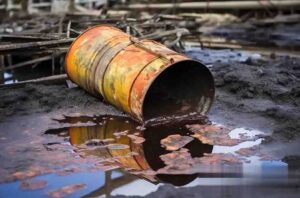
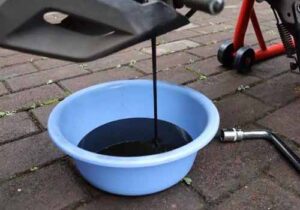
Automobile repair shops, service stations, and waste oil recycling companies generate significant quantities of used engine oil, lube oil , and hydraulic oil during routine maintenance and servicing. If not properly treated, these waste oils pose serious risks to soil and water due to heavy metals and toxic compounds.
A Waste Oil Distillation Plant enables these enterprises to recycle used lubricating oil into reusable diesel or base oil, greatly reducing hazardous waste disposal costs. At the same time, it helps recycling companies increase profit margins by upgrading low-value waste oil into marketable fuel products. For regions with strict environmental regulations, distillation plants also support compliance with waste oil management policies while improving operational sustainability.

Tire Pyrolysis & Waste Plastic Processing Enterprises
Tire pyrolysis and waste plastic processing facilities typically produce crude pyrolysis oil as a by-product. While this oil contains high energy value, its instability and impurity content limit direct industrial use.
By integrating a Waste Oil Distillation Plant, these enterprises can further refine crude pyrolysis oil into higher-grade diesel or fuel oil. This not only improves product quality and market acceptance but also significantly increases selling prices per ton. Distillation units help pyrolysis operators extend their value chain, reduce emissions during fuel usage, and transform waste-to-oil projects into waste-to-premium-fuel businesses with higher overall profitability.
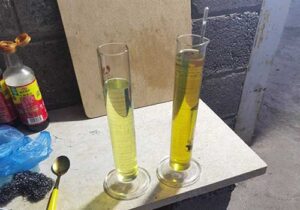
Petrochemical Industry (Waste Crude Oil & Oil Sludge Treatment)
In petrochemical operations, waste crude oil, tank bottom sludge, and oily residues are generated during extraction, storage, and transportation. Traditional disposal methods are costly and environmentally risky.
Waste Oil Distillation Plants provide an efficient solution by recovering usable fuel fractions from waste crude oil and sludge. This reduces the volume of hazardous waste requiring special treatment while allowing petrochemical companies to reuse or resell recovered fuels. By integrating distillation systems into existing workflows, enterprises can improve resource utilization, reduce environmental liabilities, and turn waste management into a value-generating process aligned with circular economy goals.
Shipping & Port Industry (Marine Waste Oil Recovery)
Ships and port facilities generate waste engine oil, bilge oil, and oily sludge during daily operations and maintenance. Improper handling can lead to marine pollution and regulatory penalties.
A Waste Oil Distillation Plant allows ports and shipping companies to refine marine waste oil into reusable diesel or fuel oil for internal use or resale. This supports compliance with international maritime environmental standards, lowers hazardous waste disposal costs, and improves port sustainability. For large ports and shipyards, on-site waste oil distillation also enhances energy efficiency and reduces dependence on external fuel suppliers.

Agricultural & Construction Machinery Operations
Agricultural and construction sectors rely heavily on diesel-powered equipment, generating used lubricants and engine oil during long operating cycles. Fuel costs and waste oil disposal are both major operational concerns.
By installing a Waste Oil Distillation Plant, farms and construction companies can recycle their own waste oil into usable diesel fuel. This reduces fuel procurement costs, improves energy independence—especially in remote areas—and maximizes the value of waste resources. At the same time, proper waste oil recycling supports sustainable practices and helps enterprises meet local environmental requirements.
How to Choose the Right Waste Oil Distillation Plant
Table of Contents
Choosing the right waste oil distillation plant requires aligning equipment performance with your actual needs, including processing scale, raw material characteristics, and operational conditions. Based on professional equipment data and industry experience, the following key factors will guide you to make an informed decision:
Part 1: Determine Capacity Based on Daily Waste Oil Volume
The core of plant selection is matching the 24-hour processing capacity to your daily waste oil output, ensuring efficient operation without resource waste or insufficient processing capability:
- 2–3 T/D (Model: CSHB-2): Ideal for small-scale users (e.g., local waste oil collectors, small workshops) with limited daily waste oil (≤3 tons). It covers a small area (22m×7m×8m) and requires only 2–3 workers per shift, with low initial investment and operating costs.
- 5 T/D (Model: CSHB-5): Suitable for medium-sized enterprises or waste oil recycling stations with daily output of 3–5 tons. It balances efficiency and cost, with a main furnace volume of 7.69m³ and stable oil yield, meeting the needs of continuous small-batch production.
- 10 T/D (Model: CSHB-10): Designed for large-scale recycling plants or industrial enterprises generating 5–10 tons of waste oil daily. Featuring a thickened 16mm Q345R reactor and 60㎡ cooling area, it ensures high-volume, long-term stable operation with an annual operating time of up to 7920 hours.
- 15–20 T/D (Model: CSHB-15): Perfect for large waste oil distillation factories or industrial clusters with daily output exceeding 10 tons. Equipped with a 47.3m³ large-capacity reactor and raw material preheating system, it achieves economies of scale and high energy efficiency.
Part 2: Match Equipment to Raw Material Characteristics
Waste oil distillation plants must adapt to the properties of your raw materials to ensure high oil yield and product quality:
- Raw Material Compatibility: All models handle common waste oils, including waste engine oil, tank bottom cleaning residue, landing oil sludge, and oil sand. No need for fine removal of sediment or moisture—raw materials can be directly pumped into the reactor, simplifying pre-treatment.
- Key Performance Focus: If processing high-impurity waste oil (e.g., oil sludge with high solid content), prioritize models with wear-resistant reactor materials (Q345R steel) and convenient slag discharge ports (equipped with easy-clean access in all models). For high-moisture raw materials, the water-cooled condensation system (cooling area 30–80㎡) ensures effective moisture separation and high condensation efficiency (≥95%).
Part 3: Evaluate Core Technical Indicators
Technical parameters directly affect operational efficiency, safety, and long-term stability—focus on these critical indicators:
- Oil Yield: All our models achieve a stable oil yield of 80%, converting waste oil into non-standard diesel with good market value. Avoid equipment with unstable yield (fluctuation >±5%) to ensure investment returns.
- Energy Efficiency: The integrated heating method (combining direct and indirect heating) saves 20% fuel compared to traditional equipment. Non-condensable gas is recycled as fuel, reducing external energy consumption by 30–40%—a key factor in lowering long-term operating costs.
- Safety Configuration: Prioritize plants with complete safety systems, including overpressure voice-control alarms, water-sealed tanks, flame arresters, and sealed feeding/discharging devices. All models meet noise standards (≤85 dB(A)) and feature explosion-proof oil pumps, ensuring safe operation in industrial environments.
- Durability: Reactor thickness ranges from 12mm (2–5 T/D models) to 18mm (15–20 T/D model), with Q345R high-strength steel that resists high temperature and corrosion. The reactor’s service life is extended significantly, reducing maintenance and replacement costs.
Part 4: Consider Operational & Site Requirements
Practical factors such as labor, space, and installation should not be overlooked, as they impact daily operational smoothness:
- Labor Demand: All models require only 2–3 workers per shift (3 shifts/day), thanks to automatic oil pump feeding and simplified operations. This reduces labor costs compared to complex equipment requiring 5–8 workers per shift.
- Space Requirements: All standard models share the same space specification (22m×7m×8m for the main plant), with additional space (10m×20m) needed for the integrated flue gas treatment system. Ensure your site meets these dimensions or consult for customized layout design.
- Installation & Commissioning: Choose manufacturers offering professional on-site support. We provide 30 days of on-site technical guidance (installation, commissioning, training) with a labor cost of RMB 1000/day (excluding travel and accommodation). The equipment is delivered within 30 days after deposit receipt, ensuring quick project launch.
Part 5: Verify After-Sales Support & Compliance
Reliable after-sales service and compliance with environmental standards are essential for long-term operation:
- Warranty & Maintenance: Our equipment comes with a 1-year warranty (excluding wear parts and human factors). For quality issues, we offer priority video guidance, door-to-door spare part delivery (by air/sea), and on-site troubleshooting if needed—all costs covered by the manufacturer.
- Environmental Compliance: The integrated flue gas treatment system (desulfurization and dust removal tower + activated carbon adsorption) ensures emissions meet global standards (particulate matter ≤10mg/m³, VOCs ≤20mg/m³). All models are designed to comply with local environmental regulations, avoiding shutdown risks due to non-compliance.
- Manufacturer Credibility: Select manufacturers with independent R&D capabilities and project experience. We specialize in waste oil, oil sludge, and waste rubber pyrolysis technology, with 500+ installed projects worldwide. We provide customized solutions and full-cycle technical support, from pre-sales feasibility analysis to after-sales upgrades.
Final Selection Checklist
Before purchasing, confirm the following to ensure the plant fits your needs:
- Daily waste oil volume and target operating hours.
- Raw material types (e.g., waste engine oil, oil sludge) and impurity content.
- On-site space and utility supply (power: 10–15KW, water: ≤100m³/hour, recyclable).
- Local environmental emission standards and approval requirements.
- Budget for initial investment, operating costs, and expected return on investment.
By systematically evaluating these factors, you can select a waste oil distillation plant that balances efficiency, cost, and compliance—turning hazardous waste oil into profitable resources while contributing to environmental sustainability.
Part 6: FAQ About Waste Oil Distillation Plant
What waste oils can the distillation equipment process?
It can process pyrolysis oil, used oil, waste engine oil, waste diesel, waste cooking oil, waste hydraulic oil, and various types of waste lube oil.
What is the quality of the finished oil?
The finished oil is of excellent quality. For example, diesel fuel meets national fuel oil standards for low sulfur and low aromatics, making it suitable for use in industrial boilers, diesel generators, and other equipment. The base oil can be used as a raw material for lubricant production and meets the quality requirements of industrial base oils.
Is the equipment complex to operate?
How are waste gas and waste residue handled?
The waste gas purification system uses catalytic combustion and activated carbon adsorption to remove over 98% of harmful substances, meeting national environmental standards. Waste residue (such as asphalt) is solidified to meet environmental regulations and can be safely landfilled or recycled, achieving zero pollution.
How long does it take to recoup the investment?
The investment cost depends on the equipment's processing capacity and configuration. For example, based on current market prices for refined oil products and operating costs, a 10-ton daily processing capacity typically pays off within 1-2 years, assuming sufficient raw materials and normal sales.
What are the differences between different types of waste oil distillation equipment?
We offer two types of distillation equipment: basic distillation equipment and rectification equipment. Rectification equipment is an upgraded version of distillation, featuring a more advanced control system and finer oil and gas separation. The resulting finished oil is of higher quality, but also comes at a higher price.
What is the service life? How often and how much does maintenance cost?
Under normal use, the main equipment lifespan can reach 10-15 years. Routine maintenance primarily involves regular inspections of vulnerable parts (such as catalysts, activated carbon, seals, etc.). Routine inspections are typically performed monthly, with in-depth maintenance performed every six months. Maintenance costs account for 3%-5% of the equipment investment per year.
What are common equipment failures? How are they resolved?
The equipment is optimized for high operational stability and a low probability of failure. Common failures include distillation column blockage (which can be resolved through regular cleaning), heating system failure (promptly check heating elements and thermal oil), and condensing system leaks (repair or replace seals). The equipment's intelligent diagnostic system will indicate the cause of the failure, and most issues can be quickly resolved by professional maintenance personnel.