

Daily Processing Capacity 1–5 t Plastic Pyrolysis Machine
Capable of processing 3–5 tons of waste tires, plastics, and oil sludge within 24 hours through pyrolysis, achieving an oil yield of 40%–75% and turning waste into valuable resources through recycling.

Daily Processing Capacity 10–15 t Plastic Pyrolysis Machine
Batch Pyrolysis Plant can process 10–15 tons of waste (such as tires, plastics, and oil sludge) per day, and its annual profit is 10 times that of a small pyrolysis machine. It is suitable for small to medium-sized recycling plants, customers with stable and centralized raw material sources, as well as government environmental protection projects.

Daily Processing Capacity 10–30 t Plastic Pyrolysis Machine
Operating under slight negative pressure, the main reactor rotates at 0.8–1.0 rpm, driven by a 7.5 kW motor for consistent heating and smooth feeding/discharging. It uses water cooling and a gear ring drive for improved durability and transmission stability. Noise
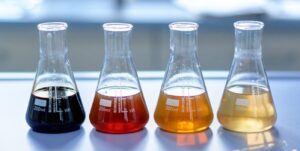
- Fuel Oil (Yield: 40–80%): As the primary high-value product, it has excellent combustion performance and can directly replace diesel, furnace oil and boiler fuel. It is widely used in industrial boilers, thermal power generators, heavy machinery and other equipment. Its stable supply and cost advantage (lower than traditional fossil fuels) can effectively reduce the energy expenditure of enterprises.
- Syngas (Yield: 10–20%): The by-product is mainly composed of combustible gases such as hydrogen and methane. It is fully recycled to heat the pyrolysis reactor, which significantly reduces the demand for external energy sources (such as natural gas and coal) and lowers the daily operating costs of the plant. The closed-loop energy utilization model further enhances the economic benefits of the project.
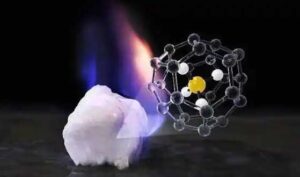
- Pyrolysis Char (Yield: 10–15%): It has good reinforcing and coloring properties, and is widely used in rubber production (as a reinforcing filler for tires and rubber products), asphalt modification (improving road performance), and pigment manufacturing. It can also be used as an industrial filler, with a stable market demand and providing an additional revenue stream for pyrolysis projects.

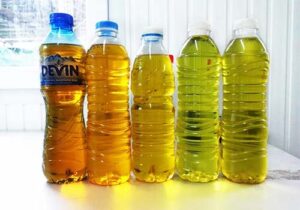
Plastic pyrolysis oil is not directly usable as automotive diesel due to differences in key properties (e.g., viscosity, cetane number, sulfur content) that do not meet the strict standards for vehicle engine fuels. However, it is a high-value industrial fuel with clear practical applications, and can be upgraded to diesel fractions through further processing.
Direct Applications of Plastic Pyrolysis Oil: Without additional refining, it is fully compatible with industrial combustion equipment, serving as a cost-effective alternative to traditional fuels:
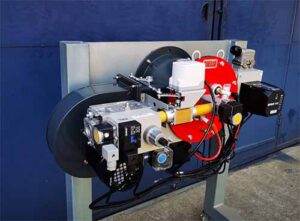
- Industrial burners: Widely used in manufacturing processes requiring thermal energy (e.g., metal processing, chemical production), with stable combustion and high heat value.
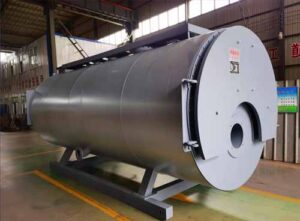
- Boilers: Suitable for industrial boilers and heating systems in factories, commercial buildings, or power plants, reducing reliance on furnace oil and lowering energy costs.
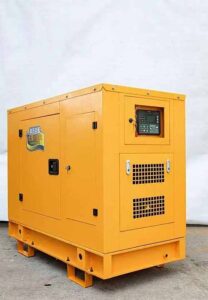
- Generators: Can power industrial generators to meet on-site electricity needs, especially valuable for off-grid or backup power scenarios in waste management facilities or industrial parks.
Upgrading to Diesel Fraction: Through a distillation and refining process (e.g., hydrotreating, dewaxing), plastic pyrolysis oil can be converted into diesel fractions that meet industrial or even automotive fuel standards. This upgraded diesel fraction can be used directly in diesel engines or blended with conventional diesel, further enhancing the commercial value of the pyrolysis product.
0) Feedstock Strategy & Applicable Scope
Suitable Plastics: Primarily PE, PP, PS (typically delivering higher and more stable oil yields).
Unsuitable: PVC, PET (Reasons: PVC produces acidic gases; PET has low oil yield and poor oil quality).
Daily Processing Capacity: 1–35 t/day depending on production line configuration.
Target Oil Yield: 30%–70% (determined by plastic mix ratio, temperature control, and condensation strategy).
1) Feedstock Pre-treatment
Sorting: Remove PVC, PET, as well as metals, glass, stones, and other contaminants.
Size Reduction: Compress or shred blocky or film materials into particles or briquettes suitable for stable feeding.
Uniform Blending: Maintain a consistent formula (e.g., PE/PP ratio) to stabilize oil yield and quality.
2) Feeding & Sealing
Small/Batch/Semi-Continuous: Hopper → Sealed feeding port (or screw conveyor) → Reactor; check gaskets and fasteners.
Continuous: Feeding silo → Variable frequency screw/pressurized feeding → Airlock device → Continuous reactor.
Key Checks: Door seals, valve positions, return pipelines, cooling water circulation, burner interlocks.
3) Heating & Pyrolysis (Oxygen-Free / Oxygen-Deficient)
Atmosphere: Maintain oxygen-free/low-oxygen conditions, recommended slight negative pressure to prevent flashback or leakage.
Heating Strategy: Gradual multi-stage heating to avoid rapid thermal shock that causes coking/wax blockages.
Preheat Zone: Remove residual moisture and light volatiles.
Main Pyrolysis Zone: Operate in the ~300–500 °C range (optimum varies by feedstock):
~400–450 °C: Favors higher condensable oil gas yield (boosting the upper end of the 30%–70% target).
~300–380 °C: Produces more heavy waxes/heavy oil.
Agitation/Rotation: Improves heat transfer uniformity and reduces coking risk.
Key Process Values: Furnace temperature, reactor slight negative pressure, oil-gas mainline temperature/pressure, reflux valve position, combustible gas flow.
4) Primary Gas–Solid Separation
Cyclone or wire mesh demister at reactor outlet to capture dust/char powder, protecting downstream condensers and pumps.
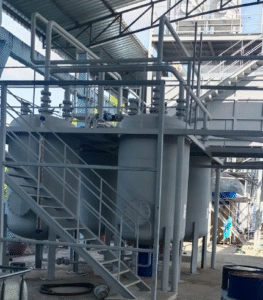
5) Multi-Stage Condensation & Fractional Oil Recovery
First Stage (High Temperature): Capture heavy oil/wax; controlled reflux to reactor if further cracking is needed.
Second/Third Stage (Medium–Low Temp): Recover light/middle pyrolysis oil.
Oil–Water Separation: Gravity separation tank; drain water regularly to stabilize final product oil.
Finished Product Storage: Fractional tanks or storage tanks by grade for downstream use matching.
6) Non-Condensable Gas Recovery & Utilization
Purification/buffer unit (gas–liquid separation, basic dust/char mist removal).
Reuse as heating fuel for furnace, prioritizing self-sufficiency; excess is sent to a separate burner/flare for safe disposal.
Goal: Minimize external fuel use while ensuring stable and safe flame.
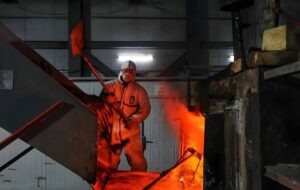
7) Solid Residue Discharge & Handling
Mainly carbon residue and minor char powder (compared to tire pyrolysis, lower solids, no steel wire).
Batch/Semi-Continuous: Cool to safe temperature, then discharge via sealed outlet or screw conveyor.
Continuous: Bottom continuous discharge via enclosed conveying.
Post-Treatment: Screening, pelletizing, or reuse as industrial fuel/filler as required.
8) Tail Gas & Odor Control
Maintain fully sealed system + slight negative pressure.
Combustion tail gas is treated (dust removal/adsorption) before compliant discharge; activated carbon adsorption at condensation area if needed for odor reduction.
With PVC/PET excluded, acidic gas load is significantly reduced.
9) Online Quality Control & Process Adjustment
Oil: Appearance, density, water content, viscosity, initial/final boiling point (to fine-tune condensation temperature zones and reflux ratio).
Non-Condensable Gas: Flow rate and stable flame observation for adjusting heat input and auxiliary fuel use.
Energy/Output Dashboard: Track per-shift/daily oil yield (against 30%–70% target) and external fuel percentage.
10) Operating Modes – Key Points
Small Pyrolysis Units: Compact footprint, flexible start/stop, ideal for trials/training/distributed recycling.
Batch Pyrolysis: Batch feeding/discharge, clear process, suitable for multi-type switching.
Semi-Continuous: Reduced start-stop loss, smoother oil output, balanced investment vs. efficiency.
Continuous Pyrolysis: Continuous feed and oil-gas production; capacity up to 1–35 t/day, better for maintaining high, stable oil yields near the 30%–70% range.
11) Safety & Interlock (Core Checklist)
Over-Temperature/Over-Pressure: Automatic fire reduction/shut-off.
Oxygen Over-Limit: Interlocked furnace shutdown / combustible gas cut-off.
Cooling Water Failure: Divert oil-gas to safe combustion unit.
Flame Loss Detection: Activate backup burner or shut down.
Leak Detection: Gas-tight alarm + emergency shut-off valves.
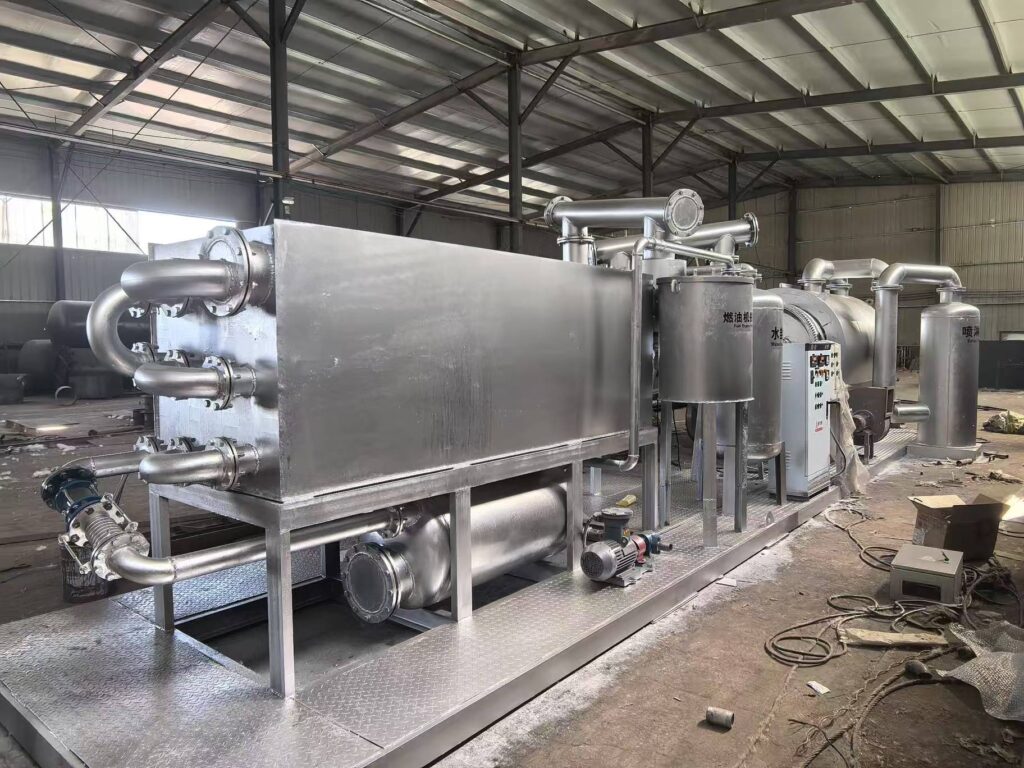
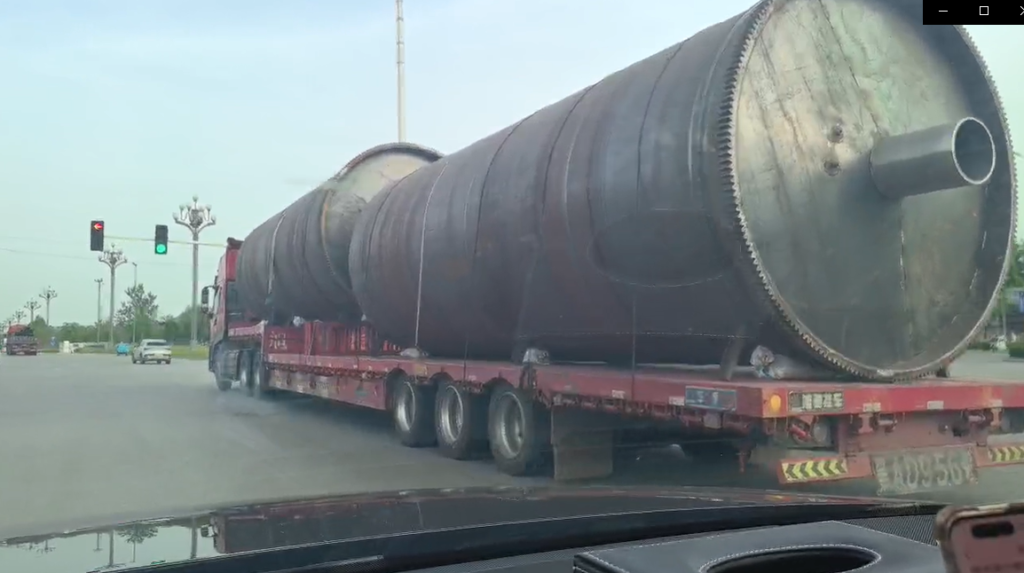
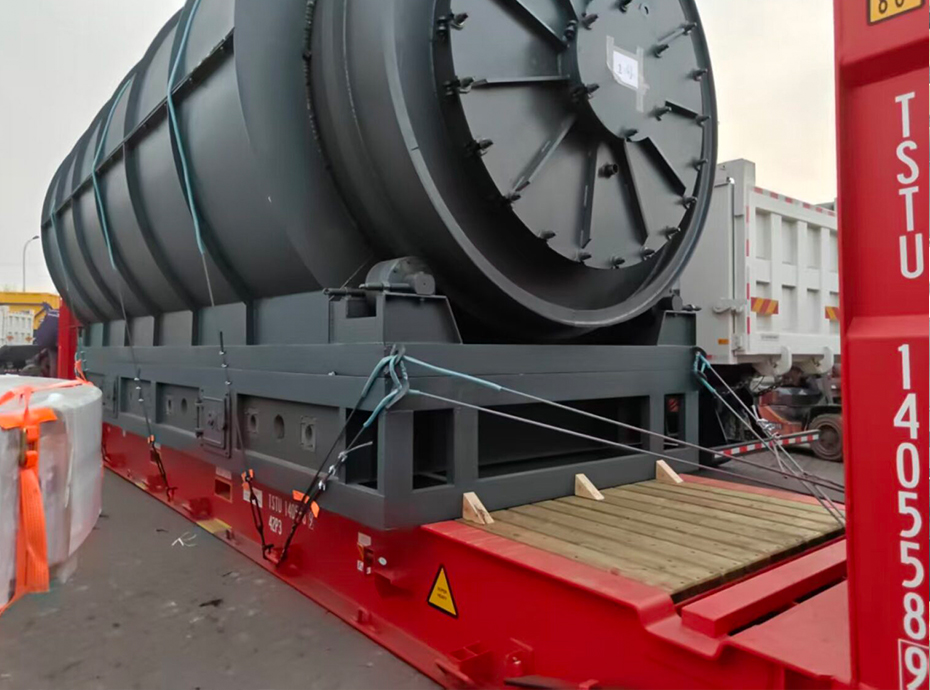
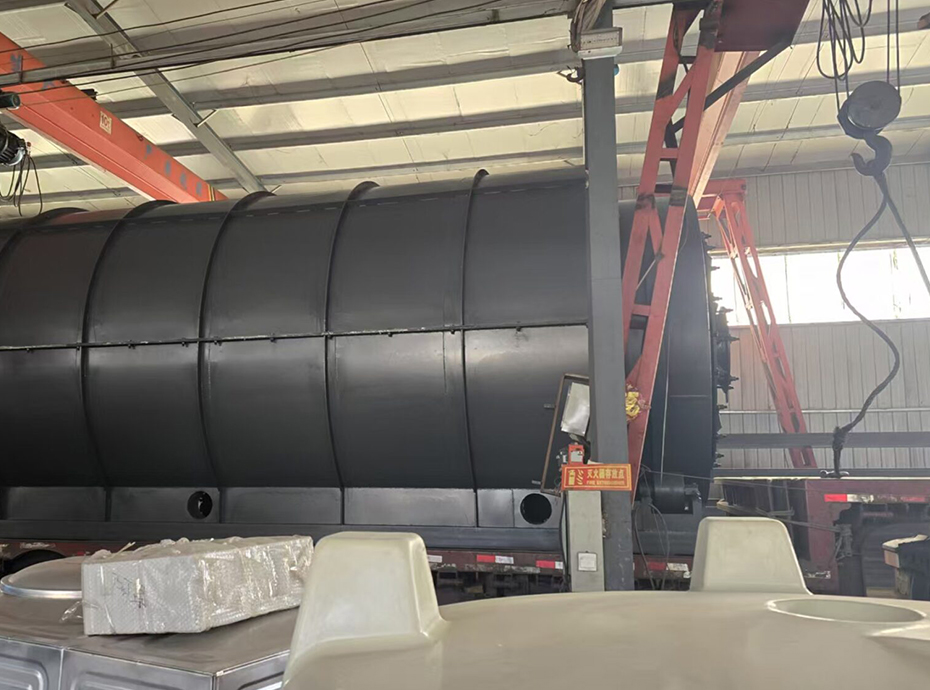
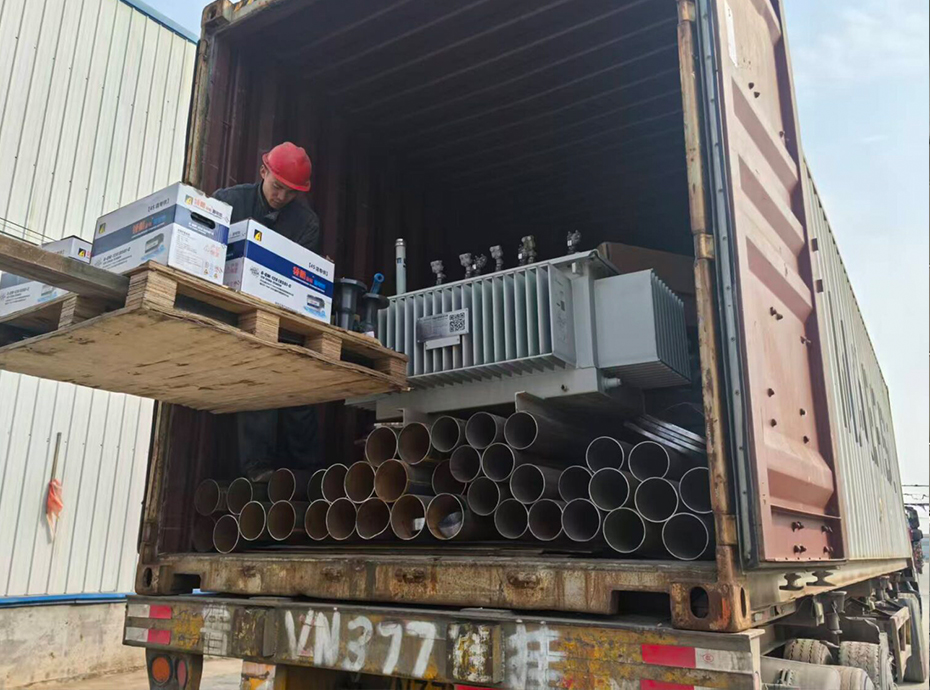
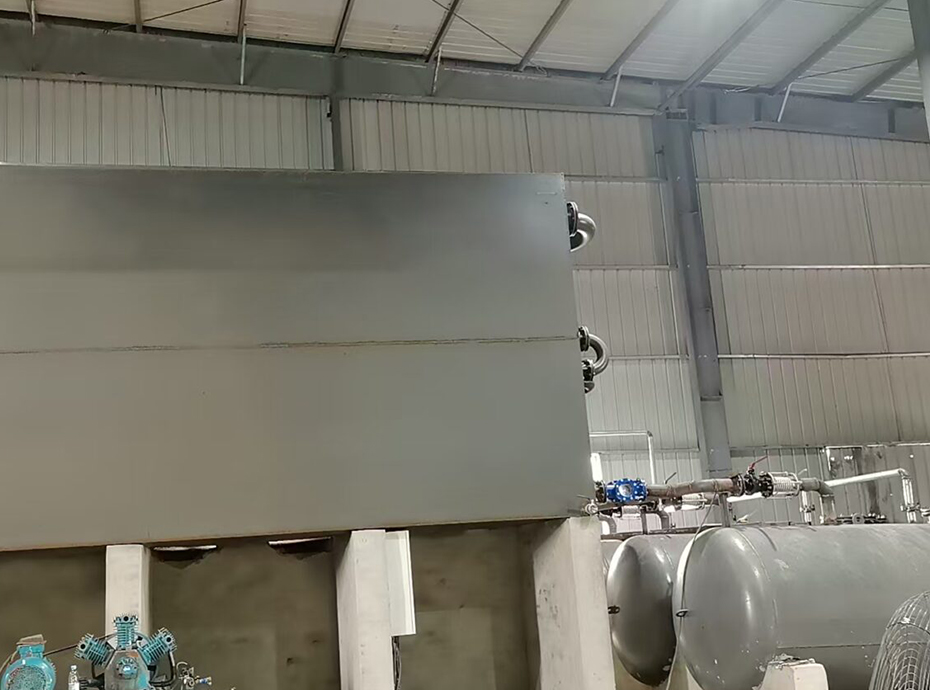
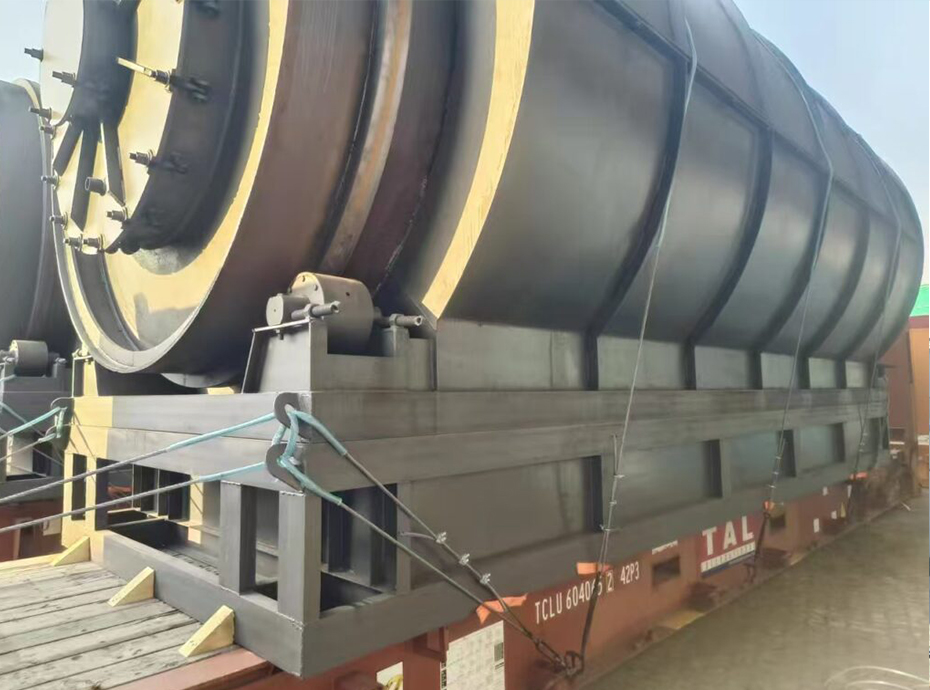
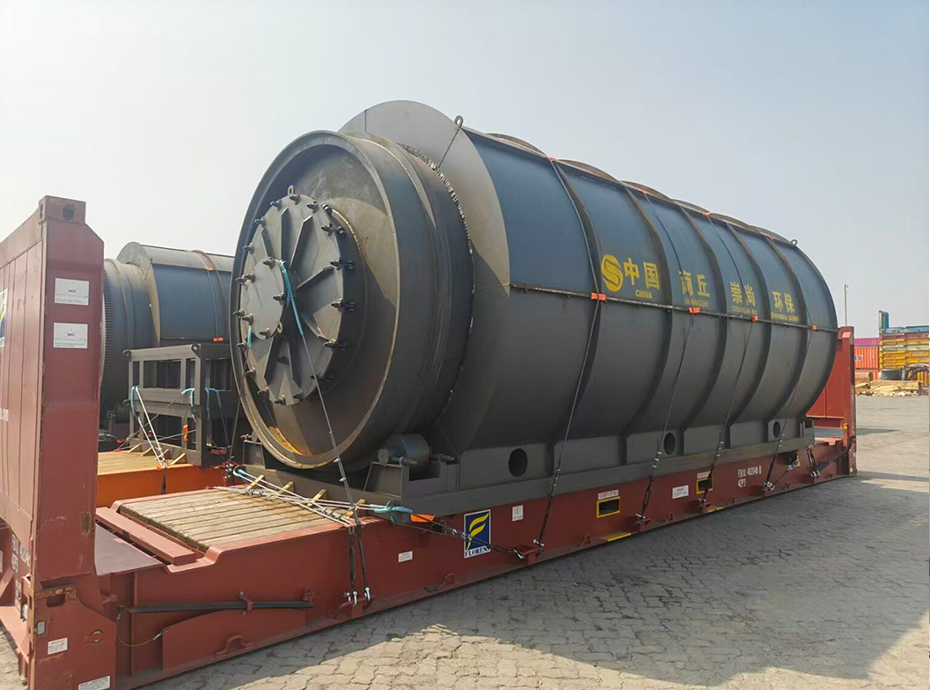
Plastic pyrolysis converts waste plastics into valuable fuels (pyrolysis oil), Pyrolysis Char, and syngas through oxygen-limited high-temperature cracking. Not all plastics are suitable for pyrolysis, and our equipment is engineered to optimize the conversion efficiency of compatible materials while ensuring stable operation. Here are the main types of pyrolyzable plastics and our technical adaptations:
- Polyolefins (Highly Recommended): Including polyethylene (PE, e.g., plastic bags, bottles, film), polypropylene (PP, e.g., plastic buckets, caps, automotive parts). These are the most ideal raw materials, with high oil yield (70-85%) and low impurity content. Our equipment is equipped with a customized feeding and sorting pre-treatment system to handle various forms of PE/PP waste (crushed or whole).
- Polystyrene (PS): Such as foam plastic, disposable lunch boxes, and packaging materials. PS has a high oil yield (60-75%) and can be processed directly with our equipment without additional modifications. We provide specialized temperature control programs for PS to avoid excessive carbonization.
- Mixed Plastics (With Limitations): Mixed plastics (excluding non-pyrolyzable types) can be processed by our equipment, but the oil yield will vary (50-65%) depending on the proportion of high-quality plastics. Our technical team will conduct raw material testing for you and customize the equipment’s cracking parameters to maximize output value.
- Non-Pyrolyzable Plastics (Strictly Prohibited): Plastics containing chlorine, fluorine, or other harmful elements, such as polyvinyl chloride (PVC), polyvinylidene chloride (PVDC), and plastic containing heavy metal additives. These will produce toxic gases (e.g., hydrogen chloride) during pyrolysis, damaging equipment and violating environmental regulations. We provide professional raw material identification training to help you avoid operational risks.
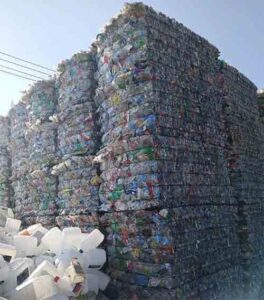
Oil yield and output are core concerns for investment returns, and they are determined by raw material quality, equipment technology, and operational parameters. As a manufacturer, we commit to transparent data and customized solutions to ensure your output meets expectations:
Key Factors Affecting Oil Yield
- Raw Material Purity: Pure PE/PP can reach an oil yield of 70-85%; mixed plastics with 50% PE/PP have an oil yield of 50-65%; contaminated plastics (with soil, water, or other impurities) will reduce the oil yield by 5-15%.
- Equipment Technology: Our patented multi-stage cracking technology and precise temperature control (380-450℃) ensure full cracking of plastics, increasing oil yield by 8-12% compared to ordinary equipment. The built-in oil-gas separation system also reduces oil loss during condensation.
- Raw Material Pretreatment: Drying (moisture content ≤10%) and crushing (particle size 2-5cm) of raw materials can improve oil yield. We provide matching pre-treatment equipment (dryers, crushers) to form a complete production line.
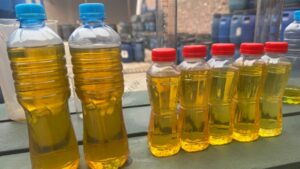
Output Expectation (Factory-Standard Equipment)
Equipment Type | Daily Raw Material Processing Capacity | Estimated Daily Oil Output (Pure PE/PP) | Suitable Project Scale |
Small Batch Unit | 5-10 tons | 3.5-8 tons | Startups, small-scale waste disposal stations |
Medium Semi-Continuous Unit | 10-30 tons | 7-25.5 tons | Medium-sized recycling enterprises, regional waste treatment projects |
Large Continuous Unit | 30-100 tons | 21-85 tons | Large-scale energy companies, industrial waste recycling parks |
Note: The above data is based on standard operating conditions. Our technical team will conduct on-site surveys and provide personalized output forecasts according to your local raw material conditions.
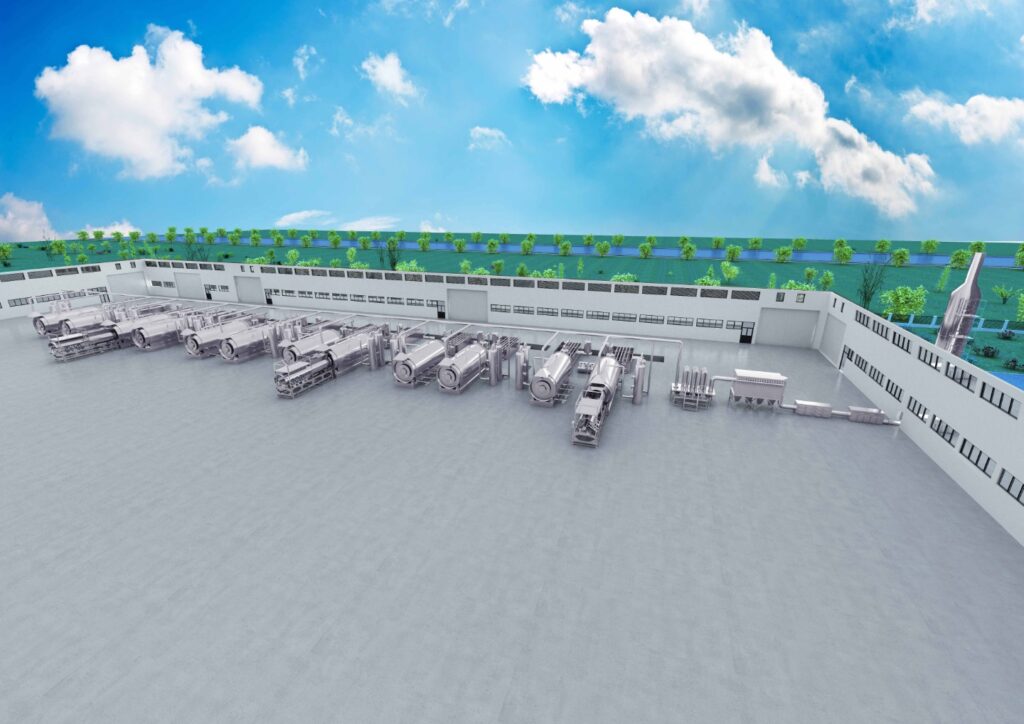
Choosing the right system type is critical to matching your project scale, raw material supply, and investment budget. We offer all three types of systems and provide professional selection guidance based on your actual needs. Here is a detailed comparison:
Comparison Dimension | Batch System | Semi-Continuous System | Continuous System | Our Recommendation |
Operation Mode | One-time feeding → cracking → discharging, cyclic operation | Continuous feeding, batch discharging | Fully automated continuous feeding, cracking, and discharging | – |
Daily Capacity | 2-10 tons | 10-30 tons | 30-100+ tons | – |
Investment Cost | Low (entry-level) | Medium | High (large-scale investment) | Startups: Batch; Growing enterprises: Semi-continuous; Large projects: Continuous |
Labor Requirement | 3-5 people/shift | 2-3 people/shift | 1-2 people/shift (fully automated) | We provide automated upgrade solutions for batch/semi-continuous systems |
Raw Material Adaptability | Strong (suitable for small batches of mixed plastics) | Medium (stable raw material supply required) | High (requires continuous and stable raw material supply) | Customize system parameters according to your raw material stability |
Energy Efficiency | Medium (heat loss during feeding/discharging) | High (reduced heat loss from continuous feeding) | Excellent (waste heat recycling, low energy consumption) | All systems are equipped with our patented waste heat recovery technology |
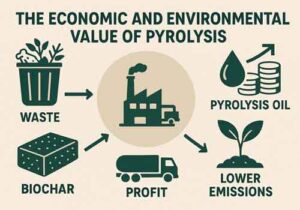
As a factory, we help you control costs from the source and maximize profits through professional technical support. The economic feasibility of plastic pyrolysis projects mainly depends on four core factors, and we provide full-cycle profit optimization services:
Core Cost Components (Factory-Direct Advantages)
- Equipment Cost: Factory direct sales, no middlemen markup. We provide flexible payment plans (installment payment, L/C) and customized equipment configurations to avoid over-investment.
- Raw Material Cost: The main cost driver (accounting for 40-60% of total costs). We help you identify local low-cost raw material channels (waste plastic recycling stations, industrial waste discharge enterprises) and provide raw material procurement standards.
- Operational Cost: Including energy, labor, and maintenance. Our equipment’s energy efficiency is 15-20% higher than industry average, and the simplified maintenance design reduces maintenance costs by 30%. We also provide free operator training to improve work efficiency.
Profit Sources & Optimization
- Main Product: Pyrolysis Oil: Can be sold as industrial fuel (for boilers, generators) or further refined into diesel (with additional refining equipment). Our technical team provides oil quality improvement solutions to increase the selling price of pyrolysis oil by 10-15%.
- By-Products: Pyrolysis Char & Syngas: Pyrolysis Char can be sold to rubber, pigment, or battery industries; syngas can be recycled as fuel for the pyrolysis furnace, reducing energy costs by 25-35%.
Typical Profit Forecast (Medium Semi-Continuous System, 20 Tons/Day Raw Material)
Assuming raw material cost: $150/ton; pyrolysis oil selling price: $600/ton; Pyrolysis Char selling price: $300/ton; daily operational cost: $2,000. Daily profit = (14 tons oil × $600 + 3 tons Pyrolysis Char × $300) – (20 tons raw material × $150 + $2,000) = $8,400 + $900 – $3,000 – $2,000 = $4,300. The payback period is usually 8-18 months (varies by region and raw material cost). We provide customized profit calculation reports based on your local market conditions.
Global environmental regulations are becoming increasingly strict, and compliance is a prerequisite for project sustainability. Our equipment is designed in accordance with international standards (EU ETS, US EPA, CE, ISO 14001) and is equipped with a full-set emission control system to ensure your project meets local environmental requirements:
Key Emission Control Technologies
- Flue Gas Treatment System: Three-stage purification (dry dust removal → wet scrubbing → activated carbon adsorption) to remove dust, sulfur dioxide, nitrogen oxides, and volatile organic compounds (VOCs). The emission concentration of particulate matter is ≤10 mg/m³, which is far below the global mainstream standards.
- Wastewater Treatment: The small amount of wastewater generated during the process is treated by a closed-loop system (coagulation → sedimentation → filtration) and reused for cooling, realizing zero wastewater discharge.
- Odor Control: Sealed production line + activated carbon deodorization device to eliminate odor pollution during feeding and discharging.
We provide local environmental compliance consulting services, helping you obtain relevant permits and pass environmental inspections. All our equipment comes with environmental protection test reports to ensure compliance and worry-free operation.