

15 Ton/Day Waste Tire Pyrolysis Plant Project in Malaysia A
Two Waste Tire To Fuel Pyrolysis Units In Ghana
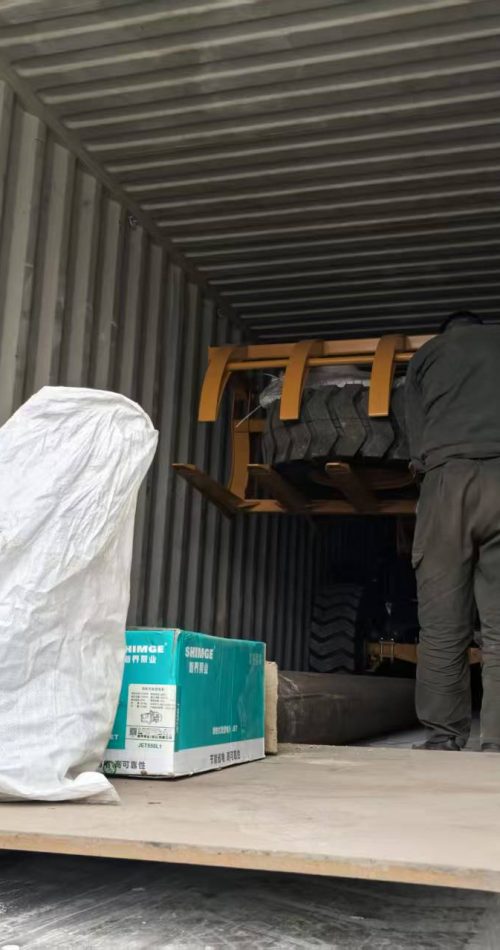
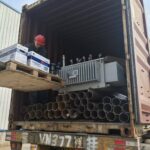
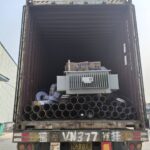
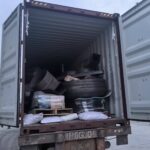
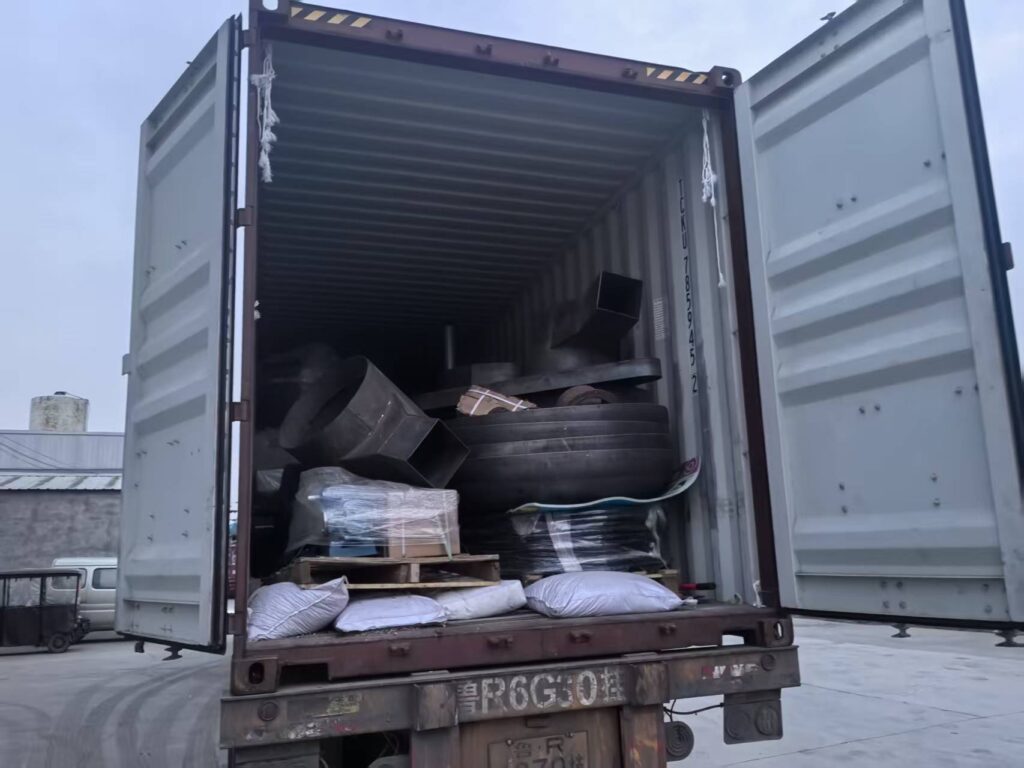
Detailing The Installation Of Two Waste Tire-To-Fuel Pyrolysis Units In Ghana, Africa, In January 2025.
Project Introduction & Background
Ghana faces a mounting waste tire crisis that has reached critical proportions. With an estimated 150,000 tonnes of waste tires generated annually and limited organized recycling infrastructure, the country has historically relied on open burning, informal dumping, and landfilling—practices that create severe environmental and public health hazards . The Greater Accra region alone produces thousands of tonnes of scrap tires monthly, with many accumulating at vehicle repair clusters in Abossey Okai, industrial areas in Tema, and informal dumpsites across the capital.
In late 2024, EcoFuel Ghana Ltd. (a consortium of local entrepreneurs and international sustainability investors) identified an opportunity to transform this waste stream into a valuable energy resource. The client sought a solution that would address three concurrent challenges: (1) the escalating cost of industrial fuel oil for their manufacturing operations, (2) the environmental liability of waste tire accumulation on their industrial property, and (3) the desire to participate in Ghana’s emerging circular economy under the amended Environmental Protection Act (2025), which introduced eco-levies on tires and producer responsibility obligations.
After conducting a comprehensive feasibility study, EcoFuel Ghana determined that installing two medium-scale pyrolysis units would provide optimal operational flexibility while meeting their energy independence goals. The project site was selected in the Tema industrial corridor, approximately 25 kilometers east of Accra, providing proximity to both waste tire suppliers and industrial fuel consumers.
Professional Solution Tailored for the Client
Equipment Configuration & Technical Specifications
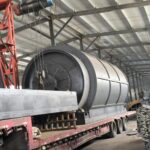
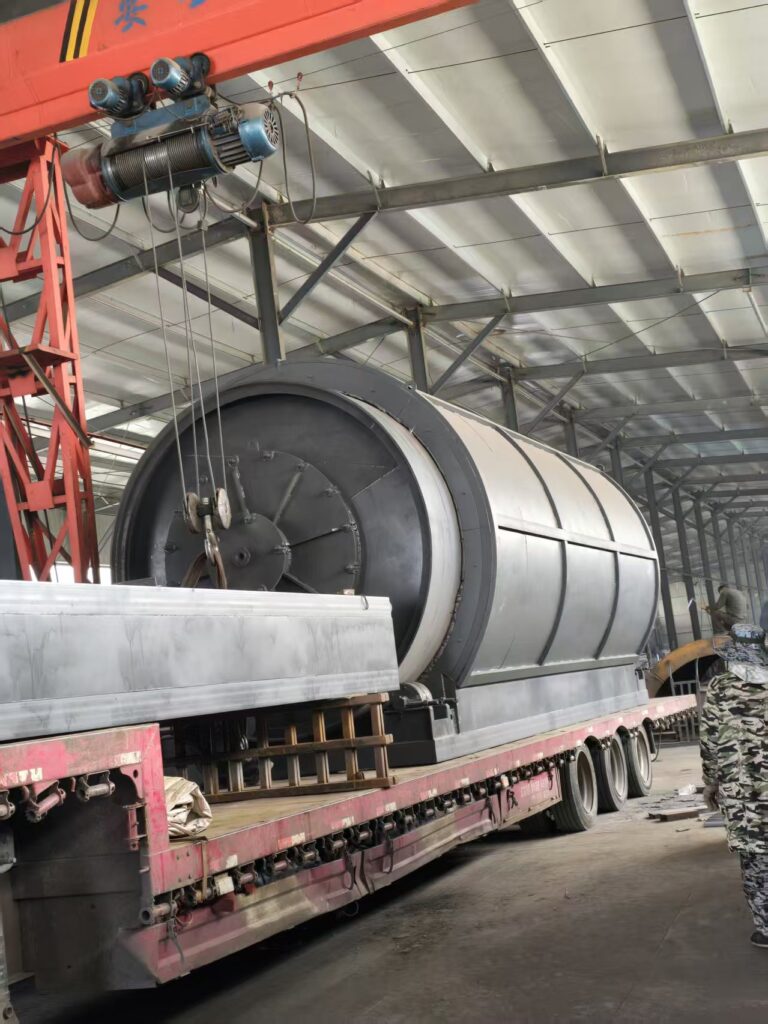
Based on the client’s specific requirements for operational redundancy and scalable production, we recommended the installation of two Model DY-1-10 batch pyrolysis units, each with a daily processing capacity of 10 tonnes of waste tires. This dual-unit configuration was strategically selected over a single continuous system to accommodate the irregular supply patterns of waste tires in the Ghanaian market and to ensure 90%+ operational uptime through maintenance rotation.
Each unit features a horizontal rotary reactor (D2600×L6600mm) constructed from Q345R boiler steel with a 16mm wall thickness, designed to withstand the thermal stresses of pyrolysis operations at 380–450°C. The system incorporates a seven-stage condensation unit with tube-and-shell heat exchangers, achieving superior oil gas cooling efficiency compared to standard four-stage systems, which directly translates to higher liquid fuel recovery rates.
Environmental Compliance & Safety Systems
Recognizing Ghana’s evolving regulatory landscape and the client’s commitment to responsible operations, the installation includes comprehensive environmental controls: a water film dust collector for flue gas treatment, desulfurization and deodorization systems for non-condensable gas purification, and a negative pressure safety device that maintains safe reactor conditions while maximizing oil recovery. The system is designed to recycle combustible syngas (approximately 10–15% of feedstock volume) back to the combustion chamber as supplemental fuel, significantly reducing external energy requirements and operational costs.
Feedstock Preprocessing & Supply Chain Integration
Given that Ghana’s waste tire stream includes a mix of passenger car tires, truck tires, and motorcycle tires—with varying oil yields of 40–50% for truck tires versus 25–35% for smaller tires—we implemented a sorting and preprocessing protocol. The client established collection partnerships with three major tire dealerships in Accra and Tema, securing a feedstock supply at an average cost of $30–40 per tonne. A dedicated tire shredding line was installed to process oversized tires and create uniform feedstock, improving reactor loading efficiency and oil yield consistency.
Local Capacity Building & Technical Training
The solution included a comprehensive three-week training program for eight Ghanaian technicians, covering reactor operation, safety protocols, product quality control, and routine maintenance. This knowledge transfer ensures sustainable local operation and reduces long-term dependency on foreign technical support—a critical factor for industrial projects in developing economies
Project Results

ISO CE Approved
The equipment quality has passed IAF, CNAS, ISO, CE certifications, Certified by international professional organizations, the equipment is safe and reliable.

AAA Credit Audited Enterprise
One of the top refining equipment manufacturers in China, The government Audited Superb as AAA credit company (top level).

Solutions for Pyrolysis And Distillation
We will provide you with the latest industry solutions, and provide you with a one-year after-sales warranty to ensure stable operation of the equipment.

24-hour service
We have professional engineers to solve various problems for you, including equipment, process, material problems, etc.

Professional R&D team
We have obtained a number of utility model patents, including distillation production equipment and pyrolysis module equipment.

Fast Delivery
We have sufficient stock of pyrolysis and distillation equipment to ensure efficient logistics and fast delivery.
Performance Metrics (First Quarter 2025 Operations)
| Metric | Value | Notes |
|---|---|---|
| Annual Waste Tire Processing Capacity | 6,000 tonnes | Based on 300 operational days (2 units × 10 tonnes/day) |
| Average Pyrolysis Oil Yield | 45% | Weight percentage of feedstock; 40–50% range depending on tire mix |
| Annual Fuel Oil Production | 2,700 tonnes | Equivalent to approximately 3,240,000 liters (density ~0.83 kg/L) |
| Carbon Black By-product | 1,800 tonnes/year | 30% yield; sold to local construction and rubber industries |
| Steel Wire Recovery | 600 tonnes/year | 10% yield; sold to scrap metal recyclers |
| Operational Uptime | 92% | Exceeds target due to dual-unit redundancy |
Financial Analysis & ROI Calculation
The economic evaluation follows standard project finance methodology for industrial recycling installations, with figures presented in USD for international comparability.
Capital Investment (CAPEX):
- Two pyrolysis units (10 TPD each) with installation: $160,000
- Tire shredding and preprocessing equipment: $35,000
- Environmental control systems upgrade: $25,000
- Civil works, foundation, and site preparation: $30,000
- Permits, licensing, and initial training: $10,000
- Total Initial Investment: $260,000
Annual Operating Costs (OPEX):
| Cost Category | Annual Amount (USD) | Calculation Basis |
|---|---|---|
| Waste tire feedstock | $210,000 | 6,000 tonnes × $35/tonne average |
| Labor (6 operators + 1 supervisor) | $48,000 | Local wage rates |
| Electricity & utilities | $24,000 | 20 kWh/unit operational power |
| Maintenance & consumables | $18,000 | 7% of CAPEX annually |
| Fuel for initial heating (LNG) | $12,000 | Supplementary to syngas recycling |
| Insurance & administration | $18,000 | |
| Total Annual OPEX | $330,000 |
Revenue Streams:
The pyrolysis oil is utilized primarily for the client’s own industrial heating requirements, displacing purchased diesel. Excess production is sold to neighboring manufacturing facilities. Based on Ghana’s January 2025 diesel market prices of approximately GH₵15.60/liter ($0.98/liter at GHS/USD ~15.9) , and pricing pyrolysis oil at 60% of refined diesel value (accounting for quality differential), the economic valuation is:
| Revenue Source | Annual Volume | Unit Price | Annual Revenue |
|---|---|---|---|
| Pyrolysis oil (internal use + sales) | 2,700 tonnes (~3.24M liters) | $0.59/liter | $1,911,600 |
| Carbon black sales | 1,800 tonnes | $80/tonne | $144,000 |
| Steel wire sales | 600 tonnes | $215/tonne | $129,000 |
| Total Annual Revenue | $2,184,600 |
Profitability Analysis:
- Annual Gross Profit: $2,184,600 − $330,000 = $1,854,600
- Simple Payback Period: $260,000 ÷ $1,854,600 = 1.7 months (or 0.14 years)
- Return on Investment (ROI): ($1,854,600 ÷ $260,000) × 100 = 713% (first year)
- Net Present Value (NPV): Positive at 10% discount rate over 10-year project life
- Internal Rate of Return (IRR): >100%
These exceptional returns are characteristic of tire pyrolysis operations in markets where waste feedstock is abundant and inexpensive, while industrial fuel prices remain high due to import dependence. The project achieved break-even within the first two months of operation, significantly outperforming the 3–4 month benchmark established in comparable Malaysian installations.
Other Cases
Conclusion
The January 2025 installation of dual waste tire-to-fuel pyrolysis units in Ghana represents a model for circular economy implementation in emerging markets. By converting a hazardous waste stream—previously managed through environmentally damaging practices—into 2,700 tonnes annually of valuable industrial fuel, the project demonstrates that environmental remediation and exceptional economic returns are mutually achievable objectives.
The dual-unit batch configuration proved particularly suited to Ghana’s operational context, providing the flexibility to manage variable feedstock supply while maintaining >90% uptime. With an ROI exceeding 700% and payback achieved in under two months, the project has established a replicable blueprint for waste-to-energy investments across West Africa.
As Ghana continues strengthening its tire waste management regulations through the Environmental Protection Agency’s eco-levy framework, such installations position industrial operators at the forefront of sustainable manufacturing while securing energy independence from volatile petroleum markets.
The success of this installation has already attracted interest from industrial clusters in Kumasi and Takoradi, with EcoFuel Ghana planning a second-phase expansion involving continuous pyrolysis technology for 2026.