
Top Manufacturer of Pyrolysis Machines/Units

Batch Pyrolysis Plant

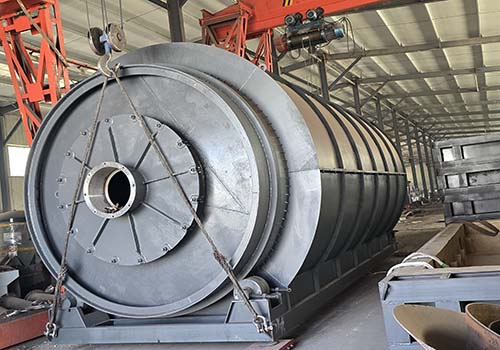
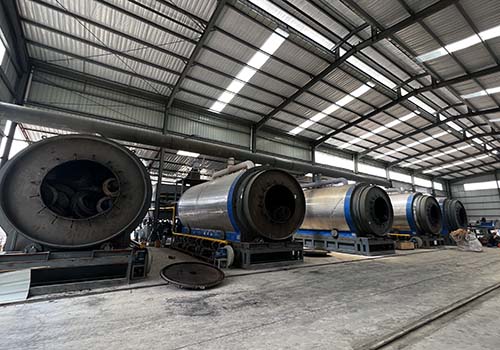
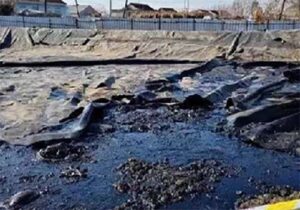
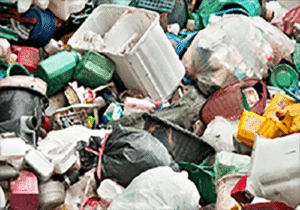
Batch Pyrolysis Plant can process 10–15 tons of waste (such as tires, plastics, and oil sludge) per day, and its annual profit is 10 times that of a small pyrolysis machine. It is suitable for small to medium-sized recycling plants, customers with stable and centralized raw material sources, as well as government environmental protection projects.

Features of Batch Pyrolysis Plant>>

Small Pyrolysis Machine

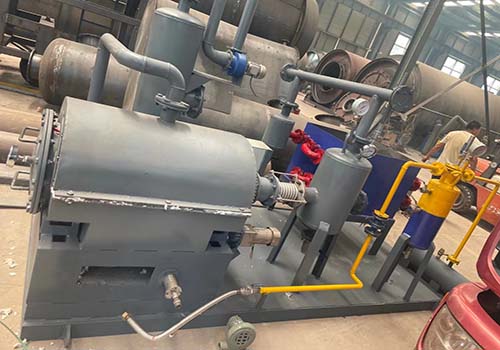
The batch system mode makes them ideal for small to medium-sized production with minimal cost of investment and simple operation. The capacities range between 2 and fifteen tons daily. They can operate at high temperatures of between 300degC and 700degC, which improves efficiency of energy. This technology helps in the production of renewable energy and resource recuperation.

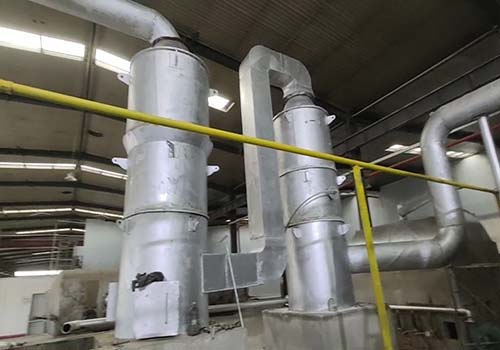
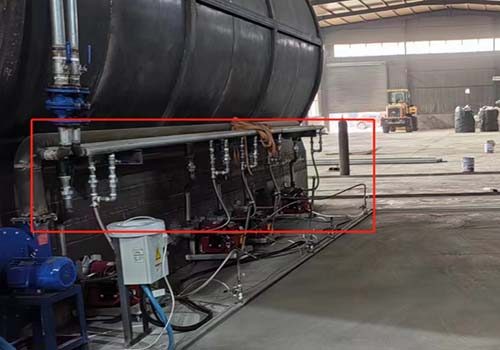
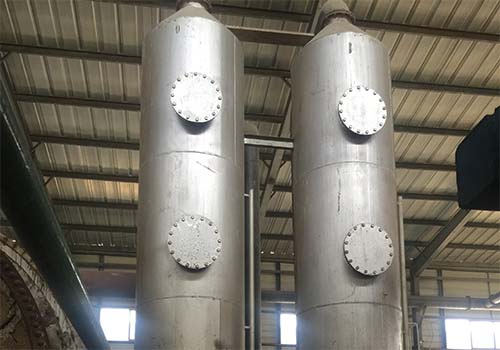
Flue gas treatment environmental protection system

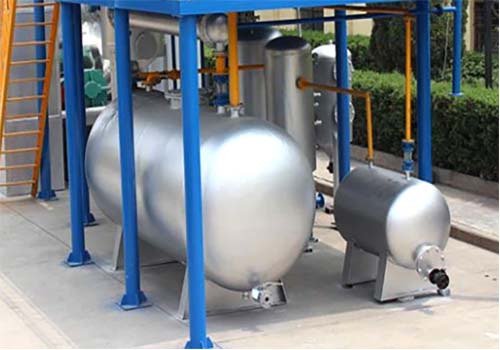
Condensation systems that are efficient and efficient designed to maximize the efficiency of pyrolysis oil. Beyond liquids recovering solid byproducts, such as steel and carbon black (from tires) can be streamlined. The automated slag discharge process not just improves efficiency, but also improves the working atmosphere by reducing dust emissions.

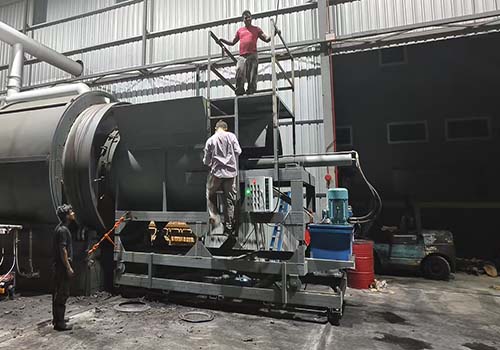
Automatic feeding machine

The benefit of pyrolysis equipment for batch is their flexibility in processing various feedstocks. They can process a variety of organic materials, such as scrap tires (whole or shred) and various kinds of polymers (like PE, PS, PP), PS), rubber as well as biomass (such as rice husks, coconut shells bamboo, rice husks, coconut shells) , . The primary pyrolysis process is primarily is based on temperature profiles and times to ensure the optimal transformation of various feedstocks into important carbon black, oil, and gas.

About Batch Pyrolysis Plant Guide>>

What is Batch Pyrolysis Plant

A Batch Pyrolysis Plant is a waste-to-energy system that processes materials like tires, plastics, and sludge in batches to convert them into fuel oil, carbon black, and gas through pyrolysis.

Key Features & Benefits:

Pyrolysis is a decomposition process which involves heating organic materials at temperatures that are elevated, typically between 300 and 900 degrees Celsius, without oxygen, to avoid combustion. The process is used to break down complicated molecules in the feedstock into more simple, valuable products, including Syngas (a mixture of combustible gasses) as well as the pyrolysis oil (a liquid fuel) and charcoal (a solid carbonaceous substance).

Batch pyrolysis uses the same amount of raw material during every operational cycle. This is the whole process that involves loading a reactor, warming it up to the temperature required that allows the pyrolysis reaction to begin and cooling the reactor and then removing the products is completed for a single batch before the next will begin.

  • High Flexibility
    Operators can easily adjust process parameters and switch between different types of feedstock with minimal operational disruption.

  • Simple Operation
    Compared to continuous systems, batch systems have a simpler structure and workflow, including steps like heating, loading, cooling, reacting, and unloading.

  • High Return on Investment
    The annual profit can be up to 10 times higher than that of a small pyrolysis machine—up to $450,000 per year.

  • Feedstock Versatility
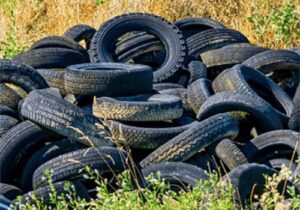
    Capable of processing whole tires, bundled plastics, and other biomass materials without extensive preprocessing.

Core Components of Batch Pyrolysis Plant

What Types of Materials Can a Small-Scale Pyrolysis Machine Process?

Fuel Oil: 35%–45%

Carbon Black: 30%–35%

Steel Wire: 10%–15%

Non-condensable Gas: 5%–10%

Fuel Oil: 45%–75%

Carbon Black (if applicable): 10%–15%

Non-condensable Gas: 10%–20%

Fuel Oil: 20%–40%

Solid Residue (slag): 60%–80%

Non-condensable Gas: Trace

Fuel Oil: 35%–45%

Carbon Black: 30%–35%

Steel Wire (if applicable): 10%–15%

Gas: 5%–10%

Biochar: 25%–35%

Wood Vinegar: 10%–15%

Wood Tar: 5%–10%

Combustible Gas: 30%–50%

1.Material Preparation and Loading

The feedstock, which includes waste tires or plastics is made, which may require sorting or a small reduction in size. The prepared material is placed into the pyrolysis unit via a large furnace door or a dedicated loading port.

2.Heating and Pyrolysis Reaction

This reactor gets heated with an external source of fuel till the temperature is within the pyrolysis range. It is typically between 300 and 900degC dependent on the feedstock used and the desired product. When the temperature rises organic matter undergoes thermal degradation.

Temperature Ranges

Temperature at low temperature 300 to 500 degrees Celsius (favors the production of char)

  • Medium Temperature: 500-700 degC (balanced products)

*Temperature at high: 700 to 900 degrees Celsius (maximizes the production of gas)Operating Mechanism and Process Flow
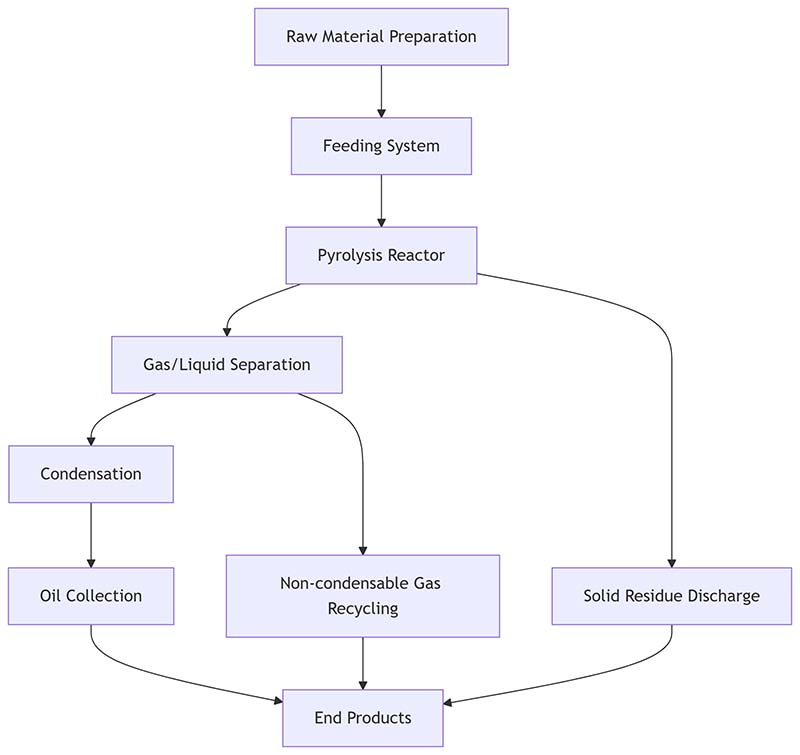
Reaction Products

  • Volatile components – Oil gas
  • Remains of Solid – Char/carbon Blac
  • The steel wires (from tires) remain in tact

1.Oil Gas Cooling and Collection

The gas that is produced by Pyrolysis is directed by a manifold as well as a series of condensers that are water-cooled. When the gas cools the condensable portion liquefies and transforms into pyrolysis oil. It is then stored within oil storage tanks. (Energy Efficiency: Gases that are not condensable (syngas) can be reused to power the reactor, thus reducing dependence on fossil fuels from the outside, and increasing overall efficiency.)

2.Reactor Cooling and Slag Discharge

Following pyrolysis it is necessary to have the reactor at a temperature that is safe (typically less than 100-40 degrees Celsius) prior to solid residues being able to be eliminated. The process of cooling can be speeded up through convection vents or cooling devices. (Safety Note A proper cooling system is essential to ensure the safety of handling steel and char wires that are discharged via an enormous door or a dedicated system of slagging.)

  • Emission Treatment:The residual flue gases resulting result from heating processes or uncondensed syngas go via an exhaust purification process prior to being discharged into the air in order to comply with environmental regulations. (Environmental Compliance: The most recent systems incorporate water spraying ceramic ring absorption, as well as activated carbon absorption to make sure emissions are in compliance with regulatory requirements.)

What is the cost and benefit of Batch Pyrolysis Plant

A Batch Pyrolysis Plant with a daily output of 5-10 tons requires a capital investment of approximately $350000, but can generate a net profit of $450,000 per year and achieve a return on investment within 12 months.

BATCH PYROLYSIS PLANT ECONOMICS

10-ton daily capacity | Industrial-scale recycling

🛠️ COSTS

  • Equipment: $280,000
  • Installation: $50,000
  • Daily Ops: $120/day
  • (3 operators + energy + maintenance)

💵 BENEFITS

  • 🛢️ Fuel Oil (50%): $1,600/day
  • Carbon Black (25%): $500/day
  • 🔩 Steel Wire (15%): $300/day
  • 💨 Gas Recycling: Saves $80/day

📈 DAILY PROFIT: $2,360 | 🏭 ANNUAL NET*: $708,000
*Based on 300 days/year | ROI in 12-18 months

Batch Pyrolysis Plant: Detailed Cost & Revenue Breakdown

*(10 tons/day capacity example)*

1. Cost Structure

ComponentCost DetailsNotes
Equipment$100,000 – $300,000Includes basic emission control (cyclone + scrubber)
Installation$15,000 – $30,000Requires concrete foundation, 380V power, gas pipeline
Facility Upgrade$10,000 – $50,000Explosion-proof workshop/steel shelter (region-dependent)
Daily Operating Costs  
– Electricity$80 – $120/day (15kW motor × 10h)$0.1 – $0.15/kWh rate
– Fuel (Gas/Diesel)$50 – $100/day (High consumption during heating phase)Depends on feedstock moisture
– Labor$60 – $120/day (3-5 operators)Developing country wages
– Maintenance$20 – $50/day (Seals, activated carbon, etc.)High wear-and-tear

2. Revenue Streams

*(Tire pyrolysis example, 10 tons/day processing)*

OutputYieldMarket PriceDaily OutputDaily Revenue
Pyrolysis Oil45%$0.6 – $1.0/kg4.5 tons$2,700 – $4,500
Carbon Black30%$0.15 – $0.3/kg3 tons$450 – $900
Steel Wire15%$0.1 – $0.2/kg1.5 tons$150 – $300
Total   $3,300 – $5,700/day

3. Payback Period

  • Daily Net Profit:
    $4,500 (mid-range revenue) - $350 (operating costs) = $4,150

  • Total Investment:
    $200,000 (equipment) + $30,000 (installation) + $30,000 (facility) = $260,000

  • Break-even Point:
    $260,000 ÷ $4,150 ≈ 63 days *(Theoretical, actual 8-12 months with downtime)*

4. Regional Variations

CountryEquipment CostOil PricePayback PeriodPolicy Support
China$150,000$0.8/kg10 monthsLocal subsidies (up to 30%)
India$120,000$0.6/kg14 monthsGST exemption
Germany$500,000$1.2/kg5 yearsBAT compliance (+$200k for RTO)
Nigeria$100,000$1.0/kg7 monthsImport duty exemption

5. Critical Factors

  • Feedstock Quality: PVC/chlorine-containing plastics require dechlorination (+$50k)

  • Emission Compliance: EU mandates RTO systems (+$150k)

  • Labor Efficiency: Automated models reduce 3 staff positions ($50k+/year savings)

Recommendation:
Ideal for: Processors handling >5 tons/day, mixed/complex waste (e.g., hazardous materials)
Not for: Small-scale operators (consider modular mini plants)

Specific Parameters>>

System Main Furnace System PUHB-7 Quantity Specification Model Characteristics Remarks
Main Furnace Pyrolysis Main Furnace Unit 1 2600*7700 16mm Q345R
Circular Door Set 1 1500 16mm Q345R
Insulation Shell Set 2 Matching main furnace Assembly
Main Furnace Base Set 1 Matching main furnace Assembly
Furnace Door Bolts Set 19 Matching main furnace Precision Part
Furnace Chamber Set 1 Matching main furnace Assembly
Support Roller Piece 4 Matching main furnace Rod Bearing Standard Part
Transmission Custom Gear Ring Piece 1 Matching main furnace Standard Part
Variable Speed Motor Unit 1 Matching system 7.5kw Standard Part
Pulleys (Large/Small) Set 1 Matching reducer Standard Part
Reducer Unit 1 500 7.5KW Cast Steel Housing
Sealing System Gas Outlet Piece 1 6425 Standard Part
Graphite Ring Piece 10 φ425 Standard Part
Sealing Body Piece 1 φ425 Assembly
Bellows Compensator Piece 1 φ425 316 Stainless Steel
Asbestos Packing Box 1 φ425 Standard Part
Separation System Gas Bag Unit 1 φ900x1800 6mm Standard Part
Residue Oil Tank Unit 1 Matching gas bag Assembly
Condensation System Tubular Condenser (with Water Tank) Set 1 Matching main furnace Assembly
Settling Tank Unit 1 φ600x1000 Standard Part
Oil Collection Tank Unit 1 5T Standard Part
Oil Pump Unit 1 Matching system 2.2KW Explosion-proof
Slag Discharge Central Slag Discharge Door Unit 1 φ530 Sealed Discharge Assembly
Slag Discharger Set 1 φ530 Sealed Discharge Assembly
Non-Condensable Gas Recycling Water Seal Tank Unit 1 φ900x1500 Standard Part
Flame Arrester Piece 1 DN50 Standard Part
Waste Gas Burner Set 4 Matching combustion chamber Standard Part
Burner Brick Piece 8 Matching burner Standard Part
Hose Set 4 Matching burner Standard Part
Desulfurization & Dust Removal Desulfurization Tower Set 1 Matching system Assembly
Dust Removal Water Pump Unit 1 Matching system 3.0KW Stainless Steel Impeller
Induced Draft Fan (with Motor) Unit 1 Y5-47-5C 5.5KW Assembly
Fan Damper Piece 1 Matching fan Standard Part
Safety System Explosion-proof System Set 1 Matching system Standard Part
Instrumentation System Instruments Group 1 Matching system Assembly
Control Cabinet Electrical Control Cabinet Set 1 Matching system With Speed Controller Assembly
Piping Pipes & Fittings Group 1 Matching system Assembly
3-Stage Heavy Duty Feeder Pressure Cylinder Set 1 Assembly
Pusher Set 1 Assembly
Motor Piece 1 Assembly
Feeder Frame Piece 1 Assembly
Feeder Roller Piece 1 Assembly
Feeder Casters Piece 4 Assembly
Feeder Adjuster Piece 4 Assembly

Equipment work Video>>

Our batch pyrolysis plant is ideal for companies and government-backed projects that have a stable supply of waste materials such as plastic, rubber, tires, oil sludge, and biomass. With a daily processing capacity of 5–10 tons, this system offers an efficient and cost-effective solution for converting waste into valuable fuel and carbon materials. Designed for larger-scale operations in both industrial and municipal settings, our plant delivers reliable performance with easy operation and maintenance. Backed by global client trust and professional after-sales service, we’re ready to customize the right pyrolysis solution for your long-term waste management strategy.

    About Batch Pyrolysis Plant FAQ>>

    Feature Batch Pyrolysis System Continuous Pyrolysis System
    Operation Mode Cyclical, discrete batches Uninterrupted, steady-state
    Processing Capacity Lower, typically up to 12-15 T/D Higher, 10-100+ T/D
    Initial Investment Lower Higher
    Flexibility High, can handle varied feedstocks Lower, requires uniform feedstock
    Complexity Simpler design, easier operation More complex, higher automation

    Batch pyrolysis machines can be versatile in their ability to handle various different waste materials. Common feedstocks include tires, different kinds of rubber, plastics and even medical waste as well as domestic waste.

    The feedstock is first prepared that could include tires plastics, biomass, or even waste tires is then pumped into the pyrolysis unit. The reactor is then sealed to create a oxygen-free space, the heating the process increases the temperature typically between 200 and 900 degrees Celsius, the syngas and oil are then pumped out of the reactor into a condensing system where the oil vapors are then cooled before being liquefied to form the pyrolysis oil. The non-condensable syngas is recirculated to be used in the heating system to power the reactor, which makes the process more efficient in energy use , . When the pyrolysis reaction has been complete and the gasses have been gathered and the reactor is left to cool. After cooling to a temperature that is safe, usually less than 40-80degC, the remains, which is mostly carbon black (and steel wires in the case of tires that were processed) is released from the reactor . The entire process from feeding to discharge is a single batch cycle.

    Process capacity usually measured in terms of tons daily (T/D) as well as tons of batch but sometimes by kilograms/hour (kg/h) when it comes to smaller equipment. Based on the data gathered the typical capacities for batch pyrolysis machines vary between 100 kilograms per day, up to 20-25 tons per day.

    The life expectancy of a batch pyrolysis device greatly depends on the standard of its design as well as the material used for vital components like the reactor, its operating conditions, as well as the amount of maintenance it is given. Reactors constructed of boiler steel that is standard (e.g Q345R) are typically cited with an average lifespan of 2 to 3 years. However, reactors built from premium stainless steel (e.g. the 304, 303 or 310S) may have a longer lifespan, usually with a range of 5 to 8 years.

    To remove the flue gas that is generated by burning fuels to make the reactor heat Desulfurization systems, such as de-dust towers and water film dust collectors, as well as Pulse dust collectors can be utilized to eliminate sulfur oxides and particulate matter prior to it is released to the air. Syngas that is not condensable in pyrolysis that may include H2S and other hazardous components the air purification device is employed.

    The most important by-products are pyrolysis oils, carbon black as well as syngas (non-condensable gas). In the process of recycling tires steel wire is an important by-product. The Pyrolysis oil constitutes the principal liquid by-product, which is made from the oil vapor that is produced by the process of thermal decomposition.


    Scroll to Top