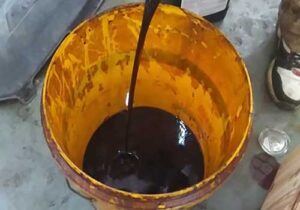

Top Manufacturer of Pyrolysis Machines/Units

Waste oil distillation Machine

PyrolysisUnit Waste Oil Distillation Machine is an eco-friendly resource recovery equipment that can process up to 20t of waste engine oil, waste lubricating oil, waste hydraulic oil, waste plastic oil, and waste tire oil within 24h for refining and purification.

Its core principle relies on high-temperature distillation and fractional distillation processes to remove impurities, moisture, heavy metals, and unstable components from waste oil, converting it into clean, reusable fuel oil or base oil.

Jump To:

Features of Waste oil distillation Machine>>

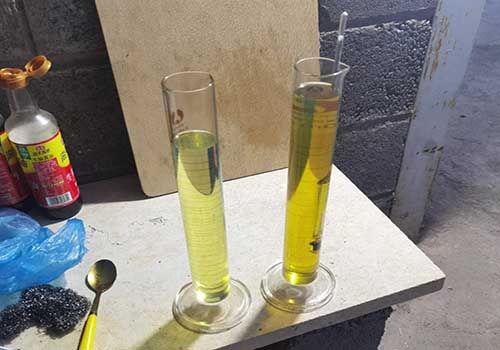
Pyrolysis upgraded oil

Waste oil distillation plants offer a robust solution for transforming hazardous waste oils into valuable, reusable resources. The process demonstrates remarkable resource conservation: one gallon of used oil can yield 2.5 quarts of new, high-quality lubricating oil, a quantity that would otherwise require 42 gallons of crude oil.

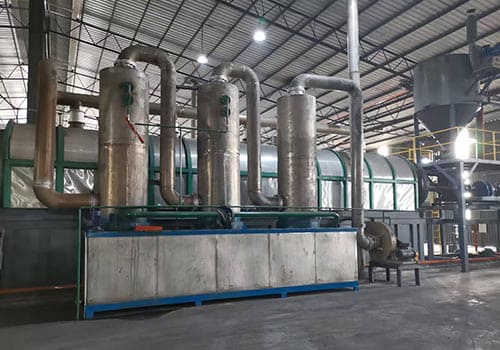
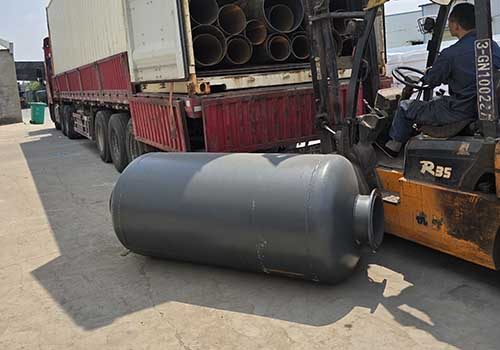
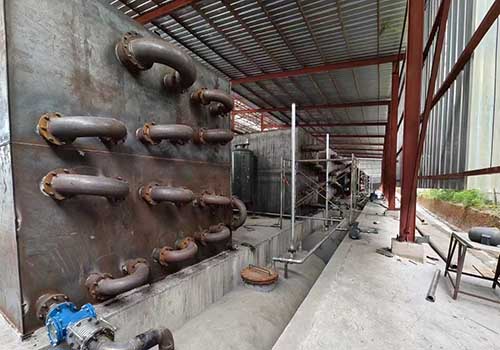
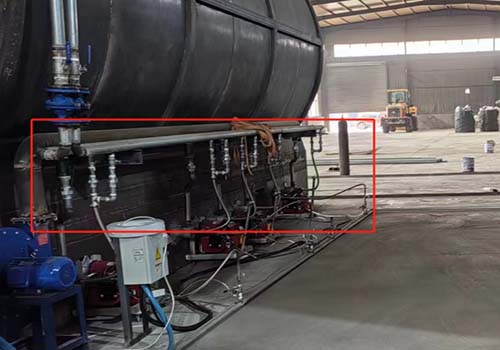
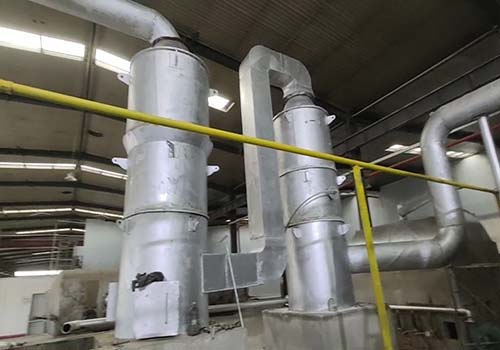
Pyrolysisunit factory real picture

Distillation plants incorporates a pre-treatment device that dehydrates and removes impurities from the waste oil, significantly improving the efficiency of subsequent distillation and the quality of the finished oil. A single unit of equipment can process 8-20 tons of waste oil per day, generating a corresponding daily output of 7-18 tons of finished oil, with an oil yield rate stable between 80% and 90%.

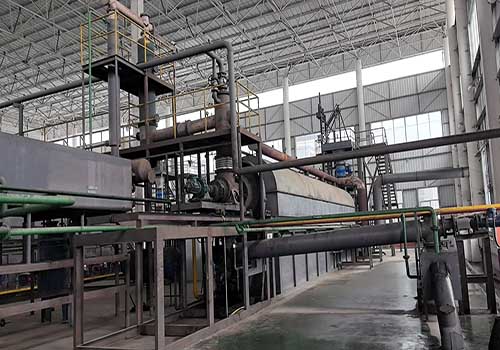
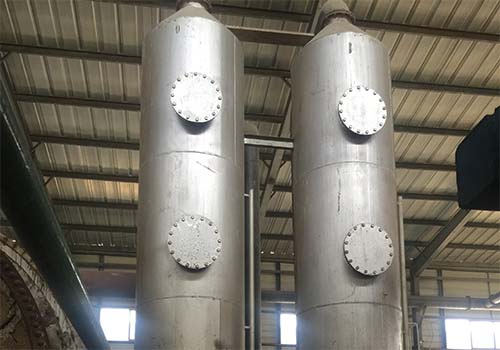
Distillation equipment

A single distillation machine requires only 2-3 operators to complete the entire production process. The machine’s intelligent fault diagnosis system monitors operating status in real time. Through condensation, adsorption and other processes, the waste gas removal rate is increased to more than 98%, and the emission indicators are far lower than the relevant national standards.

About Waste oil distillation Machine Guide>>

What is Waste oil distillation Machine

A Waste Oil Distillation Machine is an advanced refining system designed to convert crude pyrolysis oil or waste oils—such as waste engine oil, lubricating oil, hydraulic oil, tire oil, and plastic oil—into high-quality, reusable fuel oil or diesel.

Unlike traditional low-efficiency batch furnaces, modern distillation machines integrate the strengths of petrochemical refining with cost-effective, practical designs. They operate under atmospheric distillation processes, where crude oil is pumped into a distillation reactor, heated, and separated into oil vapor. The vapors are then condensed into clean fuel oil, while non-condensable gases are recycled as energy through a specialized combustion system.

Key Features

  • High Oil Yield: Pure crude oil recovery rate of 80% or above.

  • Environmental Protection: Equipped with gas burners, dust-removal systems, and closed-loop water circulation for emission control.

  • Energy Efficiency: Non-condensable gases (methane to butane) are reused in the heating system, significantly reducing external fuel consumption.

  • Safety & Automation: Centralized electric control, heat-exchange technology, and pressure-reduction operation ensure stable and secure production.

  • Wide Feedstock Compatibility: Can process crude pyrolysis oil from waste plastics/rubbers, waste lubricants, waste crude oil, and cleaning oils.

Applications

The refined fuel oil or diesel can be used in:

  • Industrial boilers and furnaces

  • Transportation sector (after meeting diesel standards such as 0# or -10#)

  • Chemical industry as raw materials

By replacing outdated “soil furnace” methods, waste oil distillation machines provide an eco-friendly, efficient, and safe solution for the waste-to-fuel industry, helping reduce environmental pollution while creating higher economic value.

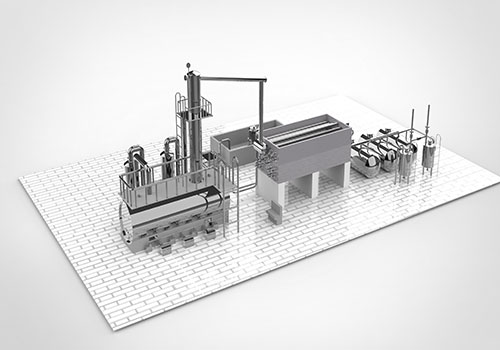
Core Components of Pyrolysis oil Distillation Plant

What Types of Materials Can a Pyrolysis oil Distillation Plant Process?

Output Material: Diesel or gasoline, asphalt。

Oil yield rate: 70~85%

asphalt content:5-15%

Note: The asphalt content is related to the customer's choice of drying process and non drying process.

Output Material: Diesel or gasoline

Note: The ratio of diesel and asphalt obtained after crude oil distillation is related to the composition and impurities in the crude oil, and the specific situation shall prevail

Output Material:

Diesel or gasoline

Oil yield rate: 70~80%

esidue: 20~30%

Output Material: pyrolysis oil / diesel, carbon black 

The oil yield depends on the type and state of diatomaceous earth

Chapter 1: Introduction to Waste Oil Distillation


1.Early Waste Oil Treatment Methods

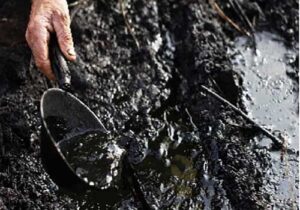
In the early stages of waste oil management, treatment methods were often rudimentary and inefficient. The most common practices included landfilling, direct burning, and crude batch furnaces (“soil furnaces”).

  • Landfilling and Dumping: Waste oil was frequently discarded in landfills or directly into the environment, leading to serious soil and water contamination.

  • Incineration and Direct Burning: Some facilities burned waste oil as a fuel without proper emission controls, producing heavy smoke, toxic gases, and harmful particulates.

  • Primitive Distillation Furnaces: Small, manually operated horizontal batch furnaces were used in certain regions. These furnaces relied on coal or wood for heating, had long processing cycles, low yields, and posed significant risks in terms of safety and pollution.

While these early methods provided a way to handle waste oil, they caused low oil recovery rates, high environmental pollution, and un. These shortcomings paved the way for the development of modern waste oil distillation machi, which

Early Waste Oil Treatment Methods

1.2 Modern Distillation Technology

With the development of environmental regulations and technological innovation, modern waste oil distillation machines have replaced primitive furnaces. These advanced systems are equipped with automated temperature and pressure controls, continuous feeding and discharging, and closed-loop condensation units. Compared to traditional batch furnaces, modern technology offers safer operation, cleaner emissions, and much higher energy efficiency, making the process more reliable and sustainable.

1.3 Importance in the Waste Recycling Industry

As the global demand for alternative energy grows, modern distillation technology has become a key part of the waste recycling industry. Waste plastics, tires, lubricants, and hydraulic oils can all be processed into usable fuels. This not only supports energy recovery from materials that would otherwise be discarded, but also reduces dependence on crude oil resources, helping industries meet both economic and environmental goals.

1.4 Economic and Environmental Significance

The refined fuel oil produced through distillation can often serve as a direct replacement for diesel fuel, giving it a higher market value. At the same time, advanced purification processes remove impurities, ensuring cleaner combustion and lower carbon emissions. By turning waste into a valuable resource, distillation machines contribute directly to the circular economy, promoting both profitability and sustainability.

Chapter 2: Types of Waste Oil Distillation Machines on the Market


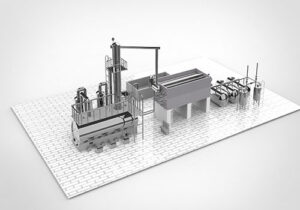
2.1 Basic distillation machine

The batch waste oil distillation machine features a relatively simple structure, where raw materials are fed manually and the final products are discharged after each cycle. Its design makes it highly suitable for small-scale operations or pilot projects that require flexibility in processing different types of waste oils. Although labor-intensive, it provides a cost-effective entry solution for businesses new to oil recycling.
Pyrolysis Oil Distillation Plant 2

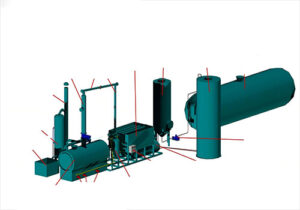
2.2 Skid-type distillation machine

The semi-continuous distillation machine offers medium processing capacity and integrates partial automation for feeding, heating, and residue removal. This reduces downtime between batches, resulting in higher efficiency and smoother operation compared to batch systems. It is widely adopted in industrial applications where stable performance and moderate scalability are required.
Skid type distillation machine 2

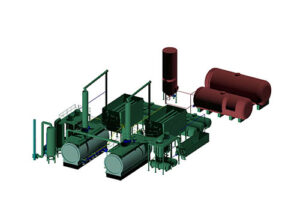
2.3 Oil cutting distillation machine

The continuous distillation machine is engineered for large-scale industrial waste oil recycling plants. With fully automated 24/7 operation, it ensures a steady feed of raw materials, continuous product discharge, and optimized energy recovery. Its high capacity and advanced emission control systems make it the ideal solution for enterprises seeking maximum efficiency, safety, and compliance with environmental regulations.
2台 分馏蒸馏 效果图 page 0001

Chapter 3: Why Waste Oil Distillation Machines Are Needed

3.1 History of Waste Oil Recycling

In the past, waste oils were often treated through direct burning or simple disposal, which not only wasted resources but also caused serious environmental pollution. Later, crude pyrolysis and incineration were introduced, but these methods had low efficiency, unstable oil quality, and significant emissions. With the advancement of refining and distillation technologies, waste oil recycling has shifted toward clean, safe, and efficient systems that transform hazardous waste into valuable fuels.

3.2 Sources of Waste Oil

Modern distillation machines are designed to handle a wide range of feedstocks, including:

  • Waste engine oil from automobiles and machinery

  • Waste lubricants from industrial equipment

  • Waste hydraulic oil from construction and transport industries

  • Pyrolysis oil derived from plastics and tires

  • Oil sludge and residues from refineries and petrochemical plants

These diverse sources ensure that waste oil distillation plays a critical role in the circular economy by recovering resources from multiple industries.

3.3 Essential Components of Distillation Equipment

A complete waste oil distillation system typically includes:

  • Distillation reactor – where waste oil is heated and separated

  • Distillation tower – for refining fractions into different oil qualities

  • Condensation system – to cool vapor into liquid fuel oil

  • Gas recycling and combustion system – to reuse non-condensable gas as heating fuel

  • Emission control and dust removal systems – to minimize pollution and meet regulations

  • Central electric control system – for automation, monitoring, and safe operation

These components work together to ensure high recovery rates, stable oil quality, and environmental compliance.

3.4 How to Choose the Right Distillation Machine

When selecting a waste oil distillation machine, key factors include:

  • Feedstock type – engine oil, lubricants, pyrolysis oil, or sludge

  • Daily capacity – from small pilot systems to industrial-scale plants

  • Oil quality requirements – whether targeting industrial fuel or base oil production

  • Emission standards – compliance with local and international environmental laws

  • Investment budget – balancing equipment cost, automation level, and long-term ROI

Choosing the right system ensures efficiency, safety, and sustainable operations for waste oil recycling enterprises.

Chapter 4: How Waste Oil Distillation Works

Waste oil distillation is an efficient process that converts used or contaminated oils into clean, reusable base oils. The process begins with pre-treatment, where waste oil is filtered to remove debris and dehydrated to eliminate water. In some cases, acid washing is applied to neutralize acids and reduce heavy metals. The oil is then gradually heated in a distillation chamber, allowing different hydrocarbon components to evaporate at their specific temperatures. Vaporized oil passes through a condenser, cooling back into liquid form, while heavy residues like sludge remain in the bottom for disposal or further processing. Finally, the distilled oil may undergo additional filtration or vacuum treatment to ensure purity, producing high-quality base oil suitable for industrial use, blending, or fuel. This method not only recovers valuable oil but also minimizes environmental pollution, providing a sustainable solution for managing waste oil.
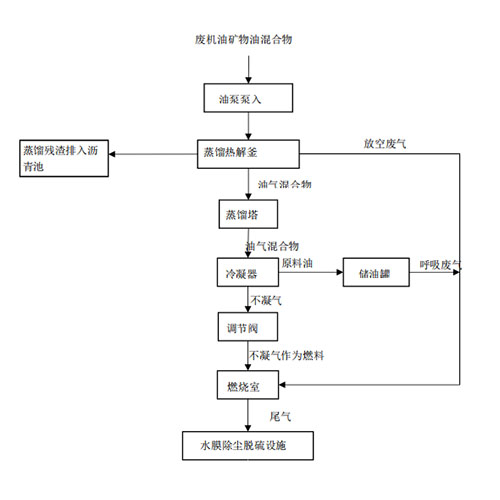
How Waste Oil Distillation Works

Chapter 5: Applications of Distilled Oil and By-products


5.1 Industrial Fuel Applications

The distilled waste oil can be directly used as fuel in industrial boilers, furnaces, and other heating equipment. Its high calorific value ensures efficient combustion, providing a cost-effective and reliable energy source for various industrial processes.

5.2 Transportation Fuel

After further refining, the distilled oil can be upgraded into diesel or gasoline, suitable for use in vehicles, generators, and machinery. This provides a sustainable alternative to conventional fossil fuels while maintaining compliance with relevant fuel standards.

5.3 Chemical Raw Materials

Distilled oil can also serve as a chemical feedstock for the production of lubricants, solvents, and other industrial chemicals. This adds significant value to the waste-to-fuel process by creating multiple downstream applications.

5.4 Solid and Gas By-products

  • Carbon Residue: The solid residue from distillation can be used in construction materials, coatings, or further processed into industrial-grade carbon products.

  • Non-Condensable Gas: Gases such as methane to butane produced during distillation are recycled as internal fuel to heat the system, improving energy efficiency and reducing operational costs.

These multiple applications ensure that waste oil is fully utilized, turning a potential environmental hazard into valuable resources.

Chapter 6: Conclusion

Waste Oil Distillation Machines are essential in the modern waste-to-energy industry, transforming various waste oils—including engine oil, lubricating oil, hydraulic oil, tire oil, and pyrolysis oil—into clean, high-value fuels. These machines not only increase the economic value of waste materials but also reduce environmental pollution, helping industries achieve sustainable waste management goals.

Choosing the appropriate type of distillation machine—batch, semi-continuous, or continuous—is critical for achieving high operational efficiency, enhanced safety, and long-term profitability. With advanced automation, emission control systems, and optimized energy usage, waste oil distillation machines have become a key technology for industrial recycling, energy recovery, and the promotion of a circular economy.

Specific Parameters>>

Model PU-1 PU-2 PU-3
Raw Material Waste oil Waste oil Waste oil
Structure Type Horizontal with tower Horizontal with tower Horizontal with tower
24-hour Processing Capacity (not less than) 10 tons raw material 20 tons raw material 30 tons raw material
Working Mode Intermittent operation Intermittent operation Intermittent operation
Working Pressure Atmospheric Atmospheric Atmospheric
Oil Yield (not less than) 80% 80% 80%
Power Equipped 15.0 kW 20.0 kW 20.0 kW
Cooling Method Water cooling Water cooling Water cooling
Cooling Water Consumption (T/h) —— —— ——
Transmission Mode
Heating Method Direct Direct Direct
Installation Method Furnace foundation Furnace foundation Furnace foundation
Noise dB (A) ≤85 ≤85 ≤85
Heat Exchanger None None None
Main Machine Dimensions 2200 × 5500 2600 × 6600 2800 × 7700
Main Machine Weight (kg) 2800 3000 3200
Manufacturing Lead Time 20 days 20 days 20 days

Equipment work Video>>

    Scroll to Top