Top Manufacturer of Pyrolysis Machines/Units

1 Ton Plastic Pyrolysis Plant

PyrolysisUnit’s 1-ton plastic pyrolysis plant is engineered for small andmedium-scale recyclers processing 1–2 tons of waste plastics per day. Available in batch and semi-continuous configurations, the system converts PP, PE, PS, and mixed plastics into fuel oil (45–75% yield depending on plastic type), carbon black, and non-condensable syngas — all within a compact 50–80 m² footprint.

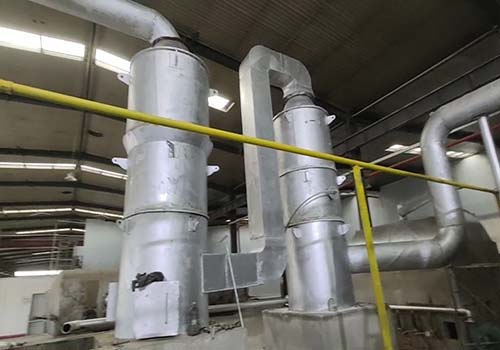
A four-stage flue gas purification system (desulfurization, denitrification, bag filtration, and activated carbon adsorption) ensures emissions meet international standards: particulate matter ≤10 mg/m³, SO₂ ≤35 mg/m³. ISO 9001:2015 & CE certified. Free project feasibility analysis provided before purchase.

Key Features of 1 Ton Plastic Pyrolysis Plant>>

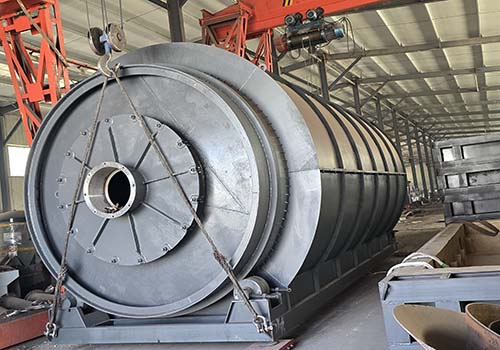
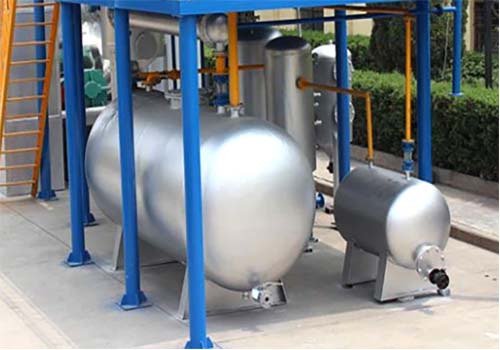
Small Pyrolysis Machine

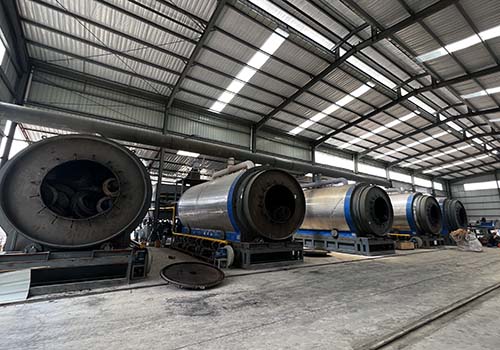
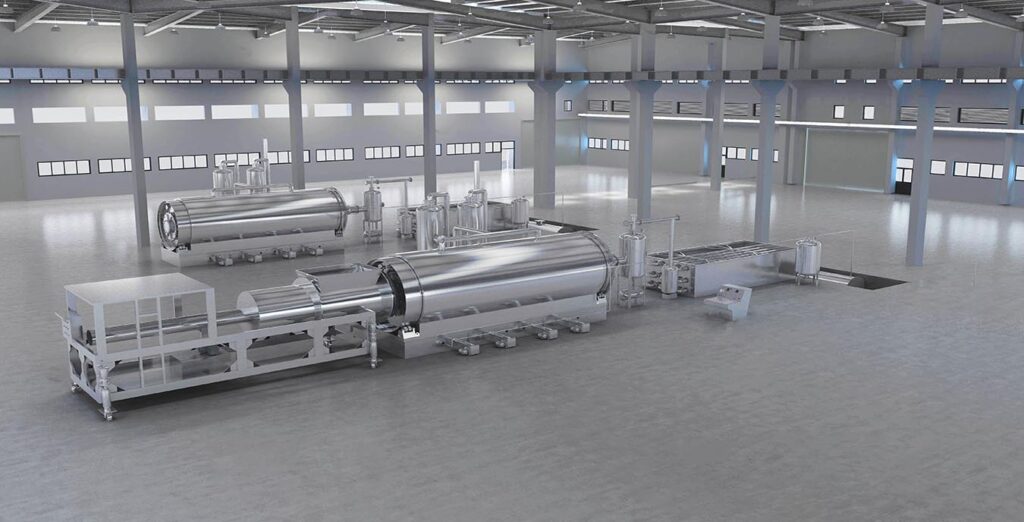
The entire system requires only 50–80㎡ of space, including the main reactor, product storage area, and pretreatment zone — roughly half the size of a standard basketball court. No large-scale infrastructure is needed. Whether installed at suburban recycling sites, auxiliary workshops in industrial parks, or idle township land, it can be quickly set up and commissioned within 15–20 days, minimizing site investment costs.

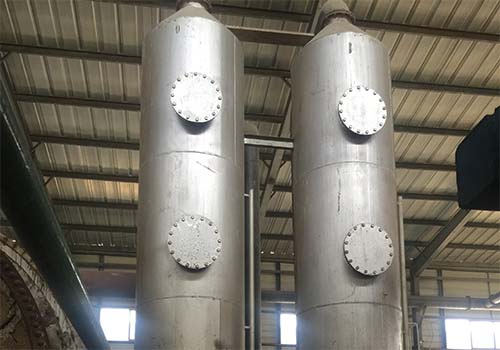
Flue gas treatment environmental protection system

Equipped with a four-stage flue gas purification system — desulfurization, denitrification, bag filtration, and activated carbon adsorption — the emission levels meet strict international standards: particulate matter ≤10 mg/m³ and SO₂ ≤35 mg/m³, far below China’s GB 18484-2020 and EU EEA limits. The system produces no significant wastewater; small amounts of condensate can be reused or safely discharged after oil–water separation (COD ≤ 50 mg/L). With a sealed feeding and pyrolysis system plus an odor absorption unit, it effectively controls plastic heating odors, ensuring compliance with environmental regulations even within 3 km of residential areas and enabling easy environmental approval.

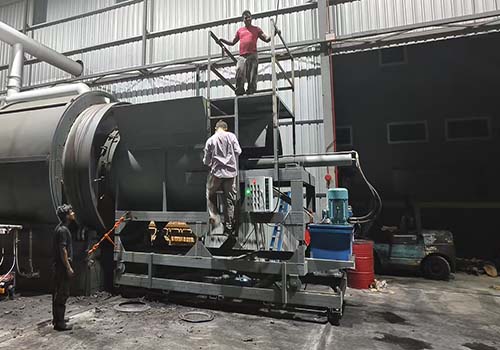
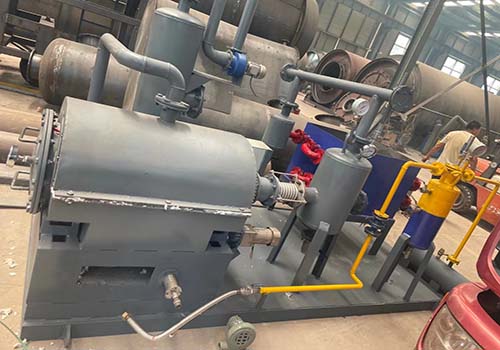
Automatic feeding machine

As a compact yet high-value recycling project, it aligns perfectly with China’s “Zero-Waste City” initiative and the EU’s circular economy policies. Investors may qualify for multiple incentives, including equipment purchase subsidies (15–30%), operational grants, and tax reductions (VAT exemption and corporate income tax “three-year exemption plus three-year 50% reduction”). The project approval process is also streamlined — environmental and safety assessments can typically be completed within 1–3 months, allowing rapid deployment and market entry.

Complete Guide: 1 Ton Plastic Pyrolysis Plant>>

Chapter 1: How to Choose the Right 1 Ton Plastic Pyrolysis Plant

For small and medium-scale recyclers, selecting the right 1-ton pyrolysis plant requires evaluating four key factors: feedstock type and daily supply volume, local environmental compliance requirements, total investment budget versus long-term operating costs, and after-sales support availability. This chapter breaks down each factor to help you make an informed decision.

1.1 Adaptability to Local Plastic Waste Resources
The type and quantity of local plastic waste directly determine the plant’s efficiency and profitability. Before purchasing equipment, you need to conduct a 1-2 month on-site survey:
  • Waste Type Analysis: Count the proportion of PE (plastic film, buckets), PP (woven bags, lunch boxes), PS (foam, packaging), and other plastics in local waste. If PE and PP account for more than 60%, electric heating or fuel oil/gas heating plants are preferred (both have high oil yields for these two plastics); if mixed plastics with high impurity content (such as plastic products with metal accessories) are dominant, fuel oil/gas heating plants are more suitable (they have stronger adaptability to complex raw materials).
  • Daily Supply Volume: Ensure the daily supply of plastic waste is between 1-2 tons (matching the plant’s processing capacity). If the supply is unstable (e.g., less in winter and more in summer), choose a plant with adjustable processing capacity (such as semi-automatic models that can reduce the number of operating cycles).
  • Waste Collection Cost: Calculate the average collection cost per ton of plastic waste. If the cost exceeds
  • 800 yuan per ton; priority is given to factories with higher oil yields (specifically those utilizing electric heating processes) to ensure profit margins; should costs fall below
  • 500/ton, cost-effective semi-automatic plants can be considered.
In recent years, global environmental protection policies for plastic waste treatment have become increasingly strict. Non-compliant equipment will face fines, shutdowns, and even legal liabilities. When selecting a plant, pay attention to the following:
  • Environmental Protection Configuration: The plant must be equipped with a complete “flue gas treatment system + wastewater treatment system + odor control system”. The flue gas treatment system should include desulfurization towers, bag filters, and activated carbon adsorption devices (to ensure particulate matter ≤10mg/m³, SO₂ ≤35mg/m³, meeting national and local emission standards); the wastewater treatment system should realize zero discharge (recycling condensed water after oil-water separation); the odor control system should use sealed feeding and negative pressure adsorption to avoid odor diffusion.
  • Safety Certifications: Check whether the plant has passed international safety certifications (such as CE, ISO) and domestic pressure vessel inspections. The reactor must be made of Q345R or higher-grade boiler steel (withstand high temperatures of 600℃ and pressure of 0.8MPa), and be equipped with over-temperature, over-pressure, and flame arrester devices (to prevent accidents such as furnace explosion and gas leakage).
  • Policy Support Matching: Understand local environmental protection subsidies and tax preferences. For example, in areas where the government provides subsidies for “clean energy projects”, electric heating plants (zero pollution) are more likely to obtain high subsidies; in regions focusing on “waste reduction”, fuel oil/gas heating plants (with high daily processing capacity) can better meet policy requirements.
1.3 Matching of Operational Cost and Budget
For most small-scale investors, the balance between initial investment and long-term operational costs is crucial. The following is a detailed cost analysis of different types of plants:
  • Initial Investment: Electric heating plants cost
  • 5,000-$8,000 for subsequent labor cost increases (semi-automatic plants require 1 more operator than fully automatic ones).
  • Daily Operational Costs: Including energy, labor, and maintenance costs. Electric heating plants consume 15-20kW of electricity per hour (calculated at 0.1/kWh,dailyelectricitycostis
  • 36-48);fueloil/gasheatingplantsconsume80100Loffueloilperday(calculatedat0.8/L, daily fuel cost is
  • 80), but they can use self-produced fuel oil (reducing fuel cost by 30%-40%); semi-automatic plants require 2-3 operators (monthly salary of 3,000 per person), while fully automatic plants only need 1-2 operators.
  • Return on Investment (ROI) Estimation: Taking electric heating plants as an example, with a daily processing of 1.5 tons of PE plastic waste (oil yield 55%), 0.825 tons of fuel oil can be produced per day (market price
1.4 After-Sales Service and Technical Support
The service life of 1 Ton Plastic Pyrolysis Plant is 8-10 years, so the quality of after-sales service directly affects the long-term stable operation of the equipment. When selecting a manufacturer, focus on the following aspects:
  • On-Site Installation and Training: The manufacturer should send a professional team to complete on-site installation (within 15-20 days) and provide 3-5 days of operational training (including parameter setting, fault diagnosis, and safety operation). Avoid manufacturers that only provide video guidance (difficult to solve on-site problems).
  • Spare Parts Supply: Confirm whether the manufacturer has a local spare parts warehouse or can deliver key spare parts (such as heating elements, temperature sensors, and filter bags) within 3-5 days. The lack of spare parts for a long time will lead to production shutdowns (each day of shutdown causes a loss of
  • Technical Upgrade Services: With the continuous improvement of environmental protection standards, the plant may need technical upgrades (such as adding advanced flue gas treatment modules). The manufacturer should provide free or low-cost upgrade plans within 3-5 years of equipment purchase, rather than requiring the purchase of new equipment.


What Types of Materials Can a Small-Scale Pyrolysis Machine Process?

Fuel Oil: 35%–45%

Carbon Black: 30%–35%

Steel Wire: 10%–15%

Non-condensable Gas: 5%–10%

Fuel Oil: 45%–75%

Carbon Black (if applicable): 10%–15%

Non-condensable Gas: 10%–20%

Fuel Oil: 20%–40%

Solid Residue (slag): 60%–80%

Non-condensable Gas: Trace

Fuel Oil: 35%–45%

Carbon Black: 30%–35%

Steel Wire (if applicable): 10%–15%

Gas: 5%–10%

Biochar: 25%–35%

Wood Vinegar: 10%–15%

Wood Tar: 5%–10%

Combustible Gas: 30%–50%

PyrolysisUnit 1 Ton Plastic Pyrolysis Plant — Key Facts

Scope of Services
Africa Projects 87%
Southeast Asia Projects 76%
Asian Projects 60%
PyrolysisUnit — Certification

Why Choose a Pyrolysis Machine from PyrolysisUnit?

After
Sales Service

We provide 24/7 online customer support, as well as video-based after-sales technical assistance from our engineers.

quality

1. The steel plate thickness of the main furnace is 18 mm.
2. The interior of the main furnace is fabricated using a spiral double-sided lap-welding process.
3. The external insulation support framework of the main furnace is constructed from 12 mm thick refractory castable and aluminum silicate cotton blocks.
4. All bolts used are Grade 8.8 high-strength bolts.

Technical Specifications>>

Name Specification/Model Unit Quantity Material
Main Furnace Liner Φ1000*3300*10mm Set 1 Q345R
Gear Ring Customized Gear Type Set 1 Cast Steel
Slag Remover Furnace Door Center Seal Φ325 Set 1 Q235B
Main Furnace Frame 12# Channel Steel Piece 4 Q235B
Insulation Layer Matched with Main Furnace Set 2 Q235B + Insulation Material
Support Roller - Piece 4 Cast Steel
Reducer ZQ-300 Set 1 Standard
Motor 3kw Set 1 Standard
Seal Body Φ219 Piece 1 Lathed Cast Steel
Compensator Φ219 Piece 1 Stainless Steel
Gas Outlet Φ219 Set 1 Lathed
Gas Tank Φ700×1500 Set 1 Q235B with End Caps
Vertical Pipe Φ219 Piece 1 Q235B
Dewaxing Tank 1000×2500×6mm Piece 1 Q235B
Water Seal Φ800×1500 Set 1 Q235B with End Caps
Exhaust Burner System Matched Set 3
Blower Integrated 2.2kw Unit 1
Combustion Chamber 1600×5000×500 Set 1 Integrated with Main Furnace
Flame Arrester DN50 Piece 1 Anti-flameback
Safety Valve System Matched Set 1 Stainless Steel
Exhaust Valve DN25 Piece 1 Stainless Steel

Equipment Demo Video>>

    FAQ — 1 Ton Plastic Pyrolysis Plant>>

    Efficiency of Modern Plastic Pyrolysis Plants

    Modern plastic pyrolysis systems are highly efficient due to better heating control, continuous feeding, and improved gas-recovery systems. Most high-quality plants achieve:

    • 85–90% thermal efficiency

    • Stable continuous operation (24/7)

    • Low energy consumption when using non-condensable gas as fuel

    Typical Pyrolysis Oil Yields

    Oil yield depends on the plastic type, cleanliness, and reactor design. Typical ranges:

    Plastic TypeOil Yield
    PP65–75%
    HDPE/LDPE70–85%
    PS70–90%
    ABS55–65%
    Mixed plastics (no PVC)50–70%

    Other Outputs

    • 10–20% Carbon black/solid residue

    • 5–10% Non-condensable gas (often reused to heat the reactor)

    Environmental and Safety Considerations for Setting Up a Plastic Pyrolysis Plant

    1. Emission Control

    • Install gas scrubbers, condensers, and dust filters to ensure emissions meet environmental standards.

    • Avoid processing plastics like PVC, which release chlorine and toxic gases during pyrolysis.

    2. Wastewater & Solid Residue Management

    • The process typically produces minimal wastewater, but any cooling or cleaning water must be properly treated.

    • Solid residues (char, ash, metals) should be collected, stored safely, or reused when possible.

    3. Energy Recovery

    • Non-condensable gas should be reused as a heating source to reduce external fuel consumption and lower emissions.

    4. Safety Systems

    • Equip reactors with pressure relief valves, automatic shutdown systems, temperature control, and fire-suppression systems.

    • Ensure airtight sealing to prevent leaks of flammable gases.

    5. Site Requirements

    • Set up the plant in an industrial zone with proper ventilation, fire safety access, and enough distance from residential areas.

    6. Staff Training

    • Operators should be trained in equipment operation, emergency response, and maintenance protocols to prevent accidents.

    Main Steps in Plastic Pyrolysis and How Waste Plastic is Converted into Oil

    1. Feedstock Preparation

      • Waste plastics are sorted, cleaned, and shredded into small pieces to ensure uniform heating and avoid contaminants.

    2. Pyrolysis (Thermal Decomposition)

      • Shredded plastics are heated in an oxygen-free reactor to high temperatures (typically 300–500°C).

      • Heat breaks the long polymer chains into smaller molecules, generating gases, liquids, and solid residues.

    3. Condensation of Vapors

      • The vaporized products from pyrolysis are cooled and condensed into pyrolysis oil.

      • Non-condensable gases are collected and can be reused as fuel to heat the reactor, improving energy efficiency.

    4. Collection of Solid Residue

      • Solid residues, mainly char or carbon black, are separated and can be reused in industrial applications.

    5. Post-Treatment (Optional)

      • Pyrolysis oil may undergo refining or filtration to remove impurities and improve fuel quality for industrial or energy use.

    The price of a 1-ton plastic pyrolysis plant typically ranges from USD 10,000 to USD 23,000 depending on the model (batch vs. semi-continuous), heating method (gas, oil, or electric), automation level, and included accessories such as flue gas treatment and feeding systems. PyrolysisUnit provides customized quotations based on your feedstock type, daily production target, and site conditions. Contact us for a detailed project quote — we respond within 24 hours.

    For a 1-ton batch pyrolysis plant processing PE/PP plastic waste, the
    typical daily fuel oil output is 0.5–0.75 tons (at 50–75% yield). Based on an average market price of USD 400–600 per ton of pyrolysis oil, daily gross revenue commonly ranges from USD 200–450. After deducting operating costs including energy, labor, and raw material sourcing, most projects achieve full investment payback within 6–18 months under normal market conditions. Use our free Project Feasibility Calculator at pyrolysisunit.com/pyrolysis-roi-calculator for a customized ROI estimate based on your local prices.

    Scroll to Top