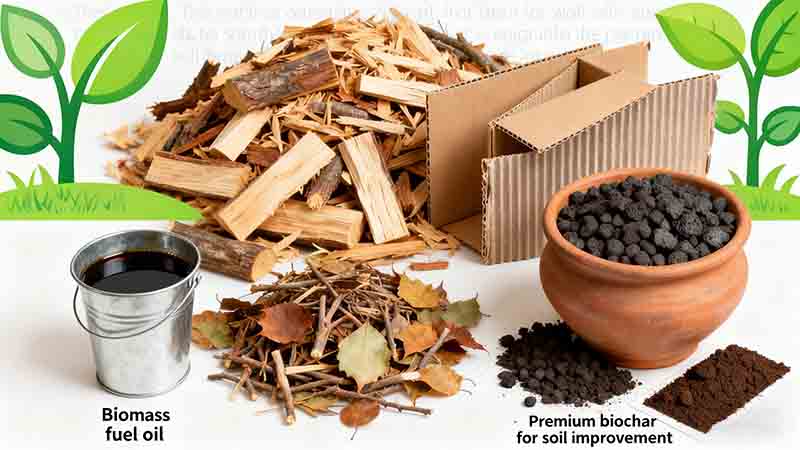
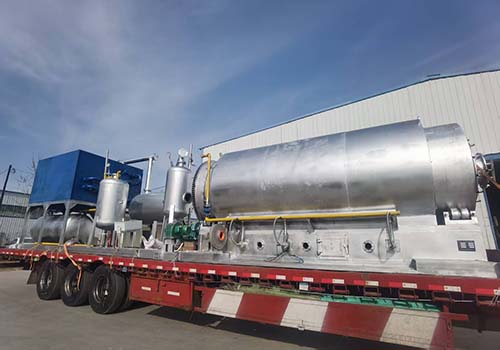
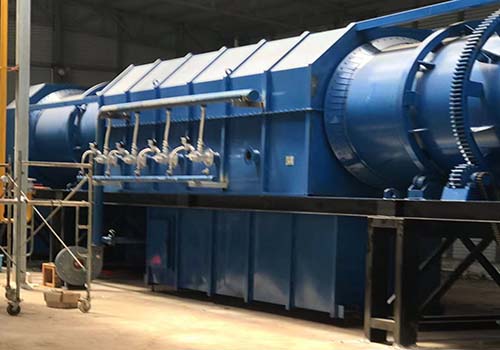
The uncontrolled accumulation and inefficient disposal of Municipal Solid Waste (MSW) has become a major obstacle to sustainable urban development. Landfilling occupies valuable space, incineration pollutes the environment, and treatment costs continue to rise. The MSW Pyrolysis Plant offers a dual advantage of “harmless treatment + resource recovery,” effectively addressing the entire waste management chain. It provides city authorities, waste management companies, and environmental investors with a practical, high-return, one-stop solution.
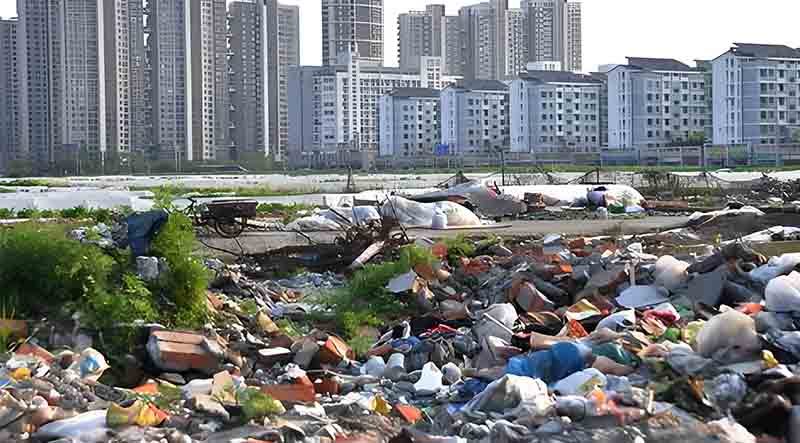
1. Waste Management Challenges: Why is urban waste increasingly difficult to handle?
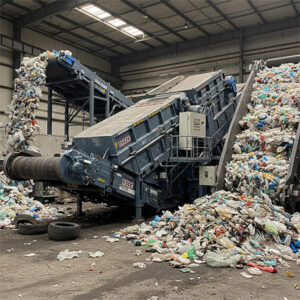
Population growth and rising consumption have led to a continuous increase in waste generation, putting traditional disposal methods in a dilemma. Landfilling requires large areas of land and risks soil and groundwater contamination. Incineration can reduce waste volume but generates toxic pollutants such as dioxins, PM2.5, and nitrogen oxides, posing high environmental risks and compliance pressures. Meanwhile, the labor and capital required for collection, sorting, and disposal continue to rise, making waste management a heavy financial burden for cities.
In the face of this “waste siege,” users are primarily concerned with how to efficiently and safely process massive amounts of waste at low cost, avoiding a vicious cycle of “treatment → pollution → re-treatment.”
The MSW Pyrolysis Plant provides a precise solution: using an “oxygen-free / low-oxygen pyrolysis” process, waste is thermally decomposed in a sealed reactor at 400–800°C without open flames, effectively preventing dioxin formation. The process achieves 70–85% volume reduction and 60–75% weight reduction, leaving only recyclable inorganics (metals, glass) and high-value resource products. This eliminates dependence on landfills and ensures zero secondary pollution throughout the process.
2. Waste Resource Recovery: How to turn waste into profit?
Traditional waste treatment focuses only on volume reduction, ignoring the inherent resource value of urban waste. Organic components like paper, plastics, wood, and food waste are rich in carbon and hydrogen, which could be converted into energy or materials but are often landfilled or incinerated, wasting resources while incurring ongoing costs.
User concern: Can waste treatment generate sellable products or energy, turning “environmental burden” into “profit asset”?
MSW Pyrolysis Plant solution: Enables “waste-to-resource” transformation:
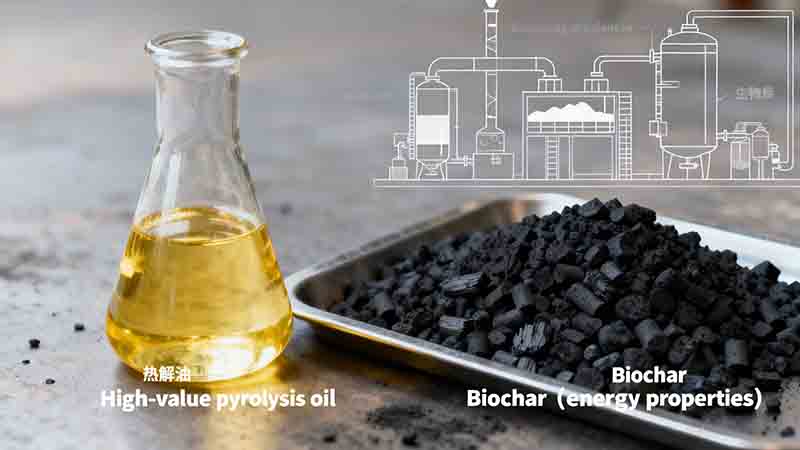
Low-oil organic waste (paper, wood, fruit shells, dehydrated food): Converts into biochar with >70% fixed carbon, usable as charcoal fuel ($300–450/ton), soil conditioner, or refined into activated carbon ($750–1,200/ton).
High-oil content waste (plastics, textiles): Produces 40–60% pyrolysis oil, with calorific value 4,500–5,000 kcal/kg, suitable as industrial fuel or refined into biodiesel/chemical feedstock.
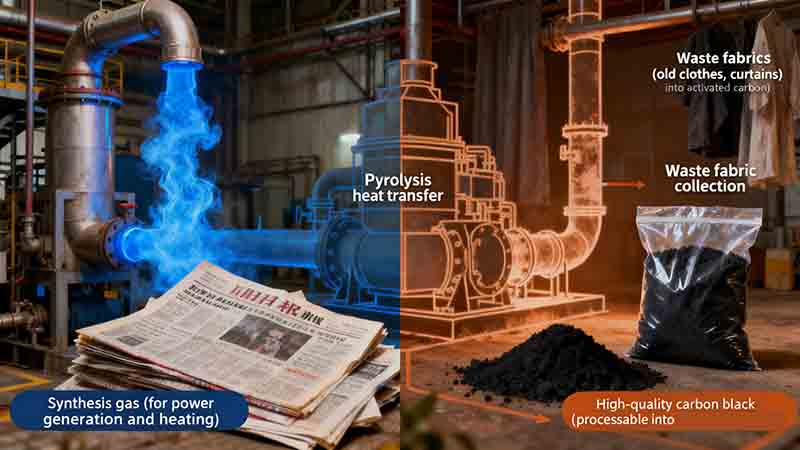
Mixed organic waste: Produces pyrolysis oil, syngas (H₂ + CO + CH₄), and biochar; syngas can supply heat or power for onsite use, reducing operational costs, with surplus electricity sold to the grid.
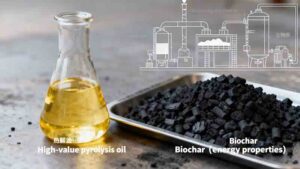
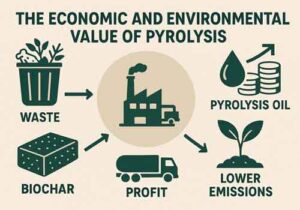
This creates a closed-loop “waste collection → pyrolysis → product sale” revenue chain, turning waste from a cost center into a sustainable profit source.
3. Complex Feedstock: How to safely handle different waste types?
MSW contains wet waste, low-oil waste, high-plastic waste, and mixed organics. Single equipment cannot efficiently handle all types, risking low efficiency, poor product quality, and equipment fouling.
User concern: Which equipment fits my waste type? Can it safely handle mixed waste without complex sorting?
MSW Pyrolysis Plant solution: Customizable “feedstock-adapted” solutions:
Low-oil organic waste (paper, dehydrated food, wood, textiles): Uses a carbonization pyrolysis machine, optimized for high-temperature carbonization to produce high-quality biochar. Low-energy gases are recycled internally, avoiding low oil yield losses.
High-plastic waste (plastic bags, bottles, takeaway containers): Uses continuous pyrolysis machines with advanced condensation systems to maximize oil yield for industrial fuel production.
Highly mixed waste: Uses pre-treatment and separation lines to sort inorganics (metals, glass, bricks) and organic fractions, then processes each in the appropriate system, ensuring efficiency and safety.
User benefit: High efficiency and safety without overly detailed sorting; equipment matches feedstock precisely for optimized product quality.
4. Environmental Compliance: How to meet regulations with low emissions?
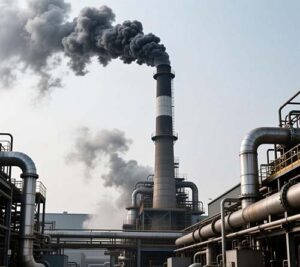
Environmental regulations are increasingly strict (e.g., MSW incineration pollution control standards, integrated air pollutant emission standards). Traditional incineration faces retrofitting or shutdown risks and limited policy support.
User concern: Can equipment meet environmental standards? Does it comply with carbon reduction policies and qualify for subsidies?
MSW Pyrolysis Plant solution:
Oxygen-free/low-oxygen design prevents dioxins, NOₓ, SO₂, and other pollutants. Only minor tail gas needs treatment.
Simple desulfurization, denitrification, deodorization, and dust removal systems achieve emissions well below regulatory limits, at 30–50% of incineration operating costs.
Biochar sequesters carbon, supporting carbon-neutral policies; eligible for environmental subsidies, carbon reduction rewards, and circular economy funds.
No wastewater is produced; cooling water is recycled, fully compliant with environmental acceptance requirements.
5. Investment Decisions: High costs and long payback periods?
Traditional incineration plants require tens of millions of dollars, large land areas, and high operating costs, relying on electricity and disposal fees for revenue, with payback periods of 5–8 years.
User concern: How much does an MSW Pyrolysis Plant cost? How soon can it pay back? Is the risk manageable?
MSW Pyrolysis Plant solution:
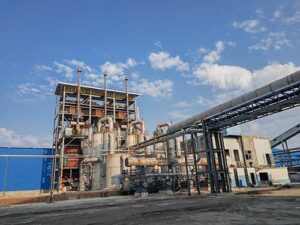
Modular, low-threshold, high-return design for 1–50 tons/day capacity; footprint 500–2,000 m²; initial investment 50–70% of equivalent incineration plants.
Multiple revenue streams reduce risk: pyrolysis oil, biochar, electricity, disposal fees ($12–30/ton in some regions), and environmental subsidies.
Low operating cost: syngas covers >80% of heating needs; high automation allows 1–2 operators per shift.
Fast payback: mature projects recover investment in 1–3 years, far shorter than traditional methods, with stable product markets and controlled risk.
6. Summary: Core Problems Solved by MSW Pyrolysis Plant
The MSW Pyrolysis Plant is more than waste disposal equipment—it is a “profit engine” for urban waste resource recovery:
Solves waste accumulation: Oxygen-free pyrolysis reduces volume 70–85% with zero secondary pollution.
Turns waste into profit: Multiple products (pyrolysis oil, biochar, syngas) generate revenue.
Handles complex feedstock: Efficiently treats mixed, low-oil, and high-plastic waste.
Ensures compliance: Low emissions, carbon sequestration, eligible for subsidies.
Low-risk investment: Modular, low initial investment, multiple revenue streams, 1–3 year payback.
Whether for small-to-medium cities, towns, upgrading waste management capacity, or environmental investment projects, the MSW Pyrolysis Plant transforms waste management from a “burden” into a growth point in the circular economy, making it the optimal solution for modern urban solid waste treatment.