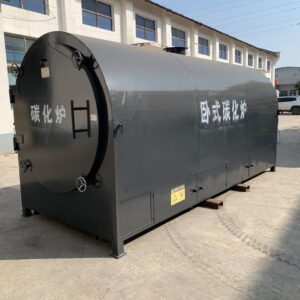

Wood vinegar is another name for smoke condensate or pyroligneous acid, which is a brown-colored liquid created by burning wood in an environment without oxygen. The burning process releases smoke and gas when the wood is broken down. By condensing the smoke through cooling it, one would get a liquid that is wood vinegar.
Wood vinegar has a unique smell, which is smoky and slightly sour. Wood vinegar has several beneficial components, such as small acids, tiny alcohols, and natural components found in the wood. Wood vinegar is used by farmers and gardeners in plant cultivation, pest control, and speeding up the composting process. It is also used by manufacturers of animal feed, natural cleaners, and other industries.
The text above has covered the creation process of wood vinegar and the human usage of wood vinegar. It also shows how efficient our machines in the Pyrolysis Unit are. This manual will guide you at every step of wood vinegar production if you are a manufacturer or someone interested in wood vinegar.
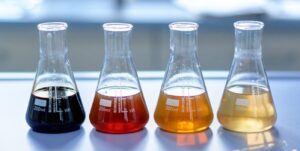
The first step is the wood. Not all wood makes the same quality of wood vinegar.
Good raw materials:
Hardwood chips and sawdust often give a steady, strong product.
Softwood can work too, but it may give a different smell or mix of compounds.
Agricultural residues (like rice husks, corn cobs, or bamboo) are usable and cheaper in some places.
What to avoid:
Treated wood or painted wood — these add toxic chemicals.
Wood with glue, varnish, or heavy oils.
Wet or green wood — it can make unstable output and reduce yield.
Preparation steps:
Sorting — remove metal, plastic, and stones.
Drying — lower the moisture to 10–20% if possible. Drier material gives more heat and better quality vinegar.
Grinding or chipping — small pieces heat evenly. This makes the process faster and the product more consistent.
At Pyrolysis Unit, we design our machines to handle a wide range of feedstocks. That means customers can run sawdust, wood chips, or agricultural waste on the same line with minimal changes. Our feeders and drying options help cut prep time and keep production steady.
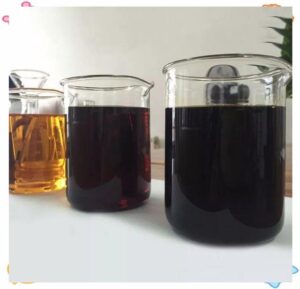
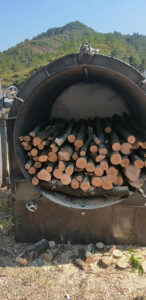
This process is called pyrolysis. It consists of decomposing wood under conditions when there is no air present. This is the description of pyrolysis in a few main steps.
Step 1 — Loading the reactor
Biomass is loaded into an enclosed reactor. Thus, no oxygen enters the reactor and the combustion does not occur.
Step 2 — Heating the substance
Heating the biomass within the reactor occurs at relatively moderate temperature levels (up to 300-500°C). As the result, the material is converted into:
Char (solid carbon, similar to the charcoal);
Gas (flammable substances which are useful for further heating);
Vapors (which condensate after cooling into liquid forms like wood vinegar and tar).
Step 3 — Extracting vapors
High-temperature vapors go out of the reactor into a special cooling apparatus, where fast cooling is necessary.
Step 4 — Condensation and separating products
When cooled, the liquid forms including:
Tar and wood oil;
Wood vinegar (pyroligneous acid), which is an aqueous solution containing various organics.
The mixture obtained as a result is separated by the help of settling tanks, filters, and separators.
Step 5 — Using gas again
Leftover gas (syngas) can be used as the source of energy. Nowadays, many pyrolysis installations heat reactors with syngas.
Continuous and batch processes
Batch processes involves loading, heating, cooling and unloading of a single batch at once. These are easy to make and best for small volume productions.
Continuous processes involves continuously loading of raw materials as well as removal of products without any interruption. They are ideal for large scale productions as well as uniformity of products.
Continuous process machine in our Pyrolysis unit
uses energy recovery as well as reuse of gases. It makes energy consumption very minimal thus low cost of production and high production yield of acetic acid.
Wood vinegar has many uses. Below are the most common and practical ones.
Agriculture and gardening
Soil conditioner: Many growers mix wood vinegar into the soil or compost to speed up decomposition and increase beneficial microbes.
Foliar spray: A diluted spray can help plants resist stress and may improve growth. Typical dilution is very high — often 200–1000 times, depending on the crop and strength.
Pest and disease support: Wood vinegar has compounds that can reduce some pests and fungal problems. It is not a replacement for pesticides but can help lower pressure when used properly.
Seed treatment: Soaking seeds in diluted wood vinegar can improve early germination in some cases.
Animal Husbandry
Odor Control: Applied in farm barns and pens to lessen smell.
Husbandry support: A small amount is applied to drinking water or feed of some producers to help animal intestinal health, though it needs to be applied very cautiously.
Composting and Wastewater Treatment
Quick compost: Diluted wood vinegar may promote faster microbial activity and decrease offensive odor.
Wastewater deodorization: May be employed to deodorize organic waste.
Uses in Industrial and Household Applications
Wood preservative: Traditionally, wood vinegar can be used to prevent wood degradation.
Natural cleaner: Diluted in proper ratio; it acts as a natural cleaner.
Smoking/Curing of Foods: Specific fractions of smoke condensate are known for use in food manufacturing industry. (Food safety tests are needed).
Limitations & Cautions
Wood vinegar is a complex substance and does not consist of a single substance or compound; it is dependent upon feedstock composition, extraction process and dilution method. It should be tested first on a smaller scale.
The vinegar produced using our Pyrolysis Unit machinery is consistent and dependable among many farmers. Our manuals contain dosing rates and application case studies for replication of results.
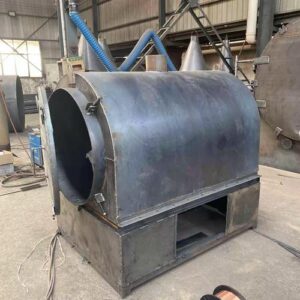
For the production of wood vinegar and scaling up production, reliability, high output, low cost of operation, and ease of maintenance are crucial. Pyrolysis Unit meets all these requirements.
High output and consistency in quality
Our reactor system can regulate the temperature and gas flow within the unit, making sure that the highest possible percentage of vapors is converted into liquid products and minimal tar ends up in the wood vinegar.
Higher energy efficiency
We reuse the produced syngas to maintain the temperature of the reactors. On large capacity units, we provide automatic heat recuperation to save fuel costs and reduce the environmental impact.
Flexibility of the design
Every customer is unique, and we understand the need for flexibility. We manufacture both batch type units for smaller-scale customers and continuous reactors for large plants.
Versatility in terms of feedstock
Our reactor system and feed systems can process any kind of biomass, including hardwoods, sawdust, rice husks, and bamboo. It allows customers to use local biomass sources.
Clean condensate separation
Our condenser and separator systems are designed to minimize tar carryover.
Safety and compliance
Safe features and comprehensive documentation come standard. We ensure safe handling of gases, pressurization, and emergency shut-down options. In addition, we assist customers to comply with local emissions and safety requirements.
Ease of operation and service
We engineer our machines to be easily accessible and cleanable. We also provide training, spare parts, and excellent after-sales service. Our customers often confirm that our field engineers helped them get their machines running smoothly.
Total cost of ownership
Initial costs matter, but so do reduced fuel consumption, increased production rates, and reduced downtime. We can provide you with detailed cost models to demonstrate how our machines will lower your payback period based on your feedstock and production goals.
Field reports from happy customers
Many customers report:
consistently stronger vinegar levels,
fewer issues with tar buildup,
reduced fuel expenses, and
rapid resumption of operation following maintenance.
We collect field reports from satisfied customers and incorporate improvements into future machine designs.
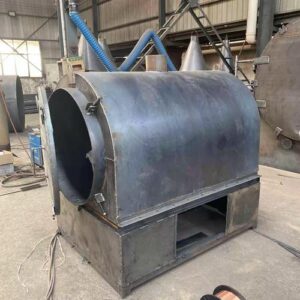
Go slow and try first. Perform small-scale experiments and trial runs first before mass production.
Maintain high quality feedstock. High-quality feedstocks result in better-quality products.
Observe safety precautions. Make sure everyone is trained in the proper use and dilution.
Maintain accurate data. Note down temperatures, feed rates, and condensate quantities for analysis.
Seek technical assistance. Partner with equipment manufacturers that provide training and maintenance services.
Pyrolysis Unit is here to assist you if you are considering making wood vinegar or want to enhance your current production process. Our machines are designed for continuous production, affordability, and safety. We also provide our clients with training and maintenance services.