
Top Manufacturer of Pyrolysis Machines/Units

Aluminum-Plastic Pyrolysis Plants In Vietnam

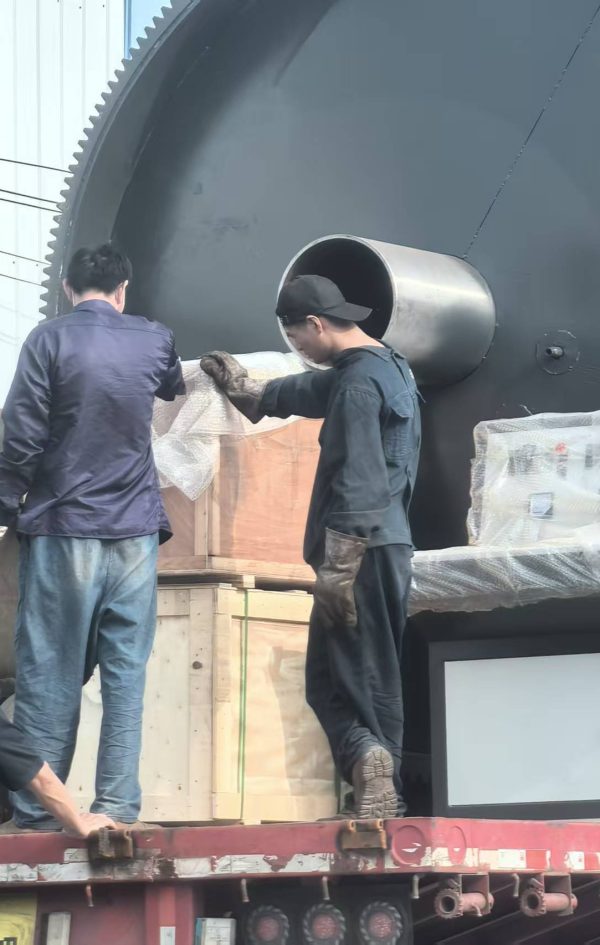
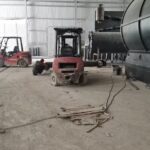
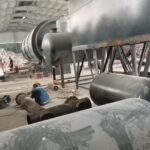
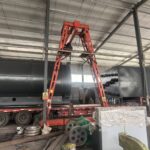
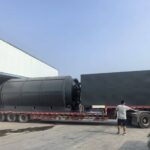
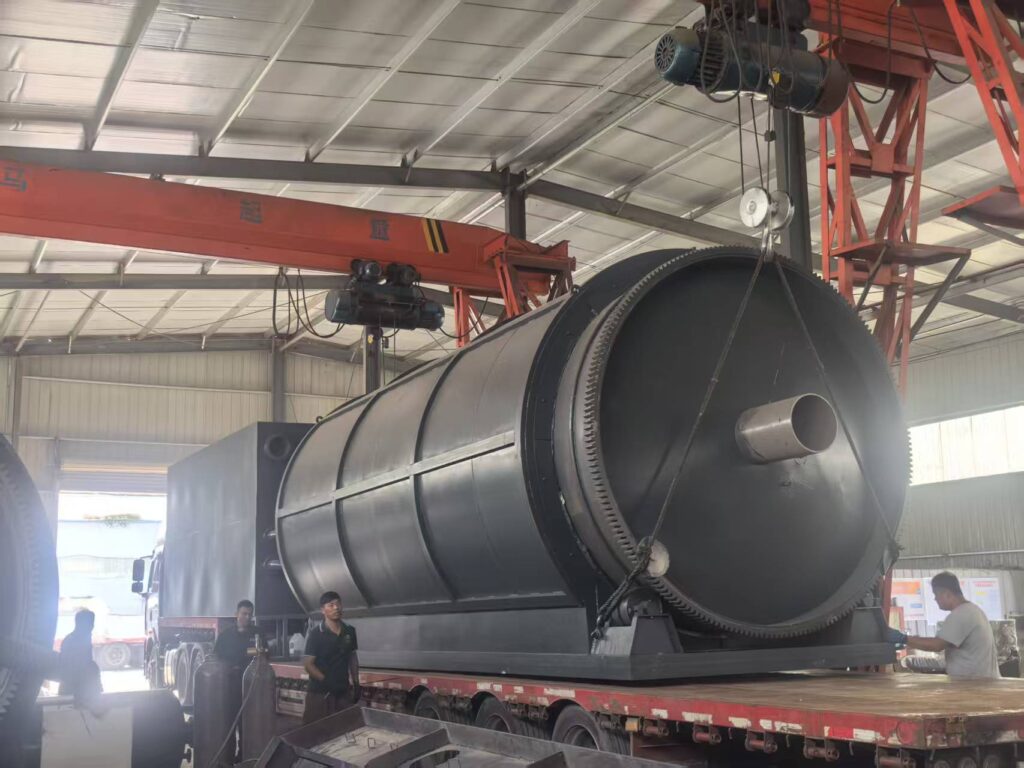
Two Aluminum-Plastic Pyrolysis Plants In Vietnam, Completed In October 2024

Two aluminum-plastic pyrolysis plants in Vietnam in October 2024-13

Project Background Introduction

As Vietnam’s manufacturing sector and consumer economy have rapidly expanded, the country has faced mounting challenges regarding industrial and municipal solid waste management. A prominent waste recycling enterprise based in Ho Chi Minh City sought to upgrade its capabilities to process complex, non-biodegradable materials.


The client had accumulated massive stockpiles of aluminum-plastic composites (such as medical blister packs and aseptic packaging) alongside automotive waste tires. Traditional disposal methods, such as landfilling and incineration, were no longer viable due to stricter environmental regulations and the loss of potential resource value. The client needed a high-efficiency, eco-friendly technological solution to convert these complex polymers into high-value energy products while simultaneously recovering the scrap aluminum and steel wire. The project was officially commissioned and completed in October 2024.

Professional Solution Developed for the Client

To address the client’s dual requirements for handling medical aluminum-plastic composites and automotive waste tires, we engineered a multi-feedstock, semi-continuous pyrolysis system. The customized solution comprised two 15-ton-per-day (TPD) pyrolysis reactor lines, running in parallel to maximize daily throughput and ensure operational redundancy.

First, the system utilizes a hydraulic auto-feeder designed to handle both shredded tires and compressed aluminum-plastic bales without requiring extensive manual pre-sorting. Inside the rotary reactor, the materials undergo oxygen-free thermal degradation at precisely controlled temperatures between 280°C and 320°C. For aluminum-plastic composites, the plastic polymers vaporize into oil gas, while the solid aluminum foil remains intact for highly profitable post-process recovery. When the client switches the batch to waste tires, the rubber similarly vaporizes, leaving behind carbon black and scrap steel wire.

To ensure superior yields and exceptional safety, both plants were equipped with a highly efficient multi-stage tubular cooling system that rapidly condenses the oil gas into premium fuel oil. A critical component of this tailored solution was the environmental control infrastructure. We integrated a specialized syngas recycling loop that routes non-condensable combustible gases back to heat the furnace, drastically reducing external fuel consumption and lowering overhead costs.

Furthermore, a state-of-the-art flue gas purification system—featuring water spray towers and activated carbon adsorption—was installed to ensure all emissions strictly comply with Vietnam’s national environmental protection standards. This closed-loop design successfully transformed the client’s waste liability into a sustainable, compliant energy enterprise.

Project Results & Performance Metrics

Two aluminum-plastic pyrolysis plants in Vietnam in October 2024-15
PyrolysisUnit ISO CE Approved

ISO CE Approved

The equipment quality has passed IAF, CNAS, ISO, CE certifications, Certified by international professional organizations, the equipment is safe and reliable.

PyrolysisUnit AAA Credit Audited Enterprise

AAA Credit Audited Enterprise

One of the top refining equipment manufacturers in China, The government Audited Superb as AAA credit company (top level).

PyrolysisUnit Solutions for Pyrolysis And Distillation

Solutions for Pyrolysis And Distillation

We will provide you with the latest industry solutions, and provide you with a one-year after-sales warranty to ensure stable operation of the equipment.

PyrolysisUnit 24-hour service

24-hour service

We have professional engineers to solve various problems for you, including equipment, process, material problems, etc.

PyrolysisUnit Professional R&D team

Professional R&D team

We have obtained a number of utility model patents, including distillation production equipment and pyrolysis module equipment.

PyrolysisUnit Fast Delivery

Fast Delivery

We have sufficient stock of pyrolysis and distillation equipment to ensure efficient logistics and fast delivery.

The facility reached full operational capacity within weeks of its October 2024 completion. The dual-line setup provided the client with the flexibility to alternate between waste streams based on local supply and market demands.

Key Performance Metrics:

  • Annual Waste Tire / Aluminum-Plastic Processing Capacity: 9,000 tons (Based on 30 TPD total capacity operating for 300 days a year)

  • Average Pyrolysis Oil Yield: 45% (Averaged across mixed high-yield plastics and standard waste tires)

  • Annual Fuel Oil Production: 4,050 tons

Financial Overview (Simple Calculation):

The following table outlines the estimated economic performance for the first year of operation, assuming an average local market price for the output fuel oil and by-products.

Financial MetricEstimated Value (USD)Breakdown Notes
Total Initial Investment$650,000Includes 2 pyrolysis plant units, shipping, installation, and civil works.
Annual Operating Costs$850,000Includes raw material acquisition ($60/ton), labor, electricity, and initial heating fuels.
Annual Revenue (Fuel Oil)$1,620,0004,050 tons of pyrolysis oil sold at an average of $400/ton.
Annual Revenue (By-products)$380,000Sale of recovered aluminum, carbon black, and scrap steel wire.
Total Annual Revenue$2,000,000Combined revenue from all recovered resources.
Annual Net Profit$1,150,000Total Revenue minus Annual Operating Costs.

Return on Investment (ROI):

  • ROI Percentage: 176% in the first year of operation.

  • Payback Period: Approximately 6.5 months to recover the initial capital expenditure.

Other Cases

Conclusion

The installation of the two aluminum-plastic and waste tire pyrolysis plants in Vietnam stands as a benchmark for profitable, sustainable waste management. By leveraging advanced semi-continuous pyrolysis technology, the client successfully diverted 9,000 tons of complex, non-degradable waste from local landfills annually.

Financially, the project achieved an exceptional return on investment by capitalizing on the high yield of pyrolysis oil and the lucrative recovery of scrap aluminum and steel. Environmentally, the closed-loop syngas recycling and advanced emission scrubbing systems ensured that the economic gains did not come at an ecological cost. Ultimately, this October 2024 deployment proves that with the right technical solution, processing challenging mixed solid wastes is not only environmentally necessary but highly lucrative.

Scroll to Top