How Can Carbon Black Be Deeply Processed And Sold At A High Price
Start with the right product: not all carbon black is equal
If you want a higher selling price, do not treat all carbon black the same. Commercial carbon black is already a broad family, and its value depends on how it was made and what it can do. One source notes that the furnace process is the most common production route, accounting for over 80% of total capacity, which tells you how crowded the commodity side is. By contrast, specialty grades get paid for tighter control of surface area, conductivity, and dispersion.
For a simple business view, you can group the product into three tiers:
Tier | Typical use | Main value driver | Main barrier to a higher price |
Commodity carbon black | tires, general rubber, bulk filler | volume and cost | weak differentiation |
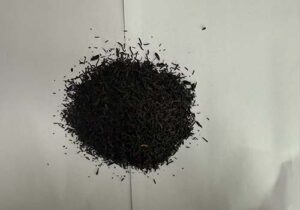
Recovered carbon black (rCB) | rubber compounds, recycled materials, tire loops | sustainability plus usable performance | ash, sulfur, and variable quality |
Specialty / high-performance carbon black | inks, coatings, plastics, conductive uses, batteries | jetness, conductivity, structure, dispersion | strict spec control |
The highest price does not come from “more carbon.” It comes from a tighter match between particle behavior and customer need. Surface area helps with UV absorption and visual performance. Structure affects dispersion and electrical conductivity. Good dispersion is a major part of color and performance value, especially for fine or high-surface-area grades.
How deep processing actually creates value
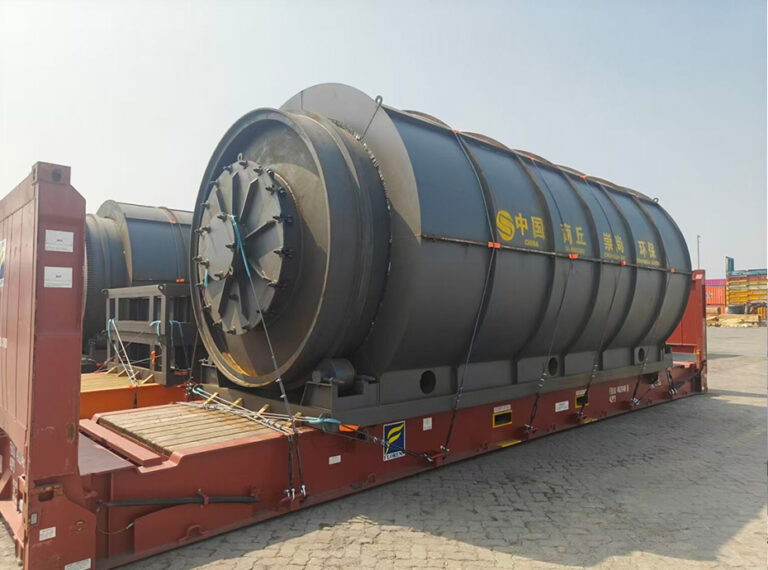
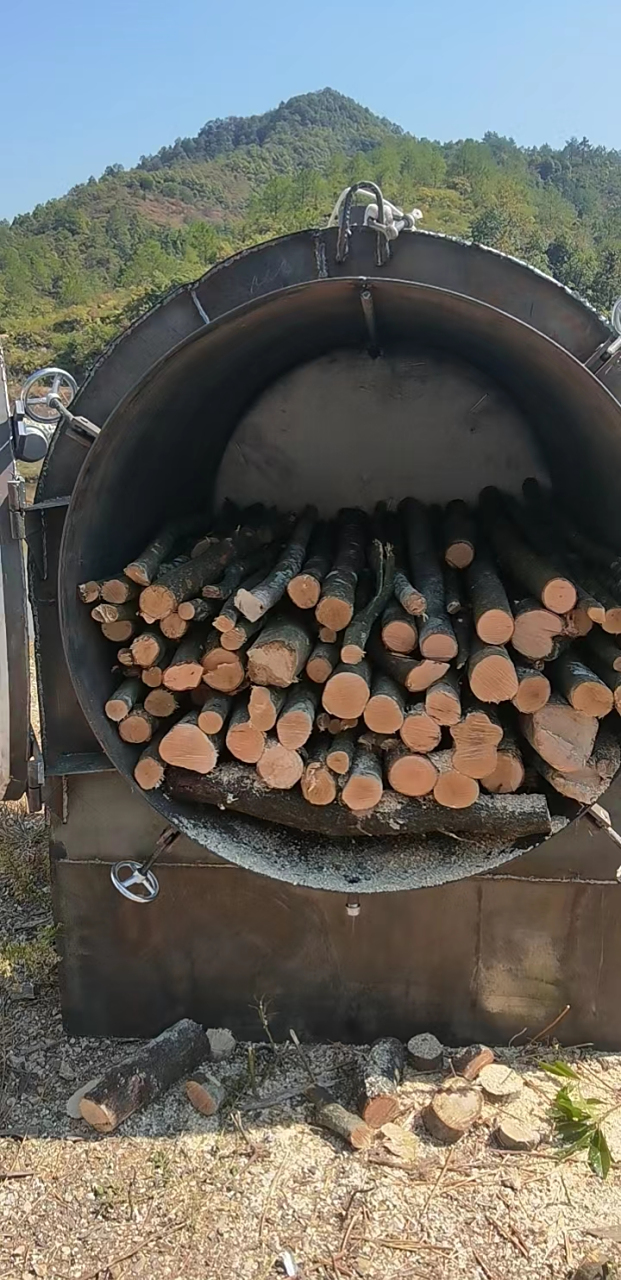
In practical plant terms, deep processing means turning an inconsistent solid into a spec-controlled industrial input. For tire-derived material, the process often starts with thermochemical recycling or pyrolysis. One current source describes advanced pyrolysis of end-of-life tires at about 500–700°C in an oxygen-free environment, producing oil, gas, and a solid carbon residue that is then refined into recovered carbon black.
A workable upgrading line usually follows the same logic:
- Feedstock sorting and pretreatment
Remove dirt, steel, fiber, and unstable feedstock. The more uniform the input, the easier it is to hold quality later. - Controlled pyrolysis
Keep oxygen out and control temperature and residence time. This affects yield, residue quality, and how much cleanup is needed later. Review papers on tire pyrolysis and rCB keep coming back to process conditions and final product quality. - Primary cleaning and classification
Separate steel and coarse ash. This is a simple step, but it can make the difference between a low-grade residue and a useful raw material. - Ash reduction and demineralization
This is one of the biggest value steps for rCB. Recent reviews say mineral impurities and carbonaceous residues block surface sites and hurt performance, while demineralization and activation are key upgrade routes. - Activation or surface treatment
This step matters when you want a higher-end use, especially if the target is better adsorption, conductivity, or better rubber performance. One review and one recent research paper both point to chemical or thermal treatment as a way to improve rCB quality. - Grinding, milling, and final classification
Particle size control matters because buyers do not pay for random dust. They pay for repeatable behavior in a compound, ink, coating, or battery mix.
Key report parameters to watch
Parameter | Why it matters | What it tells the buyer | Source cues |
Surface area | Linked to UV absorption, tinting, and conductivity | Whether the product can perform in premium uses | |
Structure | Affects dispersion and electrical conductivity | Whether the grade will mix well and conduct well | |
Ash content | A major barrier in rCB use | How much inorganic residue remains | |
Volatile matter | Signals remaining light compounds and process cleanliness | Whether the material is stable and clean enough for reuse | |
Sulfur | Important in tire and rubber reuse | Whether the material will behave well in compounds | |
Dispersion | Critical for color and performance | Whether the black will work smoothly in the host matrix | |
Jetness / tinting strength | Important in inks, coatings, and plastics | Whether the black looks deep and clean | |
Conductivity | Important in specialty and battery uses | Whether the grade can serve conductive applications | |
Sell into the right market, not the widest market
The fastest way to miss the price ceiling is to sell a premium-leaning material into a bulk-only market. Carbon black is used in tires, rubber goods, plastics, inks, coatings, and conductive products. Those applications do not pay the same way. Tires and general rubber buy volume. Inks, coatings, and conductive compounds buy performance. Batteries and electronics buy precise behavior.
For rCB, tire reuse is the most important long-term route. A 2025 review says the main goal is reuse in new tire production, and it focuses on activation, demineralization, and rubber incorporation. That means the end market is not just “recycling.” It is a closed loop back into rubber compounds.
For higher price, I would think in four selling paths:
- Rubber compounding:stable demand, but quality must be consistent.
- Plastics, inks, and coatings:better margins when jetness and dispersion are strong.
- Conductive materials and batteries:higher value when surface area and structure support conductivity.
- Sustainable specialty supply:buyers may pay more when the product has a clear recycled story and documented quality.
The important point is simple: you get a higher price when you sell a performance story backed by data, not just a carbon story.
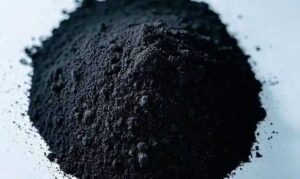
How to price it higher
The market is already showing that carbon black is not a flat-price product. A March 2026 pricing report shows different regional price levels, with North America at 2.03 USD/KG, Europe at 1.7 USD/KG, Africa at 1.75 USD/KG, the Middle East at 1.56 USD/KG, and Northeast Asia at 1.16 USD/KG. The same report says pricing updates are monthly and reflects demand from tires, rubber compounding, feedstock costs, and energy costs.
There is also a direct signal from a major producer. In March 2026, Cabot said it would raise global prices for specialty carbon black products by up to 20 percent, plus an ongoing surcharge. That matters because it shows specialty carbon black is still priced with room for higher-value positioning when market conditions support it.
Timeline of how the value story has evolved
Year | What changed | What it means for sellers |
2022 | Review work focused on pyrolysis, product yield, and upgrading rCB | The market started to treat rCB as a real industrial feedstock, not just residue |
2024 | Industry writing stressed dispersion and formulation for high-jetness value | Buyers care more about how the product behaves in the compound |
2025 | Reviews focused on activation, demineralization, and rubber reuse | Quality improvement became the main path to higher value |
2025 | New research tested chemical and thermal treatment to improve rCB against N330-type use | The target is now partial replacement of commercial grades |
2026 | Major price moves appeared in specialty carbon black | The market is still paying more for controlled, high-end grades |
My practical pricing rule is this: price by verified spec, not by ton alone. If you can show lower ash, better dispersion, stronger jetness, or usable conductivity, you give the buyer a reason to move from commodity pricing to specialty pricing. The value has to be visible in test data and stable batch performance.
A simple checklist before you try to sell at a premium
Before you ask for a higher price, make sure the product answer is clear on these points: what feedstock you used, how you controlled pyrolysis, how much ash and sulfur remain, how well the product disperses, and what application it was tested for. That is the difference between a loose recycling story and a real industrial material story.
A clean commercial path usually looks like this:
recover → clean → upgrade → test → match to one use case → sell on data.
That is the safest route to a higher price, because every step reduces risk for the buyer.
Q&A
Q1: What is the fastest way to raise carbon black value?
Upgrade it for a narrow use case. Remove ash and other impurities, improve dispersion, and sell it into an application that cares about those specs, such as rubber compounds, inks, coatings, or conductive materials.
Q2: Why does rCB often sell for less than virgin carbon black?
Because rCB usually has higher ash, sulfur, and more variable quality. Those issues can block performance unless the material is cleaned and upgraded.
Q3: Which quality tests matter most?
Surface area, structure, ash, volatile matter, dispersion, jetness, conductivity, and sulfur are the key ones to watch. They tell the buyer how the material will behave in a real compound.
Q4: Can pyrolysis carbon black be used in new tires?
Yes, but only after enough upgrading. The literature on rCB focuses on activation, demineralization, and rubber incorporation because those steps are needed to move the material back toward tire-grade use.
Q5: What end market usually pays the best?
The best pricing usually comes from specialty uses that need strict control, such as conductive materials, inks, coatings, and other high-performance applications. Those markets reward proof, not just volume.
Q6: What is the main lesson from the current market?
Carbon black sells at a high price when it is not treated as waste or filler. It sells well when it is processed into a controlled material with clear performance data and a clear application target.