
The system is designed for efficient large-scale processing, with a production capacity of 1 ton/hour. Its fully automatic operation, from feeding to sorting and separation, minimizes labor while maximizing output.
Semi Continuous Pyrolysis
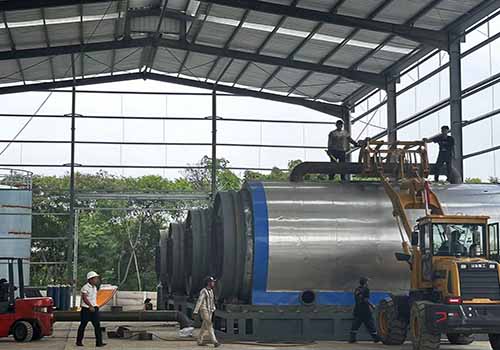
The Semi-Continuous Pyrolysis System features a horizontal rotary design with a compact layout and stable performance. It processes 15–30 tons of materials per day, ideal for medium-scale treatment of rubber powder, waste plastics, and used tires.
Operating under slight negative pressure, the main reactor rotates at 0.8–1.0 rpm, driven by a 7.5 kW motor for consistent heating and smooth feeding/discharging. It uses water cooling and a gear ring drive for improved durability and transmission stability. Noise
Features of Semi Continuous Pyrolysis>>
Equipped with advanced crushing, magnetic separation, airflow, and electrostatic separation, the system ensures effective recovery of valuable materials (such as copper, aluminum, and black powder) with minimal metal loss.
The entire recycling process is enclosed and supported by a pulse dust removal system, ensuring clean operations with reduced environmental impact and compliance with emission standards.
About Semi Continuous Pyrolysis Guide>>
From the perspective of the product itself
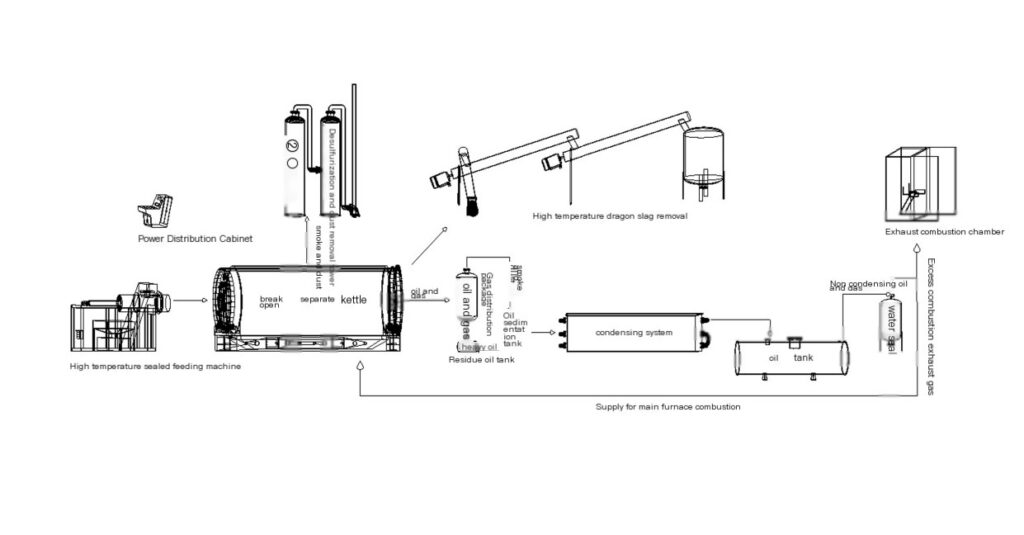
As a key piece of equipment in waste pyrolysis treatment technology, the semi-continuous pyrolysis machine skillfully combines the efficiency of continuous systems with the flexibility of batch processes. Its core structure includes an automatic feeding system, sealed pyrolysis reactor, gas-solid separation unit, and thermal energy recovery module, enabling a fully closed-loop process—from raw material pretreatment and pyrolysis reaction to combustible gas collection and char discharge.
In practical application, the semi-continuous pyrolysis machine supports 24-hour intermittent operation without frequent start-stop cycles, significantly reducing energy consumption and thermal losses. At the same time, precise control over the internal temperature and atmosphere ensures reaction stability and high selectivity for target products. This is especially advantageous when processing complex solid wastes like oil sludge, waste tires, and biomass.
The product also emphasizes modular design and maintainability: the reactor is built from high-temperature, corrosion-resistant alloy steel, paired with an efficient thermal insulation system to extend service life. A PLC + touchscreen control system makes operation intuitive, while fault diagnosis and data tracking are more intelligent. Multiple capacity configurations (e.g., 500 kg/h, 1 ton/h, 2 ton/h) meet the diverse needs of small to medium-sized industrial treatment stations and decentralized processing centers.
Most importantly, the semi-continuous pyrolysis system offers high scalability—it can be integrated with tail gas purification units, carbon black processing equipment, or liquid fuel refining modules, achieving the triple value of resource recovery, harmless treatment, and economic feasibility.
The working characteristics of a semi-continuous pyrolysis machine
Semi-Continuous Pyrolysis System – The Intelligent Fusion of Batch and Continuous Processing for Waste Conversion!
Utilizing segmented feeding control, part of the material is fed all at once, while the rest is dynamically added in a controlled flow. This allows for precise adjustment of the reaction environment, ensuring efficient and stable processing. The constant-temperature micro-vacuum pyrolysis (300–450°C), combined with a dual-point heating system, significantly enhances product selectivity (e.g., reducing side reactions in bio-fermentation), achieving an oil yield of 45%–50%.
With 7 layers of safety protection and a fully automated feeding and discharging design (such as 20 tons/day for oil sludge treatment), this system effectively replaces high-risk batch operations. The intelligent control center (e.g., BLL-16 model with screw feeder) enables flexible production cycles—offering the flexibility of batch processing with the efficiency of continuous systems.
Environmentally compliant, energy-saving, and highly profitable—this solution makes waste treatment smarter and safer!
Advantages of semi-continuous pyrolysis machine
Why Choose Continuous Pyrolysis?

Precision Feeding System
A fully automatic variable frequency quantitative feeding design precisely controls the amount of raw materials supplied per unit time, ensuring pyrolysis efficiency and fully utilizing thermal energy.
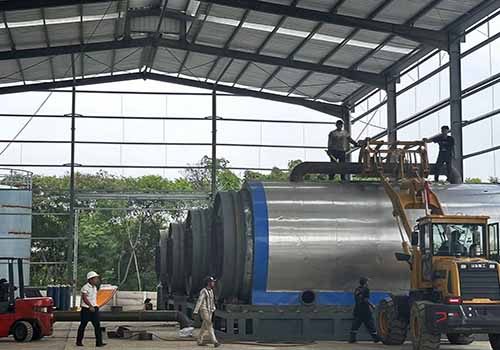
Automatic Wall Cleaning Rotary Pyrolysis Kettle
The spiral blade structure inside the pyrolysis kettle is optimized according to the pyrolysis stage, effectively adapting to the changing state of the raw materials. The automatic wall cleaning function prevents sticking, reduces maintenance time, and improves continuous operation.
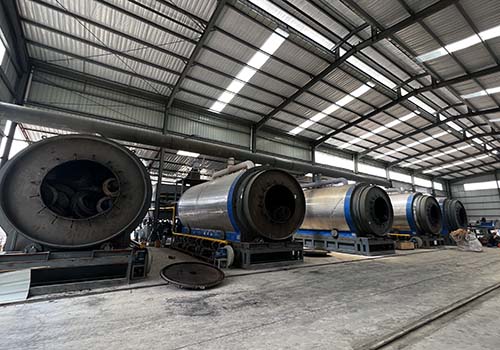
Efficient Slag Discharge System
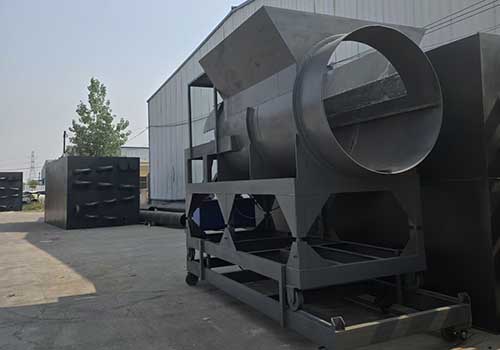
A two-stage, multi-line high-temperature sealing structure ensures stable, sealed conveying of high-temperature carbon black, enhancing system airtightness and safety.
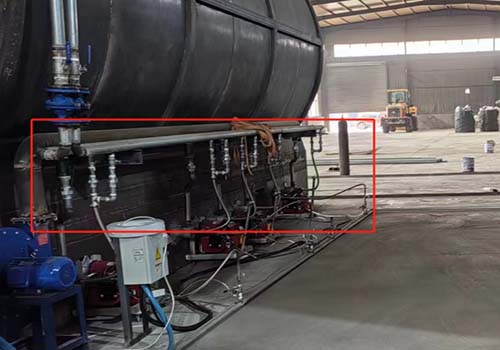
Dual-Point Constant Temperature Heating System
Dual-point constant temperature and multi-point temperature control ensure uniform temperature within the pyrolysis kettle, optimize thermal energy utilization, and increase oil yield (up to 45%–50%).
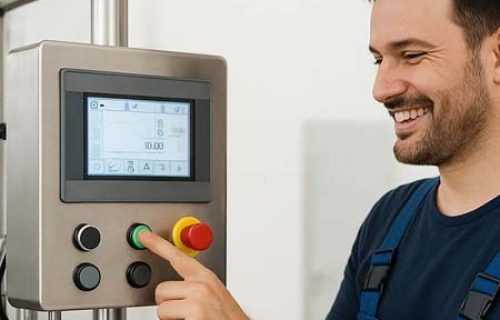
Intelligent Automation Control
Equipped with a PLC intelligent control system and touch screen, it supports parameter adjustment, fault diagnosis, and data monitoring, enabling automated and remote visual operation.
- Multiple Safety Protections
The system is equipped with multi-point temperature and pressure monitoring with automatic alarm mechanisms. It includes features such as over-temperature/over-pressure alerts and emergency pressure relief via explosion-proof devices, significantly enhancing operational safety. - System Isolation Design
Non-condensable combustible gases are isolated from the combustion system via a dedicated pressure control system, effectively preventing backfire or explosion risks. - Triple Explosion-Proof & Flame Arresting
Before entering the combustion chamber, the gas passes through a water seal, a gas nozzle, and a flame arrester, providing triple-layer isolation to ensure combustion safety. - Strict Material Standards
The entire machine is built using high-temperature and corrosion-resistant materials that comply with the national Steel Pressure Vessel Standard, ensuring strength and long-term durability.
- Compliant Exhaust Gas Treatment
Non-condensable combustible gases are recovered and used as fuel. Combined with an atomized desulfurization and dust removal device, exhaust emissions meet the GB13271-2001 national standard. - Harmless Wastewater Treatment
Approximately 50 kg of weakly acidic wastewater is generated per ton of oil produced. It is neutralized with alkaline liquid, filtered, and then sent to an evaporator that utilizes flue gas heat, ensuring safe and compliant discharge. - Resource Utilization of Solid Waste
The residual carbon black can be reused as industrial raw material—for further processing into refined carbon black, as a component in fly ash bricks, or formed into carbon rods for fuel—achieving both resource recovery and reuse.
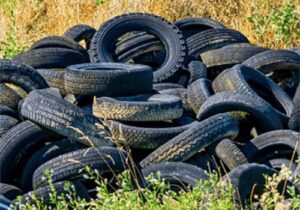
Waste tires
Fuel Oil: 35%–45%
Carbon Black: 30%–35%
Steel Wire: 10%–15%
Non-condensable Gas: 5%–10%
Waste Plastics
Fuel Oil: 45%–75%
Carbon Black (if applicable): 10%–15%
Non-condensable Gas: 10%–20%
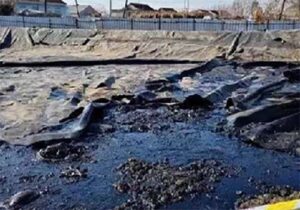
Oil Sludge / Oil Residue:
Fuel Oil: 20%–40%
Solid Residue (slag): 60%–80%
Non-condensable Gas: Trace
Rubber Products
Fuel Oil: 35%–45%
Carbon Black: 30%–35%
Steel Wire (if applicable): 10%–15%
Gas: 5%–10%
Agricultural waste
Biochar: 25%–35%
Wood Vinegar: 10%–15%
Wood Tar: 5%–10%
Combustible Gas: 30%–50%


From the user's perspective
1. Easy Operation
The semi-continuous pyrolysis system is designed with maximum operational convenience in mind:
Automated Feeding & Discharging: The system includes a fully automated, frequency-controlled feeding mechanism, enabling precise control of input quantity per unit time. This ensures complete pyrolysis of raw materials under stable thermal conditions.
Self-Cleaning Rotary Reactor: The pyrolysis reactor features a specially engineered spiral blade layout based on material decomposition behavior at different stages. More importantly, the auto wall-cleaning system prevents residue build-up, eliminating the need for manual cleaning and reducing downtime.
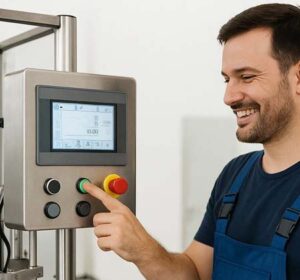
Integrated Intelligent Control (PLC): The centralized smart control terminal allows real-time monitoring and control of temperature, pressure, and operational status — significantly lowering the learning curve for operators.
2. Labor-Saving
This system is highly automated, minimizing labor requirements across the entire process:
No Frequent Manual Intervention: From feeding to slag discharge, the system operates in a semi-continuous flow, reducing the frequency of shutdowns and restarts.
Automated Slag Discharge: Equipped with a dual-seal, high-temperature-resistant carbon black discharge system, which eliminates the need for manual handling — improving safety and reducing labor intensity.
Fewer Staff, Higher Output: One or two trained operators can manage the entire production line, making it ideal for scaling with limited manpower.
3. Safe & Eco-Friendly
Safety and environmental protection are built into every aspect of the equipment:
Multi-Point Safety Monitoring: The main furnace and settling tanks are equipped with temperature sensors, pressure gauges, safety valves, and explosion-proof valves. Over-pressure and over-temperature alarms ensure operational safety at all times.
Triple Fire Protection: Non-condensable gases (C1–C4 hydrocarbons) pass through water seals, flame arresters, and gas burners before combustion — eliminating backfire and explosion risks.
Gas & Liquid Emissions Control:
Waste gases are re-burned using the system’s recovered heat, passing through desulfurization and dust removal systems. Emissions meet GB13271-2001 standards.
Acidic wastewater (~50kg per ton of oil) is neutralized, filtered, and evaporated using waste heat — ensuring harmless discharge.
Solid Waste Recycling: The remaining carbon black (40–45%) is recyclable and can be sold or used in deep processing for rubber, ink, or construction materials.
4. Cost-Effective Investment
Semi-continuous pyrolysis equipment offers the perfect balance between capital investment and return:
Optimized Throughput: Systems like the BLL-16 model can process up to 20 tons per day, yielding 45% fuel oil and 40–45% carbon black — high ROI with consistent output.
Low Operating Costs: Thanks to thermal energy recycling (e.g., flue heat used for evaporation), the system minimizes fuel and utility expenses.
Flexible Output Value: End products (fuel oil, carbon black) are marketable across various industries — from boiler fuel to rubber manufacturing — offering diverse revenue streams.
Long Service Life: Made from corrosion- and heat-resistant materials in compliance with national pressure vessel standards, ensuring durability and fewer maintenance costs.
From the perspective of industry applications
1. Waste Tire Disposal – A Scalable, Safe, and Profitable Solution
The semi-continuous pyrolysis system offers a smart, efficient, and eco-friendly method to address the global challenge of end-of-life tires (ELTs):
High Volume Processing: Capable of handling 10–20 tons per day (e.g., BLL-16 model), ideal for centralized or regional waste tire treatment facilities.
Clean Conversion: Tires are thermally decomposed in a low-oxygen, sealed environment, minimizing toxic emissions.
Output Value:
~45% fuel oil – suitable for industrial boilers or further refining.
~40–45% carbon black – usable as filler material or refined for advanced applications.
~5–8% non-condensable gas – reused as a clean energy source within the system.
By converting problematic solid waste into valuable energy and materials, this technology transforms tire disposal from a burden into a resource-driven opportunity.
2. Rubber Resource Recovery – Maximizing the Value of Waste Materials
Semi-continuous pyrolysis aligns perfectly with the principles of circular economy and resource efficiency in the rubber and polymer industries:
Full Recovery: Extracts usable outputs from rubber-based waste such as tires, conveyor belts, shoe soles, rubber sheets, and more.
Product Diversification:
Pyrolysis oil: Can be used directly or refined into diesel.
Carbon black: Applicable in manufacturing bricks, rubber products, printing ink, or as solid fuel.
Flexible Feedstock: Accepts mixed rubber waste, offering high adaptability to local raw material availability.
This supports industries in closing the loop on rubber product lifecycles, reducing raw material dependency, and opening new profit channels via material recovery.
3. Environmental Compliance – Built to Meet and Exceed Regulatory Standards
With global and regional governments tightening environmental regulations around waste treatment and emissions, the semi-continuous pyrolysis system ensures seamless policy alignment:
Air Emission Control:
Integrated gas recovery & reuse reduces VOC emissions.
Equipped with patented desulfurization & dust removal systems, ensuring exhaust meets GB13271-2001 and equivalent international standards.
Wastewater Neutralization & Treatment:
Small volumes of weakly acidic water (~50kg/ton oil) are neutralized, filtered, and evaporated using flue heat.
Solid Waste Reutilization:
Residual carbon black is non-toxic and can be repurposed, preventing landfill accumulation.
Safety & Certification:
Built with materials and engineering that meet national pressure vessel standards, ensuring long-term, compliant operation.
This ensures operators can easily pass local environmental audits, secure government support or subsidies, and integrate into green supply chains.
Conclusion: Versatile, Policy-Aligned, and Industry-Ready
Whether you’re a waste management company, an energy recovery facility, a rubber recycler, or an industrial plant seeking green transformation, the semi-continuous pyrolysis system provides:
A compliant and profitable waste-to-resource solution.
A path toward net-zero emissions and material circularity.
Alignment with national and international environmental and sustainability goals.
Conclusion
The Semi-Continuous Pyrolysis System stands at the intersection of efficiency, safety, environmental responsibility, and economic value. From a product perspective, it integrates intelligent automation, precise thermal control, and robust safety design to ensure stable and reliable operation. From the user’s point of view, it offers ease of operation, reduced manual labor, strong environmental compliance, and outstanding return on investment. In terms of industry application, it aligns with global trends in waste tire disposal, rubber resource recovery, and green policy adaptation.
Whether you’re aiming to reduce environmental impact, unlock new revenue from waste materials, or stay ahead of regulatory requirements, this system is a proven, scalable, and future-ready solution.
Now is the time to turn waste into wealth, and compliance into opportunity — with semi-continuous pyrolysis at the heart of your sustainable strategy.
Specific Parameters>>
| Name | Unit | Quantity | Specifications |
|---|---|---|---|
| Pyrolysis Kettle | Piece | 1 | Size: Φ2800×8000×δ18, 45.3m³ |
| Material: Q345R | |||
| Pressure Reduction Dust Collector | Piece | 1 | Size: Φ900×1500×δ6.0 |
| Shell Material: Q235 | |||
| Residue Oil Tank | Piece | 1 | Size: Φ600×750×δ5.0 |
| Shell Material: Q235 | |||
| Damping Sedimentation Tank | Piece | 1 | Shell Size: Φ500×1000×δ5 |
| Shell Material: Q235 | |||
| Pipe Condenser | Set | 1 | Size: Φ6600*3000*3000*δ5 |
| Shell Material: Q235 | |||
| Oil Storage Tank | Piece | 1 | Size: Φ1500×4500×δ5 |
| Material: Q235 | |||
| Water Seal | Piece | 2 | Size: Φ900×1900×δ5 |
| Shell Material: Q235 | |||
| Raw Material Bin | Piece | 1 | Size: 1500×1500×2000×δ2.5 |
| Shell Material: Q235 | |||
| Raw Material Conveyor | Piece | 1 | Size: 3200×600×2500 |
| Power: 2.2kw, Capacity 15m³/h | |||
| High Temperature Automatic Feeder | Piece | 1 | Size: Φ425×3500 |
| Power: 7.5kw, Feeding Capacity 15m³/h | |||
| High Temperature Sealed Slag Discharger | Piece | 1 | Size: Φ425×2900×δ10.0 |
| Power: 7.5kw, Slag Discharge Capacity 3m³/h | |||
| High Temperature Carbon Residue Auger | Piece | 1 | Size: Φ325×6000 |
| Power: 15kw, Conveying Capacity 3m³/h | |||
| Carbon Residue Storage Tank | Piece | 1 | Size: Φ1500×2500×δ5 |
| Material: Q235 | |||
| Natural Gas Burner | Piece | 4 | Flow Rate: 30~50m³/h |
| Desulfurization Dust Removal Tower | Piece | 2 | Size: Φ900×4500×δ5.0 |
| Material: 304 Stainless Steel | |||
| Activated Carbon Adsorption Box | Piece | 1 | Size: 4300*1200*1300 |
| Material: Q235B Spray Plastic | |||
| Features: 12 Drawers | |||
| Flue Gas Cooler | Piece | 1 | Size: 6600*1200*1300*5mm |
| Material: Q235B | |||
| Electrical Control Cabinet | Piece | 1 | Power Parameters: Determined by equipment location |
| Intelligent Digital Display Alarm, Manual Alarm Reset |
Equipment work Video>>
Our semi-continuous pyrolysis system is ideal for medium-scale operations, regional recycling facilities, and businesses seeking efficient, scalable waste-to-energy solutions. Designed to process a wide range of materials—including waste tires, plastics, rubber, oil sludge, and biomass—this system combines high throughput with intelligent automation, ensuring stable, continuous performance with minimal labor. Whether you’re upgrading from batch systems or expanding your green operations, our technology helps you maximize resource recovery, reduce environmental impact, and increase profitability.
Proven globally and backed by comprehensive after-sales service, our semi-continuous pyrolysis solution is your reliable partner for sustainable waste management.
About Semi Continuous Pyrolysis FAQ>>
What is a Semi-Continuous Pyrolysis Machine and how does it differ from batch or fully continuous systems?
A semi-continuous pyrolysis machine combines the flexibility of batch systems with the efficiency of continuous operations. It allows for periodic feeding and automatic slag discharge without shutting down the system. Compared to batch systems, it significantly improves productivity and reduces manual labor. Unlike fully continuous machines, it is more cost-effective and easier to operate, making it ideal for medium-scale waste processing.
What types of raw materials can be processed in a semi-continuous pyrolysis machine?
The machine is designed to handle a wide range of solid waste, including:
- Waste tires
- Rubber scraps
- Waste plastics (PE, PP, PS, etc.)
- Oil sludge
- Biomass (such as rice husk, sawdust, palm shells)
Its versatility makes it suitable for many industries such as tire recycling, plastic waste management, and environmental remediation.
What is the typical daily capacity of a semi-continuous pyrolysis plant?
Depending on the model, semi-continuous pyrolysis machines typically handle 10 to 20 tons of feedstock per day. Some advanced models (like BLL-16) are capable of running up to 24 hours with minimal downtime, offering consistent output of pyrolysis oil, carbon black, and combustible gas.
How safe is the operation of this machine?
Safety is a top priority. The system is equipped with:
- Multi-point temperature and pressure monitoring
- Over-temperature and over-pressure alarms
- Automatic pressure relief valves
- Flame arresters and water seal gas isolation
- Intelligent PLC control system for real-time diagnostics
All gases are treated before combustion to prevent explosions or leaks.
Does the machine meet environmental regulations?
Yes. The machine is built with strict environmental compliance in mind.
- Non-condensable gases are recycled and used as fuel after passing through multiple safety layers (e.g., water seal + gas burner).
- Smoke emissions pass through desulfurization and dust removal systems to meet GB13271-2001 air emission standards.
- Wastewater (small quantity, mildly acidic) is neutralized and evaporated using waste heat.
- Solid residues like carbon black can be reused or sold.
What are the investment and operational costs like? Is it cost-effective?
Semi-continuous systems offer an excellent return on investment due to:
- Automated feeding and slag discharge (reduces labor cost)
- Energy reuse via combustible gas and waste heat
- High oil recovery rate (typically 40–50%)
- Long service life and minimal maintenance due to durable pressure vessel materials
They are a cost-efficient solution for medium-scale recycling businesses looking to scale up with less risk than fully continuous lines.