15 Ton/Day Waste Tire Pyrolysis Plant Project in Malaysia A
15 TPD Waste Tire Pyrolysis Plant Project in Ghana, Africa
Project Background
A Ghanaian recycling entrepreneur identified the opportunity to transform waste tires into valuable energy resources. The customer was already involved in waste collection and recycling activities and planned to expand into waste-to-energy production.
The main project objectives were:
- Reduce the environmental burden caused by waste tires;
- Establish a stable recycling business model;
- Produce alternative industrial fuel oil for local markets;
- Recover valuable by-products such as carbon black and steel wire.
After evaluating the local waste tire supply chain, energy demand, transportation conditions, and investment budget, the customer decided to install a 15 tons per day waste tire pyrolysis plant in Ghana.


Professional Solution Designed for the Customer
Based on the customer’s requirements for stable operation, moderate investment, and easy maintenance, our engineering team developed a customized 15TPD waste tire pyrolysis solution suitable for Ghana’s local operating environment.
1. Waste Tire Pretreatment System
Before entering the pyrolysis reactor, waste tires require basic preparation to improve processing efficiency.
The proposed solution includes tire sorting, removal of large impurities, and optional size reduction equipment. The pretreatment process helps ensure more uniform feeding, improves heat transfer efficiency inside the reactor, and reduces unnecessary wear on equipment components.
Considering the customer’s available labor resources and investment plan, the system was designed with a practical balance between automation level and operating cost.
2. Customized Pyrolysis Reactor System
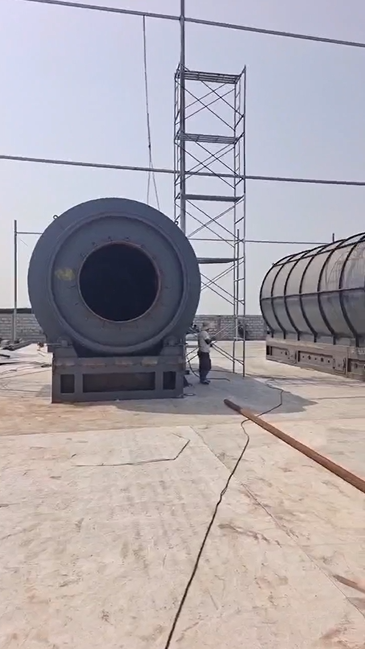
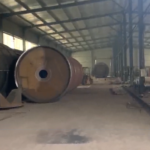
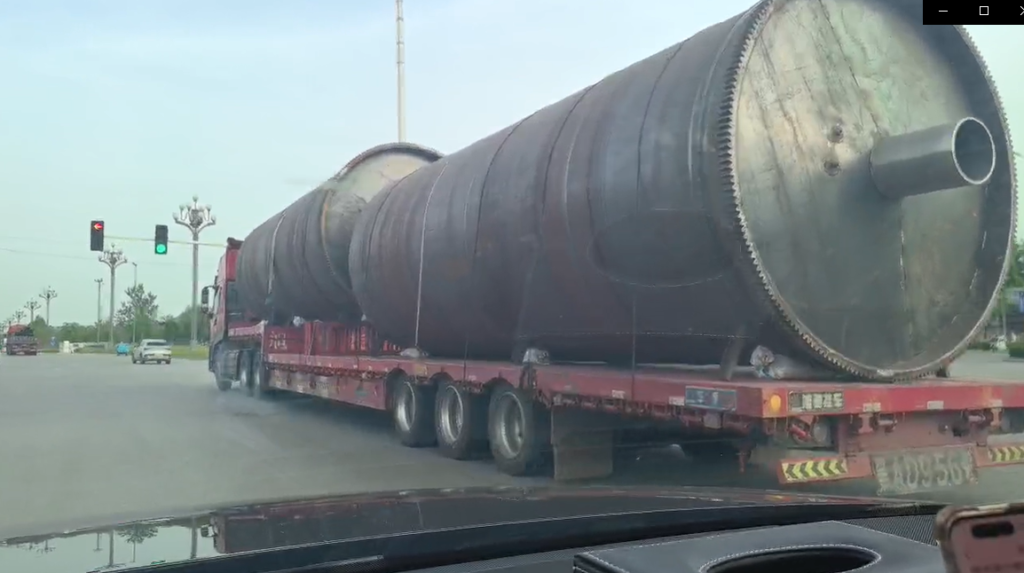
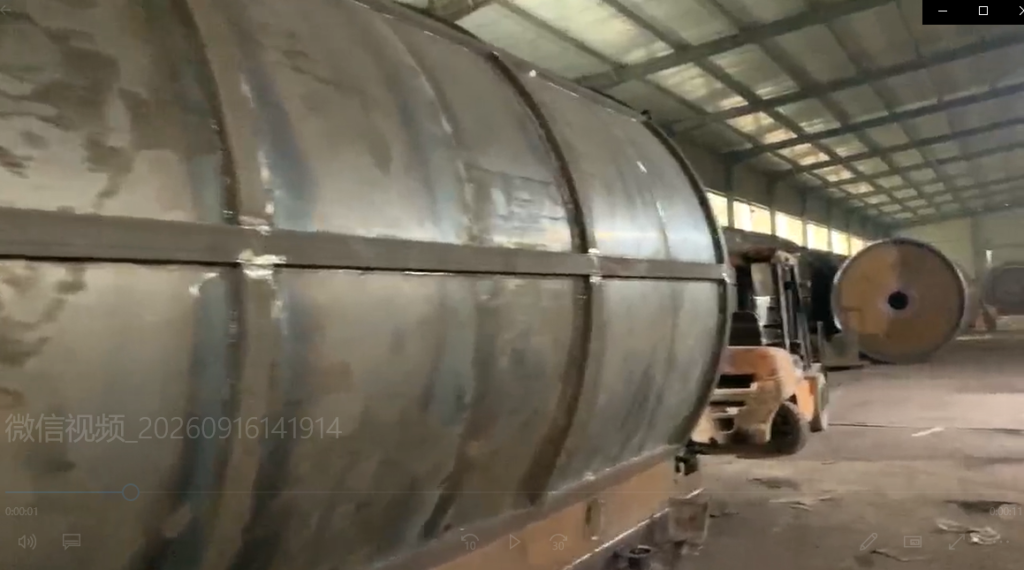
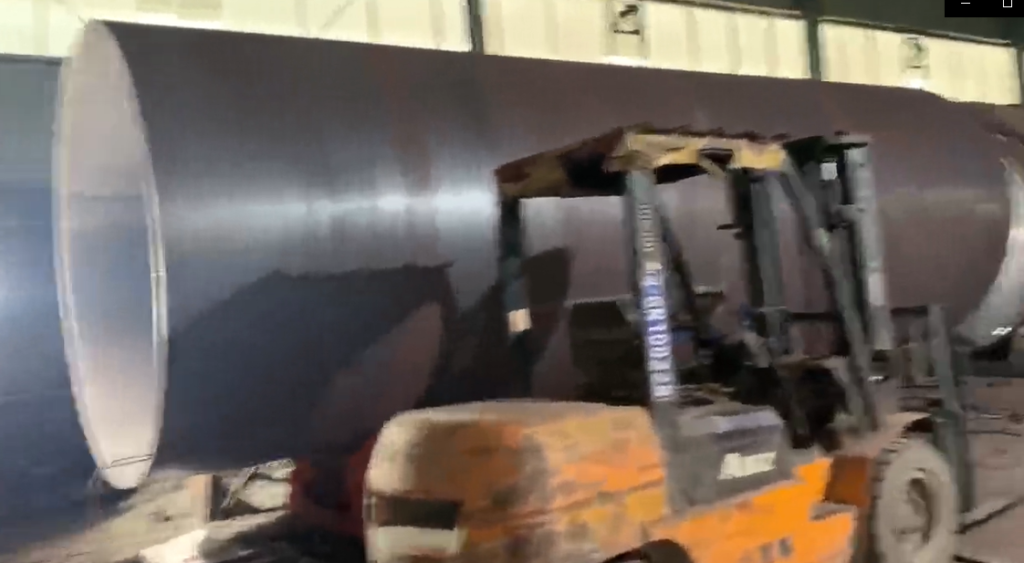
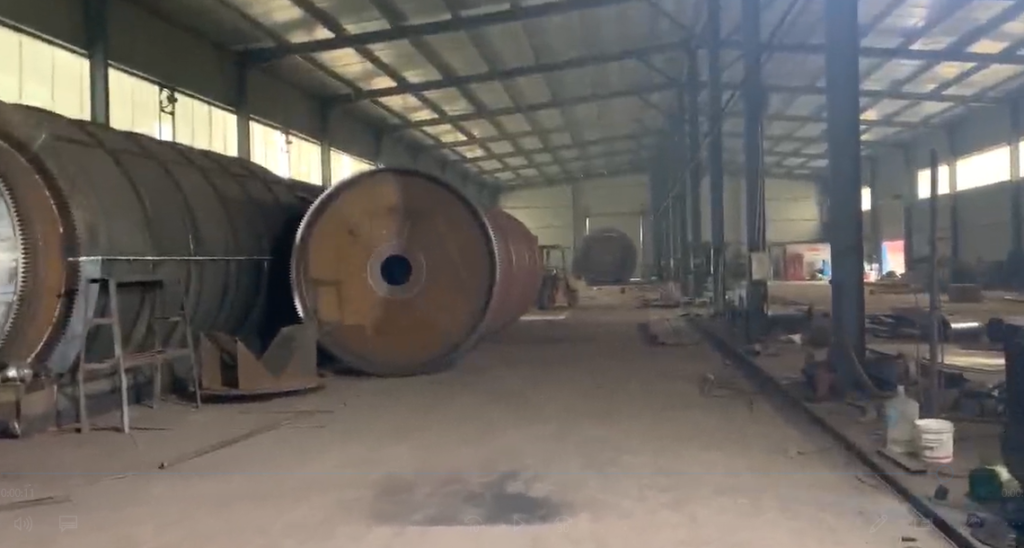
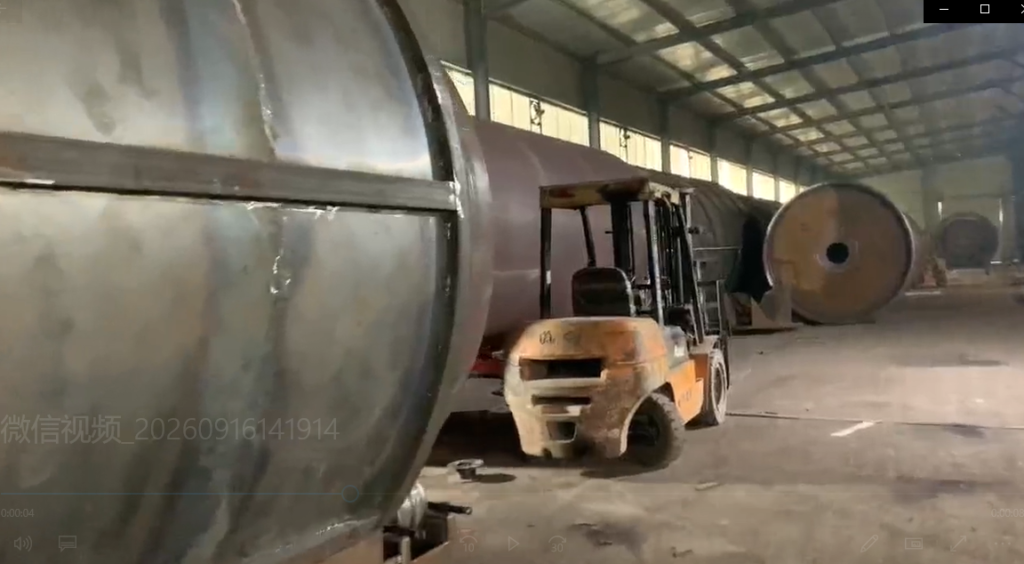
The core equipment is a 15-ton/day batch pyrolysis reactor designed for continuous thermal operation.
During operation, waste tires are heated under oxygen-free conditions at approximately 380–450°C. The rubber polymers inside the tires gradually decompose into smaller hydrocarbon molecules, producing oil vapor, non-condensable gas, carbon residue, and recovered steel wire.
The reactor adopts a horizontal rotary structure, which provides:
- More uniform heating;
- Better material movement;
- Higher heat utilization efficiency;
- Easier discharge of carbon black after processing.
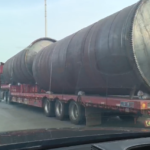
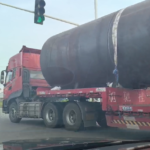
The system is designed for African working conditions, with consideration given to equipment durability, simple operation, and convenient maintenance.
3. Advanced Condensation and Oil Recovery System
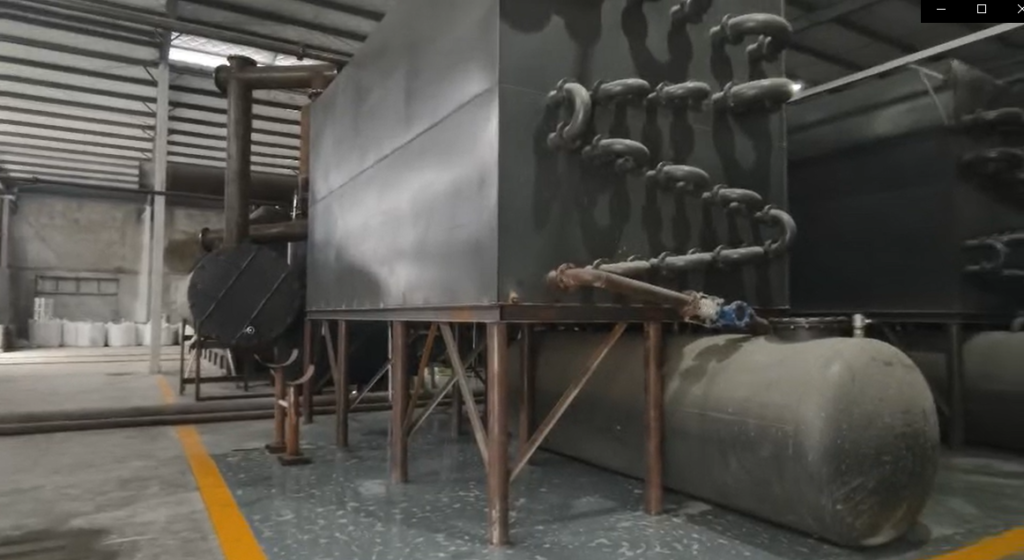
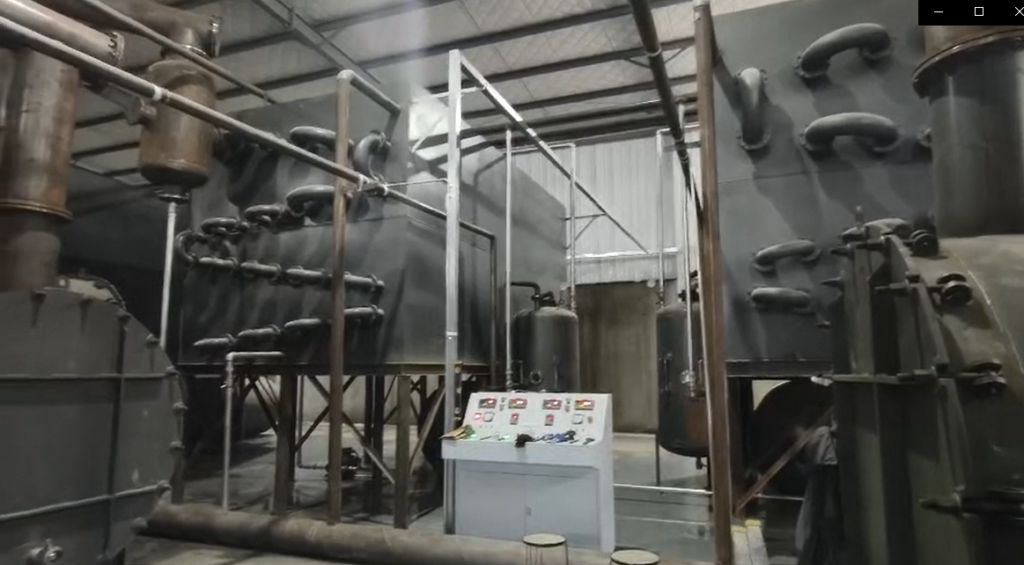
To maximize pyrolysis oil recovery, the project was equipped with a multi-stage condensation system.
The high-temperature oil vapor generated from the reactor enters the condenser section, where it is gradually cooled and converted into liquid fuel oil.
The customized condensation design improves:
- Vapor cooling efficiency;
- Liquid fuel recovery rate;
- Product stability.
Based on similar waste tire pyrolysis projects, the expected oil yield is approximately 40%-45%, depending on tire composition, operating conditions, and moisture content.
4. Combustible Gas Recycling System
During the pyrolysis process, a portion of non-condensable gas is produced.
Instead of wasting this gas, the system collects and redirects it back to the heating furnace as supplementary fuel.
This design helps:
- Reduce external fuel consumption;
- Lower operating costs;
- Improve overall energy efficiency.
5. Environmental Protection and Safety Design
Environmental compliance was one of the customer’s key concerns.
The solution included:
- Dust removal equipment;
- Smoke purification system;
- Sealed operation design;
- Safety monitoring devices;
- Pressure protection components.
The system was designed to minimize odor and visible emissions while improving workplace safety.
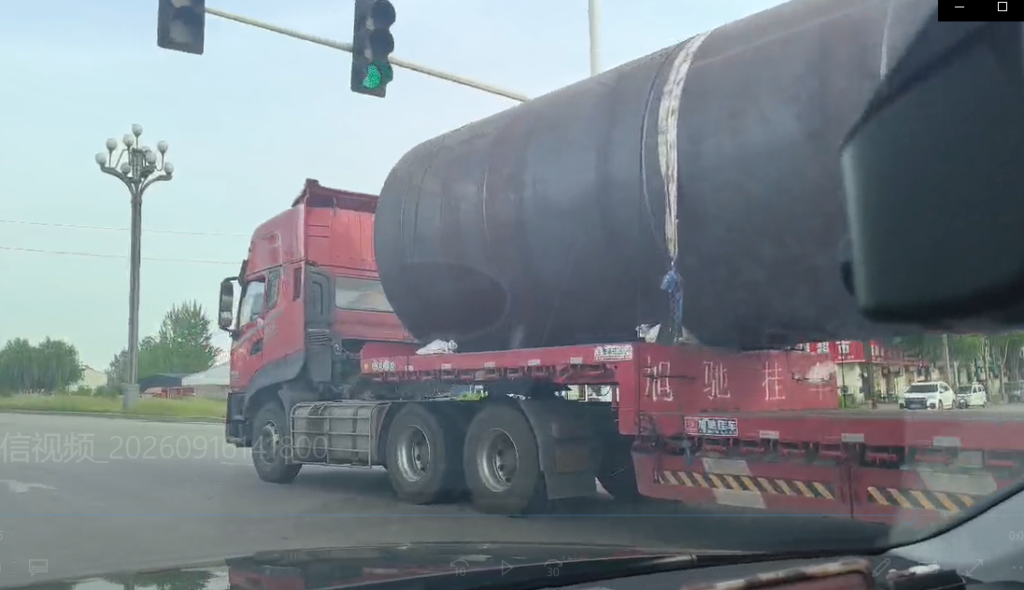
6. Installation and Technical Support
To ensure smooth operation after delivery, technical guidance was provided for:
- Equipment installation;
- Trial operation;
- Operator training;
- Daily maintenance procedures.
The customer’s local workers were trained to independently operate the plant and understand routine inspection requirements.

Project Results and Economic Analysis

ISO CE Approved
The equipment quality has passed IAF, CNAS, ISO, CE certifications, Certified by international professional organizations, the equipment is safe and reliable.

AAA Credit Audited Enterprise
One of the top refining equipment manufacturers in China, The government Audited Superb as AAA credit company (top level).

Solutions for Pyrolysis And Distillation
We will provide you with the latest industry solutions, and provide you with a one-year after-sales warranty to ensure stable operation of the equipment.

24-hour service
We have professional engineers to solve various problems for you, including equipment, process, material problems, etc.

Professional R&D team
We have obtained a number of utility model patents, including distillation production equipment and pyrolysis module equipment.

Fast Delivery
We have sufficient stock of pyrolysis and distillation equipment to ensure efficient logistics and fast delivery.
1. Production Performance Results
After commissioning, the 15TPD waste tire pyrolysis plant is designed to achieve stable commercial operation.
Basic Operating Data
| Item | Performance Data |
|---|---|
| Equipment Capacity | 15 tons waste tires/day |
| Operating Days | 300 days/year |
| Annual Waste Tire Processing Capacity | 4,500 tons/year |
| Average Pyrolysis Oil Yield | 45% |
| Annual Pyrolysis Oil Production | 2,025 tons/year |
| Carbon Black Yield | 20% |
| Annual Carbon Black Production | 900 tons/year |
| Steel Wire Recovery | 25% |
| Annual Steel Wire Production | 1125 tons/year |
Pyrolysis Oil Production Calculation
Daily waste tire input:
15 tons/day
Average oil yield:
45%
Daily pyrolysis oil output:
15 × 45% = 6.75 tons/day
Annual fuel oil production:
6.75 × 300 operating days
= 2,025 tons/year
The final product quality depends on tire source, operating temperature, condensation efficiency, and post-treatment process.
2. Investment Cost Estimate
Initial Investment (CAPEX)
| Item | Estimated Cost |
|---|---|
| 15TPD Waste Tire Pyrolysis Plant | $180,000 |
| Installation & Commissioning | $25,000 |
| Civil Construction & Foundation | $20,000 |
| Auxiliary Equipment | $25,000 |
| Transportation & Training | $15,000 |
| Total Investment | Approximately $265,000 |
3. Annual Revenue Estimate
Pyrolysis Oil Revenue
Assumption:
- Annual production: 2,025 tons
- Selling price: $350/ton
Annual oil revenue:
2,025 × $350
= $708,750
Carbon Black Revenue
Assumption:
- Annual production: 1,350 tons
- Selling price: $100/ton
Annual carbon black revenue:
900 × $100
= $90,000
Steel Wire Revenue
Assumption:
- Annual production: 1125 tons
- Selling price: $200/ton
Annual steel wire revenue:
1125 × $200
= $225,000
Total Annual Revenue
$708,750 + $90,000 + $225,000
= Approximately $1023750/year
4. Operating Cost Estimate
Annual operating expenses include:
| Cost Item | Annual Cost |
|---|---|
| Labor | $45,000 |
| Electricity & Utilities | $20,000 |
| Maintenance | $25,000 |
| Waste Tire Collection & Transportation | $120,000 |
| Other Expenses | $20,000 |
| Total Operating Cost | Approximately $230,000/year |
5. ROI Calculation
Annual estimated profit:
Revenue − Operating Cost
$1023,750 − $230,000
= Approximately $793,750/year
Return on Investment:
ROI = Annual Profit ÷ Initial Investment × 100%
$793,750 ÷ $265,000 × 100%
= Approximately 301%
Estimated payback period:
$265,000 ÷ $793,750
= Approximately 3.4 months
Note: The above calculation is a project feasibility estimate. Actual profitability depends on local tire collection costs, fuel oil selling price, labor expenses, market demand, and regulatory requirements.
Project Conclusion
The Ghana 15TPD waste tire pyrolysis project demonstrates how waste management challenges can be transformed into a profitable resource recovery opportunity.
By adopting advanced pyrolysis technology, the customer successfully developed a practical solution to process discarded tires while producing valuable products including pyrolysis oil, carbon black, and recovered steel.
The customized system was designed according to Ghana’s local conditions, focusing on stable operation, efficient energy utilization, environmental protection, and easy maintenance.
With an annual waste tire processing capacity of approximately 4,500 tons and potential production of more than 2,000 tons of pyrolysis oil per year, the project provides both environmental benefits and commercial value.
This project represents a sustainable waste-to-energy model for Africa, helping industries reduce dependence on traditional fuels while supporting the development of a circular economy.