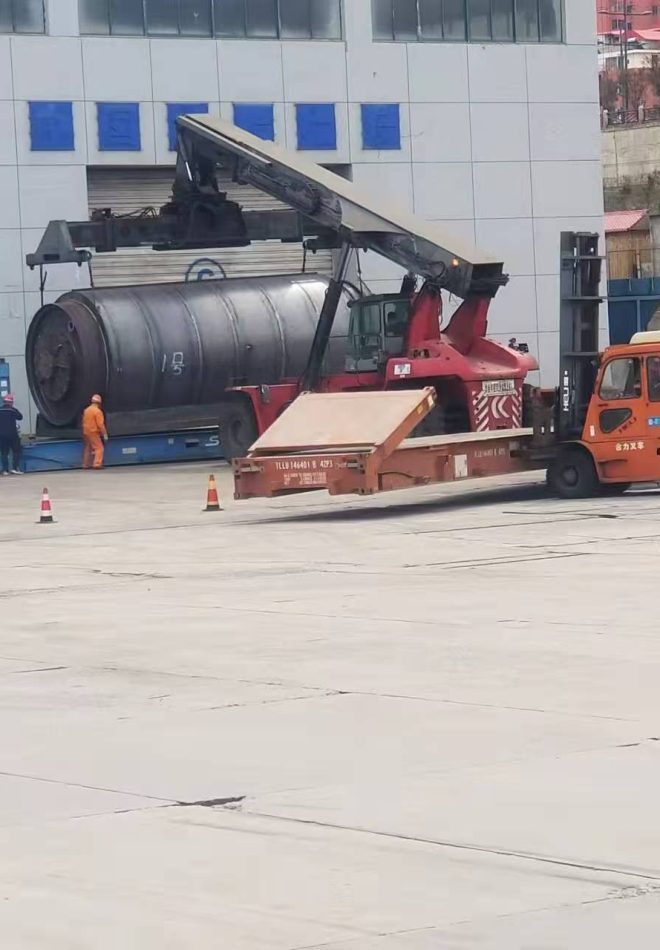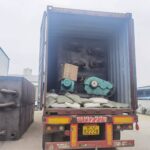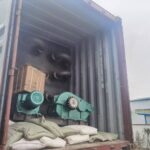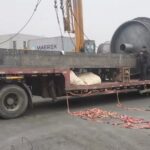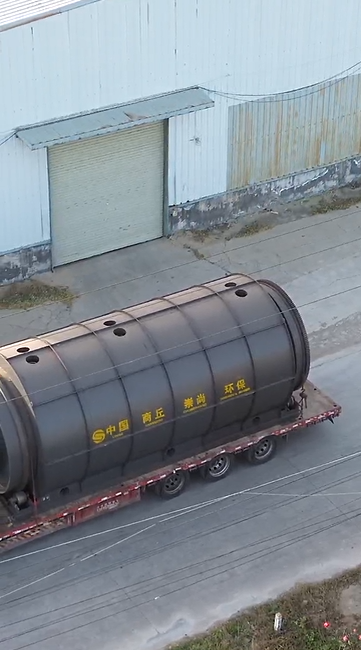

Distillation Equipment Project in Malaysia In February 2026, a waste-tire
Malaysian Purchased Two Pyrolysis Plants
In December 2022, a Malaysian customer purchased two waste tire pyrolysis plants.
This case study details how a Malaysian waste management company successfully adopted an innovative waste tire recycling solution that helps create valuable energy products. Given the increasing regulatory standards in the area and the accumulation of waste truck tires, the company needed to find a sustainable approach to convert these tires into energy.
Background of the Project
The client company, which is a well-established player in industrial waste collection services, was encountering two major issues: expensive waste management procedures related to landfilling and increasing government pressure by the Department of Environment (DOE).
What we aimed to do is to change from a conventional “collection and dumping” approach to a new “circular economy” one. By introducing pyrolysis technology, the client will be able to generate pyrolysis fuel oil (PFO). This fuel has a good demand among Malaysian industries since it is much cheaper compared to diesel.


Configuring Solutions For Clients
For a daily throughput rate of 20 – 25 tons as stipulated by our client, we adopted a double line process that incorporates two 12 ton capacity batch pyrolysis plants.
Technical Setup
Reactor: Two horizontal rotating reactors with the capacity for uniform heating and oil output.
Condensation System: Highly efficient shell-and-tube system for the conversion of the gas into liquid fuel.
Environmental Protection: Three-step purification system complete with desulfurization tower and water film scrubber to guarantee compliance with the Malaysian Air Quality Standards.
Safety Features: Pressure safety valves and oil-water separator to avoid any back fire.
Project Results

ISO CE Approved
The equipment quality has passed IAF, CNAS, ISO, CE certifications, Certified by international professional organizations, the equipment is safe and reliable.

AAA Credit Audited Enterprise
One of the top refining equipment manufacturers in China, The government Audited Superb as AAA credit company (top level).

Solutions for Pyrolysis And Distillation
We will provide you with the latest industry solutions, and provide you with a one-year after-sales warranty to ensure stable operation of the equipment.

24-hour service
We have professional engineers to solve various problems for you, including equipment, process, material problems, etc.

Professional R&D team
We have obtained a number of utility model patents, including distillation production equipment and pyrolysis module equipment.

Fast Delivery
We have sufficient stock of pyrolysis and distillation equipment to ensure efficient logistics and fast delivery.
After 12 months of operation, the performance data confirms that the project has met all technical and financial benchmarks.
Performance Results
The following table summarizes the average annual output based on 300 operational days per year.
| Parameter | Performance Metric |
| Annual Waste Tire Capacity | 7,200 Tons (24 tons/day) |
| Average Pyrolysis Oil Yield | 45% (3,240 Tons/Year) |
| Carbon Black Production | 35% (2,520 Tons/Year) |
| Steel Wire Recovery | 12% (864 Tons/Year) |
| Combustible Gas (Self-use) | 8% (Used to heat the reactor) |
Financials (Yearly Calculations)
Below are rough calculations regarding the economic feasibility of the project stated in USD.
Cost of Total Investment:
Purchase and Transportation: $220,000
Site Preparations and Setup: $60,000
CAPEX (Total Capital Expenditure): $280,000
Annual Income:
Sale of Pyrolysis Oil: $1,458,000
Sale of Carbon Black: $151,200
Sale of Steel Wire: $155,520
Gross Annual Income: $1,764,720
Operating Expenses Per Year (OPEX):
Including the cost of purchasing tires, wages, power costs, and maintenance: ~$1,100,000
ROI = { $1,764,720 – $1,1
Waste Plastic-to-Fuel Refining Equipment Two Sets of Waste Plastic-to-Fuel Refining
Conclusion
Conclusion:
The present case study proves that not only is waste tire pyrolysis an environmentally friendly approach to tackling Malaysia’s environmental problems but is also a very profitable business venture. Through the adoption of a two-plant model, the following results were realized:
• Compliance with all environmental regulations in Malaysia
• Conversion of 7,200 tons of waste into industrial fuel and raw materials
• Profitability within less than one year
The above case should be considered a perfect example for other firms operating in Southeast Asia to exploit the “waste-to-energy” opportunity.