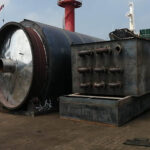

Distillation Equipment Project in Malaysia In February 2026, a waste-tire
2019 Nigeria Tire Pyrolysis Project
Stable Operation for 2,000 Tons per Year of Waste Tire Recycling in Nigeria (Dec. 2019)
A recycling company in Nigeria planned in December 2019 to invest in a waste tire pyrolysis business due to the increasing environmental pressure from waste tires. There were a lot of waste tires that were disposed of in landfills or burned, causing serious land occupation and air pollution.
The client wanted to use waste tires to produce useful fuel products by means of pyrolysis, and the equipment should run stably and operate well in Nigeria.
The target processing capacity of the project was 2,000 tons of waste tires per year.


Configuring Solutions For Clients
To meet the client’s requirements, we provided a waste tire pyrolysis system specifically designed for medium-scale, long-term operation, including:
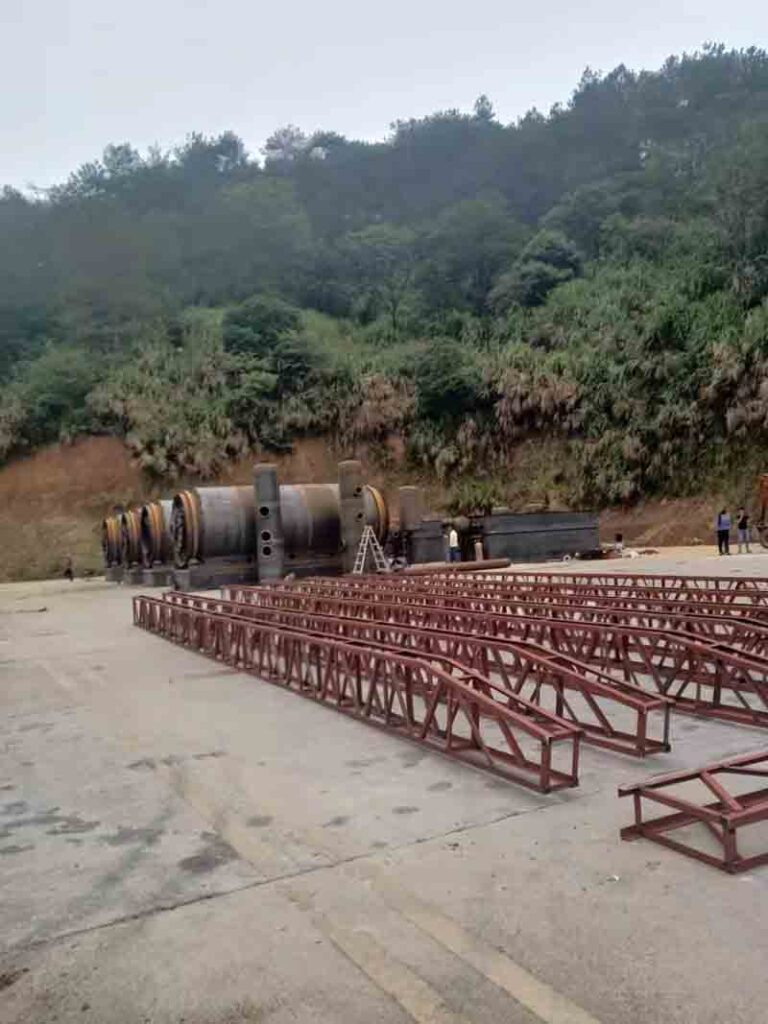
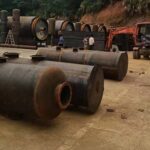
Batch-type waste tire pyrolysis reactor
Oil and gas condensation & collection system
Non-condensable gas recovery system (used as fuel for heating the pyrolysis unit)
Process Description
Waste tires are fed into the pyrolysis reactor and heated in an oxygen-free environment. Under controlled temperatures, the tires are decomposed into pyrolysis oil, carbon black, steel wire, and non-condensable gas.
Pyrolysis oil is condensed and collected as fuel oil
Non-condensable gas is recycled and reused as fuel, reducing energy consumption
Carbon black and steel wire are recovered for secondary utilization
This process enables effective resource recovery while minimizing emissions.
Reasons for Choosing This Design
Specifically designed to suit local operating conditions in Nigeria
Simple and reliable structure, easy for operators to maintain
Energy-saving design by recycling pyrolysis gas as fuel
Well-balanced capacity configuration to ensure stable long-term operation with an annual processing capacity of 2,000 tons
Project Results

ISO CE Approved
The equipment quality has passed IAF, CNAS, ISO, CE certifications, Certified by international professional organizations, the equipment is safe and reliable.

AAA Credit Audited Enterprise
One of the top refining equipment manufacturers in China, The government Audited Superb as AAA credit company (top level).

Solutions for Pyrolysis And Distillation
We will provide you with the latest industry solutions, and provide you with a one-year after-sales warranty to ensure stable operation of the equipment.

24-hour service
We have professional engineers to solve various problems for you, including equipment, process, material problems, etc.

Professional R&D team
We have obtained a number of utility model patents, including distillation production equipment and pyrolysis module equipment.

Fast Delivery
We have sufficient stock of pyrolysis and distillation equipment to ensure efficient logistics and fast delivery.
After installation and commissioning, the waste tire pyrolysis plant achieved stable and continuous operation with the following performance results:
Annual waste tire processing capacity: approximately 2,000 tons
Average pyrolysis oil yield: 40–45%
Annual fuel oil output: approximately 800–900 tons
Based on the local Nigerian market at that time, pyrolysis tire oil was sold at an average price of USD 350–450 per ton, depending on quality and buyer application.
Estimated annual oil revenue:
USD 280,000 – 405,000
In addition to fuel oil, the project also generated income from recovered carbon black and steel wire, further improving overall profitability.
With relatively low operating costs and the reuse of non-condensable gas as heating fuel, the project achieved a short payback period, allowing the client to effectively convert waste tire disposal challenges into a sustainable and profitable recycling business.
Waste Plastic-to-Fuel Refining Equipment Two Sets of Waste Plastic-to-Fuel Refining
Conclusion
The successful completion of the 2019 Nigeria waste tire pyrolysis project proves the reliability and feasibility of the pyrolysis technology in the recycling of waste tires in Africa. The stable working performance and the high efficiency in the resource recovery ensured the sustainability for the client in the waste tire recycling.