

Top Manufacturer of Pyrolysis Machines/Units

How To Produce High Quality Wax Through Pyrolysis Of Plastics

1. Understanding Pyrolysis Wax: The High-Value Product

Pyrolysis is a process of using heat to break down long plastic molecules into smaller oil, gas, and solid carbon products in an environment without oxygen. This technique offers a way to convert plastic waste into valuable materials. When the process is carefully controlled, the result can be high-quality industrial wax instead of general fuel oil.

What Makes Pyrolysis Wax Unique?

Plastics, like polyethylene, are made of extremely long chains of molecules, often called macromolecules. When heated, these long chains break apart through a natural chemical process involving free radicals and random chain cutting.

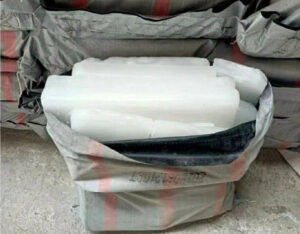
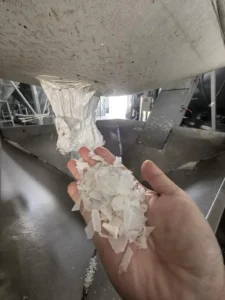
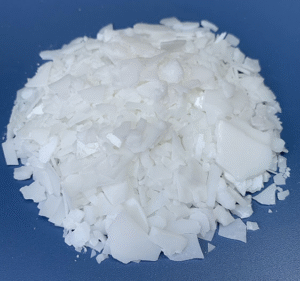
Pyrolysis wax refers to the heaviest fraction of the liquid products—the molecules that are still quite long, typically containing 20 or more carbon atoms. Because these molecules are large, the resulting product is thick, or viscous, and it remains solid at normal room temperature. For instance, certain polyethylene waxes are known to have a melting point around 54°C. This solid state is why it is classified as a wax, rather than a light fuel oil.

Shifting Focus: Wax as the Main Goal

In many standard pyrolysis operations, wax formation is viewed as a problem. This is because the high melting point of the wax means it hardens inside pipes, making it difficult to store, transfer, and use as a liquid fuel, thus reducing the overall quality of the resulting fuel oil.

However, when the objective is to produce commercial-grade wax, this perspective must change entirely. The long chains that form the wax are the desired product. The chemical engineering focus must be on preventing further breakdown, or “cracking,” of these heavy molecules.

If the reaction continues for too long or at too high a temperature, the long wax chains will crack further into lighter components like gasoline-range hydrocarbons or gas, diminishing the valuable wax yield. Therefore, the entire operation, from heating to condensation, must be set up to preserve these specific high-molecular-weight chains.
wax - 1

2. Feedstock Selection: The Foundation of Quality

The quality of the final pyrolysis wax is largely determined by the specific type of plastic used as the raw material. Not all plastics produce suitable high-quality wax.

Why Polyolefins are Essential

High-quality wax production relies specifically on polyolefins, which primarily include Polyethylene (PE) and Polypropylene (PP). These plastics are made up almost entirely of hydrocarbon chains, which is what forms the basis of the wax product.

The preferred materials are High-Density Polyethylene (HDPE) and Low-Density Polyethylene (LDPE). When these are pyrolyzed, the resulting waxes are mainly composed of a single, uniform type of molecule called paraffin. Paraffin waxes are characterized by their simple, linear structure, which gives them excellent hardness, high chemical resistance, and the thermal stability needed for high-value commercial applications. This homogeneity makes HDPE and LDPE waxes particularly suitable for specialized markets, such as materials for thermal energy storage, where they display high latent heat.

In contrast, Polypropylene (PP) also produces wax, but its composition is less desirable for high-purity markets. PP wax is a more complex mix, including naphthene, isoparaffin, olefin, and paraffin molecules. This mixture of different molecular structures makes the resulting wax harder to refine and less useful for high-specification uses, as PP wax often exhibits negligible latent heat.

The Importance of Feedstock Purity

To ensure reliable operation and a high-purity final product, strict sorting of the plastic feedstock is essential. The inclusion of certain common contaminants, especially plastics containing chlorine, must be completely avoided.

For example, when Polyvinyl Chloride (PVC) is heated during pyrolysis, it releases high concentrations of acidic hydrogen chloride gas. Even small amounts of this corrosive acid can severely damage internal reactor components, especially metal surfaces and heat exchangers. This contamination increases maintenance costs, causes operational disruptions, and introduces impurities that require costly post-treatment steps. By focusing solely on high-purity PE, the risk of acid corrosion is significantly reduced, leading to longer equipment life and a cleaner starting product.
wax - 2

3. Precision Control: Optimal Pyrolysis Conditions

Manufacturing high-quality wax is an exercise in stopping the chemical reaction at exactly the right time and temperature. This requires mild, highly controlled conditions that ensure the polymer chains break just enough to become wax, but not so much that they become lighter oil or gas.

The Critical Temperature Window

The most influential factor in determining the product yield is the operating temperature of the reactor. Wax production is maximized through low-to-moderate temperature pyrolysis.

The ideal temperature range for obtaining high yields of condensable hydrocarbon oils and waxes is between 400 °C and 500 °C. Operating within this window has resulted in extremely high wax yields, with some studies showing production rates as high as 94.7%.

It is crucial to avoid running the reactor at higher temperatures. If the temperature exceeds 500°C, the excessive heat causes the valuable wax molecules to crack further into smaller components. For example, temperatures above 700°C shift the product distribution heavily toward light gases and light aromatic compounds, effectively destroying the wax product that was initially desired. Careful regulation of heat input ensures that the chain-breaking stops at the desired C20+ fraction.

Controlling Vapor Residence Time

Beyond temperature, the second most crucial mechanical factor is the vapor residence time (VRT). This is the length of time that the newly formed hydrocarbon vapors remain inside the hot zone of the reactor before being pushed out.

If the high-molecular-weight wax vapors linger in the heat, they undergo a process called secondary cracking. The longer the vapors stay hot, the more wax is lost. For example, extending the vapor time from just 1 second to 4.5 seconds has been shown to cause a drop of about 9% in heavy wax production.

To maximize wax yield, the design of the pyrolysis system must prioritize rapid removal of these vapors. The reactor must be engineered to quickly sweep the heavy wax vapors out of the main pyrolysis chamber and into the condensation system, thereby cutting off the secondary cracking reaction almost immediately.

The Role of Catalysts

For dedicated high-quality wax production, it is generally best to rely on controlled heat (thermal pyrolysis) and avoid highly acidic catalysts.

Catalysts, especially acidic materials like certain zeolites (e.g., HZSM-5), are engineered to promote cracking. They are extremely effective in a process called catalytic dewaxing, where the goal is to intentionally break long wax chains into shorter hydrocarbons like alkanes and alkenes suitable for fuel.

This is the exact opposite of the desired result when manufacturing wax. While some mild catalysts may slightly improve the process by preventing deep breakage into gas, the highest wax yields are typically achieved by focusing on precise temperature control, rather than using aggressive cracking agents.

Table: Key Operating Settings for Maximum Wax Production

Setting

Goal for High Wax Yield

Technical Reason

Temperature

Moderate (400 °C to 500 °C)

Prevents breaking long wax chains into light fuel oil or gas.

Vapor Residence Time (VRT)

Short (under 1–2 seconds)

Long vapor time causes further cracking, reducing heavy C20+ wax into C5–C10 light oil.

Feedstock Purity

High-Purity Polyethylene (HDPE/LDPE)

Maximizes desired paraffin content and minimizes corrosive contaminants like chlorine.

4. Capturing Purity: Advanced Condensation and Separation

The long-chain wax molecules must be separated from the lighter oil and gas molecules generated simultaneously during pyrolysis. A simple, single-stage condenser will not achieve the required purity; instead, a sophisticated fractional condensation system is required.

Fractional Condensation for Isolation

When pyrolysis vapors exit the reactor, they are a mix of heavy waxes, lighter oils (naphtha), and non-condensable gases. These components condense at different temperatures based on their molecular size and weight.

To isolate the purest wax fraction, a multi-stage condensation process is necessary, often employing two or three separate cooling stages. The most important section is the first, or “hot stage.” This condenser must be kept at a temperature high enough to allow light oils and naphtha to remain in vapor form and pass through.

Only the heaviest molecules—the C20+ wax—will cool and condense at this high temperature, falling into the collection vessel. Lighter compounds then continue to the subsequent, cooler stages where they condense as fuel oil.16 This separation based on condensation temperature is the critical physical step for achieving high wax purity immediately after the reaction.

Managing the Physical Challenge of Wax

The main operational hurdle in handling wax is its tendency to solidify. Wax is a solid, sticky substance at ambient temperatures. If it is not effectively managed, it will quickly accumulate inside the reactor outlet, transfer piping, and condenser coils, leading to system clogs. This clogging severely reduces the system’s efficiency by impairing heat transfer and demanding frequent maintenance shutdowns.

To maintain continuous production, the wax must be kept in its liquid, molten state throughout the collection process. This means that all piping, valves, and collection vessels associated with the wax stream must be actively heated or jacketed. Maintaining a consistent temperature ensures smooth flow until the wax reaches its final, heated storage tank.

For high-volume operations, specialized equipment, such as plate or spiral heat exchangers, are beneficial because they are designed to handle highly viscous fluids and resist the heavy fouling associated with wax buildup.
wax - 3

5. Achieving Top Grade: Post-Pyrolysis Refining Steps

Even after careful fractional condensation, raw pyrolysis wax contains impurities, color, and instability that must be addressed to meet the strict standards of the commercial wax market (e.g., for use in food-grade or high-tech applications). Achieving a white color and lasting stability requires chemical treatment.

The Necessity of Hydrogenation

The primary issue with raw pyrolysis wax stems from its chemical structure. These olefinic molecules contain double bonds that are highly reactive. Over time, these unstable olefins react with air or heat, causing the wax to degrade, turn yellow, and develop an undesirable odor.

To create a clean, high-quality, stable product, the wax must be treated using catalytic hydrogenation. This process involves mixing the molten wax with hydrogen gas (H2) in the presence of special metal catalysts, such as platinum or ruthenium. The hydrogen gas reacts with the double bonds in the unstable olefins, effectively saturating them and converting them into stable, saturated paraffin chains. This chemical transformation is essential for ensuring the product maintains its white color, resists thermal degradation, and remains stable during long-term storage.

Final Purification Steps

While hydrogenation handles the chemical stability, further physical purification is required to remove trace contaminants responsible for color and odor. Crude oil and wax can be passed through specialized adsorption systems or decolorization filters to remove micro-particulates and trace compounds that contribute to residual color and stink.

For the absolute highest purity grades, aggressive techniques are sometimes required to ensure the product is completely free of non-wax residues, such as uncracked polymer residue or carbon char. This can involve using solvent extraction methods, where the residue is mixed with a solvent like methylene chloride at an elevated temperature to dissolve the pure wax, followed by filtration and removal of the solvent. This step ensures the final wax product is fully isolated from all high-boiling contaminants.
wax - 4

6. Defining Quality: Specs and Market Value

The worth of pyrolysis wax is determined not by how much is made, but by how closely it adheres to established industry standards. These specifications define the wax’s suitability for specific, high-value commercial uses.

Key Commercial Indicators

High-quality Polyethylene (PE) wax is judged by a set of physical characteristics, measured using standard industrial test methods (ASTM). These properties are critical for determining if the wax can be used as a replacement for expensive, synthetic virgin waxes.

The most important characteristics include:

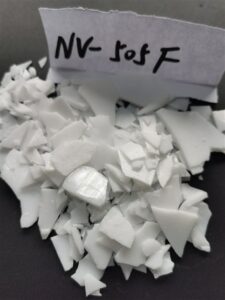
Appearance: The wax must be white and free of black spots. This visual standard reflects high purity, indicating successful removal of char and contaminants.

Softening Point: This typically falls between 100 °C and 105 °C. A high softening point demonstrates the product’s ability to maintain structural integrity and thermal stability in high-heat industrial applications.

Penetration Index: Measured in tenths of a millimeter (d.mm), this index usually has a value between 5 and 8.7 This value measures hardness, where a lower number indicates a harder wax, crucial for uses such as industrial lubricants and processing aids.

Viscosity: Measured at a high temperature (e.g., Cps at 140°C), values typically range from 10 to 20. This ensures the wax flows and blends optimally when incorporated into products like adhesives, PVC compounds, or coatings.

Table: Typical Specifications for Commercial PE Wax

Quality Indicator

Unit

Target Value

Standard Test Method

Appearance

White, No Black Spots

VRM-WI-079-00 7

Softening Point

°C

100–105

ASTM – ED3418 7

Penetration Index

d.mm

5–8

ASTM D1321 7

Viscosity

Cps @ 140°C

10–20

ASTM – D3236 7

Density

Gr/Cm³ 25 °C

0.9 ± 0.03

ASTM – D1505 7

Specialized Market Opportunities

By meeting these strict technical specifications, pyrolysis wax can enter highly profitable markets beyond simple fuel use. These applications include use as additives in PVC manufacturing, components in hot melt adhesives, coatings, and color masterbatches. These markets offer a much higher commercial price point than crude pyrolysis oil.

Furthermore, the unique thermal characteristics of HDPE and LDPE wax, specifically their ability to store and release heat effectively (high latent heat), make them highly valuable as Phase Change Materials (PCMs). This opens the door to integration into advanced thermal energy storage systems.

7. Operational Reliability: Managing Fouling and Corrosion

The shift to producing high-quality wax necessitates reliable, continuous operation. The intrinsic challenges of handling thick, high-molecular-weight fluids and managing potential contaminants must be addressed with robust engineering solutions.

Preventing Wax Fouling

As noted previously, wax buildup (fouling) is a critical operational problem that reduces the efficiency of heat exchange and causes clogs. The strategy to defeat fouling relies on two core principles: speed and heat.

The rapid removal of vapors through minimizing VRT (Section 3) limits the amount of sticky, high-molecular-weight product that can condense inside the hot reactor.

Secondly, ensuring that all subsequent collection and transfer lines are actively heated, maintaining the wax in a liquid state, prevents solidification and buildup. Consistent maintenance of these thermal controls is the primary mechanical defense against unscheduled downtime.

Managing Corrosion Risks

Pyrolysis fluids are known to be aggressive, and the oil produced can be acidic and oxygen-sensitive. While using pure PE feedstock minimizes the worst corrosive risks, the presence of other contaminants, such as calcium, sodium, iron, and magnesium, can still lead to significant fouling of catalysts and process equipment. This combination of acidity and inorganic contaminants causes severe corrosion and equipment wear, leading to costly equipment replacement and operational disruption.

To ensure a long and profitable plant lifespan, high-quality wax operations must utilize equipment constructed from highly corrosion-resistant metals. Furthermore, mechanical processes, such as the use of high-performance centrifugal separators, are necessary to efficiently filter out solid impurities and metal contaminants before they can cause heavy fouling or damage to critical components.

The Cost of Consistency

While investing in specialized, corrosion-resistant equipment, high-performance heat exchangers, and continuous maintenance requires a higher initial capital expenditure, this investment is necessary for long-term success. Robust engineering ensures maximized operating uptime, reduces the frequency of costly emergency repairs, and guarantees the consistent quality of the final wax product. In the specialized chemical market, where product purity and reliable supply are essential, the ability to operate continuously and minimize unscheduled downtime is what ultimately ensures high profitability.

8. Operational Solutions: Pyrolysis Unit Systems

To successfully apply the precise thermal and handling techniques described in this report, reliable, industrial-grade equipment is necessary. Our line of Pyrolysis Unit machines is built to handle the demands of plastic processing and deliver consistent output.

We offer several proven models based on different production needs and scales:

Small Pyrolysis Machine: This unit is ideal for smaller operations or mini-factories, capable of processing waste plastic pellets at a capacity of 1 to 5 tons per day.
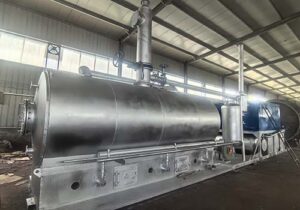
small pyrolysis machine

Batch Pyrolysis Machine: For medium-sized operations requiring higher throughput, our batch machine can handle 10 to 15 tons of waste plastic pellets daily.
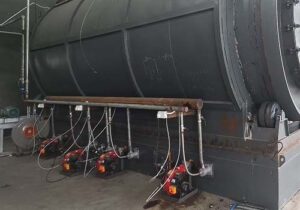
batch pyrolysis plant

Semi-Continuous Machine: Our larger, semi-continuous pyrolysis system is designed for medium-to-large scale processing, with a daily output capacity of 15 to 20 tons of waste plastics. This system features a horizontal rotary design and stable performance, rotating at a slow speed (0.8–1.0 rpm) with a low power draw (30 kW) to ensure steady heating and consistent feeding and discharge.
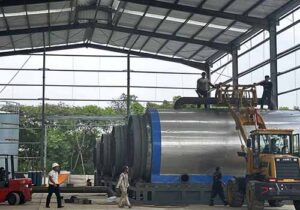
semi continuous pyrolysis plant

To achieve the high-purity final products discussed in Sections 5 and 6, the crude pyrolysis product must often be refined further. We also offer basic distillation machines with a daily output of 10 to 15 tons, which can process the crude oil or wax into higher-quality products like diesel. Choosing the correct equipment size and integrating the necessary distillation and refining steps is essential for moving from general waste plastic management to profitable, high-value wax manufacturing.

Conclusions

The production of high-quality plastic pyrolysis wax requires a technical shift away from maximizing liquid fuel yield toward preserving specific long-chain hydrocarbons. Success is predicated on strict control across the entire process chain:

Feedstock Focus: Utilizing high-purity polyethylene (HDPE/LDPE) to ensure the resulting wax is primarily saturated paraffin, which delivers superior thermal stability and hardness compared to polypropylene-derived wax. Strict segregation prevents corrosive contamination.

Process Precision: Operating within a narrow, moderate temperature window 400°C to 500°C and, most importantly, ensuring extremely short vapor residence times (VRT) to prevent secondary cracking of the desired C20+ wax into lighter oils.

Refining Necessity: Employing fractional condensation systems to physically isolate the heavy wax fraction and utilizing catalytic hydrogenation as a mandatory post-treatment step. Hydrogenation converts unstable olefins into saturated paraffins, achieving the required chemical stability, whiteness, and odor neutrality for commercial markets.

Operational Resilience: Investing in robust, corrosion-resistant equipment and maintaining heated transfer lines to overcome the universal challenges of fluid viscosity, corrosion, and fouling associated with pyrolysis wax.

By adhering to these steps, the pyrolysis unit can successfully pivot from manufacturing generic fuel oil to producing high-specification, standardized wax suitable for specialized industries such as plastics, adhesives, and thermal energy storage, thereby capturing significantly greater commercial value.


    Scroll to Top