How To Use Pyrolysis Technology To Process Medical Waste
Medical waste is a real problem. Hospitals, clinics, and labs produce sharp items, used PPE, plastics, and other materials that must be handled safely. If we throw these things into landfills or burn them without care, they can hurt people and the environment. Pyrolysis gives us a cleaner way to turn medical waste into useful products like oil and gas while cutting harmful emissions. This article explains in plain language how pyrolysis works for medical waste and how to put it into practice using Pyrolysis Unit equipment.
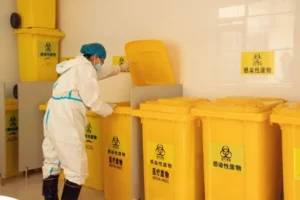
Pyrolysis is a heating process that happens with little or no oxygen. When you heat organic materials this way, they break down into three main things: gas (syngas), liquid (pyro-oil), and solid char. You get much less smoke and fewer toxic fumes than from straight burning. Pyrolysis can turn mixed plastics and other medical materials into fuel and a solid residue that is easier to manage.
Not all waste is treated the same, but many common medical waste items are suitable for pyrolysis:
Non-infectious plastics (packaging, tubing, disposable trays).
PPE plastics (masks, gowns) after proper segregation.
Some contaminated plastic items, if they are pre-treated or if local rules allow.
Items that usually need special handling (like large amounts of liquid chemical waste, bulk pharmaceutical waste, or radioactive materials) should not go into a standard pyrolysis feed without specialist prep. Always follow local rules and the facility’s waste plan.
A conventional medical waste pyrolysis system is quite simple to describe:
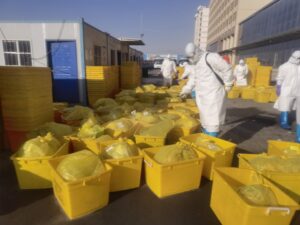
Separation and preliminary processing. The facility segregates hazardous liquids and substances from other forms of wastes such as sharps. Plastics and solids are delivered to the input of the pyrolysis apparatus. The sharps and some infectious products may need to be processed separately based on local regulations.
Waste feeding. Preprocessed waste is fed into the pyrolysis apparatus in batches or continuously.
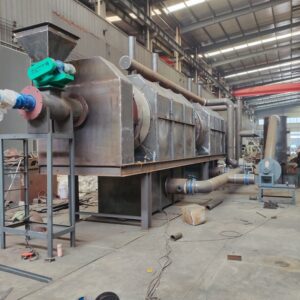
Pyrolysis in a low-oxygen atmosphere. The reactor is heated to several hundreds of °C. As oxygen is absent, materials are decomposed without open flames.
Processing of gases. Gases released during the process are cooled and purified. Some fractions of the gases can be used to operate the facility. The remaining gases can be condensed to produce oil.
Products and residual material. The result of the treatment is pyro-oil, syngas, and char. Each of the products needs proper handling, storage, or recycling.
Emission control. Current technologies feature efficient scrubbers, filters, and thermal oxidizers.
Below is a sample of how the process of utilizing waste management can be used by small and large hospitals. It may be distributed by a facilities manager to employees.
Training and protocols. Train staff on proper segregation protocols. Have different color bags and labels.
Segregation at the point of generation. Segregate infectious, chemical, pharmaceutical and radioactive flows. Only approved plastics and solid wastes can be fed to the pyrolysis machine.
Pre-treatment (if applicable). Certain facilities need to pre-sterilize their waste in an autoclave or disinfector before sending to pyrolysis.
Feeding the reactor. Maintain consistent feeding protocol without overloading the reactor. Keep accurate temperature and pressure records via control system.
Output management. Store pyro-oil in tanks. Syngas can be safely used for energy production on the premises. Char should be stored for proper handling and/or recycling.
Monitoring emissions. Continuous or periodic monitoring will ensure that emissions are within regulations. Take notes and have accurate records.
Machine maintenance. Daily checks, weekly cleaning of filters and regular machine maintenance are essential for safety.
Management of wastes in and out of the pyrolysis unit. Keep a record of all incoming and outgoing materials. Keep a waste disposal and recycling report for audit purposes.
There are various environmental advantages that accrue from effective pyrolysis:
Reduced landfill mass. Pyrolysis greatly decreases the mass of wastes. It results in less number of landfill trips and reduced chances for future pollution.
Less hazardous substances released compared to open burning. When compared to burning or poor incineration, pyrolysis with controlled emissions gives off less dioxins and other harmful substances. As a result, local air pollution is minimized.
Waste energy utilization. The resulting gases and oils can be harnessed to produce energy through heating or power generation.
Waste recycling. Pyrolysis contributes to resource recycling by converting wastes into useful substances, thus aligning with the idea of circular economy.
All the above-mentioned environmental gains are contingent upon proper design and operation of machinery and emissions control measures.
Waste from medical treatment is extensively regulated. Here are some practical considerations to follow:
Be familiar with regulations. There are health department, environmental agency, and workplace safety agency regulations. Check them prior to installation and operation of your facility.
Emissions are an important aspect of control. Ensure that you use scrubbers, filters, and oxidizers as a part of the emission process. Regularly check your stacks.
Protect employees. Train them on proper material handling procedures. Use personal protective equipment, and establish procedures for handling spillage or exposure to hazardous substances.
Keep records. Feedstock, effluent, emissions, and maintenance records should be maintained. This will help in audits and improvement of processes.
Manage residue disposal. Proper testing and management of char and other residues should be performed according to regulations or used again.
Authorities are becoming increasingly interested in innovative methods such as pyrolysis. Being open, having thorough documentation, and working conservatively will help you stay compliant.
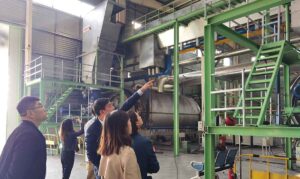
Three features are most critical to medical facilities as a customer of our unit: safety, durability, and environmental responsibility.
Emissions regulation. The emission control technology is installed in all our units so that the emission level is strictly monitored during operations.
User friendliness. We make sure that there is a simple process of following instructions and creating logs in the control system of our equipment.
Technical support. Pyrolysis Unit offers on-site commissioning and operator training at the location of our customer’s facility to enable proper work of our unit.
Energy efficiency. Our products are created for maximum syngas recovery and reuse, so that we help our customers save money on heating costs.
Durability. Our devices are made for long operational periods without downtime and maintenance needs.
Choosing the correct equipment and company to purchase from helps minimize risks and gain more advantages from using pyrolysis plants.
Pyrolysis provides an effective and environmentally responsible method for the treatment of various types of medical waste. With proper management of the systems and good segregation and monitoring practices, they minimize the amount of waste disposed in landfills, generate energy and reduce emissions. Medical institutions interested in optimizing their waste management procedures and adopting sustainable material utilization can find pyrolysis useful.
For facilities willing to look into the matter further, an initial site assessment should be conducted. The team from Pyrolysis Unit will carry out a needs analysis, compliance check and produce a project proposal which will include estimated waste minimization potential and energy production capabilities. Proper design and appropriate equipment are crucial for successful implementation.