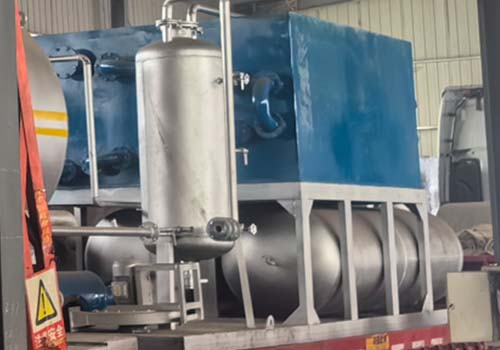
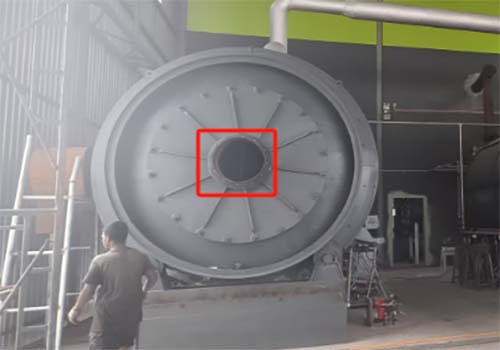
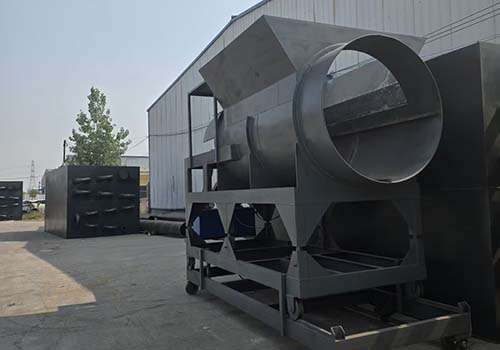
Choosing the right pyrolysis machine depends on your feedstock type, required processing capacity, pretreatment requirements, automation level, available space, and investment budget. PyrolysisUnit offers batch, semi-continuous, and continuous pyrolysis systems to meet different waste recycling needs. Consider the following factors before selecting a suitable solution for your project.
1. Processing Capacity
The required daily processing capacity is one of the most important factors when selecting a pyrolysis machine. PyrolysisUnit offers batch pyrolysis machines with capacities of approximately 1–15 tons per day, as well as semi-continuous and continuous systems designed for approximately 15–30 tons per day or higher, depending on the model.
When determining the required capacity, consider your daily feedstock supply, planned operating hours, production targets, and future expansion plans. Selecting a suitable capacity helps balance equipment investment with actual feedstock availability.
2. Feedstock Type and Characteristics
Different feedstocks have different processing requirements. Batch pyrolysis machines can be configured to process waste tires, rubber, suitable plastics, and oil sludge. Semi-continuous and continuous systems are designed for pretreated tire and rubber powder.
Before selecting a machine, assess your feedstock’s composition, moisture content, particle size, bulk density, and impurities. These characteristics may affect the feeding method, reactor configuration, condensation system, and overall processing performance.
3. Feedstock Pretreatment Requirements
Some feedstocks require pretreatment before entering the pyrolysis reactor. Waste tires may need cutting or shredding, and tire or rubber powder used in semi-continuous and continuous systems must be prepared according to the specified particle size and steel-wire removal requirements.
Plastic waste may require sorting and size reduction, depending on its form and composition. Oil sludge may require a suitable feeding system based on its moisture content, viscosity, and solid content.
Evaluating pretreatment requirements in advance helps determine whether additional equipment, such as shredders, separators, or specialized feeding systems, is needed.
4. Automation Level and Operating Mode
Pyrolysis machines are available with different operating modes and material-handling configurations.
Batch systems load and discharge feedstock in production cycles and offer flexibility for projects processing different types of waste. Semi-continuous systems use mechanized feeding and discharge while operating in batches. Continuous systems are designed for ongoing feeding and residue discharge during operation.
Your choice should depend on the feedstock, desired production flow, labor availability, and operational requirements. Higher levels of automation may reduce manual handling but can also increase the initial equipment investment.
5. Available Space and Site Conditions
Before purchasing a pyrolysis machine, evaluate your available workshop space, building height, foundation requirements, material storage areas, and access for equipment installation and maintenance.
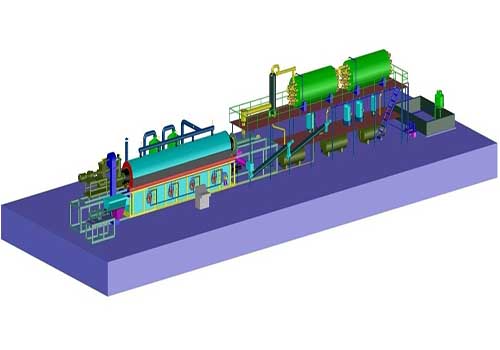
The overall project layout should also accommodate feedstock pretreatment, the pyrolysis system, product storage, exhaust gas treatment, and safe material handling. The required space depends on the machine model, auxiliary equipment, and local installation requirements.
Providing your site dimensions and workshop layout in advance helps the manufacturer develop a more suitable equipment arrangement.
6. Investment Budget and Project Requirements
The total investment depends on processing capacity, equipment configuration, automation level, pretreatment requirements, environmental protection systems, installation, and transportation.
When comparing different pyrolysis solutions, consider not only the equipment purchase price but also feedstock costs, energy consumption, labor, maintenance, product quality, and potential product sales. Actual operating costs and profitability depend on local market conditions and project performance.
PyrolysisUnit can recommend a suitable equipment configuration based on your budget, feedstock supply, production targets, and site conditions.
Get a Pyrolysis Machine Solution for Your Project
To help us recommend a suitable pyrolysis machine, please provide your feedstock type, required processing capacity per day, feedstock condition, available workshop space, and approximate investment budget. Our team can then evaluate the appropriate operating mode and equipment configuration for your project.