
Early Reactor Designs
The first pyrolysis reactors were primarily batch-type systems, designed for small-scale waste processing. These early reactors had limited capacity and required constant manual operation. Automation was minimal, and operators had to monitor temperature, feedstock loading, and product discharge closely to maintain stable operation. While functional, these reactors were inefficient for large-scale or continuous production.
Modern Pyrolysis Reactors
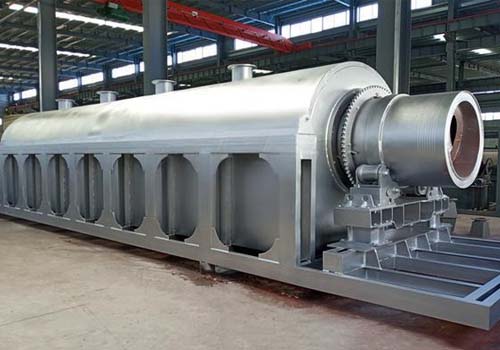
Today, pyrolysis reactors have evolved into semi-continuous and fully continuous systems that offer higher efficiency, larger processing capacity, and more stable operation. Modern reactors are equipped with automated controls, safety interlocks, and advanced emission treatment technologies. These improvements not only increase productivity but also reduce labor requirements and ensure safer operation.
Role in Waste-to-Energy Solutions
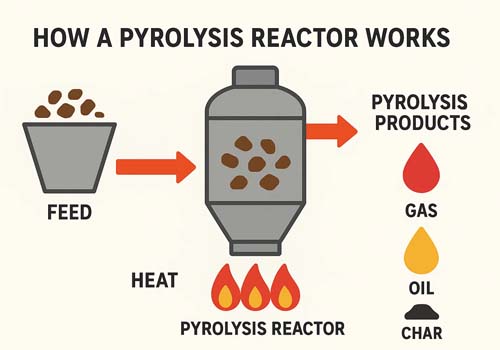
Pyrolysis reactors play a crucial role in transforming waste into valuable resources. They can process waste plastics, scrap tires, biomass, and oil sludge, converting them into pyrolysis oil, combustible gas, and solid by-products like carbon black and steel. By doing so, they provide a sustainable solution for waste management, support the circular economy, and help generate renewable energy for industrial and transportation applications.
Environmental Importance
Beyond resource recovery, pyrolysis reactors contribute significantly to environmental protection. They reduce the volume of waste sent to landfills, minimize air and soil pollution, and safely convert hazardous waste into usable energy and by-products. With proper emission control and waste treatment systems, pyrolysis reactors offer an eco-friendly approach to industrial waste management, supporting sustainable development goals.
Batch Pyrolysis Reactor
Batch pyrolysis reactors are designed for small-scale operations and pilot projects. Their simple structure makes them easy to operate and maintain. Operators manually load feedstock into the reactor and discharge the products once the process is complete. This flexibility allows batch reactors to handle a wide variety of feedstocks, including waste plastics, tires, biomass, and oil sludge. Although less efficient for large-scale production, batch reactors are ideal for experimentation and testing new materials.
Semi-Continuous Pyrolysis Reactor
Semi-continuous reactors are designed for medium-scale production and feature partial automation. Feedstock can be added continuously or in intervals, while the product discharge can also be partially automated. This design reduces downtime between batches and improves overall operational efficiency. Semi-continuous reactors are well-suited for industrial applications where consistent output and higher efficiency are required, but full-scale continuous operation is not yet necessary.
Continuous Pyrolysis Reactor
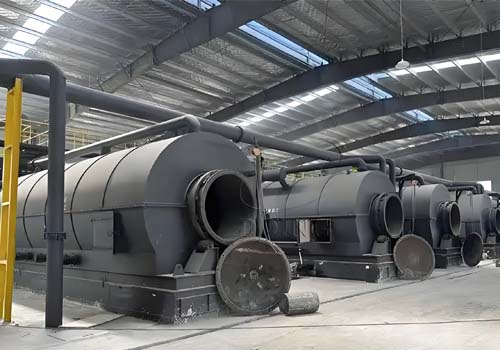
Continuous pyrolysis reactors are engineered for high-capacity, 24/7 operations. Fully automated systems allow for constant feeding, processing, and product collection, minimizing manual intervention and labor costs. Continuous reactors are optimized for large-scale industrial waste-to-energy plants, providing stable performance, high oil yields, and efficient resource recovery. Advanced control systems, safety mechanisms, and emission treatment technologies make these reactors the best choice for long-term, industrial-scale operations.
History of Waste Conversion
Waste management has evolved significantly over the years. Traditional methods such as landfilling and incineration were widely used but posed major environmental challenges. Landfills consume large areas of land and can lead to soil and groundwater contamination, while incineration produces harmful emissions and requires significant energy. Modern pyrolysis reactors provide an advanced solution by converting waste into valuable fuels and raw materials, offering a sustainable alternative to conventional disposal methods.
Sources of Feedstock for Reactors
Pyrolysis reactors are highly versatile and can process a variety of waste materials:
Waste Plastics: LDPE, HDPE, PP, PS, and mixed plastics.
Scrap Tires and Rubber: End-of-life tires, rubber scraps, and industrial rubber waste.
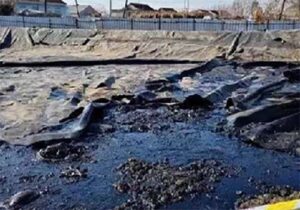
Biomass and Oil Sludge: Agricultural residues, wood waste, and industrial oil sludge.
These feedstocks are transformed into pyrolysis oil, non-condensable gas, and solid by-products, enabling resource recovery and energy production.
Essential Reactor Components
A well-designed pyrolysis reactor consists of several key components:
Reactor Chamber: The core unit where thermal decomposition occurs.
Heating System: Provides controlled heat to maintain the required reaction temperature.
Condensation System: Converts pyrolysis vapors into liquid oil.
Gas Recycling System: Captures non-condensable gas for use as fuel, improving energy efficiency.
Emission Control System: Ensures compliance with environmental standards by treating flue gas and other by-products.
How to Select a Suitable Reactor
Choosing the right pyrolysis reactor depends on several factors:
Feedstock Type: Different materials may require different reactor designs or pre-treatment.
Daily Processing Capacity: Select a reactor size that matches your production goals.
Desired Automation Level: Batch, semi-continuous, or continuous reactors based on labor availability and efficiency needs.
Environmental Regulations: Ensure the system meets local emission and waste handling standards.
Budget: Balance initial investment, operational costs, and expected return on investment.
Reaction Process
In a pyrolysis reactor, feedstock is loaded into a sealed chamber and heated under oxygen-free conditions. The high temperature causes long-chain hydrocarbons to thermally decompose, producing three main outputs: pyrolysis oil, non-condensable gas, and solid residue such as carbon black and steel. This controlled environment ensures maximum conversion efficiency while preventing combustion or excessive emissions.
Product Recovery
The pyrolysis reactor efficiently separates and collects each product:
Pyrolysis Oil: Can be used directly as industrial fuel or further refined into diesel, gasoline, or chemical feedstocks.
Non-Condensable Gas: Recycled as an internal fuel source to heat the reactor, reducing external energy consumption.
Carbon Black and Steel Wire: Carbon black serves industrial purposes in rubber, plastics, and coatings, while steel can be recycled or reused in construction.
Environmental Protection Features
Modern pyrolysis reactors are designed with multiple environmental safeguards:
Emission Control: Flue gas scrubbers, filters, and closed-loop systems minimize air pollution.
Wastewater Treatment: Condensation water and other liquid by-products are treated before discharge or reused.
Residue Management: Solid residues are safely collected and processed to prevent environmental contamination.
Efficiency Optimization
To achieve maximum performance, pyrolysis reactors implement several efficiency measures:
Feedstock Pre-Treatment: Shredding, drying, and de-vulcanization of tires improve oil yield and reactor stability.
Process Control: Precise regulation of temperature and residence time ensures complete pyrolysis and optimal product quality.
Energy Recovery: Non-condensable gases are recycled to reduce fuel costs and improve overall system efficiency.