

Plastic Waste: A Global Problem
It is important to note that the production of plastics has doubled over the past two decades and is set to triple up until 2060, leading to the generation of large amounts of non-degradable waste that is usually disposed of in landfills and the environment. Statistics show that over 300 million tons of plastics are produced annually, with much of it ending up in landfills and the environment. Only 9% of plastics worldwide are recycled compared to 85% for steel and 60% for paper.
Pyrolysis: An Innovative Technology for Plastics Recycling
As the amount of plastic waste continues to increase, there has been a growing need to find innovative approaches to recycle plastic waste. One approach that can be considered is the use of pyrolysis as an advanced plastic recycling technology. Pyrolysis is a thermochemical degradation process that involves the degradation of plastic waste in an oxygen-free environment at temperatures ranging from 300°C to 900°C. This process results in the breaking down of plastic waste into shorter molecular chains from plastic polymer chains, resulting in the formation of oil, gas, and solid products.
Unlike other plastic recycling technologies, pyrolysis is able to process mixed and contaminated plastic waste that is otherwise sent to landfills or incinerators. This is a major advantage of pyrolysis, as this plastic waste is considered “hard-to-recycle” plastic waste. The pyrolysis oil obtained from plastic waste is called synthetic crude oil and is a valuable resource that can be employed as a fuel or refined into high-grade chemicals, thus completing a cycle in plastic use and contributing to a more circular economy.
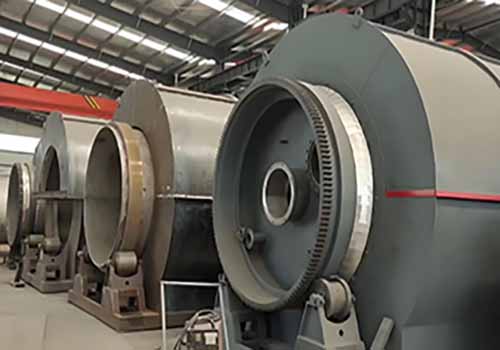
Waste Plastic Pyrolysis Oil Overview
The plastics commonly employed in the pyrolysis process, like polyethylene (PE), polypropylene (PP), and polystyrene (PS), are capable of producing very high-quality oil. This oil can then be utilized as an alternative to furnace oil or diesel oil in any industry.
Oil thus obtained can further be refined for obtaining fuels like gasoline or diesel oil or for manufacturing new plastics. Hence, it can be concluded that oil derived through the process of pyrolysis is a very valuable material.
From Plastic Waste to Useful Products
Product | Typical Yield* | Primary Uses |
Pyrolysis Oil | 60–80% | Fuel for generators, boilers, and industrial furnaces; feedstock for refineries. |
Syngas | 10–20% | On-site energy to power the pyrolysis reactor; alternative to natural gas. |
Char | 5–10% | Soil amendment, activated carbon production, or construction additive. |
Industrial Fuel Applications
Plastic pyrolysis oil has a wide range of applications as an industrial fuel, offering a sustainable and cost-effective alternative to traditional fossil fuels. Its high calorific value and compatibility with existing industrial infrastructure make it an attractive option for a variety of heavy industries. The use of pyrolysis oil as a fuel not only helps to reduce the reliance on non-renewable resources but also provides a valuable outlet for plastic waste, contributing to a circular economy.
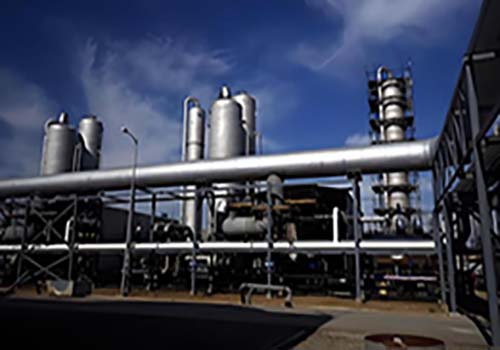
Other Applications
In addition to its utilization as a fuel, pyrolysis oil derived from plastics also has other applications, mainly in the chemical and petrochemical industries. Plastic pyrolysis oil is a complex mixture of hydrocarbons and it may serve as a feedstock for the production of various chemicals and plastics.
The oil obtained during the process of plastics pyrolysis can be utilized as a feedstock for the production of new plastics and chemicals. It can be converted in a steam cracker to yield olefins, including ethylene and propylene that can serve as building blocks for the synthesis of various plastics. This approach is called chemical recycling and it allows the production of plastics that are as pure as those produced by using virgin plastic feedstocks. The use of pyrolysis oil as a raw material for the production of chemicals is expected to promote energy independence and foster sustainability within the plastic production industry.
Types of Pyrolysis Machines
The plastic pyrolysis machine market offers a variety of options to suit different operational needs and scales. The three main types of machines are batch type, semi-continuous type, and fully continuous type. Each type has its own unique features, advantages, and disadvantages, and the choice of machine will depend on factors such as the volume of plastic waste to be processed, the desired level of automation, and the available budget.
Batch type machines are the most basic and affordable option, making them suitable for small-scale operations and startups. Semi-continuous machines offer a balance between cost and efficiency, while fully continuous machines are the most advanced and expensive option, designed for large-scale industrial operations. The following table provides a comparison of the different types of pyrolysis machines.
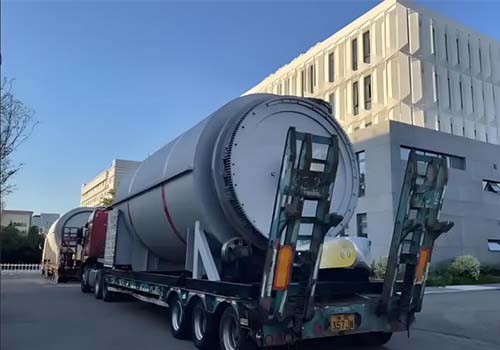
Batch Type Machines
Batch type pyrolysis machines are the most common and affordable type of pyrolysis equipment. They operate in a cyclical manner, where a batch of plastic waste is loaded into the reactor, heated to the desired temperature, and then cooled down to remove the final products. This process is repeated for each batch of waste.
Semi-Continuous Type Machines
Semi-continuous pyrolysis machines offer a middle ground between batch and fully continuous systems. They are designed to operate in a semi-continuous mode, where plastic waste is fed into the reactor in batches, but the final products are discharged continuously. This allows for a more efficient and continuous operation compared to batch machines, while still maintaining a lower initial investment cost than fully continuous systems.
Fully Continuous Type Machines
Fully continuous pyrolysis machines are the most advanced and efficient type of pyrolysis equipment. They are designed to operate in a continuous mode, where plastic waste is fed into the reactor and the final products are discharged continuously, without the need for stopping and starting the process. This allows for a highly efficient and automated operation, with a high processing capacity and a low labor requirement.
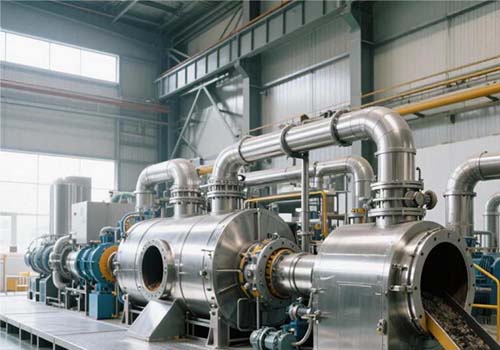
Pyrolysis Oil Compared To Conventional Fuels
Property | Pyrolysis Oil | Diesel | Heavy Fuel Oil (HFO) |
Calorific Value | 42–46 MJ/kg | 42–46 MJ/kg | 40–42 MJ/kg |
Density | 0.85–0.95 g/cm³ | 0.82–0.85 g/cm³ | 0.9–1.0 g/cm³ |
Viscosity (at 40°C) | 2–20 cSt | 2–4 cSt | 180–700 cSt |
Sulfur Content | <0.5% (low-sulfur) | <0.001% (ultra-low) | 1–5% |
Flash Point | 50–80°C | 55–70°C | 60–100°C |
Factors That Affect the Price of the Machine
The price of a plastic pyrolysis machine depends on several different factors, which include the processing capacity of the machine, the type of materials that have been used to build the machine, and the amount of automation that the machine possesses.
Processing Capacity of the Machine
The processing capacity of the machine plays an essential role in determining how much a machine costs. Generally speaking, machines with high processing capacities tend to cost more than those with lower processing capacities. This is because machines with high processing capacities are equipped with larger reactors, more advanced heating systems, and complex controls.
Material for the Reactor (Stainless Steel and Q345R)
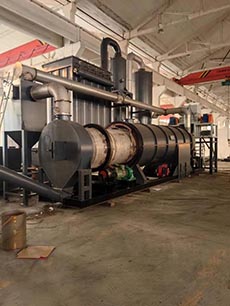
Another important aspect that needs to be considered when discussing the cost of the machine is the type of material that has been used to manufacture the reactor. Two of the commonly used materials are carbon steel and stainless steel. Carbon steel reactors include the Q345R, while stainless steel reactors include grades such as 304 and 310S.
Automation Level and Configuration
Also important to consider when pricing the machine is the extent of automation. For instance, the price of the machine will be different depending on whether the machine is a fully automatic continuous system or a batch system that operates manually. Also important in deciding on the price is the configuration of the machine. This includes such things as the feeding configuration, condensing configuration, and environmental protection configuration among other elements of the machine. A superior configuration may mean that the machine is not only more expensive but more efficient too.
The conversion of plastic waste into energy via pyrolysis is associated with a range of benefits that include environmental and economic gains. This new technology serves as an environmentally friendly way to deal with the problem of plastic waste on a global scale. At the same time, it creates a valuable commodity that can be further used for different purposes. In this regard, pyrolysis plays an important role in promoting sustainability and the development of a circular economy.
Reducing Plastic Waste and Keeping It out of the Landfill
A major benefit of converting plastics into energy is that it reduces the amount of plastic waste stored in landfills and other places. The production of plastic waste has been steadily increasing over the years with millions of tons of plastic produced annually. In this context, addressing the issue of proper plastic waste management is becoming a key global concern. Thus, pyrolysis serves as an effective means of eliminating plastic waste, which is currently being disposed of at landfills.
Recovery of Energy and Conserving Resources
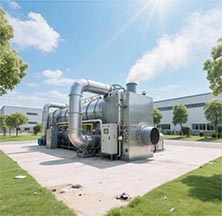
Pyrolysis is a method of energy recovery since the process converts the chemical energy in the plastics to useful energy. This makes it a very important process since it leads to the recovery of a precious source of energy that would otherwise be wasted. In fact, the amount of energy present in plastic is similar to that in traditional fuels, meaning that energy recovery is very much possible using the process of pyrolysis.
Creation of Jobs and Economic Benefits
Pyrolysis of plastics can be a source of substantial financial benefits and employment creation. Building and running plants for pyrolysis can create many jobs in such industries as manufacturing, engineering, and waste disposal. Also, selling such goods as pyrolysis oil and carbon black can bring considerable money to owners of such plants. Another way in which pyrolysis can benefit society is by saving money spent by businesses and individuals on the cost of energy, due to using pyrolysis oil as fuel.
Decreasing Dependence on Fossil Fuels
Using renewable sources of energy will decrease the dependence on fossil fuels. This advantage should be stressed as fossil fuels have been used excessively; therefore, they are becoming exhausted, and people need alternative sources of energy, especially considering the necessity to protect the environment. Pyrolysis can produce pyrolysis oil which will become an alternative to such energy resources as crude oil.
6.1 Environmental Benefits
Reduction of Plastic Pollution
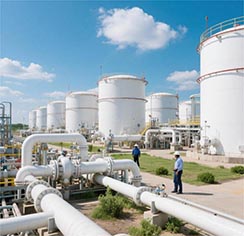
Perhaps, the most important ecological advantage of plastic pyrolysis is its ability to cut back the pollution of the environment by plastics. As a matter of fact, by turning plastics into a valuable material, pyrolysis can play a role of a solution in the problem of excessive pollution of the environment, and particularly of seas, caused by plastics.
Lower Carbon Footprint in Comparison with Incineration
One of the main advantages of pyrolysis over incineration in terms of their impact on the environment is the lower carbon footprint of the former process. While plastic incineration causes the emission of a rather large amount of carbon dioxide into the air, in case with pyrolysis of plastics there is no need for any combustion.
Circular Economy and Sustainable Resource Management
It is evident that pyrolysis will be crucial for a circular economy of plastic materials to emerge in the future. Indeed, by making plastics valuable and thus giving the possibility to close the cycle of their use, this process will contribute to creating a sustainable system where resources will be managed efficiently and economically.
6.2 Economic Considerations
Factors That Influence the Cost-Effectiveness of the Process
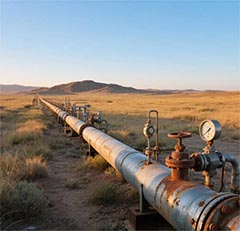
Several things determine whether or not the pyrolysis process will prove cost-effective, including the cost of the equipment needed for the process, the cost incurred in running the operations, and the income generated from sales of the end product. Although the cost of buying the equipment and the operation may seem high at first, the income that results from selling pyrolysis oil and carbon black can be considerable. Also, the income realized from using pyrolysis oil as fuel can go a long way in making the operation cost-effective.
Market Demand for Pyrolysis Oil
There is an increase in the market demand for pyrolysis oil because of the increasing global demand for sustainable and economic energy sources. More and more people prefer pyrolysis oil as a substitute fuel for traditional ones, and as such, the market demand for this product will continue to rise. With time, increased market demands should contribute positively to price levels in the sector.
Subsidies Offered By Governments
In order to promote sustainable energy sources such as pyrolysis oil, some governments have instituted several subsidies in their regions. As such, the process could become more economically viable due to these factors.