
Pyrolysis is a thermochemical conversion process that represents a fundamental shift in how organic waste is treated, moving beyond simple disposal to active resource recovery. At its core, pyrolysis involves the thermal decomposition of carbonaceous materials within an inert, oxygen-free environment. This key distinction from combustion or incineration allows for the breakdown of complex organic molecules without uncontrolled burning, yielding valuable, multi-state products rather than just energy and toxic ash. The primary outputs are a liquid called pyrolysis oil or bio-oil, a solid residue known as biochar or carbon black, and a non-condensable gas referred to as syngas. Each of these products possesses significant commercial and ecological value, transforming what was once a waste stream into multiple marketable commodities. This report provides an in-depth, expert-level analysis of the pyrolysis process, its underlying mechanics, and its specific application in the highly promising field of end-of-life tire recycling, illustrating a powerful business and environmental case for its widespread adoption.
Defining Pyrolysis: The Core Principles of an Oxygen-Free Process
Pyrolysis is defined as the thermal degradation of organic matter in the complete absence of oxygen. The term itself is derived from the Ancient Greek words “pyro” (fire) and “lysis” (separation), perfectly encapsulating the process of breaking down covalent bonds in a material through heat. This is a fundamental concept that distinguishes pyrolysis from other thermal processes. While materials like wood, plastics, or tires will combust or burn in the presence of oxygen, an oxygen-starved environment forces them to undergo a chemical transformation. As the material is heated to high temperatures—typically between 400 and 700 degrees Celsius for tire pyrolysis—its long-chain polymer molecules break down into smaller, lower-molecular-weight hydrocarbons.
The profound advantage of this oxygen-free environment extends beyond mere chemical mechanics; it is the cornerstone of the technology’s environmental and business viability. By preventing open flame combustion, pyrolysis avoids the direct formation of many harmful air pollutants that are characteristic of incineration, such as dioxins, furans, and fine particulate matter. For a business, this scientific fact provides a compelling strategic advantage. A pyrolysis plant can be marketed as a “cleaner” and “safer” alternative, potentially reducing the regulatory and public relations hurdles often associated with waste management facilities. This transforms a purely technical detail into a powerful commercial proposition, establishing the technology as a responsible solution to a critical global challenge. The absence of oxygen is not just a scientific requirement but the very foundation of pyrolysis’s promise as a sustainable and socially acceptable technology.
The Pyrolysis Family: A Comparative Analysis with Incineration and Gasification
To fully appreciate the unique role of pyrolysis, it must be compared with its related thermochemical conversion processes: incineration and gasification. While all three utilize heat to treat waste, their fundamental operational parameters and outputs vary significantly.
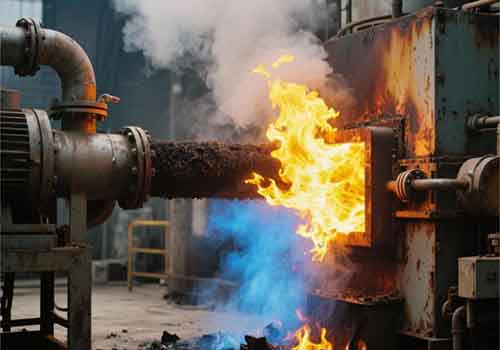
Incineration involves the high-temperature combustion of waste, typically in an oxygen-rich environment. This process is designed to achieve maximum volume reduction by burning waste to ash, releasing significant heat that can be captured to generate electricity. However, this comes at a steep environmental cost, including the direct release of high levels of carbon dioxide and the emission of toxic air pollutants like dioxins, furans, and heavy metals. The resulting ash is often hazardous and requires further disposal in a landfill.
Gasification operates at high temperatures but uses a controlled amount of air or steam. This process does not fully combust the material; instead, it converts it primarily into a combustible gas known as syngas. While syngas is a valuable fuel, the process’s main output is limited to a single state of matter.
Pyrolysis, in contrast, stands apart by producing a diverse range of products: solid char, liquid oil, and non-condensable gas. This product versatility is a key economic strength. By generating multiple valuable outputs, a pyrolysis plant operator can create diverse revenue streams from a single feedstock, unlike incineration which relies primarily on energy sales and disposal fees. This multi-product model provides a more resilient and adaptable business strategy, allowing the operator to respond to fluctuations in different commodity markets. A manufacturer can therefore position a pyrolysis system as an investment in a diversified business, not just a simple waste disposal solution, making it a more attractive and de-risked venture for investors and industrial clients.
The following table summarizes the key differences between these processes:
The following table summarizes the key differences between these processes:
Environmental Factor | Pyrolysis | Incineration | Gasification |
Oxygen Use | No oxygen | Oxygen needed | Controlled air/steam |
Primary Products | Liquid, gas, and char | Ash, flue gas, and heat | Syngas |
Residue Type | Biochar (carbon sink) | Ash (often toxic, requires landfill) | Minimal ash/slag |
Carbon Dioxide Emissions | Low to negative (biochar stores carbon) | High (direct fossil-carbon release) | Lower than incineration |
Other Emissions | Minimal (no dioxins or furans) | High (dioxins, heavy metals, particulate matter) | Minimal |
Export to Sheets
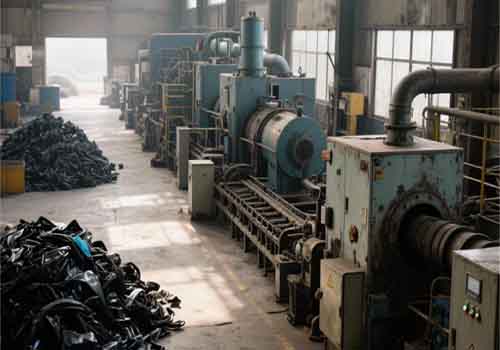
The fundamental principle of pyrolysis lies in its ability to break the chemical bonds of organic materials through thermal energy. When heated in an inert environment, materials do not burn; instead, their molecular structure undergoes a process of thermal decomposition. Complex, long-chain polymers, such as those found in plastics and rubber, are broken down into smaller, lower-molecular-weight hydrocarbon chains. For example, cellulose, a major component of wood, decomposes at approximately 350°C, while many sugars begin to break down at 160-180°C. This is the very essence of the process: converting large, difficult-to-handle molecules into smaller, more valuable compounds. The fragments of these molecules can then rearrange and recombine to form the final products of the process.
The final composition and yield of these products are highly dependent on specific process parameters, primarily temperature, heating rate, and residence time. These variables can be precisely controlled to optimize the output for a particular commercial objective. This adaptability is a crucial component of the technology’s value proposition.
Temperature: The operating temperature directly influences the product ratio. Higher temperatures tend to favor the production of gaseous and liquid products, while lower temperatures enhance the yield of the solid char. A pyrolysis plant can be calibrated to target a specific temperature range to meet the demands of a local market.
Heating Rate & Residence Time: These two parameters define the type of pyrolysis process.
Slow Pyrolysis: Characterized by relatively low temperatures (under 500°C) and long residence times in the reactor, this method is optimized to maximize the yield of biochar.
Fast Pyrolysis: This method employs a high heating rate (10-200°C/s) and a very short residence time. Fast pyrolysis is engineered to maximize the production of pyrolysis oil, with yields typically reaching 50-70% from biomass.
The fact that the output of a pyrolysis system is not a fixed ratio but can be tuned is a vital strategic asset. A manufacturer can provide a system that can be adjusted to a client’s specific business goals and market conditions. For instance, a client in the agricultural sector might optimize their process for biochar, which can be sold as a soil amendment, while a client in the energy sector would focus on maximizing the liquid fuel output. This operational flexibility allows the technology to be a long-term, profitable investment that can adapt to fluctuating market prices and demands, further strengthening the business case for its adoption.
The pyrolysis process is a series of well-defined stages designed to convert waste materials into valuable resources with high efficiency and minimal emissions.
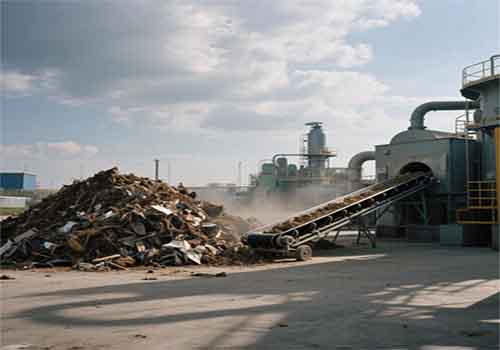
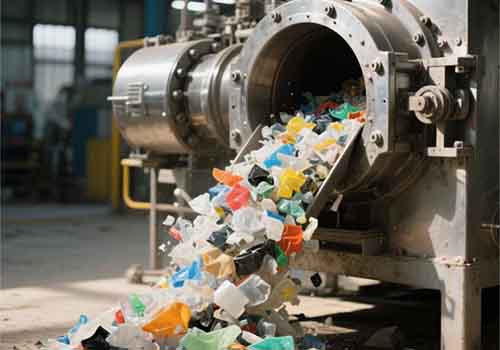
Feedstock Preparation: The Critical First Stage The journey begins with meticulous feedstock preparation. Organic waste, such as end-of-life tires or agricultural biomass, is collected and pre-processed to ensure a consistent and high-quality input for the reactor. This typically involves several key steps: shredding the material to a uniform size, removing metals and other contaminants, and often drying it to increase the overall energy efficiency of the process. Proper preparation is critical for ensuring smooth operation, consistent product quality, and preventing damage to the machinery. The technology is remarkably versatile, capable of processing a wide range of organic and synthetic materials, including agricultural waste, municipal solid waste, and plastics.
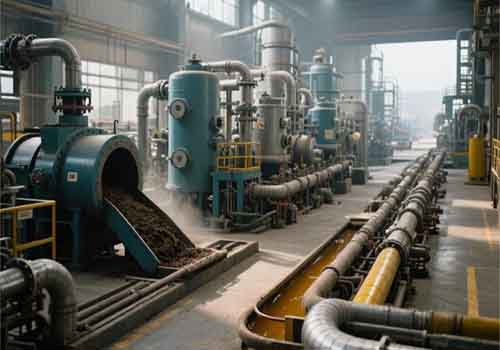
The Pyrolysis Reactor: Heating and Conversion Once prepared, the feedstock is fed into a sealed, oxygen-free pyrolysis reactor. This is the core of the system, where the thermal decomposition occurs. The reactor is preheated to the required temperature, with the reaction typically beginning when the internal temperature reaches approximately 180°C, and stabilizing as it approaches the optimal range of 280-350°C for many organic materials. The reactor itself can vary in design, from fixed-bed systems for smaller-scale, batch operations to highly efficient, continuous rotary kilns for large-scale industrial applications. The reactor’s design is engineered to ensure uniform heating and consistent material conversion.
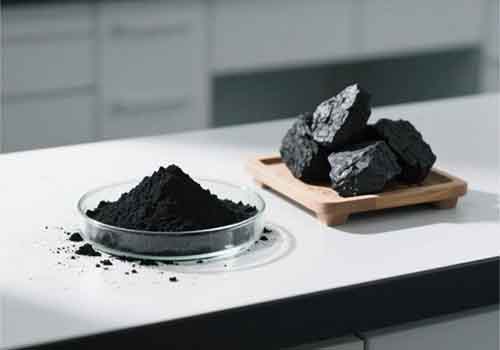
Product Collection and Separation: Condensing and Refining As the feedstock breaks down, it produces a mix of solids, condensable vapors, and non-condensable gases. This mixture exits the reactor and undergoes a sophisticated separation process. First, the hot gas passes through a manifold to remove impurities. The purified gas then enters an oil condenser, where it is rapidly cooled to condense the vapors into liquid pyrolysis oil, which is then stored in a dedicated tank. The remaining non-condensable gas, or syngas, is routed to a separate purification system, such as a hydroseal, to ensure it is clean for subsequent use. The solid residue, known as biochar or carbon black, is discharged from the bottom of the reactor using a screw conveyor, often a water-cooled system to reduce its temperature and cooling time.
Energy Self-Sufficiency: A Closed-Loop System One of the most compelling features of the pyrolysis process is its ability to be self-sustaining. The syngas produced during the thermal decomposition is a high-calorific fuel. This purified gas can be channeled back to the burners to provide the necessary heat to power the pyrolysis reactor. This creates a closed-loop, energy-efficient system that significantly reduces operational costs by minimizing or eliminating the need for external fuel sources. This energy independence makes the business model more resilient and less vulnerable to external energy price fluctuations. The ability to generate its own fuel is a powerful economic advantage, as it transforms a waste product into a source of operational savings and long-term energy security for the plant operator.
To fully understand the seamless integration of each stage, a visual representation is invaluable. The following diagram and its accompanying table illustrate the flow of material and the function of each critical component in a typical pyrolysis plant. This technical transparency is essential for establishing credibility with a professional, B2B audience. It demonstrates a deep understanding of the engineering and design principles behind the technology, reassuring potential clients and investors that they are partnering with a true industry leader.
Pyrolysis Process Flow Diagram:

Key Components and Functions
Component | Function | Material In | Material Out |
Feeder | Transports pre-processed feedstock into the reactor. | Feedstock | Feedstock |
Reactor | The core anaerobic chamber where thermal decomposition occurs. | Feedstock | Oil Gas, Syngas, Solid Residue |
Burner | Heats the reactor using fuel, often recycled syngas. | Syngas, Fuel | Heat |
Manifold | Separates initial impurities from the hot oil gas and syngas stream. | Hot Gas | Purified Hot Gas, Impurities |
Oil Condenser | Cools the oil gas, causing it to condense into liquid oil. | Purified Hot Gas | Pyrolysis Oil |
Hydroseal | Purifies the non-condensable syngas before it is reused. | Syngas | Purified Syngas |
Syngas Burner | Combusts the purified syngas to provide heat for the reactor. | Purified Syngas | Flue Gas, Heat |
Solid Residue Discharge | A conveyor system (often water-cooled) that removes the solid char/carbon black from the reactor. | Solid Residue | Char/Carbon Black |
1. Waste Tires
Pre-treatment:
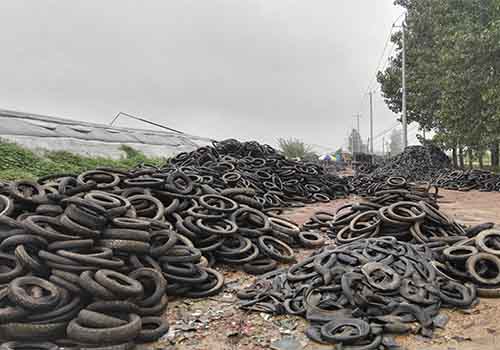
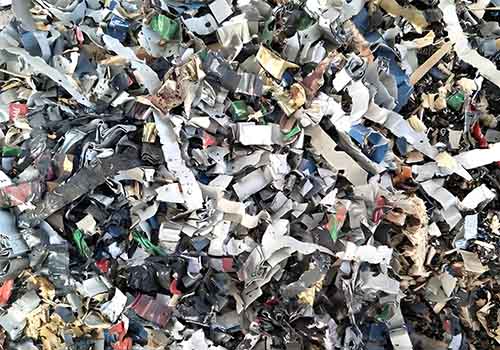
Large end-of-life tires (diameter 900–1500 mm) must first be cut or segmented, as whole tires are too bulky to feed into the reactor. Typical segmentation capacity is 1–2 tons per hour.
For laminated tires or truck tires, additional layer separation may be required, also at 1–2 tons per hour throughput.
Oil Yield: Approximately 40%–45% fuel oil, depending on rubber composition.
Byproducts: 30%–35% carbon black, 10%–15% steel wire, and 8%–10% syngas (recycled for heating).
2. Waste Plastics (excluding PVC & PET)
Suitable Plastics: PE, PP, PS, ABS, LDPE, HDPE.
Oil Yield: 30%–70%, depending on the type and purity of waste plastic.
Polypropylene (PP) and Polyethylene (PE): high oil yield (~60–70%).
Polystyrene (PS): ~50–60%.
Mixed plastics: lower yields due to impurities.
Notes: PVC (chlorine release) and PET (low oil yield, mostly gas and residue) are unsuitable.
3. Oil Sludge
Source: Refinery tank bottoms, oilfield drilling mud, shipyard oily residues, and industrial wastewater.
Oil Yield: Around 30%–50%, depending on oil content and water level.
Byproducts: Inert solids that can be used in construction or disposed safely.
4. Biomass & Agricultural Waste
Examples: Sawdust, wood chips, rice husks, nutshells, and other lignocellulosic materials.
Oil Yield: 20%–40% bio-oil, with significant biochar (30%–40%) and syngas (20%–30%).
Appli Bio-oil can be refined into renewable fuels, biochar for soil enhancement or activated carbon.
5. Rubber Products (Non-Tire)
Examples: Rubber powder, granules, conveyor belts, and industr
Oil Yield: 35%–45%, with carbon black and gas recovery.
Advantage: Easier to feed compared to whole tires, no need for heavy pre-treatment.
The benefits of pyrolysis extend far beyond the direct conversion of waste into products. The technology is a key enabler of the circular economy, offering a symbiotic relationship between environmental stewardship and economic growth.
Environmental Benefits: From Landfills to a Cleaner Future
Pyrolysis offers a powerful alternative to traditional waste disposal methods, fundamentally changing how communities manage their trash. First and foremost, it drastically reduces the need for landfills. By converting waste into usable resources, pyrolysis diverts organic material that would otherwise occupy valuable land and contribute to the release of methane, a potent greenhouse gas.
Furthermore, the process has a direct, positive impact on climate change mitigation. The biochar produced is a stable, carbon-rich material that effectively sequesters carbon for centuries, preventing it from re-entering the atmosphere. This gives pyrolysis the potential to be a carbon-negative process, as it removes carbon from the short-term cycle and stores it in a durable form. In contrast, the incineration of waste directly releases carbon dioxide from fossil-based materials into the atmosphere. This is a critical distinction that positions pyrolysis as a superior solution for addressing climate goals.
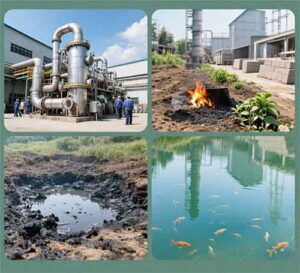
Finally, compared to incineration, pyrolysis produces significantly fewer harmful air pollutants, such as dioxins, furans, nitrogen oxides, and fine particulate matter. By thermally decomposing material in an oxygen-free environment, it avoids the uncontrolled combustion that leads to the formation of these toxic compounds.
Economic Benefits: The Foundation of a Circular Economy
The environmental advantages of pyrolysis are directly linked to its economic benefits, creating a sustainable model for business growth. The technology generates new revenue streams from what was once considered worthless waste, establishing a new commercial framework.
The self-sustaining energy model, powered by the syngas produced on-site, leads to substantial energy savings and a significant reduction in long-term operational costs. This independence from external fuel sources provides greater financial stability and predictability for plant operators.
Moreover, the carbon sequestration capabilities of biochar open up new economic opportunities through environmental incentives and carbon credit programs. Businesses can monetize their positive environmental impact by participating in carbon trading markets, generating an additional revenue stream that enhances the overall profitability of the operation. The establishment of pyrolysis plants also fosters local economic development by creating jobs in the operation, maintenance, and distribution of the valuable end-products.
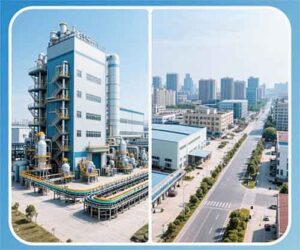
This integration of environmental and economic value is what makes pyrolysis a truly transformative technology. It allows businesses to align their operational goals with global sustainability trends, proving that profitability and environmental responsibility can be mutually reinforcing.