Pyrolysis Oil Distillation Process: Turning Waste into High-Value Fuel
As a professional pyrolysis machine manufacturer, one of the most frequent questions we receive from customers around the world is: “How can we upgrade pyrolysis oil into higher-value products?” The answer lies in the pyrolysis oil distillation process—a key technology that transforms low-grade pyrolysis oil into usable fuels such as diesel, gasoline fractions, and base oil for lubricants.
In this comprehensive blog, we will walk through every detail of the pyrolysis oil distillation process, starting from the generation of pyrolysis oil, the challenges associated with its raw form, the technology and equipment involved in distillation, and finally, the applications and market value of the refined products.
By the end of this article, you will have a complete understanding of how pyrolysis oil distillation closes the recycling loop, supporting a circular economy while providing real business opportunities.
A Comprehensive Guide to the Pyrolysis Oil Distillation Process
1.What is Pyrolysis Oil?>>>
Pyrolysis oil, also called tyre oil, waste plastic oil, or liquid fuel from pyrolysis, is the liquid fraction obtained during the thermal cracking of waste tires, plastics, rubber, or biomass under an oxygen-free environment.
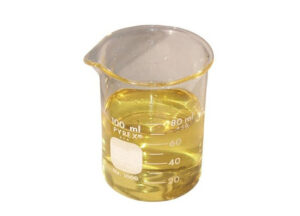
During pyrolysis, complex polymers break down into smaller hydrocarbon chains. The process yields three main products:
Pyrolysis oil (liquid fuel) – usually 40–60% of the output
Carbon black or char – about 30–40%
Non-condensable syngas – 10–20%
Among these, pyrolysis oil is the most commercially valuable, but in its raw state, it has limitations. It is dark, acidic, contains impurities like sulfur and heavy metals, and has an unstable molecular structure. This is why distillation becomes necessary.
2.Why Distillation of Pyrolysis Oil is Necessary>>>
Raw pyrolysis oil cannot be directly used in standard engines or industrial boilers without treatment. Some of the major issues include:
- High acidity: Corrodes storage tanks and engine parts.
- Low flash point: Creates safety hazards during storage and transport.
- Sulfur content: Leads to harmful emissions (SOx gases).
- Unstable hydrocarbons: Cause poor combustion efficiency.
- Unpleasant odor and dark color: Reduce market acceptance.
By applying the pyrolysis oil distillation process, we can:
- Upgrade raw oil into clear, light-colored fuel oil.
- Improve cetane value and combustion efficiency.
- Remove sulfur, nitrogen, and heavy metals to meet environmental standards.
- Increase market price and broaden application fields.
3.Principles of the Pyrolysis Oil Distillation Process>>>
Distillation is based on the principle of separating hydrocarbons according to their boiling points. Raw pyrolysis oil contains a wide range of molecules—from light fractions (similar to gasoline) to heavy residues (like bitumen).
By gradually heating the oil in a distillation reactor, different fractions vaporize at different temperatures:
- Light fractions: Gasoline-range hydrocarbons, <180°C
- Middle fractions: Diesel-range hydrocarbons, 180–350°C
- Heavy fractions: Fuel oil or wax, >350°C
- Residue: Asphalt or bitumen-like material
Through condensation and purification, these fractions are collected and refined into usable products.
4.Flow Chart of Pyrolysis Oil Distillation>>>
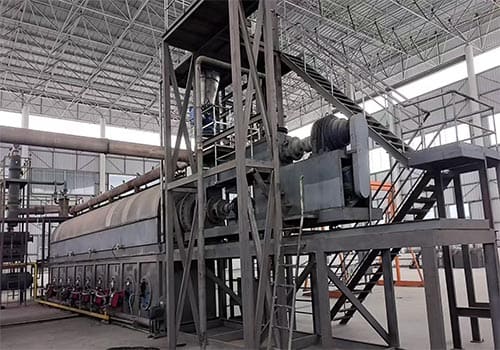
A typical pyrolysis oil distillation system includes the following stages:
Feedstock Pre-treatment
- Dehydration and sediment removal
- Filtration to remove impurities
Heating and Distillation
- Raw oil heated in a distillation reactor
- Fractional vaporization based on boiling points
Condensation
- Vapors pass through condensers
- Converted into liquid fractions
Catalytic Desulfurization / Decolorization
- Sulfur, odor, and impurities removed
- Improves fuel stability and appearance
Storage of Final Products
- Diesel fraction
- Gasoline fraction
- Heavy fuel or base oil
- Asphalt residue
Syngas Recycling
- Non-condensable gas collected and used as heating fuel
- Reduces external energy consumption
This closed-loop design ensures high efficiency, energy saving, and environmental compliance.

5.Equipment in Pyrolysis Oil Distillation Plant>>>
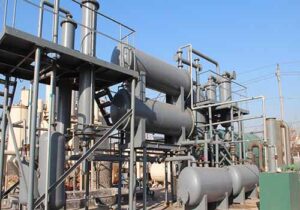
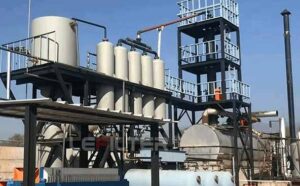
As a professional manufacturer, we design distillation systems with advanced components for safety, efficiency, and longevity. The main equipment includes:
Distillation Reactor
- Heat-resistant alloy steel construction
- High thermal efficiency
- Automatic heating system (oil, gas, or electricity)
Fractionating Column
- Enhances separation efficiency
- Ensures purity of diesel/gasoline fractions
Condensation System
- Tube-in-shell or water-cooled condensers
- Ensures maximum recovery of liquid fuel
Desulfurization & Decolorization Unit
- Adsorbents or catalytic materials
- Removes odor, sulfur, and heavy metals
Vacuum System
- Lowers boiling points for energy saving
- Protects fuel from cracking into gas
Safety Devices
- Pressure relief valves
- Fireproof insulation layers
- Emergency shut-off systems
By integrating these systems, our distillation plants achieve stable operation, high yield, and compliance with environmental regulations.
6.Technical Parameters of Pyrolysis Oil Distillation>>>
While specifications vary by plant capacity, typical technical indicators include:
- Oil Yield: 85–90% recovery from pyrolysis oil
- Diesel Fraction: 60–70% of final product
- Gasoline Fraction: 10–15%
- Heavy Oil/Base Oil: 10–20%
- Residue/Asphalt: 5–10%
- Sulfur Content (after treatment): <50 ppm
- Color: Light yellow, water-like transparency
These parameters make distilled oil comparable to conventional diesel fuel in many industrial and transportation applications.
7.Applications of Distilled Pyrolysis Oil>>>
The refined oil products can be widely applied in different industries:
(1) Diesel Fraction
Trucks, buses, and generators (after blending with standard diesel)
Agricultural machinery and marine engines
Industrial boilers and furnaces
(2) Gasoline Fraction
Small engines, motorcycles, and some vehicles (after blending)
Petrochemical feedstock for solvents and additives
(3) Base Oil / Heavy Oil
Lubricant production
Power plants and heavy industries
Blending with bunker fuel
(4) Asphalt Residue
Road paving materials
Roofing and waterproofing products
By upgrading waste-derived oil into such diverse products, distillation significantly enhances both economic value and environmental performance.
8.Environmental and Economic Benefits>>>
Environmental Benefits
- Reduces dependence on fossil fuel extraction
- Prevents improper disposal of waste plastics and tires
- Produces cleaner-burning fuel with lower sulfur content
- Captures and reuses non-condensable gases
Economic Benefits
- Higher selling price of distilled fuel compared to raw pyrolysis oil
- Diversified product portfolio (diesel, gasoline, base oil, asphalt)
- Energy self-sufficiency via syngas utilization
- Attractive payback period (often 1–2 years for medium-sized plants)
- For investors, this combination of profitability and sustainability makes pyrolysis oil distillation a compelling business opportunity.
9.Case Studies of Pyrolysis Oil Distillation Projects>>>
Case 1: 10TPD Distillation Plant in Southeast Asia
- Feedstock: Waste tire pyrolysis oil
- Output: 6,000 liters/day of clean diesel
- Application: Local transport companies
- ROI: Achieved in 14 months
Case 2: 20TPD Distillation Plant in Eastern Europe
- Feedstock: Mixed plastic pyrolysis oil
- Output: Diesel, base oil, asphalt residue
- Added benefit: Heat supplied to nearby greenhouses
- ROI: 18 months
These examples highlight how localized demand and resource availability shape the design and profitability of distillation projects.
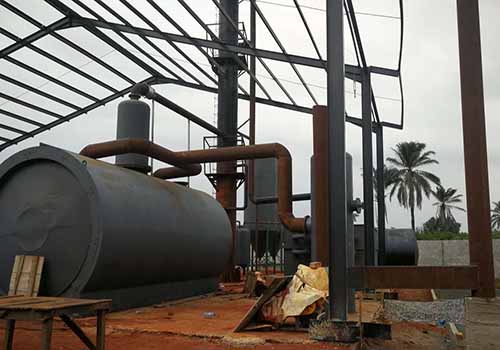
10.Future Outlook of Pyrolysis Oil Distillation>>>
As global pressure mounts to reduce carbon emissions and manage plastic/tire waste, the demand for clean alternative fuels will continue to grow.
Technological innovations will focus on:
- Lower energy consumption distillation via advanced vacuum systems
- Zero-waste integration with pyrolysis plants
- AI-controlled automation for higher efficiency
- Ultra-low sulfur fuels to meet international maritime standards
Pyrolysis oil distillation is not just a recycling method—it is becoming a cornerstone of the circular economy and green energy transition.
11.Conclusion>>>
From waste plastics and tires to valuable diesel, gasoline, and base oils, the pyrolysis oil distillation process is a powerful solution for both waste management and energy recovery.
As a professional pyrolysis machine manufacturer, we are committed to delivering high-efficiency, eco-friendly distillation plants that help our clients maximize profits while contributing to a sustainable future.
If you are considering investing in pyrolysis oil upgrading, now is the best time to seize the opportunity. With advanced technology, proven case studies, and growing global demand, pyrolysis oil distillation is set to play a vital role in tomorrow’s energy landscape.