

I build pyrolysis machines for a living. At Pyrolysis Unit, my days are spent looking at steel plates, welding seams, and reactor designs. But the most common question you hear in this industry is not about the machines. It is about the product. People want to know what you can actually do with tyre pyrolysis oil.
I want to give you a clear, honest look at how this oil is used in the real world. I will not use confusing industry jargon. I just want to share what I have seen from years of setting up these plants across the globe.
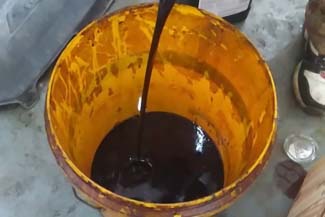
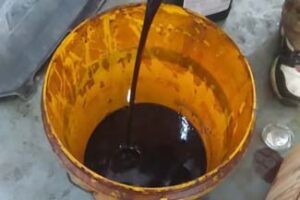
Before we look at the uses, you need to know what we are dealing with. Tyre pyrolysis oil is a dark, heavy fuel oil. It is made by heating scrap tyres in an oxygen-free reactor. The heat breaks the rubber down into oil gas, which we then cool into liquid oil.
Because it comes from tyres, the oil has a very high heating value. It burns hot and it burns well. But it is also a crude product. It is not something you can just pour into your car.
To understand its uses, you have to look at its physical properties. Here is a typical lab report for the oil that comes out of a standard pyrolysis plant.
Table 1: Standard Tyre Pyrolysis Oil Test Parameters
| Parameter | Typical Value | What This Means for You |
| Calorific Value | 10,000 – 10,500 kcal/kg | This is very high. It produces more heat than standard coal. |
| Density | 0.85 – 0.95 g/cm³ | It is heavier than water but flows easily at room temperature. |
| Flash Point | 60°C – 90°C | It is safe to store but ignites easily when heated in a burner. |
| Sulfur Content | 1.0% – 1.5% | This is moderate. It depends heavily on the original tyres used. |
| Ash Content | Less than 0.1% | It leaves almost no residue behind after burning. |
| Water Content | Less than 0.5% | It is a dry oil, which makes for stable combustion. |

When you look at that table, one thing stands out. The calorific value is excellent. That single fact dictates almost all the primary uses for this oil.
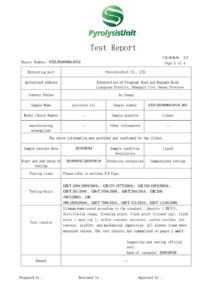
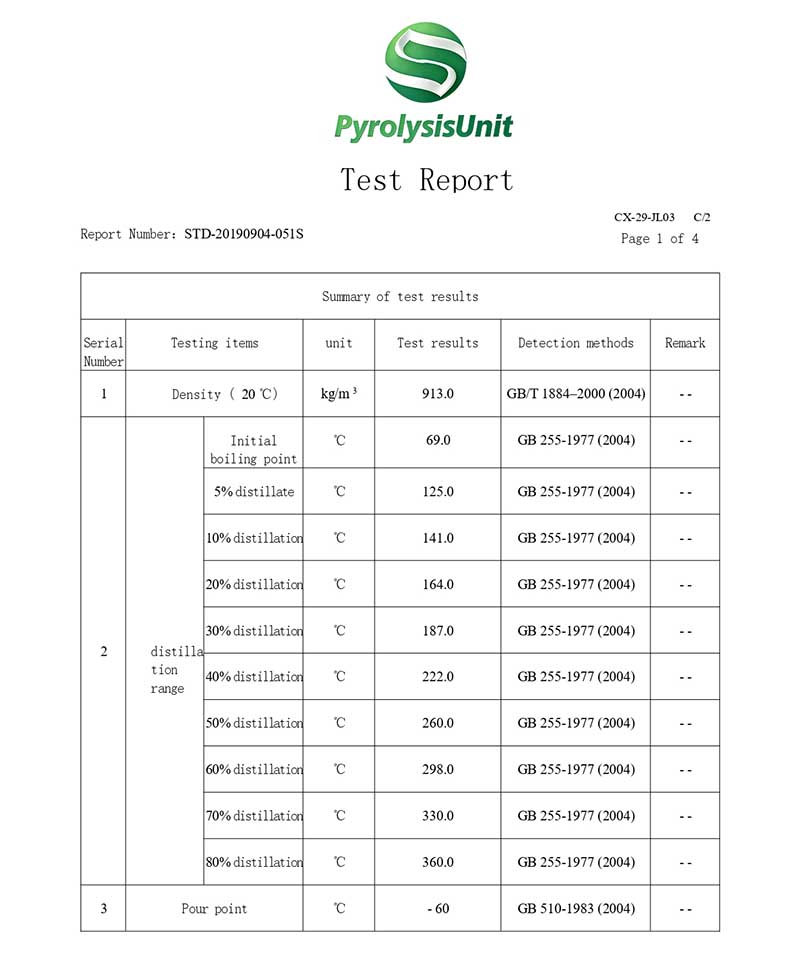
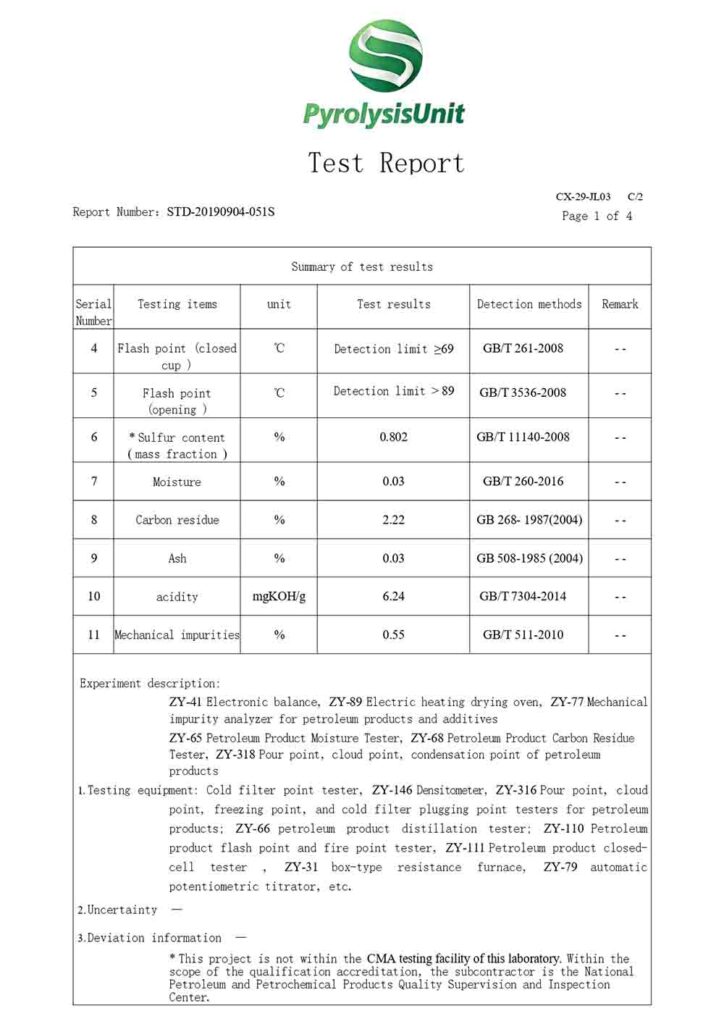
PyrolysisUnit has conducted rigorous laboratory testing on waste tire samples. These reports validate both the efficiency of the thermal conversion process and the commercial grade of the resulting fuel.
This commissioned report details the physical and chemical properties of a liquid pyrolysis oil sample across 11 key testing parameters using standard GB/T methodologies.
Key Findings:
Physical Properties: The oil has a density of 913.0 kg/m³ at 20°C and exhibits excellent low-temperature fluidity with a pour point of -60°C.
Volatility & Combustion: The distillation range begins at an initial boiling point of 69.0°C, with 80% distillation achieved at 360.0°C. The closed-cup flash point is ≥69°C, and the open-cup flash point is >89°C.
Purity & Composition: The sample shows very low moisture (0.03%) and ash content (0.03%). Other notable metrics include a sulfur content of 0.802%, carbon residue of 2.22%, mechanical impurities of 0.55%, and an acidity level of 6.24 mgKOH/g.
Overall, the document provides a comprehensive quality profile of the pyrolysis oil, highlighting its volatility, cold-weather stability, and low baseline contaminant levels.
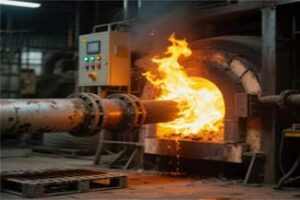
The most common use for tyre pyrolysis oil is as a direct replacement for fuel oil, diesel, or coal in heavy industry. Because the oil produces a massive amount of heat, industries that need to run large furnaces buy it in bulk.
When I was commissioning two waste tire pyrolysis plants in Malaysia back in October 2022, the local operators did not refine the oil. They sold it straight to a nearby cement factory. Cement kilns require temperatures over 1400°C. Tyre pyrolysis oil hits those temperatures easily.
Here are the main industries that use this oil directly:
Cement Plants: They use it to heat their rotary kilns.
Steel Mills: They use it in reheating furnaces to melt or soften steel.
Brick Factories: They burn the oil to fire the clay bricks.
Glass Factories: Melting glass takes constant, high heat. Pyrolysis oil is a cheap and stable fuel source for them.
Boiler Plants: Any industrial facility that runs a heavy oil boiler for steam or hot water can use this oil.
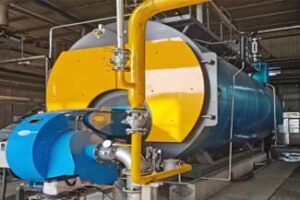
Using the oil this way requires very little extra work. The factory just needs an oil burner that can handle heavy fuel oil. Since the oil is relatively thin, it pumps easily through standard industrial pipes.
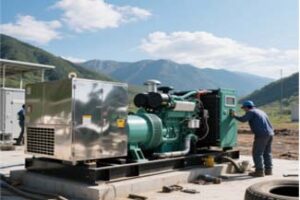
You can also use the oil to make electricity. But there is a catch. You cannot put this crude pyrolysis oil into a standard high-speed diesel generator. The sulfur and the raw nature of the oil will damage a high-speed engine very quickly.
Instead, you have to use heavy oil generators. These are large, slow-speed engines designed to burn thick, unrefined bunker fuel or marine fuel. These generators are often used in remote areas or large industrial parks where grid electricity is weak or too expensive.
If you have a pyrolysis plant and you also need power to run your own facility, buying a heavy oil generator is a smart move. You can burn a portion of the oil you produce to power your own shredders and reactors.
If you want to sell your oil for a higher price, direct burning is not enough. You have to refine it.
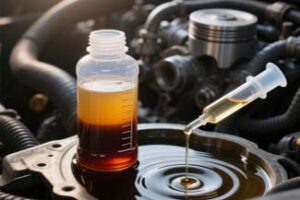
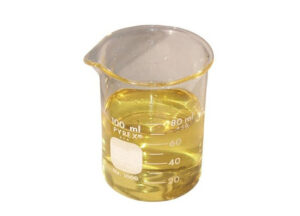
Tyre pyrolysis oil can be processed through a waste oil distillation plant. Distillation heats the crude pyrolysis oil to very high temperatures, vaporizes it, and then condenses it into a much cleaner, lighter fuel. We often call this non-standard diesel.
This is a path many operators take as they grow. For example, in September 2024, my team and I went to Côte d’Ivoire to install two 20-ton distillation units. The customer was already producing crude pyrolysis oil. By adding the distillation step, they changed their entire business model.
The diesel you get from distillation is a clear, light yellow liquid. It looks very different from the dark sludge that goes into the machine.
Here is what you can do with this distilled diesel:
Tractors and Farm Equipment: Agricultural machines usually have older, more robust diesel engines that handle non-standard diesel perfectly.
Construction Machinery: Excavators, bulldozers, and loaders can run on this fuel.
Marine Engines: Fishing boats and small transport vessels use it as a cheaper alternative to standard marine diesel.
Standard Diesel Generators: Once distilled, the oil is clean enough to run in normal, high-speed diesel generators for electricity.
Distillation is a serious industrial process. It takes time and planning to set up a facility. To give you an idea of what it takes to start upgrading your oil, here is a timeline based on a typical installation project.
Table 2: Typical Timeline for a Distillation Upgrade Project
| Project Phase | Estimated Time | What Happens |
| Phase 1: Planning and Permits | 1 to 2 months | You secure the land, get environmental approvals, and lay the concrete foundation. |
| Phase 2: Manufacturing | 1 to 1.5 months | We build the distillation reactors, cooling towers, and filtration systems at our factory. |
| Phase 3: Shipping | 1 month | The equipment is packed into containers and shipped to your local port. |
| Phase 4: Installation | 1 month | Engineers arrive on your site to weld the pipes, erect the towers, and wire the controls. |
| Phase 5: Commissioning | 1 to 2 weeks | We run the first batch of tyre pyrolysis oil through the system to test the diesel output. |
While the oil is the main focus, you cannot run a pyrolysis business without dealing with the rest of the tyre. When you heat tyres, you do not just get oil. You get three main products.
Tyre Pyrolysis Oil: This makes up about 40% to 45% of the tyre’s weight.
Carbon Black: This makes up about 30% to 35% of the weight. It is a fine black powder. You can sell it to cement factories to mix into coal, or you can grind it finer to use in making new rubber products, shoe soles, or black ink.
Steel Wire: Tyres are reinforced with steel. This makes up about 15% to 15% of the weight. After the process, you pull the clean steel out of the reactor and sell it directly to scrap metal recyclers.
Syngas: About 8% to 10% of the tyre turns into an un-condensable gas. You do not sell this. The machine routes this gas back into the furnace to heat the reactor. It saves you money on burner fuel.
Is tyre pyrolysis oil the same as standard diesel? No. Crude pyrolysis oil is much heavier, darker, and has a higher sulfur content than standard diesel. It is closer to industrial heavy fuel oil. You cannot put it into a normal car.
Can pyrolysis-derived tire oil be blended with standard diesel? Blending and using tire oil—particularly untreated tire oil—with standard diesel is not recommended. If it is to be utilized as a fuel, it typically requires specific purification and blending processes to ensure it meets both engine requirements and environmental standards.
Can I run a standard diesel generator on crude tyre oil? I do not recommend it. The impurities in the crude oil will clog the filters and damage the fuel injectors in a fast-speed diesel engine. You must either use a specific heavy oil generator or distill the crude oil into diesel first.
Does the oil smell bad? Yes, crude tyre pyrolysis oil has a strong, distinct chemical smell. This is normal. When you distill the oil into diesel, the smell is greatly reduced, but it will still smell different from the diesel you buy at a gas station.
How long can I store the oil? You can store it for a very long time in sealed steel tanks. It does not degrade quickly. However, over time, some carbon dust suspended in the oil will settle to the bottom of the tank. You will need to clean the sludge out of your tanks eventually.
Is burning the oil bad for the environment? It depends on how you burn it. If you burn it in a large industrial cement kiln or a boiler equipped with modern smoke scrubbers and dust removal systems, the emissions are well within legal limits. If you burn it in an open pit, it will create black smoke, just like any crude oil.
Why does the oil price change so much? The price of tyre pyrolysis oil is tied to the global price of crude oil and coal. When international fuel prices go up, factories look for cheaper alternatives, which drives up the demand and the price for pyrolysis oil.
Do I need a special license to sell this oil? This depends entirely on your local government. In most countries, you need a license to transport and sell industrial fuel. You should always check your local environmental and business regulations before setting up a plant.