1.The Looming Crisis in Sewage Sludge Management>>>
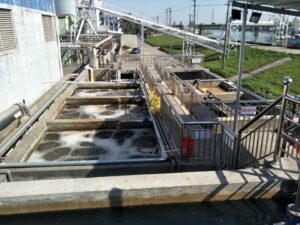
The consistent increase in global population and urbanization has resulted in a concomitant rise in the sheer volume of sewage sludge (SS) generated by wastewater treatment plants (WWTPs worldwide). This semi-solid residue represents a complex heterogeneous mixture, comprising organic matter, microorganisms, inorganic compounds, moisture, and, critically, accumulating toxic pollutants.
Traditional disposal routes for sewage sludge—principally land application, landfilling, and conventional incineration—are proving to be economically unsustainable and environmentally non-compliant in the long term. Land application, historically favored for its nutrient content, now faces severe restrictions across major markets due to mounting concerns regarding the introduction of heavy metals and hazardous chemicals onto agricultural soils. In Europe, the phase-out of biodegradable waste landfilling is accelerating, fundamentally limiting this disposal avenue.
The inability of conventional methods to meet these dual requirements—maximum volume reduction coupled with specific, safe resource recovery—pushes the focus squarely onto thermochemical conversion technologies, particularly pyrolysis, as the optimized solution for infrastructure longevity.
2.Pyrolysis as the Definitive Thermochemical Solution>>>
Pyrolysis represents the definitive modern thermochemical strategy for managing sewage sludge. This process involves the thermal decomposition of organic matter at high temperatures, typically ranging from 300∘C to 1300∘C, in an inert atmosphere defined by the absence of oxygen.
This oxygen-starved environment, sometimes referred to as thermolysis, is critical because it fundamentally dissociates the organic matter breakdown from the combustion process, allowing for precise control over the final product slate and minimizing the formation of noxious air pollutants.
The commercial viability of pyrolysis lies in its operational flexibility, which is directly tied to temperature and residence time control. By tuning the process parameters, operators can maximize the yield of one of the three commercially valuable product streams:
Biochar (Solid Residue): Slow pyrolysis, typically operating at lower initial temperatures around 300∘C, favors the conversion of the feedstock into a carbonaceous solid (biochar or char) through carbonization. Biochar yield from sewage sludge is naturally high (68–81 wt%) due to the large inorganic ash content.
Bio-oil (Liquid Condensate): Intermediate or conventional pyrolysis, conducted at temperatures between 500∘C and 650∘C, maximizes the production of condensable liquid bio-oil. Optimal energy recovery in the bio-oil fraction is typically achieved around 575∘C, transferring up to 50 percent of the original sludge energy into this liquid fuel.
Syngas (Non-Condensable Gas): Higher temperatures, above 650∘C, with longer residence times maximize the gas fraction, yielding synthesis gas (syngas) composed primarily of CO, H2, CO2, and CH4, with yields potentially reaching 51–66 wt%.
This operational flexibility provides a significant competitive advantage over alternative thermal technologies. Unlike conventional incineration, the pyrolysis process inherently produces lower emissions of air pollutants, particularly the precursors for NOx and SOx, due to the neutral atmosphere. Furthermore, advanced variants like plasma pyrolysis are capable of minimizing harmful emissions and effectively treating hazardous components, positioning the technology as environmentally superior.
Compared to high-pressure hydrothermal carbonization (HTC), which requires immense energy input for handling high-moisture sludge and complex high-pressure steam equipment, decentralized pyrolysis systems can be more economically viable due to lower infrastructural investment and operational simplicity. The ability of a pyrolysis system to prioritize either solid (P-rich biochar) or gaseous/liquid products (energy carriers) de-risks the investment, allowing facility managers to align the system output with evolving regulations (nutrient recovery mandates) or dynamic market needs (energy prices).
The table below contrasts the high-level advantages and disadvantages of key sewage sludge management strategies:
Comparative Analysis of Sewage Sludge Management Technologies for Resource Recovery
Management Strategy | Primary Environmental/Economic Advantage | Key Disadvantage/Regulatory Challenge | Contaminant (Heavy Metal/Pathogen) Fate |
Land Application (Biosolids) | Low initial cost; Nutrient recycling (N/P) | Increasing regulatory restrictions; Micropollutants and heavy metals limit agricultural use | Metals remain bioavailable, posing long-term ecological risk |
Conventional Incineration | High volume reduction (to ash); Pathogen destruction | High capital cost (flue gas cleaning); Auxiliary fuel often required; High air emissions (NOx, SOx) | Heavy metals concentrate in ash (SSA); Requires expensive P-recovery process from ash |
Pyrolysis (Thermal Conversion) | Resource recovery (P, C, Energy); Low air emissions; High flexibility | High initial energy demand for pre-drying high-moisture sludge | Heavy metals stabilized/immobilized in biochar ; Pathogens destroyed |
3.Achieving Total Energy Self-Sufficiency>>>
For municipal and industrial operators, the most significant barrier to implementing thermal conversion technology is the high operational cost (OPEX), largely driven by energy consumption. Raw sewage sludge, arriving at the pyrolysis unit, typically exhibits a high moisture content, often ranging from 80 to 95 percent.
To ensure efficient pyrolysis and optimal product quality (especially bio-oil), this feedstock moisture must be reduced significantly, sometimes to below 10 percent. This essential pre-drying step accounts for the overwhelming majority—approximately 90 percent—of the total energy consumption required for the entire process, establishing it as the most critical cost element.
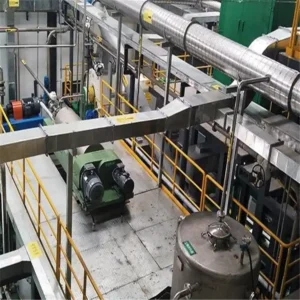
The professional-grade Pyrolysis Unit system design overcomes this economic hurdle by implementing a highly integrated, closed energy loop, which is essential for achieving thermal autosustainment and reducing dependency on costly auxiliary fossil fuels.
Although pyrolysis is an endothermic reaction, the non-condensable syngas and condensable bio-oil produced are energy-rich products. At operating temperatures of 500∘C and above, the process successfully transforms 50 percent or more of the energy originally bound in the sewage sludge feedstock into these volatile energy carriers.
For enhanced efficiency and maximization of energy output, Pyrolysis Units can be engineered for advanced thermal integration. Excess syngas that is not required for the drying or reactor heating stages can be cleaned (to remove problematic tar residues) and utilized in internal combustion engines or Organic Rankine Cycle (ORC) generators for electricity generation.
Furthermore, combining pre-treatment processes, such as anaerobic digestion (AD) of the sludge prior to pyrolysis, has been shown to boost overall energy recovery by up to 14 percent compared to pyrolysis alone, maximizing the utilization of the available bio-originated energy source within the sludge. The effectiveness of a commercial pyrolysis installation is thus determined not merely by the reactor itself, but by the sophistication of its integrated waste heat recovery (WHR) system, making thermal optimization the primary driver of operational profitability.
4.Contaminant Immobilization and Pathogen Destruction>>>
The primary public concern and regulatory restriction surrounding sewage sludge utilization is the presence of hazardous components, particularly pathogens, heavy metals, and persistent organic pollutants. Investing in pyrolysis is therefore a direct investment in environmental liability mitigation and regulatory foresight.
Research specifically shows that pyrolyzing sludge at an appropriate temperature, typically around 600∘C, reduces the ecological toxicity factor of these heavy metals by approximately four times, ensuring that the resulting biochar meets stringent safety standards for beneficial use.
Furthermore, pyrolysis enables selective removal of the most environmentally volatile metals. Elements such as mercury (Hg), lead (Pb), zinc (Zn), and cadmium (Cd) are readily volatilized at operating temperatures and partitioned significantly into the gaseous phase, rather than being enriched in the solid biochar. These volatile compounds are then captured and treated within the system’s integrated flue gas cleaning apparatus, guaranteeing a final solid product (biochar) that is significantly de-risked and prepared for high-value applications.
This chemical stabilization and selective removal process transforms sewage sludge management from a containment problem into a successful contaminant isolation strategy, ensuring that the valuable nutrient content can be recovered safely and legally. The transformation of heavy metals into stable forms allows WWTPs to confidently pursue resource recovery pathways without incurring future liability associated with leaching or soil contamination.
5.Capitalizing on Resource Recovery>>>
The financial justification for adopting pyrolysis shifts the WWTP mandate from a costly disposal service to a revenue-generating resource recovery facility. The core of this new economic model is the production of Sewage Sludge Biochar (SSBC). As pyrolysis volatilizes the organic matter, the resulting solid residue sees a concentration of inorganic elements, making SSBC exceptionally rich in vital plant nutrients, notably phosphorus (P) and potassium (K).
The market viability of SSBC is powerfully reinforced by mandatory nutrient recovery laws, particularly in countries like Germany and Austria, which guarantee a foundational demand for recovered P. SSBC is a proven commercial product, often marketed as a high-efficacy “phosphorus-charged biochar”. Economically, the P recovered via pyrolysis biochar often presents a cost advantage compared to P recovered through complex wet chemical extraction processes from incinerated ash. Studies indicate that SSBC-derived phosphate can cost approximately €2 per kilogram, positioning it significantly below the €4 to €6 per kilogram associated with chemically recovered P, thus providing a clear market incentive.
Beyond its primary function as a P-fertilizer substitute, SSBC offers multiple high-value market applications, which diversify the revenue portfolio:
Soil Amendment and Remediation: SSBC improves soil properties by increasing pH levels, organic carbon content, and nutrient availability, making it an excellent soil conditioner.
Carbon Sequestration: Biochar is a highly stable, carbon-rich product. Its recalcitrant nature makes it an effective tool for long-term carbon isolation (sequestration) in the soil, which, in turn, generates valuable Carbon Removal Credits (BCR credits). This growing revenue stream can significantly influence the project’s profitability, sometimes making the business model viable almost exclusively through credit sales.
Adsorption Media: Due to its high surface area (which increases with pyrolysis temperature), SSBC exhibits beneficial adsorbent properties, useful for environmental remediation, such as the removal of antibiotics or ammonia/phosphate from aqueous solutions.
The revenue generation potential is further bolstered by the immediate realization of avoided costs, notably the elimination of prohibitive landfill tipping fees, which can reach up to 125/ton in some regions. This combined strategy—generating product revenue while eliminating disposal costs—shifts the WWTP’s economic profile definitively into the resource circulation economy.
The financial scope of pyrolysis products is summarized below:
Sewage Sludge Pyrolysis Product Yields and Commercial Value Streams
|
Product
|
Typical Yield (wt% of dry sludge)
|
Market/Application
|
Value Proposition (Revenue Stream)
|
|
Biochar (SSBC)
|
30–60%
|
P-fertilizer substitute, Soil amendment, Adsorption media, Carbon sequestration
|
Mandatory nutrient recovery compliance; P-rich fertilizer sales (€2/kg P) ; Carbon credits
|
|
Syngas (Non-condensable Gas)
|
10–30%
|
On-site heat recovery, Combined Heat and Power (CHP) generation
|
Energy self-sufficiency; Reduced auxiliary fuel OPEX; Heat/Electricity sales
|
|
Bio-Oil (Condensate)
|
20–50% (T/Rate dependent)
|
Refined fuel/blendstock, Industrial heating source
|
Internal energy source; Saleable liquid fuel product
|
6.The Pyrolysis Unit Advantage>>>
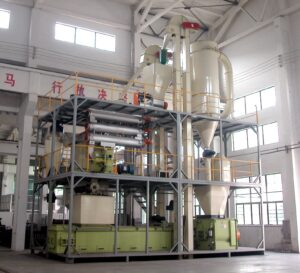
The successful commercial deployment of sewage sludge pyrolysis requires systems engineered specifically for the demands of high-throughput municipal operations, where continuity, efficiency, and reliability are paramount. The design of the Pyrolysis Unit focuses on robustness, achieving annual processing capacities measured in the thousands of tons of dried feedstock.
Core to achieving continuous operation is the selection of advanced reactor technology. Systems often leverage robust designs such as fluidized bed pyrolysis. These reactors are favored over older, mechanically complex options (like Multi-Hearth Furnaces used in conventional incineration) because they offer superior heat and mass transfer efficiency, highly uniform heating, and stable operation. This advanced engineering translates directly into lower mechanical complexity, resulting in reduced maintenance requirements and diminished long-term staffing and repair costs, ensuring optimal uptime.
Furthermore, the Pyrolysis Unit integrates state-of-the-art environmental control and energy harvesting mechanisms. The system’s intrinsic operational characteristics minimize harmful precursor emissions, such as dioxins and furans, compared to direct high-temperature incineration. For energy recovery, advanced gas cleaning (tar removal) is integrated to ensure that the produced syngas is suitable for clean combustion or efficient use in downstream Combined Heat and Power (CHP) engines, without causing corrosion or fouling. By recovering heat from the product streams and transferring it efficiently back to the pyrolysis reactor or the upstream drying process, the system maintains thermal autosustainment, representing an infrastructure solution tailored for long-term, self-reliant operation in the municipal sector.
7.Strategic Investment Analysis>>>
The decision to invest in a Pyrolysis Unit must be viewed not as a simple expenditure on waste treatment, but as a strategic capital deployment that secures long-term regulatory compliance, generates diversified revenue streams, and future-proofs essential municipal infrastructure. The fundamental financial shift achieved by pyrolysis is the conversion of a permanent disposal liability into a valuable resource recovery asset.
Economic analyses of integrated thermal systems demonstrate clear financial superiority over traditional sludge management methods (such as drying and landfilling). Profitable case studies exist for integrated power systems utilizing these thermochemical processes, showing positive cash flow throughout a 20-year lifecycle. Specific projects deploying combined heat and power generation from gasification/pyrolysis have demonstrated rapid financial returns, with the breakeven point achieved within six years, coupled with a positive Net Present Value (NPV).
The quantifiable Return on Investment (ROI) for the Pyrolysis Unit is driven by three interconnected financial pillars:
Avoided Operational Costs: The system eliminates external disposal expenses (tipping fees) and drastically reduces the largest operational cost—auxiliary fuel consumption—by achieving energy self-sufficiency through the closed-loop combustion of its own syngas and bio-oil. This guaranteed OPEX stability is crucial for municipal budgeting.
Diverse Product Revenue: Positive cash flow is generated from the sale of high-value commodities. These include: P-rich biochar to the agricultural sector, where demand is stabilized by regulatory mandates; the sale of carbon credits (BCR credits) leveraging the carbon sequestration potential of the solid product; and, potentially, the sale of excess heat or electricity generated through CHP.
Regulatory Risk Mitigation: The investment acts as a vital hedge against escalating legal and environmental pressures. By proactively meeting mandatory P-recovery targets (often with long-term 12-to-15-year planning horizons set by regulators) and permanently immobilizing heavy metals and micropollutants, the WWTP avoids future fines, litigation risk, and the substantial capital upgrades that will inevitably be required to comply with ever-tightening environmental standards.
The Pyrolysis Unit provides an essential solution that aligns facility operations with the long-term goals of the Circular Economy and climate mitigation frameworks. It represents the strategic choice for decision-makers seeking a verifiable path to energy independence, resource valorization, and absolute long-term regulatory assurance for their wastewater treatment infrastructure.