Key Factors To Consider Buying A Pyrolysis Machine
When planning to invest in a pyrolysis machine for the recycling of plastic waste materials, either for starting up your own small-scale recycling business or for expanding your already existing waste management business, the choice of the right equipment for the job is one such important decision that calls for the proper evaluation of several key factors that are interconnected with one another.
Not only do these key factors have a direct impact on the operational efficiency, quality of output (e.g., quantity and quality of the produced pyrolysis oil, carbon black, and syngas), as well as the long-term durability of the equipment itself, but they are also the most important factors that have a direct impact on the compliance with the stringent environmental protection regulations (e.g., emissions of pollutants such as volatile organic compounds, particulate matter, and hazardous gases), the safety of the workplace for the workers or staff, the overall cost-effectiveness (e.g., initial equipment costs, energy consumption rate, maintenance costs, as well as the adaptability to different types of materials), as well as the viability of your own plastic waste recycling business.
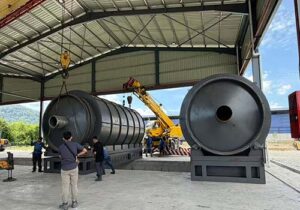
1.Cost Considerations: Maximizing Every Investment>>>
When purchasing a plastic waste pyrolysis machine, cost is a key factor that cannot be overlooked—it involves multiple dimensions.
1. Equipment Purchase Cost:
The prices of pyrolysis machines are quite disparate, ranging from thousands of dollars for small and simple machines to several hundred thousand dollars for large and industrial machines. The disparity in prices mainly results from factors like processing capacity, technology, materials, and automation.
Small machines are affordable for individuals and small recycling plants with relatively low capacities of waste to be recycled. However, they are less efficient and more labor-intensive.
On the other hand, large-scale pyrolysis plants require a relatively higher investment but offer greater efficiency and capacity. For large-scale plastic recycling plants, the cost of processing each unit of waste will be substantially lower.
2. Operating Costs:
Energy consumption is one of the most critical operating costs. The pyrolysis process requires significant heat energy to decompose plastics, and different models consume different amounts of power or fuel. Common energy sources include electricity, natural gas, and fuel oil.
For example, an electric-powered machine rated at 50 kW consumes about 50 kWh per hour. If electricity costs $0.14 per kWh, running the machine for 10 hours would cost about $70 per day in electricity alone.
Machines powered by natural gas depend on gas prices and thermal efficiency—higher-efficiency systems consume less gas for the same output, reducing running costs.
3. Maintenance Costs:
Regular maintenance is essential since long-term operation causes wear and tear on components. Common consumables include seals, heating elements, and transmission parts, whose lifespan and replacement costs vary depending on equipment quality and usage.
High-quality machines may cost more initially but are built with durable parts that reduce maintenance frequency and costs. In contrast, lower-quality machines tend to break down more often, increasing repair expenses and downtime—causing production losses that may far exceed repair costs.
You should also factor in labor costs, as complex systems may require skilled technicians for repairs and routine servicing.
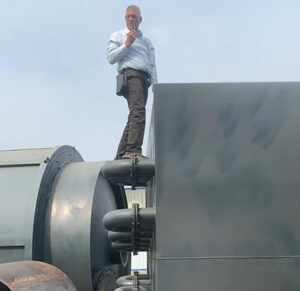
2.Application of pyrolysis oil>>>
One of the most important factors in the selection process is the processing capacity of the plastic pyrolysis plant.
If the small factory or workshop has a daily output of a few hundred kilograms to a few tons of plastic waste, a small plastic pyrolysis plant with a processing capacity of 100-500 kg/h is enough. It is cost-effective, compact, and simple to operate.
However, if the recycling factory has a daily output of tens or even hundreds of tons of plastic waste, a large plastic pyrolysis plant with a processing capacity of 1-5 tons/h or more is necessary. It can ensure continuous processing with the support of continuous pyrolysis technology. Therefore, it can increase efficiency and reduce costs in the long run.
Efficiency is also a vital factor in the selection process.
A good plastic pyrolysis plant can save 30-50% processing time and 20-30% energy consumption compared with a traditional plastic pyrolysis plant.
3.How to Transforming Pyrolysis Oil into Advanced Fuels>>>
In today’s environmentally conscious era, eco-friendliness is a must-have feature. Poorly designed pyrolysis systems can emit harmful gases such as volatile organic compounds (VOCs), hydrogen chloride, and bromine gases, which can cause smog, acid rain, and respiratory issues.
A reliable system must include efficient exhaust purification units, such as:
Activated carbon filters to absorb organic pollutants and odors.
Catalytic combustion systems to convert VOCs into CO₂ and H₂O.
Multistage scrubbing systems (washing, alkaline neutralization, filtering) to ensure emissions meet strict international environmental standards.
Solid residues from pyrolysis can also pose risks if not handled properly. High-quality systems include solutions such as high-temperature vitrification or physical separation to neutralize or recycle residues—minimizing environmental impact.
4.Pyrolysis Oil as a Valuable Chemical Feedstock>>>
The quality of the material used in the pyrolysis equipment as well as the craftsmanship of the manufacturing process play a critical role in ensuring the equipment’s stability in the long term.
Due to the process of pyrolysis being a very hot process, the equipment used in the process should be able to withstand the heat as well as corrosion. Some of the materials that can be used in the process include alloy steel as well as ceramic composite materials. For example, in the process of pyrolysis of chlorinated plastic materials, the use of low-grade steel equipment can corrode easily as a result of the hydrochloric acid that is usually released in the process. This can therefore lead to the equipment having a very short lifespan.
While it is true that the use of premium quality equipment in the process of pyrolysis can prove to be very expensive in the beginning, it can prove to be very cost-effective in the long term as opposed to the use of low-quality equipment that can prove to be very expensive in the long term as a result of the many times it might need to be repaired.
5.Emerging Horizons>>>
Strong after-sales service ensures smooth, uninterrupted operation of your pyrolysis system.
1. Quick Maintenance Response:
Breakdowns can occur in any industrial setup. A top-tier supplier should respond within 24 hours or less, dispatching technicians promptly to minimize downtime. Every hour of delay can result in thousands of dollars in lost productivity, especially for large-scale facilities.
2. Technical Support:
Pyrolysis involves complex thermal and control systems. Operators may need guidance on optimizing temperature, pressure, or yield rates. Suppliers should provide expert technical support via phone, video, or onsite service to ensure optimal system performance.
3. Spare Parts Supply:
Timely spare parts delivery is crucial for continuous operation. Reliable manufacturers maintain adequate parts inventory and offer predictive maintenance schedules. This prevents extended downtime and helps customers plan ahead for part replacement.
6.After-Sales Service Overview of PyrolysisUnit>>>
At PyrolysisUnit, we offer the most comprehensive after-sales service to guarantee the safe operation of all the pyrolysis equipment supplied to our esteemed customers. Our after-sales service includes the provision of installation guidance, commissioning services, as well as operator training.
All the equipment supplied by PyrolysisUnit is covered by a warranty of 12 months, except for the parts that can be easily consumed. Within the warranty period, we offer our customers free repair services in case of any manufacturing defects in the equipment supplied.
However, in the event that the equipment supplied fails to operate as required, the technical team at PyrolysisUnit is always ready to offer remote services to the customers 24/7. We also offer on-site maintenance services in case the customer requires the services of our engineers.
At PyrolysisUnit, we also offer regular maintenance services to the customers. Our ultimate goal is to ensure that all the customers using the pyrolysis equipment operate the equipment with peace of mind.