1.Mastering Kinetic Control for Product Customization>>>
Pyrolysis represents a fundamental thermochemical pathway for the transformative conversion of organic waste streams—ranging from biomass and plastics to tires—into high-value products such as bio-oil, biochar, and syngas. Distinct from incineration, which utilizes oxygen for exothermic combustion, pyrolysis is defined as the thermal degradation of material in an inert or severely oxygen-starved environment.
A critical differentiator in process design is that pyrolysis is inherently an endothermic reaction, requiring a substantial and consistent input of external energy, typically applied indirectly through the reactor walls. This energy requirement underscores the non-negotiable need for sophisticated heat integration and engineering precision in industrial machinery to maintain thermal efficiency and ensure process stability.
Process engineers must navigate a core kinetic trade-off: prolonging vapor residence time at lower temperatures favors secondary cracking reactions that stabilize the solid carbon structure (biochar). Conversely, achieving ultra-short residence times at high temperatures suppresses these secondary reactions, thereby preserving and maximizing the volatile components in the liquid bio-oil fraction.
If the heat transfer mechanism is not rigorously controlled and highly efficient, the system will struggle to meet the kinetic demands, resulting in either suboptimal product yields or excessive operational expenditure (OPEX). The necessity of instantaneously and uniformly controlling thermal energy across the reactor volume demonstrates that efficient resource recovery is fundamentally a challenge of precision thermal management.
The strategic choice between pyrolysis regimes is dictated by the desired output profile, summarized below.
Table : Comparative Operating Conditions and Typical Product Yields of Conventional Pyrolysis Methods
Method | Temperature Range (°C) | Vapor Residence Time | Heating Rate (°C/s) | Typical Bio-Oil Yield (wt%) | Primary Product Focus |
Slow Pyrolysis | 250–450 | 10–100 min | 0.1–1 | ~30 | Biochar |
Intermediate Pyrolysis | 600–800 | 0.5–20 s | 1.0–10 | ~50 | Balanced |
Fast Pyrolysis | 500–700 | < 2s | 10–200 | Up to 75 | Bio-oil |
Flash Pyrolysis | 800–1000 | < 5s | >1000 | ~ 75 | Bio-oil |
2.Optimizing Solid Carbon Valorization>>>
When the primary objective is the production of biochar—a valuable solid carbon material used for soil amendment, carbon sequestration, or specialty filtration—Slow and Intermediate pyrolysis methods are generally preferred. Slow pyrolysis, characterized by low temperatures (250–450 °C) and long vapor residence times (10 to 100 minutes), is the traditional route, efficiently maximizing char yields, which can constitute up to % of the original feedstock mass.
Intermediate pyrolysis (operating between 600 and 800 °C with vapor residence times of 0.5 to 20 seconds) provides an optimized, middle-ground approach, yielding a beneficial balance of bio-oil, biochar, and non-condensable gases. This operational balance is particularly vital for integrated biorefinery systems, where the resulting multiple product streams—biochar for agriculture, syngas for combined heat and power (CHP) generation, and bio-oil for upgrading—significantly enhance overall economic viability.
Furthermore, Intermediate pyrolysis demonstrates robust tolerance to highly diverse and heterogeneous feedstock streams, including agricultural residues and woody biomass of variable particle sizes and moisture content. This operational flexibility reduces the need for energy-intensive pre-processing, thereby facilitating economical, decentralized deployment, especially in rural areas where feedstock consistency is often a major limiting factor.
A key engineering requirement for maximizing the commercial value of the solid product involves focusing on biochar quality over simple mass yield. While conventional thinking suggests lower temperatures are sufficient for char production, research demonstrates that achieving high-quality biochar—defined by its carbon content, energy value, and porosity—requires specific, elevated process conditions.
For instance, the carbon content of biochar shows a dramatic, direct correlation with temperature, rising substantially from 61.22% at 400 °C to 74.59% at 600 °C. While this higher temperature simultaneously decreases the total mass yield of biochar by pushing more material toward gaseous products , the resulting biochar exhibits a maximized carbon ratio, enhanced energy content (High Calorific Value, HCV), and a significantly more porous structure.
Extended residence times, such as a 60-minute holding time, are also confirmed to positively influence these quality metrics. This complexity means the optimal profitability point for the manufacturer is not maximum yield, but rather maximum quality yield. Achieving this optimal balance requires highly specialized reactor control systems capable of maintaining precise temperature plateaus (e.g., 600 °C) for specific durations to produce premium-grade carbon material.
Table : Influence of Key Process Parameters on Biochar Quality
Process Parameter | Effect on Biochar Yield | Effect on Carbon Content | Effect on Porosity/Surface Area | Effect on Energy Content (HCV) |
Increased Temperature | Decreases | Increases (Significantly) | Increases | Increases |
Extended Residence Time | Decreases (Slightly) | Increases | Increases | Increases |
Increased Gas Flow Rate | Decreases | Increases | Increases | Increases |
3.The Engineering Demands of Liquid Fuel Precursor Production>>>
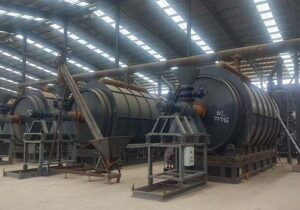
The Fast and Flash pyrolysis regimes represent the specialized pathways dedicated to maximizing the production of liquid bio-oil, yielding up to 75% liquid mass. The core objective of these stringent kinetic parameters is the instantaneous thermal cracking of the feedstock, which serves to minimize the opportunity for secondary reactions that would otherwise convert volatile bio-oil into undesirable permanent gases or heavy tars.
Operationally, Fast Pyrolysis introduces significant engineering and financial challenges. To ensure the rapid heat transfer and devolatilization required by the ultra-short residence times, the feedstock—typically biomass—must undergo energy-intensive pre-processing. This procedure involves grinding the material down to microscopic particle sizes, often less than one millimeter. This mechanical step represents a major contributor to the overall operational expenditure (OPEX) of producing bio-oil.
Furthermore, the selection of an appropriate reactor configuration is paramount; systems like Circulating Fluidized Beds (CFBRs) are necessary to handle these fine particles and deliver the requisite, high external heat transfer rates needed for kinetic compliance.
An additional technical constraint in high-velocity processes is the critical role of feedstock purity. The presence of inorganic ash, which contains catalytically active minerals, can dramatically undermine the process efficacy. These minerals promote undesirable secondary cracking reactions, reducing the final organic liquid yield and trapping carbon within the char product.
For high-ash feedstocks, the catalytic effect of the minerals becomes so dominant that the carefully controlled operational parameters—temperature, heating rate, and residence time—lose significant influence over the final product distribution.
Therefore, successful deployment of Fast Pyrolysis technologies requires rigorous feedstock management protocols alongside specialized reactor engineering. Investors considering Fast Pyrolysis must adopt a dual cost model that accounts for the high Capital Expenditure (CAPEX) of specialized reactor units and the sustained high OPEX associated with stringent feedstock pre-processing and quality control.
4.The Next Generation of Feedstocks and Fuels>>>
While conventional pyrolysis methods efficiently produce bio-oil precursors, the resultant liquid is often unstable, highly corrosive, possesses a low calorific value, and is rich in oxygenated compounds, making it incompatible with existing petroleum refinery infrastructure.
Consequently, the cutting edge of pyrolysis technology involves integrating catalytic upgrading to enhance product quality, aiming to generate fuel intermediates or specialty chemicals with physical and chemical properties similar to conventional petroleum streams.
Catalytic Fast Pyrolysis (CFP) involves the in-situ incorporation of acidic catalysts, such as ZSM-5 zeolites, directly into the reactor system.1 While the introduction of catalysts typically results in a lower overall quantity of liquid bio-oil, it drastically improves quality by enhancing selectivity toward desirable chemical groups, including aromatics and phenols. Further refinement using specific formulations, such as ZSM-5 impregnated with transition metals (e.g., Nickel, Cobalt, Molybdenum, Platinum), significantly boosts the conversion of biomass carbon into stable hydrocarbons and increases aromatic selectivity.
A more advanced technique, Catalytic Hydro-Pyrolysis (CHP), involves conducting the process under elevated hydrogen pressure (e.g., MPa). This utilizes catalysts like Ni-ZSM-5 to facilitate hydrodeoxygenation (HDO), a process where active hydrogen radicals efficiently remove oxygen molecules from the biomass-derived structures. The technological complexity of managing high-pressure hydrogen systems, reactor integrity, catalyst loading, and mitigating carbon deposition necessitates exceptional engineering expertise, significantly elevating both CAPEX and OPEX, but delivering a high-value product suitable for direct refining.
Furthermore, specialized applications like the valorization of plastic waste benefit immensely from advanced approaches such as Vacuum Pyrolysis (VAP). By operating at reduced pressure, VAP enables the thermal degradation of waste polyolefins at lower temperatures, minimizing unwanted secondary cracking reactions that typically degrade liquid quality.1 Catalytic VAP has demonstrated exceptionally high liquid product yields, achieving up to % conversion, producing oils with high heating values (45. to .0 MJ/kg) and low viscosity (e.g., .0 cSt) that function comparably to conventional hydrocarbon fuels.1 The necessity of managing catalyst specifics and integrating high-pressure, specialized reactor components establishes a significant barrier to entry, affirming that expertise in system integration and process control is paramount for clients pursuing these high-value, specialized markets.
5.From Lab to Industry>>>
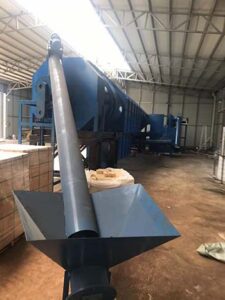
The industrial viability and long-term economic sustainability of any pyrolysis method are fundamentally dependent not just on kinetic optimization but on the choice and robustness of the reactor configuration. Different pyrolysis regimes necessitate distinct hardware architectures: Slow Pyrolysis traditionally relies on simple, low-throughput fixed-bed systems; Fast Pyrolysis demands sophisticated, high heat-transfer units such as Circulating Fluidized Bed Reactors (CFBRs); and Intermediate Pyrolysis often utilizes continuous systems like rotary kilns or auger reactors, known for their operational flexibility across varying feedstock types.
Regardless of the chosen kinetic regime, the transition from pilot scale to continuous industrial operation introduces critical operational constraints that frequently compromise scalability and long-term sustainability. The primary culprits are reactor fouling and the buildup of tar and ash within the system. These phenomena severely degrade operational continuity, necessitate costly maintenance downtime, and their financial impact is often underestimated in early-stage project assessments. Robust control systems, highly efficient thermal exchange apparatuses, and specialized mechanical designs are essential for mitigating fouling and ensuring the process stability required for industrial scale.
Achieving enhanced energy efficiency is a central goal for making pyrolysis economically competitive. Process intensification and effective energy integration, such as utilizing generated syngas for Combined Heat and Power (CHP) systems, are vital components of this strategy. Intermediate pyrolysis, in particular, offers a strong advantage in this area due to its moderate heating rates and the reduced energy penalty associated with less intensive feedstock pre-processing.
By embracing multiple product streams and incorporating waste valorization into a broader circular economy objective, these systems convert residues into usable energy and products like biochar for soil health, improving the overall energy balance and reducing greenhouse gas emissions.
ltimately, the true technological readiness level (TRL) of a pyrolysis system is measured not merely by its theoretical product yield, but by its long-term operational stability and its engineered capacity to resist fouling and maintain continuous operation under challenging industrial conditions.
Reactor Suitability and Trade-offs
Reactor Type | Best Suited Pyrolysis Method | Key Advantage | Major Limitation |
Fixed Bed | Slow Pyrolysis | Simple design, high char retention | Poor heat transfer uniformity, long residence time |
Fluidized Bed (e.g., CFBR) | Fast/Flash Pyrolysis | Excellent heat transfer, short residence time | Complex scaling, high feedstock preparation cost (<1mm) |
Rotary Kiln / Auger | Intermediate Pyrolysis / Continuous | Continuous feed flexibility, moderate heating rates | Mechanical complexity, potential for fouling |
6.Aligning Pyrolysis Technology with Market Objectives>>>
A rigorous Techno-Economic Assessment (TEA) is necessary before committing to any pyrolysis technology, as general financial models consistently indicate that Operational Expenditure (OPEX) often exerts a greater long-term influence on profitability than the initial Capital Expenditure (CAPEX).
For pyrolysis, key OPEX drivers include the cost of energy input for heating and the cost and variability of the feedstock. Investing in equipment engineered for maximized heat transfer efficiency is a direct pathway to minimizing energy OPEX, ensuring long-term financial viability.
The selection of the optimal pyrolysis methodology is fundamentally a market-driven decision, entirely dependent on the client’s strategic objective and the characteristics of the available feedstock.
Biochar Priority: Projects focused on carbon sequestration or soil amendments must prioritize Slow or Intermediate pyrolysis methods. These regimes are necessary to maximize the physical yield of the solid product while optimizing process parameters (e.g., 600 °C, extended residence time) to achieve premium carbon content, porosity, and heating values, positioning the biochar to capitalize on emerging carbon credit or specialty material markets.
Liquid Fuel Priority: Projects targeting precursor liquid fuels require the high-velocity kinetics of Fast or Flash pyrolysis. Investors must be prepared to accept the increased OPEX associated with mandatory feedstock pre-processing, coupled with the high CAPEX and OPEX required for complex downstream catalytic upgrading (CFP or CHP) to produce stable, refinery-ready intermediates.
Waste Management/Flexibility Priority: Enterprises dealing with highly variable or unsorted waste streams benefit most from Intermediate pyrolysis, which offers operational adaptability and lower pre-processing costs. This approach supports integration into municipal or agricultural circular supply chains, utilizing multiple end-product streams to stabilize revenue.
Market forecasts predict substantial growth in pyrolysis adoption, propelled by continuous innovations in catalytic systems and advanced reactor design. A strategic investment decision must therefore prioritize reactor flexibility—selecting designs that can handle diverse, low-cost feedstocks and integrate seamlessly with modular, future-proof upgrading technologies.
By aligning technical specifications with long-term market demands for product quality, purity, and sustainable operation, manufacturers are positioned not merely as equipment suppliers, but as indispensable partners in optimized resource valorization.
Strategic Process Selection Matrix
Objective Priority | Ideal Pyrolysis Method | Key Feedstock Requirement | Primary Economic Driver |
Maximum Biochar Yield (Quality) | Slow / Intermediate | High fixed carbon content | Biochar market price (Soil amendment, carbon credits) |
Maximum Liquid Fuel Precursor | Fast / Flash | Small particle size, low ash content | Efficiency of heat transfer, OPEX of pre-processing |
High-Value Specialty Chemicals | Catalytic Pyrolysis (CFP/CHP) | Specific catalyst compatibility (e.g., ZSM-5), potentially high purity | Selectivity of catalyst, cost of upgrading/hydrogen |
Plastic Waste Valorization | Vacuum Pyrolysis (VAP) | Consistency of polymer type | High liquid yield (up to 92%) |