Pyrolysis Process For Biochar Production
1. What is Biochar and Why Do We Make It?
Imagine taking a piece of wood and burning it in a campfire. It turns into white ash, right? That’s because the fire consumes everything, leaving almost nothing behind. But what if you could “cook” that wood without actually burning it up? What if you could turn that wood into a special kind of charcoal that acts like a super-vitamin for dirt? That is exactly what biochar is.
Biochar is a charcoal-like substance that is made by heating organic material—like wood chips, manure, or dried leaves—at high temperatures without any oxygen. This process is distinct from just burning trash. When you make biochar, you are locking carbon into a stable form that can stay in the ground for hundreds, or even thousands, of years.
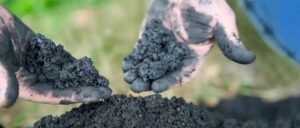
The main reason people are getting excited about this is soil health. When you mix biochar into the soil, it acts like a sponge. It holds onto water and nutrients so plants can access them when they need them. It’s like building a permanent hotel for good bacteria in your garden. But to get this amazing black powder, you need a specific machine and a specific method. You can’t just light a match and hope for the best. You need a controlled environment, usually found inside a specialized facility or a pyrolysis plant.
These plants are designed to handle the heat and keep the air out. Understanding how this process works is the first step to seeing why biochar is becoming such a big deal for farmers and environmentalists alike.
2. Gathering the Ingredients: Feedstock
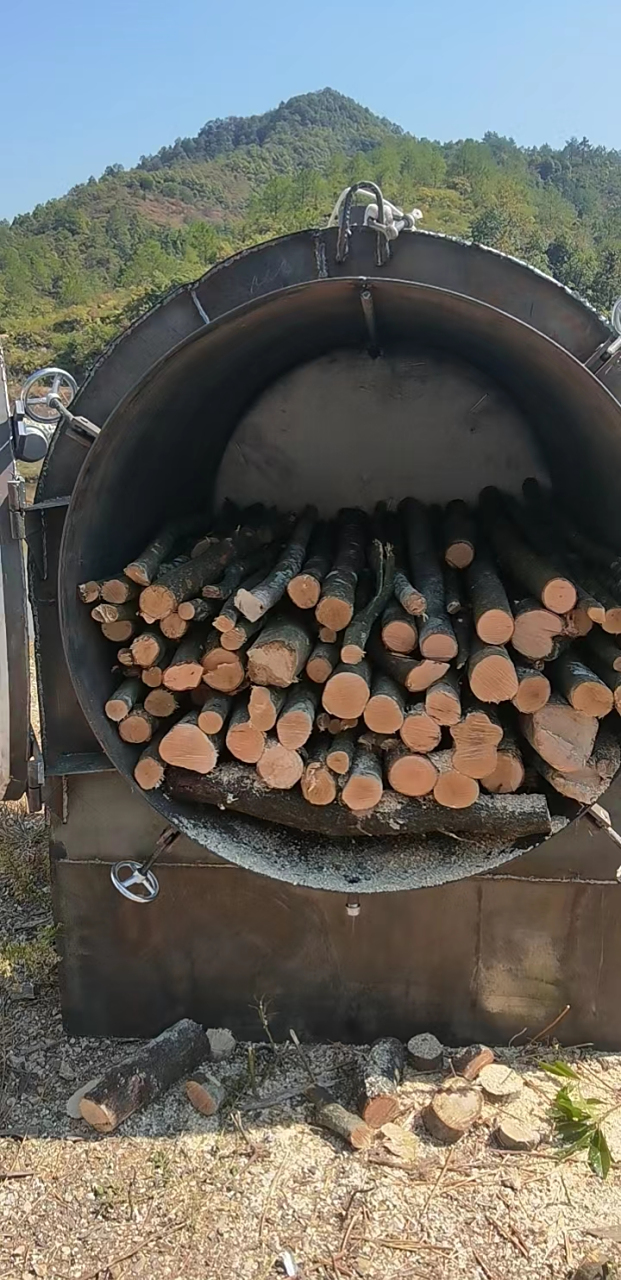
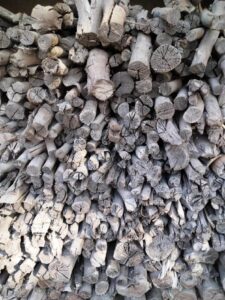
Before you can start the machine, you need something to put in it. In the industry, the raw material you use is called “feedstock.” The beauty of biochar production is that you can use almost any kind of biological waste. This includes crop waste like corn stalks, rice husks, wood scraps from furniture factories, coconut shells, or even animal manure.
However, not all feedstock is created equal. You have to be picky about what you put into a pyrolysis plant if you want high-quality biochar coming out the other end. The most critical factor here is moisture. If your wood chips or corn stalks are soaking wet, the machine has to work twice as hard. It wastes a lot of energy trying to boil off that water before it can even start making charcoal.
Ideally, the material should be relatively dry. Many operators try to get the moisture content down to below 15% or 20%. If you put in wet sludge, you might just end up with a steamy mess rather than solid biochar. The size of the material matters, too. You can’t throw a whole tree trunk into the reactor. The heat needs to reach the center of the wood quickly. If the pieces are too big, the outside might turn to charcoal while the inside is still raw wood.
This stage is all about preparation. It is the “mise en place” of the industrial world—getting everything chopped, dried, and ready to go before the cooking begins.
3. Pre-treatment: Drying and Crushing
Once the raw materials arrive at the site, they usually go through a pre-treatment phase. Even if the materials look dry, they might still hold too much water for the system to handle efficiently. This is where the dryer comes in.
Most systems use a large drum dryer. Hot air is blown through the biomass to zap out the excess moisture. This step is crucial because water is the enemy of heat efficiency. If there is water left in the biomass, the temperature inside the reactor will drop, and the chemical reaction won’t happen the way it is supposed to.
After drying, the material often needs to be crushed. As mentioned earlier, size matters. A crusher or a hammer mill pulverizes the biomass into smaller, uniform pieces. Think of it like making wood chips for a playground. You want pieces that are small enough to flow easily through the machinery but not so small that they turn into dust immediately.
Uniform size helps the pyrolysis plant run smoothly. If you have big chunks mixed with tiny dust, the machine creates an uneven product. You want every piece of biochar to be cooked perfectly evenly. Once the material is dried to the right moisture level and crushed to the perfect size, it is finally ready to enter the main event: the reactor.
4. The Main Event: Inside the Pyrolysis Reactor
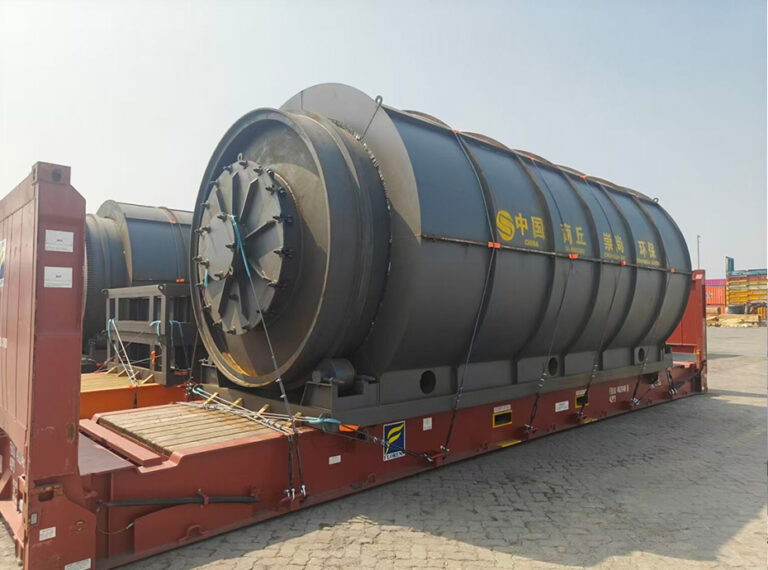
This is where the magic happens. The prepared biomass is fed into the pyrolysis reactor. This is a sealed vessel—basically a giant, high-tech oven. The most important rule of the reactor is: No Oxygen Allowed.
If oxygen were to get inside while the heat is high, the material would catch fire and burn to ash. We don’t want ash; we want charcoal. So, the reactor is sealed tight. The temperature inside is cranked up high, usually between 350°C and 700°C (that’s roughly 660°F to 1300°F).
At these temperatures, the organic material undergoes a “thermal decomposition.” This is a fancy way of saying the heat breaks down the chemical bonds in the wood or waste. Because there is no oxygen to feed a fire, the material doesn’t burn away. Instead, it changes physically and chemically. The volatile stuff—like gases and liquids trapped inside the plant cells—boils off and escapes.
What is left behind is mostly pure carbon. This is the biochar. The structure of the original wood is still there (it looks like a black skeleton of the wood chip), but it is now porous and lightweight.
Different temperatures produce different results. Lower temperatures generally result in more biochar, but it might still have some original oils left in it. Higher temperatures produce less biochar, but it is very pure and has a massive surface area. A good pyrolysis plant allows the operator to control this temperature very precisely to get the exact kind of biochar they want.
5. Separating the Outputs: It’s Not Just Charcoal
When the biomass is cooked in the reactor, it doesn’t just turn into biochar. It actually splits into three distinct things: solid, liquid, and gas. A modern system is designed to capture and use all three.
The Solid (Biochar): This is the main product. It comes out hot and usually falls into a cooling tank immediately so it doesn’t catch fire when it hits the air.
The Gas (Syngas): When the biomass heats up, it releases a combustible gas. This is often called “synthetic gas” or syngas. It is a mix of methane, hydrogen, and carbon monoxide. In a smart setup, this gas isn’t wasted. It is piped back into the burner to help heat the reactor. This makes the pyrolysis plant almost self-sustaining. Once it gets going, it uses its own gas to keep the fire hot, saving a lot of money on fuel.
The Liquid (Wood Vinegar and Tar): As the hot gases cool down, some of them condense into liquids. One of these is a thick, sticky substance called tar, and the other is a watery, acidic liquid called wood vinegar.
Separating these outputs is a key part of the process. The gases pass through a condenser system. It’s like steam hitting a cold mirror; the gas turns back into liquid. The tar and wood vinegar are collected in tanks.
Wood vinegar is actually a valuable product on its own. Farmers use it as a natural pesticide or a growth promoter for plants. The tar is less useful for farming but can be used in industrial waterproofing or road materials. The goal is zero waste. Everything that goes in comes out as something useful.
6. How Biochar is Used After Production
Once the biochar has cooled down and been discharged from the machine, it is ready for the real world. But you rarely just dump the raw chunks onto a field. Usually, there is a little bit of post-processing.
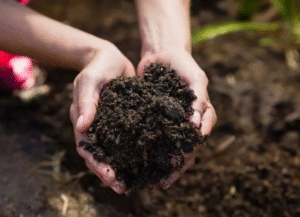
Often, the biochar is “charged” or “inoculated.” Remember how we said biochar is like a hotel? well, an empty hotel isn’t much fun. Farmers will mix the fresh biochar with compost or manure before putting it in the soil. This fills up the little pores in the biochar with nutrients and good bacteria. When this mix is put into the ground, it is ready to start helping plants immediately.
The benefits of biochar are massive:
Water Retention: In sandy soils, water usually drains right through. Biochar holds onto that water, helping crops survive droughts.
Soil Aeration: In heavy clay soils, the ground gets packed tight. Biochar helps break it up, letting roots breathe.
Acidity Control: Biochar is usually slightly alkaline, which helps balance out acidic soils.
It is not just for farming, though. Biochar is also used in water filtration systems because it is great at trapping heavy metals and toxins. Some people even mix it into concrete to make building materials lighter and stronger. The versatility of the product is why investing in a pyrolysis plant is seen as a smart business move in the agricultural sector.
7. Environmental Impact and the Future
We live in a world where we are constantly worried about carbon dioxide (CO2) in the atmosphere. This is where biochar truly shines.
When a tree dies and rots in the forest, it releases all the carbon it stored back into the air as CO2. However, if you take that tree and run it through pyrolysis, you trap that carbon in the solid biochar. When you bury that biochar in the ground, that carbon stays there. It doesn’t go back into the atmosphere. This makes the whole process “carbon negative.” You are actually taking carbon out of the air and locking it underground.
Because of this, biochar production is gaining attention as a way to fight climate change. Governments and companies are looking at biochar as a way to earn “carbon credits.” This means a pyrolysis plant could make money two ways: by selling the biochar to farmers and by selling carbon credits to companies that want to offset their pollution.
The future of this technology looks bright. As the machinery becomes cheaper and easier to run, we might see more small-scale plants on local farms. Instead of burning crop waste in open fields (which causes terrible smog), farmers could turn that waste into value. It solves a waste problem, a soil problem, and a climate problem all at once.