Can Pyrolysis Oil Be Converted Into Aromatic Oil For Rubber Compounding?
When you look at a car tire, a shoe sole, or a heavy-duty conveyor belt, you are looking at a complex mix of materials. Rubber alone cannot do the job. It needs help from other chemicals to perform well. One of the most important ingredients in this mix is oil. Specifically, the rubber industry relies heavily on aromatic oil.
A common question I hear in this field is whether extracted oil can become the aromatic oil used in rubber compounds. The simple answer is yes. In fact, extraction is the primary way we get aromatic oil in the first place. I have spent time looking into how materials move from raw crude oil to the final rubber products. I want to walk you through exactly how this works, what parameters matter, and how the industry has changed over time.
Where Extracted Oil Comes From
To understand aromatic rubber oil, you have to look at a petroleum refinery. When a refinery processes crude oil, the main goal is often to make fuels and clear, high-quality lubricating oils for engines.
Base oil, which is used for lubricants, has different types of molecules in it. Some of these molecules are called aromatics. Aromatics are ring-shaped chemical structures. In an engine oil, you do not want aromatics. They break down easily under high heat and make the oil perform poorly.
To fix this, the refinery uses a solvent to pull the aromatic molecules out of the base oil. This process is called solvent extraction. The material that gets pulled out is the “extracted oil.” In the petroleum industry, this specific byproduct is known as a Distillate Aromatic Extract, or DAE. So, the extracted oil from the refining process is exactly what becomes the aromatic oil for rubber.
Why We Use Aromatic Oil in Rubber
You might wonder why we take something that is bad for engine oil and put it into rubber. Raw rubber is very tough and stiff. When you put it into a giant industrial mixer, it takes a massive amount of energy to blend it with powders like carbon black and sulfur.
We use oil as a plasticizer. A plasticizer acts like a softener. It helps the rubber flow better in the machines. It also helps the dry powders mix evenly into the rubber compound.
Aromatic oil is highly valued for this job. Most tires are made with synthetic rubber, like Styrene Butadiene Rubber (SBR). SBR has ring-shaped molecules, just like the aromatic oil. Because their chemical structures match, the aromatic oil mixes perfectly into the SBR. It makes the final tire grippy on the road and keeps it flexible in cold weather.
The Shift from DAE to TDAE
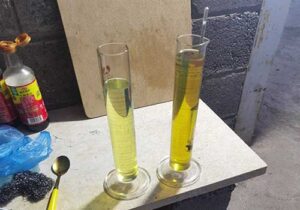
For many decades, the standard extracted oil (DAE) was used in almost all tires. However, we learned that DAE contains high levels of specific chemicals called Polycyclic Aromatic Hydrocarbons, or PAHs. Some PAHs are harmful to human health and the environment.
This discovery forced a major change. We could no longer just use the raw extracted oil. We had to treat it. By refining the extracted oil further, we reduce the bad PAHs while keeping the good aromatic molecules. This treated version is called Treated Distillate Aromatic Extract, or TDAE. Today, TDAE is the standard across the globe.
Here is a timeline to show how this shift happened in the industry.
Table 1: Historical Timeline of Aromatic Oils in Rubber
Year | Event | Impact on Rubber Industry |
1990s | Widespread use of DAE | Raw extracted oil is the standard plasticizer for tires globally. |
2006 | REACH Regulation proposed | Europe begins looking closely at chemical safety in consumer goods. |
2010 | EU bans high-PAH oils | Tire manufacturers must stop using raw DAE in the European market. |
2012 | Global shift to TDAE | Asian and American markets begin adopting treated extracted oils. |
2020s | Focus on sustainable oils | Research begins on extracting oils from recycled tires and bio-sources. |
Technical Parameters You Should Know
When you receive a batch of aromatic oil for a rubber compound, you do not just pour it in. You check the lab report. The properties of the oil tell you how it will behave in the mixer and in the final product.
I look at several core parameters on a Certificate of Analysis. The table below shows the typical differences between the old raw extracted oil (DAE) and the modern treated oil (TDAE).
Table 2: Standard Parameters of Extracted Aromatic Oils
Parameter | What It Measures | Typical DAE Value | Typical TDAE Value |
Kinematic Viscosity (100°C) | How thick the oil is when hot. | 18 to 22 cSt | 16 to 20 cSt |
Density (15°C) | The weight of the oil compared to water. | 0.990 kg/l | 0.950 kg/l |
Flash Point | The temperature where the oil can ignite. | > 220°C | > 210°C |
Aniline Point | Indicates the level of aromatics. Lower is higher. | ~ 40°C | ~ 70°C |
PCA Content (IP 346) | The amount of harmful compounds (PAHs). | > 10% | < 3% |
As you can see in the table, the PCA content is the most important difference. The treatment process lowers the harmful compounds to under 3%, making TDAE safe for use under modern regulations. The aniline point is slightly higher in TDAE, but it still works very well as a rubber plasticizer.
Extracting Oil from Waste Tires
There is another type of extracted oil that we need to talk about. As the industry tries to become greener, people are looking at old, discarded tires.
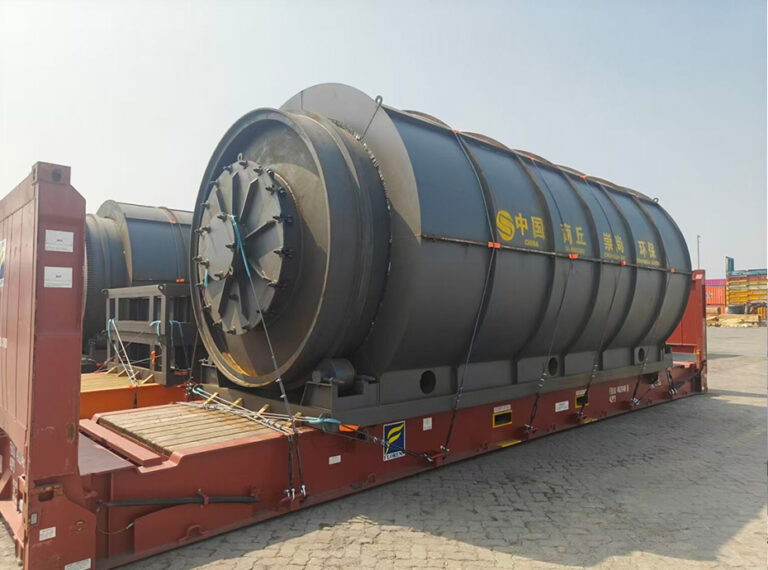
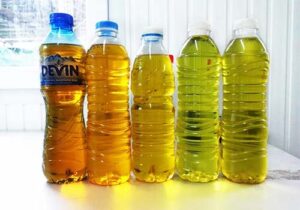
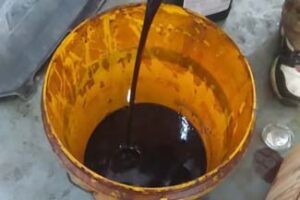
You can extract oil from waste tires through a process called pyrolysis. You put the old tires in a sealed oven, remove the oxygen, and heat them up. The rubber breaks down and releases a liquid known as Tire Pyrolysis Oil (TPO).
Can this extracted oil become aromatic oil for new rubber? Yes, it can, but it is much more difficult. Pyrolysis oil is very dirty. It has a strong smell, high sulfur content, and a wide mix of unpredictable chemicals. To use it in a new rubber compound, it has to go through heavy filtering and distillation. Right now, it is used mostly as a fuel, but research is advancing rapidly. I expect highly refined pyrolysis oil to become a standard aromatic plasticizer in the near future.
How It Works on the Factory Floor
When I watch the compounding process, the value of extracted aromatic oil becomes very clear. The raw rubber drops into the internal mixer. It is loud, and the machine works hard. Then, the automated pumps inject the warm TDAE oil.
Within seconds, the sound of the machine changes. The rubber softens. The carbon black powder stops flying around and binds into the polymer matrix. The oil acts like a lubricant between the rubber molecules. Without this oil, the process would take twice as long, and the machinery would wear out much faster.
The extracted oil also changes the final product. If you use too little oil, the tire tread will chip and crack on cold winter roads. If you use too much, the rubber becomes too soft and wears away quickly in the summer heat. Finding the exact right amount is a core skill in rubber engineering.
Summary
Extracted oil is the foundation of rubber plasticizers. Whether it is pulled from crude oil refining as DAE and treated into TDAE, or extracted from old tires through pyrolysis, these oils are critical. They provide the chemical compatibility needed to make synthetic rubber workable and durable. As long as we manufacture tires, hoses, and industrial belts, we will rely on these aromatic extracts.
Questions and Answers
What is the main difference between DAE and TDAE?
DAE is the raw oil extracted directly during petroleum refining. It contains high levels of harmful compounds called PAHs. TDAE is the same oil, but it goes through an extra treatment step to remove the harmful PAHs while keeping the useful aromatic properties.
Can I use regular engine oil in a rubber compound instead of aromatic oil?
No, you should not use engine oil. Engine oils are heavily refined to remove aromatic molecules. Rubber compounds, especially those using synthetic rubber like SBR, need those aromatic molecules so the oil can mix properly with the rubber chains. Engine oil will slowly leak out of the rubber over time.
Why is the flash point of the oil important for rubber compounding?
The flash point is the temperature at which the oil gives off enough vapor to catch fire. Rubber mixing generates a lot of friction and heat. The oil must have a high flash point (usually over 210°C) so it does not evaporate or start a fire inside the factory mixer.
Is extracted oil from tire pyrolysis safe to use in new tires?
Raw pyrolysis oil is not safe or clean enough for high-quality rubber compounds. It must be heavily distilled and treated to remove impurities, strong odors, and unstable chemicals before it can act as a reliable aromatic oil replacement.