

Table of Contents How Much Does It Cost to Start
The liquid output from pyrolyzing a mixture of plastics, scrap tires, or biological materials is called pyrolysis oil or pyoil for short. The end product is a dense and highly energy-packed oil suitable for burning, further processed to fuels, or used as a source material. As far as manufacturers are concerned, the product created by your machines is the key factor determining buyer interest, price, and the cost-effectiveness of further upgrading the oil.
As a consequence of using various types of raw materials, reactors, and processes, pyrolysis oil varies widely. However, this variety brings both a problem and an opportunity, the latter being the production of a consistently high-quality pyoil.
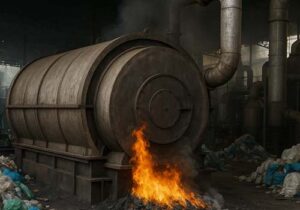
Increasing waste streams. Plastic and end-of-life tire wastes continue to rise in global quantities, providing feedstock material suitable for chemical recycling and, more specifically, pyrolysis operations.
Circular economy initiatives and regulations. National governments and large-scale consumers have established recycled content and waste minimization goals, thereby generating demand for recycled feedstocks capable of displacing fossil-based feedstock. Carbon prices, incentives, and regulations can greatly enhance economic feasibility in pyrolysis operations.
Industrial refining capacity & upgradation advancements. Studies and trials have found that upcycled pyrolysis liquids can be co-processed in refinery equipment (FCC, hydrocracking), as well as upgraded via hydrotreating into drop-in fuel products, thus mitigating the challenge faced by industrial customers.
Advancements in technology. Process reactor design, catalysis, and process controls (automation and AI) are advancing efficiency and consistency – two factors crucial to industrial buyers looking for consistent oil composition.
Byproduct utilization. Carbon black recovered from pyrolysis tires and gas/char streams provide additional revenue sources for projects. Scientific literature supports carbon black recovery as an effective replacement for commercially produced carbon black in some industries.
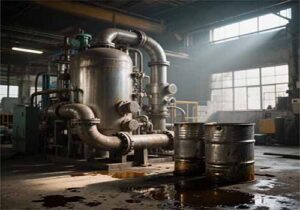
Upgrading is the engineering link between the raw fuel and the valuable feedstock. Typical processes include:
Hydrotreating / hydroprocessing to strip out sulfur, oxygen, and lower aromatic contents, enhancing stability and refinery integration.
Catalytic cracking or FCC co-processing for converting larger molecules into smaller fuels, pilot plant trials and NREL studies highlight feasible methods for blending and processing the pyrolysis products.
Fractionation / distillation for separating light fractions suitable for blending as naphtha and diesel fuel and heavier components requiring additional processing.
Physical and chemical purification of solids, chlorine compounds, and metallic elements based on contaminant content in the feedstock.
Buyer tip: the cost of upgrading can be substantial; most operators prefer to market their product locally as a heat source until there is a secure source of feedstock and a committed off-taker for their output.
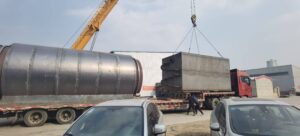
Use this checklist when comparing machines or vendors:
Feedstock flexibility. Can the unit process mixed plastics, tires, or biomass? How much pre-sorting is required?
Oil yield & mass balance. Ask for typical yields (% oil, gas, char) by feedstock and lab reports from independent testing.
Oil quality specs. Request API gravity, sulfur, chlorine, water, ash, and heavy aromatics. Consistency matters more than a single “best” number.
Energy efficiency & self-consumption. Net energy balance, external fuel needs, and heat recovery.
Emissions & compliance. Does the system meet local air permits and expected future regulations? Can the vendor provide emissions test reports?
Contaminant handling. How does the machine handle PVC/halogens or heavy metals? What pre-treatment is recommended?
Scalability & modularity. Can capacity be increased in modules? Are upgrade units (e.g., small hydrotreaters) offered?
Operational uptime & maintenance needs. Mean time between failures, spare parts list, and local support.
Testing & pilot data. Independent lab analyses and case studies tied to real feedstock runs.
Total cost of ownership & project modelling. Ask for sample economic models (feedstock cost, capital, operating costs, expected oil price ranges and IRR scenarios).
Request spec sheets and independent lab reports during tendering — these documents are often the difference between a shortlist and a pass.
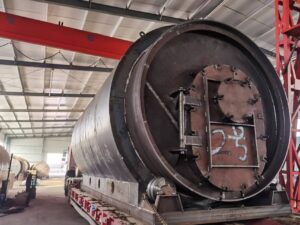
Start with performance figures. Publish a brief report of pilot testing results and a spec sheet to download.
Provide modular upgrades. Customers love seeing a path from simple reactor setup → upgrade kit → connecting with buyers.
Be upfront about any shortcomings. It pays off to be open about any feedstock restrictions and how your system deals with contaminants.
Prepare an ROI calculator or case study. A single sheet project model will turn curious web visitors into customers.

Table of Contents How Much Does It Cost to Start
Table of Contents 3 Types of Pyrolysis Furnace Insulation Shells
Table of Contents The Charcoal Making Process, Step by Step: