Introduction>>>
Wood pyrolysis oil (otherwise known as bio-oil) is a liquid byproduct produced when wood or other biological material is heated in the absence of oxygen. Wood pyrolysis oil represents one of the most important products of fast pyrolysis. Being familiar with wood pyrolysis oil and its properties will be beneficial to employees of Pyrolysis Unit in order to improve their plant operations, decision-making processes, and application opportunities. The following paper provides a concise explanation of wood pyrolysis oil including its definition, formation process, factors affecting the quality, testing, storage, and applications.
What is wood pyrolysis oil?>>>
Wood pyrolysis oil is a dark, viscous liquid that contains hundreds of different organic compounds. It comes from the vapors that form when wood is rapidly heated and then condensed. The oil holds oxygen-rich molecules, water, and some solid particles. Compared with fossil fuels, it has more water and oxygen and a lower energy content. It is chemically unstable and can change over time if not handled correctly.
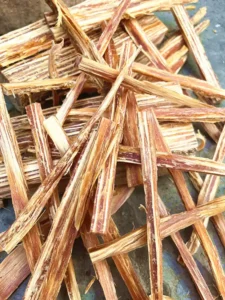
How the oil is made — process overview>>>
There are two broad classes of pyrolysis processes:
Fast Pyrolysis: High heating rates, operating temperatures of 450-550 °C, and extremely low vapor residence times. Fast pyrolysis results in high oil yields. The cooling rate of the vapors needs to be fast in order to protect the condensable products.
Slow Pyrolysis: Slow heating rates and extended residence times. Char yield is higher while oil yield is lower.
Important process steps affecting oil quality:
Feed preparation: Moisture, particle size, and homogeneity are critical factors.
Heating and reaction: Reactor temperature and residence time control the cracking and secondary reactions.
Vapor treatment: Quenching of vapors quickly inhibits further cracking reactions and limits gas formation.
Oil separation and recovery: Efficient condensation and filtration to eliminate solid and tar contaminants.
Typical yields and basic properties>>>
The yield depends on the biomass source and the process parameters used, but for fast pyrolysis, yields can be expected to average:
Bio-oil: 55% to 75% weight of dried biomass feedstock
Char: 10% to 25%
Gases: 10% to 20%
General properties of freshly extracted oil from wood pyrolysis:
Color: Dark brown to black (sometimes two phases are present)
Water: Present in high amounts (usually 15%-30% fresh oil)
Density: Around 1 g/cm3 (sometimes higher)
pH: Low (usually around pH 2-4)
Calorific Value: Low relative to conventional fossil fuels (typically 15 to 20 MJ/kg)
Chemical Stability: Unstable; subject to polymerization with higher viscosity
These figures are general guidelines only. Always check your biomass oil in practice to determine its properties.
Feedstock and process factors that change oil quality>>>
There are several parameters that affect the oil yield and quality:
Moisture content: Oil yield and calorific value decrease with high moisture content. It is recommended to dry the biomass to suitable levels (usually less than 10%) prior to fast pyrolysis.
Particle size: Fine and homogeneous particles heat up faster and provide higher yields. Large particles heat non-uniformly, reducing oil yield.
Temperature: High temperature may enhance gas production and generate lighter oil fractions, while low temperature inhibits cracking reactions. Precise control within a narrow range around the setpoint ensures repeatable oil yield.
Residence time: Longer residence time of the vapor increases secondary reactions and promotes gas and char formation instead of oil.
Ash content and contaminants: High levels of ash or inorganic matter can catalyze undesirable reactions, increase the ash content in the oil, and promote corrosion.
Quenching rate: Fast cooling enhances the yield of condensable compounds and reduces tars and soots.
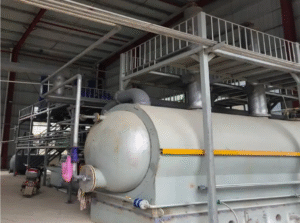
Quality testing — what we measure and why>>>
Internal controls and customer satisfaction require the following tests:
Water content (Karl Fischer titration) – water influences heat value and storage.
Elemental analysis (C/H/O/N/S) – helps evaluate heat value and problem chemicals.
Heat value (calorimetry) – establishes expectations for use.
Viscosity and density – required for designing pumps and burners.
pH and total acid number (TAN) – determines corrosiveness and handling requirements.
Ash and solids content – high solids content may clog pipelines and cause equipment wear.
GC-MS/GC-FID analysis for volatile fractions – helpful for chemical recycling purposes and raw materials.
Stability tests – analyze changes in viscosity and phase transitions with time to assess storage capacity.
Document results from each batch tested in plant log book. Both results and trends are valuable.
Handling and storage guidance>>>
Wood pyrolysis oil should be handled cautiously:
Materials: Corrosion-resistant materials are needed for tanks and pipelines. Certain oils are corrosive, and internal coatings or stainless steel is commonly used.
Temperature control: Maintain an adequate temperature to ensure that viscosity is low enough for pumping (typically between 40 and 60 °C based on the oil), but prevent temperatures at which decomposition occurs quickly.
Agitation: Mix periodically to avoid phase separation and solid sedimentation.
Inerting: Tank blanketing with nitrogen decreases oxidation and fire hazards as appropriate.
Separation control: Wait long enough to allow separation of any solids and removal from storage.
Secondary containment: Offer sufficient secondary containment for accidental spills.
Safety: Ensure appropriate ventilation, PPE, and vapor monitoring. Consider the wood pyrolysis oil as hazardous and provide relevant safety data sheets.
Bio-oil must not be kept in high temperatures, oxygen, or air for long periods because its chemical composition would change.
Common uses and upgrading paths>>>
Wood pyrolysis oils find application in the following fields:
Combustion: Either direct combustion in specialized burners or boilers, neat or in blends with other fuels. This involves special treatment of the fuel as well as burner changes due to high water and solids content.
Co-combustion or co-blending: Mixing with heavy fuel oil or other liquid fuels to avoid handling problems, but compatibility must be checked first.
Fuel upgrading: Upgrading through hydrotreating or other catalytic methods results in removal of oxygen to obtain hydrocarbons. This process calls for an abundant supply of hydrogen and some form of pre-treatment.
Chemical raw material: Some fractions contain chemicals like phenols and acids which may be extracted from the mixture.
Binder or adhesive preparation: Modifications and blending make certain fractions usable for non-fuel purposes.
Different considerations go into choosing each option, and long term plans should include feasibility studies.
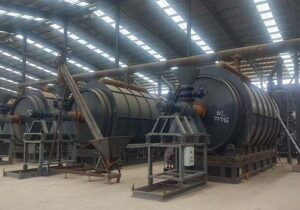
Safety and environmental considerations>>>
A few safety and environmental considerations worth noting include:
Emissions: The combustion process yields CO2 and CO. Comply with local emissions regulations.
Toxicity: The crude oil contains certain toxins. Do not come into contact with the crude oil or inhale it.
Corrosivity: Acidic substances may cause corrosion. Be vigilant with equipment and material selection.
Chemical stability: The polymerization process leads to plugging and higher viscosity. Test the crude oil in storage regularly.
Waste streams: The char, wash water, and the filter residues need proper management and, whenever feasible, valorization (e.g., use the char as fuel or soil enhancer after appropriate tests).
Comply with local regulations and internal safety procedures for handling, transportation, and disposal of these wastes.
Troubleshooting common issues>>>
Below are some solutions for the issues we commonly face in our plant:
Low oil yield: Check the moisture content and particle size of the input material; confirm that the reaction temperature and residence time are within acceptable ranges; check for effective heat transfer and catalyst or bed condition.
High solid content in oil: Increase efficiency of vapor and solid separation; improve cyclone performance; check for contaminated input material (sand and dirt).
Rapid increase in viscosity in storage: Check storage temperature, air exposure, and age of the oil. If possible, add antioxidants but test their compatibility with the oil first.
Corrosion of pipes: Check oil acid number and sulfur content; use corrosion-resistant materials; only add corrosion inhibitors if tested for compatibility.
Oil foaming/phase separation: Change cooling pattern during condensation; remove emulsified water from the oil.
Record all incidents and solutions in your operational log.
Economic and logistic notes>>>
Some points to bear in mind when thinking about finances and operations:
Size counts: Bigger facilities typically achieve economies of scale, including reduced costs per tonne through more efficient heat recovery and spreading fixed costs over a larger scale.
Conversion expenses: Turning bio-oil into usable transportation fuel requires investment and hydrogen. Be prepared and plan ahead.
Transportation and handling: Since bio-oil is heavy and corrosive, the cost of transporting the product will impact total costs. Local markets for fuel or feedstock will decrease these costs.
By-product use: Syngas and char could be burned in-house for heat and energy, making the process more economical.
Consider these points in your discussions with clients or while planning your investments.
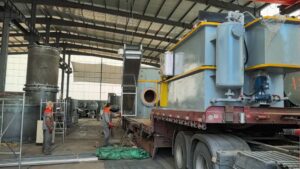
Closing thoughts>>>
However, when properly managed, wood pyrolysis oil becomes an effective tool. In this regard, for Pyrolysis Unit, good testing procedures, correct storage practices, and efficient process controls yield consistent quality of output. Provide the information about test results and process parameters among all concerned groups to identify performance patterns. Through efficient operations and record keeping, the process of managing wood pyrolysis oil becomes much simpler.
If preferred, all the necessary information may be summarized in a form of a convenient checklist. The checklist will cover such topics as preparation of the feedstock, parameters that need to be monitored, tests to be carried out, and storage measures.