

Can a pyrolysis machine convert asphalt roof shingles into diesel? Not directly. Thermal processing may break down part of the asphalt binder and produce condensable hydrocarbons, gases, and solid residues. However, asphalt shingles are composite construction materials, not pure plastic or petroleum feedstock. Producing a liquid does not mean the process has produced road diesel.
Before considering pyrolysis, project developers need to assess the composition of the shingles, the amount of recoverable organic material, the contamination level, and whether further processing could produce a useful product.
What Are Asphalt Roof Shingles Made Of?
Asphalt shingles typically contain asphalt binder, mineral granules and fillers, and a backing made from fiberglass or organic felt. Demolition waste may also contain nails, wood, underlayment, adhesives, and other roofing materials.
This composition creates three important constraints:
- Mineral content: Granules and fillers do not convert into diesel-range hydrocarbons. They remain in the solid fraction and must be managed.
- Asphalt binder: The organic fraction may release condensable compounds during thermal treatment, but its composition and recoverable quantity depend on the feedstock and process.
- Contamination: Mixed demolition debris requires sorting and screening before treatment. Older or unidentified materials may need additional contaminant checks before processing.
The Federal Highway Administration’s asphalt shingle material guide explains the material’s asphalt, mineral, and backing components.
What Could Pyrolysis Produce from Asphalt Shingles?
Under suitable thermal conditions, the organic fraction may generate vapors that can be condensed into a liquid mixture. Other outputs may include non-condensable gas and solid residues containing mineral material and other components of the original shingles.
The proportions and properties of these streams cannot be reliably predicted from the weight of the incoming shingles alone. They depend on binder content, feedstock preparation, thermal conditions, vapor handling, and the amount of contamination.
For that reason, a plastic or tire pyrolysis machine should not be assumed to process asphalt shingles successfully just because it can handle other hydrocarbon-containing materials. The manufacturer must evaluate the actual feedstock and confirm the required process configuration.
Can the Recovered Liquid Be Used as Diesel?
A recovered liquid is not automatically diesel. It may contain a mixture of hydrocarbons with different boiling ranges and chemical properties, together with impurities that affect its suitability for further processing.
Turning a recovered liquid into a fuel product requires additional evaluation:
- Characterize the raw liquid. Test its composition, water and solids content, distillation characteristics, and relevant contaminants.
- Evaluate further processing. Distillation may separate fractions by volatility, but it does not automatically remove all contaminants or create a compliant automotive fuel.
- Verify the finished product. Test the processed material against the applicable fuel specification and intended use before describing it as diesel.
For an overview of liquid separation and upgrading, see our pyrolysis oil distillation process guide.
Is Pyrolysis the Best Recycling Route for Asphalt Shingles?
Not necessarily. Depending on the material’s condition and local facilities, asphalt shingles may be processed for use in asphalt pavement or other construction applications. These routes can recover the existing asphalt binder and mineral material without relying on conversion into fuel.
Before selecting pyrolysis, compare the available recycling options based on feedstock cleanliness, local acceptance requirements, transport distance, processing needs, product specifications, and residual-waste management.
The CalRecycle construction and demolition recycling guidance lists established uses for asphalt shingle scrap, including asphalt pavement and aggregate-related applications.
What Should Be Tested Before Choosing a Pyrolysis Machine?
A practical feasibility assessment should establish:
- The proportion of asphalt binder, mineral material, and backing in the incoming shingles.
- The amount of nails, wood, underlayment, adhesives, and other contamination that requires removal.
- The potential liquid, gas, and solid products obtained in a representative material trial.
- The quality and potential use of the recovered liquid, along with the handling requirements for solid residues.
- The energy demand, emissions controls, safety requirements, and costs of the proposed process.
These results should be established before committing to equipment. A test with clean manufacturing scrap should not automatically be treated as proof that the same process will work with mixed roofing demolition waste.
Choosing Equipment for Asphalt Roofing Waste
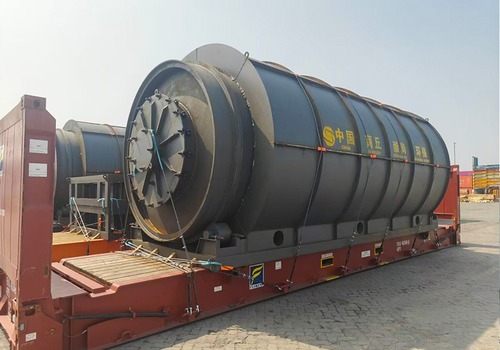
The appropriate system depends on the feedstock composition and the actual product objective. Review our pyrolysis machine range or the PyrolysisUnit equipment catalog, but request a feedstock-specific technical assessment before assuming a listed machine is suitable for asphalt shingles.
A responsible proposal should define the accepted material, pretreatment requirements, expected product streams, emissions-control scope, testing plan, and management of mineral-rich residues.
Frequently Asked Questions
Can asphalt shingles be converted directly into diesel?
No. Thermal processing may produce a condensable liquid from part of the organic fraction, but additional processing and fuel testing would be required before it could be considered a compliant diesel product.
Can a standard plastic pyrolysis machine process roofing shingles?
Do not assume so. Shingles contain substantial mineral material and may contain fiberglass or other roofing components. Suitability must be confirmed through feedstock characterization and process testing.
Is recycling asphalt shingles into pavement a better option?
It may be appropriate when the material meets local construction-material specifications and a suitable recycling facility is available. The best route depends on contamination, logistics, local acceptance criteria, and the outputs the project aims to recover.
Conclusion
Pyrolysis may be investigated as a thermal treatment option for the organic fraction of asphalt shingles, but it should not be described as a direct or proven route to diesel without feedstock-specific testing and further processing. Because shingles contain substantial mineral material, conventional asphalt-material recycling may also be a viable alternative.
For a project assessment, contact PyrolysisUnit with the source of the roofing waste, its approximate composition, contamination level, and intended recovered product.