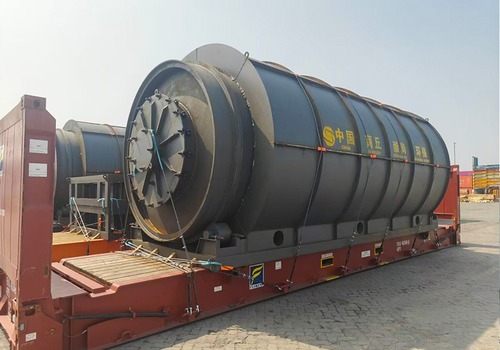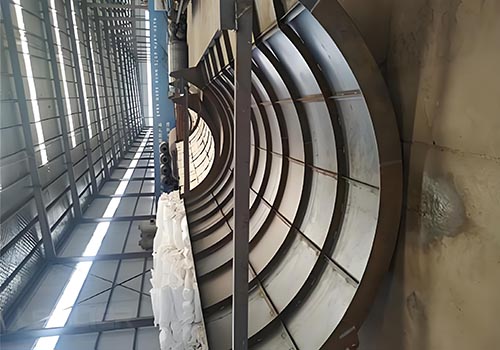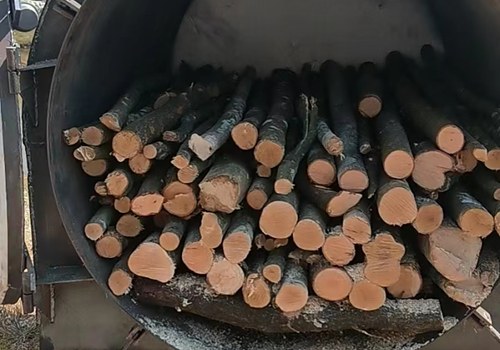


Pyrolysis oil recovery and flue gas treatment are two important parts of a pyrolysis plant, but they serve different purposes. Oil recovery determines how much condensable liquid is collected and whether it meets the intended product specification. Flue gas treatment controls pollutants in the exhaust produced by the plant’s heating or gas-combustion system.
To evaluate a plant properly, operators must use a clear mass-balance method, distinguish the different gas streams, and select pollution-control equipment according to the actual process and applicable emission requirements.
How Should Pyrolysis Oil Yield Be Calculated?
Oil yield is commonly expressed as the mass of recovered liquid divided by the mass of feedstock processed. The calculation must state whether the feedstock basis is wet or dry and whether the recovered liquid includes water or other unwanted components.
Oil yield (wt%) = Recovered liquid mass ÷ Feedstock mass × 100
For a meaningful comparison, record the feedstock composition, moisture content, operating conditions, and mass of each recovered stream. Where the condensate contains water or other impurities, distinguish the total liquid collected from the amount of product that meets the intended specification.
A higher liquid yield does not automatically mean a better commercial result. Product quality, further treatment, gas production, solid residues, and operating costs must also be considered.
What Affects Oil Recovery?
Several variables influence the amount and quality of the liquid recovered:
- Feedstock composition: Different polymers, tires, biomass, and mixed residues produce different mixtures of condensable compounds.
- Moisture and contamination: Water and inert materials affect the mass balance, while contaminants can change product quality and maintenance requirements.
- Reaction conditions: Temperature, heating rate, and vapor residence time influence the distribution between liquids, gas, and solids.
- Vapor handling and condensation: Heat transfer, condenser performance, leaks, and fouling affect liquid recovery.
There is no universal yield figure that applies to every pyrolysis machine. Use representative feedstock trials and a consistent measurement basis when comparing equipment or process changes.
Pyrolysis Vapor, Process Gas, and Flue Gas Are Different
These streams should not be treated as interchangeable because they require different handling and treatment methods.
Pyrolysis Vapor
Vapor leaving the reactor may contain condensable hydrocarbons, heavier compounds, water, and other volatile substances. Condensers or other suitable separation equipment recover the desired liquid fractions and help prevent excessive carryover into downstream systems.
Non-Condensable Pyrolysis Gas
After the condensable portion is removed, the remaining process gas may be recovered for heating or routed to a suitable combustion system if the design permits. Its composition, flow, pressure, and safety requirements must be assessed before deciding how it will be used.
Combustion Flue Gas
When process gas or auxiliary fuel is burned, the resulting exhaust may contain combustion products and pollutants. Depending on the feedstock and heating arrangement, the relevant pollutants may include particulate matter, carbon monoxide, nitrogen oxides, sulfur oxides, acid gases, or unburned organic compounds.
The exact composition should be established from the process design and appropriate measurements rather than assuming that every pollutant is present at the same level in every plant.
How Is Flue Gas Purification Selected?
There is no single purification train that is suitable for every pyrolysis plant. Equipment should be selected according to the pollutants requiring control, inlet conditions, emission limits, and the treatment residuals generated by the system.
| Control Method | Typical Purpose | Important Consideration |
|---|---|---|
| Cyclone or dust collector | Removes suitable particulate matter from the gas stream. | Performance depends on particle size, gas conditions, and equipment design. |
| Condenser or demister | Recovers condensable material or removes entrained liquid droplets from suitable process streams. | Must be designed for the stream temperature and condensable load. |
| Wet or dry scrubber | Controls selected acid gases and, depending on design, some particulates. | Wet systems generate wastewater or sludge; dry systems generate spent sorbent and collected solids. |
| Activated carbon adsorption | Captures selected organic compounds or other pollutants when the sorbent is suitable. | Requires appropriate pretreatment and monitoring of sorbent exhaustion. |
| Thermal oxidation | Destroys suitable combustible organic compounds in a controlled combustion process. | Requires controlled operating conditions and evaluation of secondary emissions, including nitrogen oxides where relevant. |
These methods are not a mandatory checklist. For example, equipment designed to condense oil from raw pyrolysis vapor is not automatically the appropriate control device for the exhaust leaving a burner. The system layout should follow the actual gas stream and target pollutants.
Monitoring and Residual Management
Effective pollution control requires more than installing equipment. Monitoring should address the parameters relevant to the plant’s permit and process design. Depending on the system, this may include gas temperature and flow, pressure drop across control devices, pollutant concentrations, and periodic stack testing.
Maintenance must also account for deposits, corrosion, blocked spray nozzles, saturated sorbents, damaged filters, and leaks. Scrubber wastewater, collected dust, filter residues, and spent adsorbents require suitable handling and disposal or treatment.
Record feedstock batches, operating conditions, liquid recovery, emission measurements, and maintenance activities. These records help identify changes in process performance and support verification against applicable requirements.
Choosing Equipment for Oil Recovery and Emission Control
The required equipment depends on the feedstock, desired liquid product, process gas composition, and applicable emission conditions. Review the plastic pyrolysis plant or waste tire pyrolysis plant pages for feedstock-specific information.
For separation after liquid recovery, see the pyrolysis oil distillation process guide. For a broader overview of available models, browse the pyrolysis machine catalog.
Conclusion
Reliable oil-yield reporting requires a consistent mass balance and a clear distinction between recovered liquid and saleable product. Effective emissions control requires identifying the actual gas stream, measuring relevant pollutants, and selecting appropriate treatment technologies rather than applying a generic equipment sequence.
For equipment inquiries, contact PyrolysisUnit with your feedstock type, target product, processing capacity, and site requirements.