

Medical waste can harm the environment when it is improperly separated, stored, transported, treated, or disposed of. The main risks include contamination of soil and water, air pollution from inadequate burning, and direct exposure to infectious materials, sharps, and hazardous chemicals.
However, not all healthcare waste is hazardous. The World Health Organization estimates that about 85% of healthcare waste is general, non-hazardous waste, while roughly 15% is hazardous. Proper segregation is therefore the first step toward reducing environmental risks and ensuring that each waste stream receives suitable treatment.
See the WHO guidance on healthcare waste for further information.
How Does Medical Waste Affect the Environment?
1. Soil and Water Contamination
When untreated medical waste is dumped or placed in unsuitable disposal sites, contaminated liquids can carry microorganisms, chemicals, or pharmaceutical residues into surrounding soil and water. The risk depends on the waste composition, containment measures, and local site conditions.
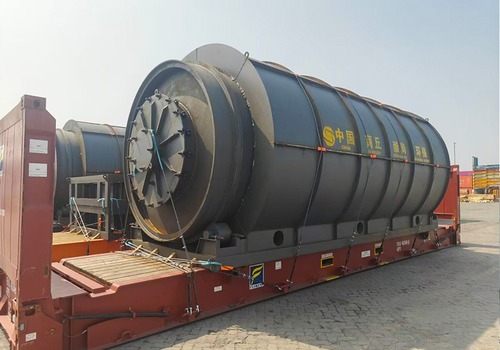
Pyrolysis offers a compliant treatment path – the medical waste pyrolysis plant converts infectious waste into inert, sterilized output.
Improper disposal of medicines, laboratory chemicals, and disinfectants can also introduce substances into wastewater systems. Some compounds may not be completely removed by conventional wastewater treatment, so preventing inappropriate discharge at the source is important.
2. Air Pollution from Inadequate Burning
Open burning and poorly controlled incineration can release particulate matter and other harmful pollutants. Burning waste that contains chlorine or certain metals can create additional pollution risks, while ash may contain substances that require controlled handling.
Properly designed and operated treatment systems need suitable combustion conditions, emissions controls, monitoring, and a safe route for managing collected residues. Burning waste without adequate controls can transfer pollution from solid waste into the air.
3. Risks to Waste Handlers and Communities
Unsecured needles, contaminated dressings, and other infectious materials can cause injuries or expose people to pathogens. Waste collectors, healthcare workers, and people who encounter improperly discarded materials may be particularly vulnerable.
Pharmaceutical waste can create additional environmental concerns when medicines or antimicrobial substances are released through unsafe disposal. Depending on the substance and exposure conditions, these releases may contribute to ecological harm or antimicrobial resistance risks.
Which Types of Medical Waste Need Special Attention?
| Waste Type | Main Environmental Concern |
|---|---|
| Infectious waste | Potential release of pathogens through unsafe handling or inadequate treatment. |
| Sharps | Needlestick injuries, exposure to contaminated materials, and unsafe recovery or reuse. |
| Pharmaceutical and cytotoxic waste | Release of active substances into water or soil if improperly discarded. |
| Chemical waste | Toxicity, corrosivity, or chemical contamination resulting from spills or unsuitable treatment. |
| Radioactive waste | Radiological exposure requiring specialized handling and disposal procedures. |
| General healthcare waste | Usually lower risk when properly separated, but contamination can complicate its management. |
How Can Environmental Damage Be Reduced?
Effective medical waste management starts before waste reaches a treatment plant. Healthcare facilities can reduce risks by taking the following steps:
- Separate waste at the source: Keep general waste, infectious waste, sharps, chemicals, pharmaceuticals, and radioactive materials in appropriate containers.
- Use safe storage and transport: Prevent leaks, spills, unauthorized access, and accidental mixing during collection and movement.
- Choose treatment by waste type: Use suitable disinfection, sterilization, thermal treatment, or specialized disposal methods based on the waste and local requirements.
- Control emissions and residues: Monitor treatment systems and manage wastewater, ash, filters, and other secondary waste properly.
- Reduce waste generation: Improve procurement, avoid unnecessary supplies, and recycle uncontaminated paper, cardboard, or plastics where safe and permitted.
Can Pyrolysis Help Manage Medical Waste?
Pyrolysis may be considered for selected medical waste streams, particularly suitable plastic or rubber-based materials, but it is not an appropriate universal treatment for all healthcare waste.
Before choosing this route, confirm which materials the process can accept, whether the treatment has been validated for the required pathogen inactivation, how emissions are controlled, and where solid and liquid residues will go. Sharps, pharmaceutical waste, chemical waste, and radioactive materials must not be assumed to be suitable simply because they originate from a healthcare facility.
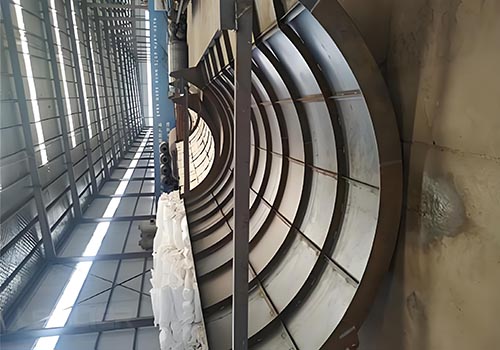
For an overview of the equipment scope and stated feedstock applications, see the medical waste pyrolysis plant page. The proposed system should still be evaluated against local regulations and the actual waste stream.
Conclusion
The environmental impact of medical waste depends on the material, the way it is handled, and the effectiveness of treatment and disposal. Source segregation, safe storage, suitable treatment, emissions control, and proper residue management help reduce risks to soil, water, air, and public health.
No single treatment method is suitable for every medical waste stream. A reliable waste management plan starts by identifying each type of waste and selecting a method that meets its specific safety and environmental requirements.