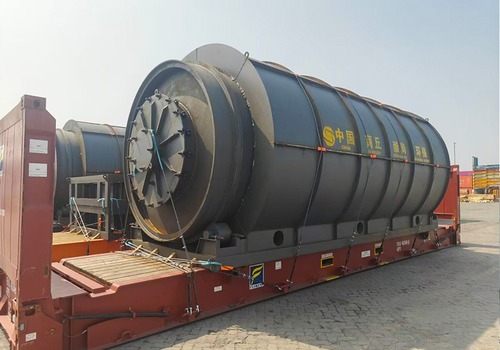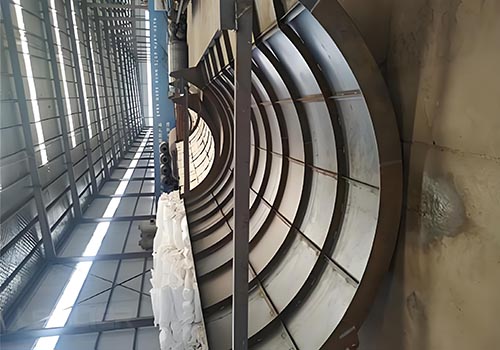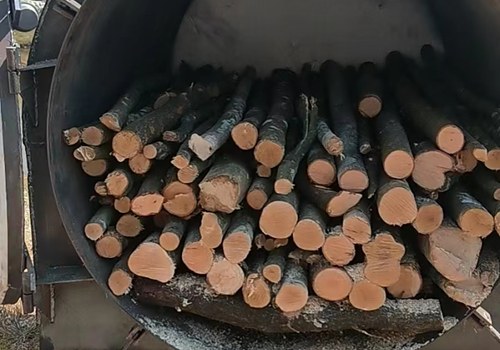


A carbonization furnace for wood charcoal is designed to convert wood and suitable woody residues into solid charcoal through controlled heating in an oxygen-limited environment. For commercial production, the furnace must do more than reach a target temperature. Its structure, heat distribution, sealing, loading arrangement, discharge system, and exhaust handling all affect how reliably it can produce charcoal that meets the buyer’s requirements.
When comparing equipment, it is important to look beyond the advertised processing capacity. A furnace should be matched to the wood dimensions, available feedstock, production schedule, required charcoal specifications, and site conditions.
Furnace Design Starts with the Charcoal You Need to Produce
Different buyers require different charcoal characteristics. A producer supplying household cooking fuel may prioritize ignition behavior, low smoke, and mechanical strength. An industrial buyer may place greater emphasis on fixed carbon, ash content, particle size, and consistency between batches.
These requirements influence the furnace design. The heating arrangement must provide sufficient thermal exposure throughout the wood charge, while the control system must help operators reproduce the required carbonization conditions.
Before selecting a furnace, establish the target specifications for moisture, volatile matter, fixed carbon, ash, bulk density, and acceptable fines. These measurements provide a clearer equipment design basis than simply asking for the highest possible charcoal yield.
Three Furnace Designs Used in Wood Charcoal Production
Equipment suppliers use terms such as kiln, retort, drum furnace, and continuous carbonizer. Because these terms can describe different aspects of a system, buyers should examine the actual structure and heating method rather than relying on the product name alone.
1. Fixed-Chamber Batch Furnace
A fixed-chamber furnace holds a defined quantity of wood during each carbonization cycle. The material stays inside the chamber until processing and cooling are completed before discharge.
Its relatively straightforward arrangement can suit smaller production operations or projects with variable feedstock availability. The important design considerations are chamber capacity, loading access, heat distribution, sealing, and the time required for safe cooling and unloading.
2. Retort Furnace with Indirect Heating
A retort places the wood inside a relatively enclosed carbonization chamber while heat is supplied from an external heating space or combustion arrangement. The heating medium and the wood charge are separated by the chamber wall.
This design can provide better control over air entry into the material chamber, but heat transfer through the retort wall must be considered carefully. Wall thickness, material selection, insulation, expansion, and temperature differences across the chamber all affect performance.
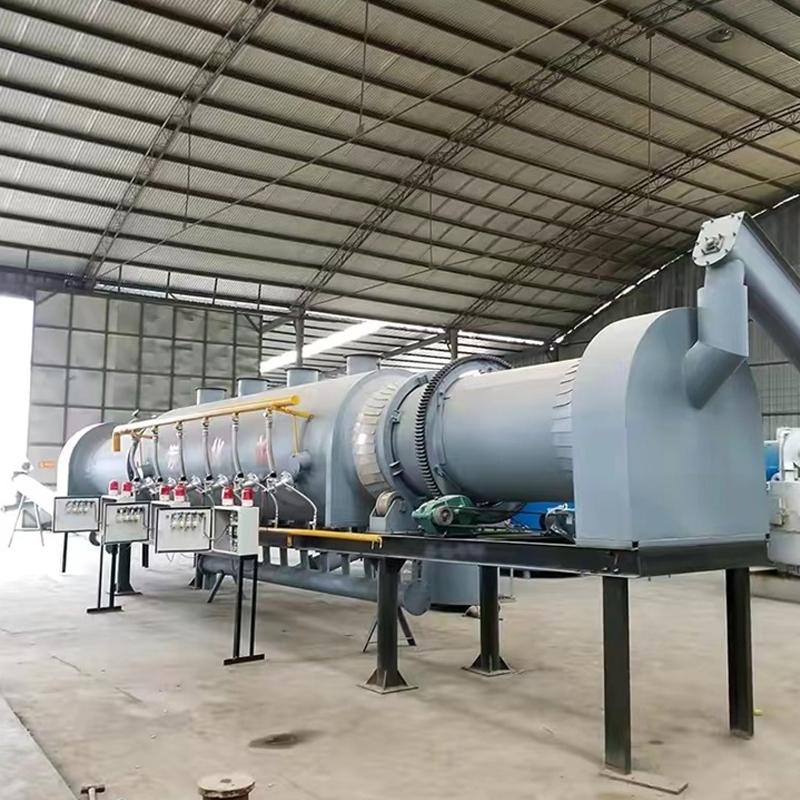
3. Continuous Drum or Moving-Bed Furnace
A continuous system moves biomass through the heated section while processed charcoal is discharged at the outlet. Depending on the design, it may use a rotating drum, screw conveyor, or another controlled material-transfer arrangement.
These systems are generally considered when the project has a stable feedstock supply and a regular production schedule. Buyers should check the feeding seal, material residence-time control, discharge cooling arrangement, and the ability to handle the actual particle size and bulk density of the wood.
For a more detailed comparison of batch and continuous production, see our guide to the wood charcoal making process.
Five Design Details Worth Checking Before Purchase
Heat Distribution Inside the Furnace
Uneven heating can leave some parts of the charge under-carbonized while other areas become over-processed. Ask how heat moves through the furnace, where temperature sensors are installed, and how the design addresses differences between the center and outer sections of the load.
For larger systems, request a drawing showing the heating chamber, gas circulation path, insulation arrangement, and temperature measurement points.
Furnace Sealing and Air Control
Uncontrolled air entry can lead to local combustion and excessive charcoal loss. Inspect the design of the charging door, discharge outlet, access covers, rotating connections, and other potential leakage points.
Sealing components should also be suitable for the operating temperature and thermal expansion expected during repeated cycles.
Steel Structure and Thermal Insulation
A carbonization furnace operates under repeated heating and cooling, which places stress on the shell, internal lining, welds, and supports. Ask the manufacturer to identify the materials used in the main chamber, high-temperature sections, refractory lining, and insulation.
Insulation is not simply an energy-saving accessory. It also helps control external surface temperatures and reduces unnecessary heat loss from the equipment.
Loading, Discharge, and Charcoal Cooling
The material handling arrangement affects labor requirements and the time between production cycles. Check whether the loading system can accommodate the available wood size and whether the discharge arrangement can remove charcoal without excessive breakage.
Hot charcoal can ignite when exposed to air. A suitable cooling and discharge arrangement is therefore essential before the material reaches open storage or packaging.
Gas Recovery and Exhaust Treatment
Wood carbonization releases combustible gases, vapors, and condensable compounds. A complete furnace design should explain how these streams are collected and managed.

Depending on the project, the system may include gas piping, condensation equipment, tar separation, a combustion chamber or thermal oxidizer, and exhaust monitoring. A condenser can recover certain liquid fractions, but it should not be presented as a complete emissions-control system.
Ask for the process flow diagram and clarify which gas-treatment components are included in the supply. Emission limits and permit requirements vary by location; for example, Missouri’s rules for batch-type charcoal kilns specify requirements for emission-control equipment and operating records.
What Should the Manufacturer Confirm About Your Wood?
A furnace designed for split logs may not perform the same way with loose sawdust or irregular wood chips. Feedstock dimensions and bulk density affect loading, airflow, heat transfer, and material movement.
Give the equipment supplier the following information before requesting a final design:
- Wood species or feedstock mixture and its typical moisture range.
- Average and maximum wood dimensions.
- Bulk density and the proportion of fines or irregular pieces.
- Available feedstock quantity per day and operating schedule.
- Target charcoal specifications and intended market.
If the material supply includes sawdust, branches, wood chips, and other residues, ask whether screening, drying, crushing, or size control will be required before feeding.
How to Evaluate a Carbonization Furnace Quotation
Two furnaces with similar rated capacities may have different supply scopes. Compare the technical documents rather than the headline price.
| Item to Review | What to Confirm |
|---|---|
| Rated capacity | Whether it refers to wet or dry feedstock and the stated operating period. |
| Furnace construction | Chamber dimensions, material specifications, insulation, and refractory lining. |
| Heating and control | Heating method, sensor locations, control range, and operating records. |
| Material handling | Loading equipment, discharge method, and charcoal cooling arrangements. |
| Gas treatment | Included piping, condensers, combustion equipment, and emission-control scope. |
| Testing and service | Inspection procedures, commissioning, training, spare parts, and warranty terms. |
Request a process flow diagram, general arrangement drawing, equipment list, and clear statement of exclusions. If product quality is important, agree on feedstock conditions, sampling methods, and charcoal testing criteria before performance acceptance.
Safety and Site Requirements Should Be Part of the Design
Carbonization produces carbon monoxide, a toxic gas that cannot be detected reliably by smell. The installation needs appropriate ventilation, gas-handling arrangements, access control, and emergency procedures. Hot charcoal also requires controlled cooling before handling or storage.
The furnace layout should provide access for loading, maintenance, inspection, and safe movement of finished charcoal. Fire protection, electrical installation, exhaust discharge, and environmental permits should be reviewed against local requirements before construction.
For installation, commissioning, and operator support, review our equipment after-sales service.
Choosing a Furnace That Fits Your Production Plan
The right carbonization furnace is not necessarily the largest or most automated model. It is the system that can process your actual wood supply, achieve the required charcoal specifications, manage heat and exhaust streams, and fit the available site and operating resources.
Explore our biomass pyrolysis equipment range and wood pyrolysis machine to review equipment options for woody feedstocks.
For a project-specific proposal, contact PyrolysisUnit with your feedstock details, target output, location, and preferred production schedule.