

15 Ton/Day Waste Tire Pyrolysis Plant Project in Malaysia A
Ghanaian Two pyrolysis Plants Project
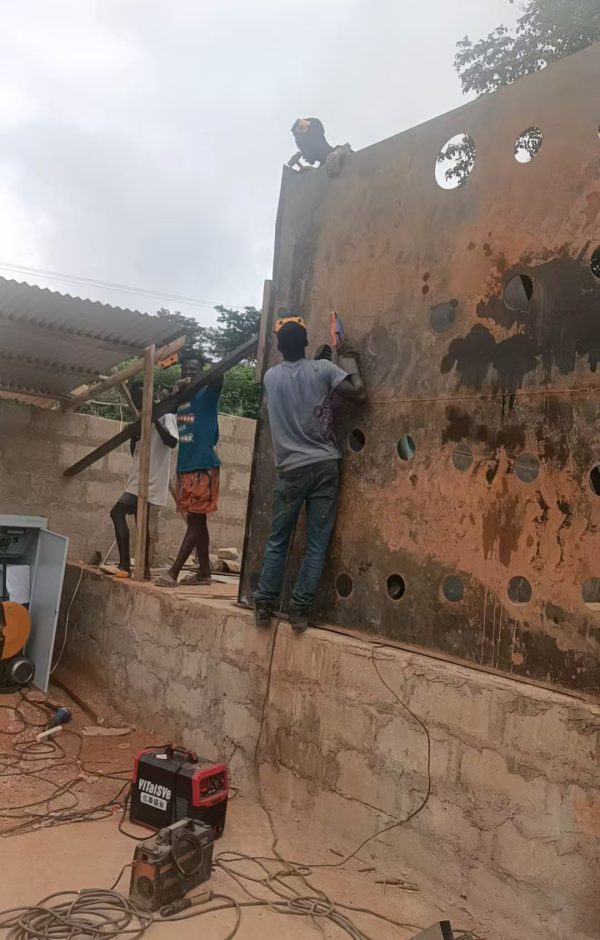
In August 2024, a Ghanaian customer purchased two sets of pyrolysis equipment.
Project Background
In recent years, Ghana has faced a mounting environmental challenge with the accumulation of end-of-life tires (ELTs). Major urban centers like Accra and Kumasi generate thousands of tons of waste tires annually, often leading to illegal stockpiling or open burning, which releases toxic smoke and contributes to severe air pollution.
The Ghanaian government, through the Environmental Protection Agency (EPA), has tightened regulations on waste disposal, encouraging the private sector to adopt “Waste-to-Energy” solutions. Against this backdrop, a local Ghanaian entrepreneur with an existing logistics and scrap metal business sought to diversify into the recycling sector.
Recognizing the high local demand for alternative industrial fuels—driven by rising diesel prices affecting local cement and ceramic factories—the customer identified pyrolysis as a viable solution to convert the region’s abundant tire waste into profitable fuel oil.

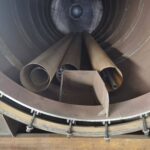
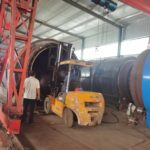
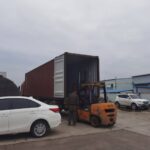
Configuring Solutions For Clients
In August 2024, the customer (represented by their project manager and lead engineer) traveled to the manufacturing facility in China to finalize the technology selection. Their primary concerns were environmental compliance (specifically smoke and odor control) and equipment durability given the high-sulfur content of local tires.
During the visit, the engineering team demonstrated a customized solution:
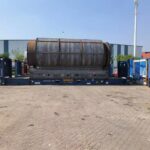
- Equipment Selection: The customer purchased two sets of 15TPD (Tons Per Day) Batch Pyrolysis Units, providing a total daily processing capacity of 30 tons.
- Customized Cooling System: To ensure high oil yield in Ghana’s tropical climate, the units were outfitted with a three-stage condensing system (vertical and horizontal condensers) to maximize the cooling area and liquefaction rate.
- Pollution Control: A professional desulfurization and dedusting tower was integrated to treat flue gas, ensuring emissions met Ghana’s EPA standards. This “odorless” design was critical for obtaining the local operating permit.
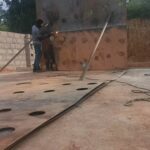
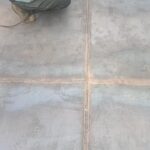
- Safety Features: The solution included auto-welding pressure vessels and water-sealed safety devices to prevent backfire, addressing the customer’s safety concerns regarding high-temperature operations.
The visit concluded with a live demo of a running plant, allowing the customer to verify the oil quality and steel extraction process personally.
Project Results
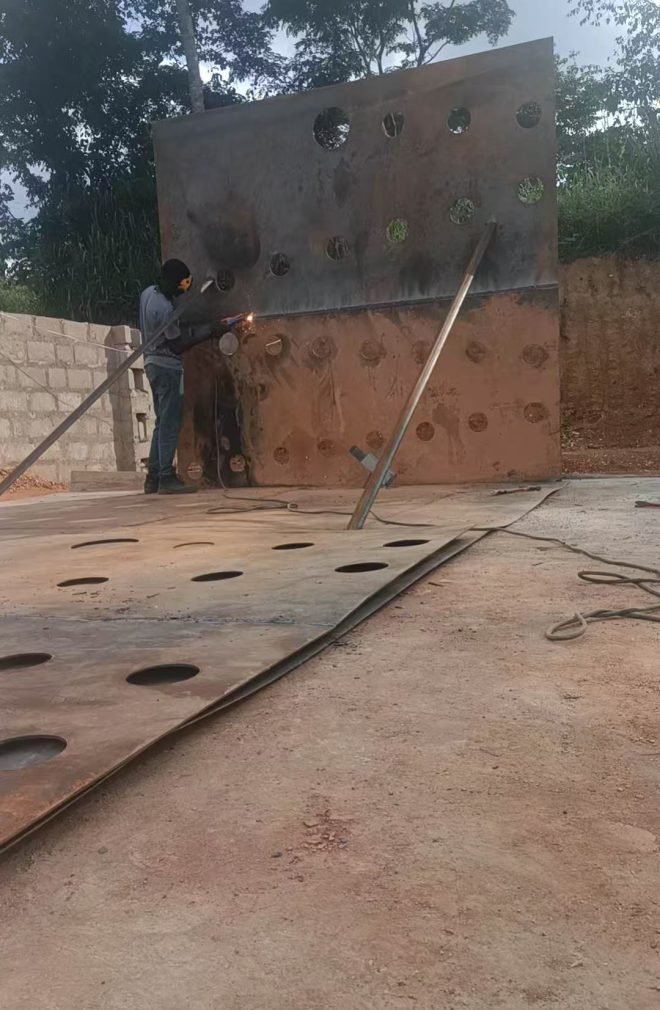
Since installation and commissioning, the plant has operated stably, supplying alternative fuel to a nearby ceramic tile factory and a steel mill.
Operational Performance Data
Total Capacity: 30 Tons of waste tires per day.
Oil Yield: Average of 45% (approx. 13.5 tons of pyrolysis oil daily).
Carbon Black Yield: 30% (approx. 9 tons daily).
Steel Wire Recovery: 15% (approx. 4.5 tons daily).
Syngas: 10% (Recycled internally to heat the reactor, saving fuel costs).
Economic Analysis (Monthly Estimates):
Investment Context: The units are relatively low-cost compared to continuous plants, allowing for a manageable initial CAPEX.
Revenue Streams
Pyrolysis Fuel Oil: Sold at approx. $550 USD/ton (market rate discount vs. diesel).
$550 * 13.5 tons * 26 days = $193,050 / month
Steel Wire: Sold to local scrap dealers at ~$120/ton.
$120 * 4.5 tons * 26 days = $14,040 / month
Carbon Black: Currently sold as low-grade filler or briquetted for burning (~$50/ton).
$50 * 9 tons * 26 days = $11,700 / month
Total Monthly Revenue: ~$218,790
Operational Costs
Raw Material (Tires): Often low cost (transportation mainly) in Ghana, estimated at $40/ton collection cost.
Labor, Electricity, Maintenance: ~$25,000/month.
Total Monthly Costs: ~$56,200
Return on Investment (ROI): With a net monthly profit exceeding $160,000, the project demonstrates an extremely fast payback period, estimated at 4 to 6 months to recover the total machinery and setup investment.
Other Cases
Conclusion
This project serves as a benchmark for the waste management sector in West Africa. By deploying two 15TPD pyrolysis units, the Ghanaian customer successfully transformed a local environmental hazard into a lucrative energy business.
The project not only alleviates the pressure of waste tire accumulation in Accra but also provides a cost-effective fuel source for local heavy industries, creating a circular economy model with a high return on investment.