

Table of Contents How Much Does It Cost to Start
Charcoal and coal have some obvious similarities. They appear alike – both are black, hard, and combustible. However, their production processes, components, and impacts on humans and the environment vary drastically.
The article below will clarify the key features of both fuels, presenting them in a straightforward manner. You will gain knowledge about their production processes, combustion properties, application areas, and precautions. It’s an internal guide, and there won’t be any unnecessary words.
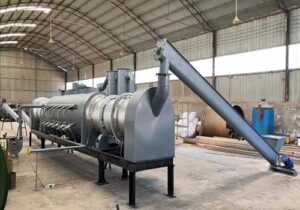
Coal is a fossil fuel. It occurs naturally through geological processes of deposition, compression, and heating of organic materials over millions of years. Coal is not manufactured by humans but extracted from the earth.
Ranks of coal (coal classification according to its formation process)
Peat – First stage of coal formation; low carbon content and high moisture level.
Lignite – Brown coal; low heat value.
Sub-bituminous – Higher quality energy content.
Bituminous – Most common type; good heat value. Used as a source of heat in industries and thermal power stations.
Anthracite – The highest rank of coal. Hard, shiny with a higher carbon content and high heat value.
Coal mining techniques
Surface mining (open-pit mining) – Used for mining seams that occur close to the earth’s surface. Machines are used to strip away overburden and access coal.
Underground mining – Mining techniques used to extract deep deposits of coal.
Processing – Coal undergoes processing where impurities and other waste products are removed. In other cases, coal is converted into coke by a process called coking.
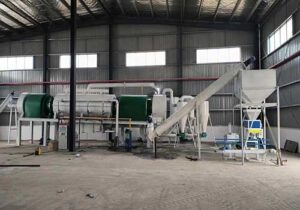
Despite having the similar composition of carbon-based materials, there exist distinct differences between charcoal and coal.
Content of carbon and energy yield
Charcoal contains a higher amount of carbon in comparison to the initial amount of wood used. Moreover, its moisture content is low, and it generates less smoke than the raw material. The high calorific value is characteristic of charcoal regardless of the wood species used for production.
Coal, as opposed to charcoal, may contain different amounts of carbon. Anthracite, for instance, has the highest level of carbon, hence provides more energy per kg. Lignite, however, is inferior in terms of energy value as well as moisture.
Volatile matter and ash
Volatile matter: Coal contains more volatile compounds compared to charcoal. They ignite, causing smoke.
Ash: In general, coal generates a higher amount of ash than charcoal. The ash includes non-combustible mineral remains left after combustion.
Impurities: Coal tends to include such harmful substances as sulfur, mercury, arsenic, and heavy metals. Charcoal is free of any dangerous components unless the initial wood was contaminated.
Burning characteristics
Ignition: Charcoal ignites faster and burns without noticeable flames providing consistent energy release. Coal tends to produce sparks and flames depending on the amount of volatile matter contained.
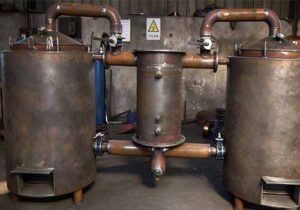
This is one of the critical areas of distinction. While both fuels pose environmental and health risks, these will vary in type and degree.
Charcoal impacts
Deforestation and land degradation: Charcoal production via unsustainable cutting practices can lead to forest destruction in regions where it occurs.
Local pollution: The traditional method of producing charcoal using pit and kiln techniques produces significant amounts of smoke and noxious gases, causing respiratory illnesses among workers and local inhabitants.
Greenhouse gas emissions: Efficient systems in which gases are recovered can minimize emissions. Otherwise, carbon dioxide and methane are emitted during production processes.
Indoor pollution: Burning charcoal indoors causes carbon monoxide and particulate matter emissions.
Coal impacts
Land degradation and pollution: Surface mining affects the landscape, vegetation, and soil; underground mining leads to subsidence and risks in the working environment.
Air pollution: Coal combustion produces SO₂, NOₓ, particulate matter, and mercury. Such pollutants contribute to smog formation, acid rain, and health issues.
Greenhouse gas emissions: Among all solid fossil fuels, coal produces the most CO₂ per unit of energy consumed. Coal combustion is the primary source of anthropogenic CO₂ emissions globally.
Coal wastes: The ash and slag resulting from coal combustion contain various metals that contaminate soil and water bodies.
Health effects
Short-term: smoke and carbon monoxide lead to breathing problems, headaches, and in severe cases, death.
Long-term: fine particles and toxic metals from coal increase heart and lung disease, cancer risk, and developmental harm in children.
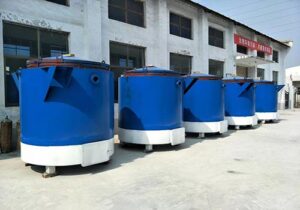
Depending on local conditions, including the type of heating needed, cost, and environmental legislation, one should choose the most optimal option between charcoal and coal.
Cost and Availability
Charcoal: Prices depend on manufacturing processes and distribution chains. Lump charcoal tends to be more expensive compared to briquettes. The price of locally produced charcoal could be lower, although associated with some costs (environmental degradation, health risks).
Coal: Prices depend on its type and origin. Coal transportation is expensive due to the material being bulky. Nowadays, there are fewer regions where the coal mining and distribution remain economically feasible because of increased costs due to environmental legislation and competitive fuels.
Handling and safety
Store all fuels in dry areas. Make sure that combustion occurs in well-ventilated environments. Avoid burning charcoal indoors without adequate ventilation facilities, including carbon monoxide detectors. Use suitable stoves and burners.
Choosing sustainably produced charcoal: Choose the charcoal whose production is certified by reliable certification programs. These programs guarantee sustainably produced wood products and clean manufacturing.
Coal alternatives: For large-scale purposes, such as power generation, the use of environmentally friendly sources of energy becomes a solution to reduce pollutants.
Practical considerations
For barbecuing: lump charcoal provides better quality results; briquettes burn longer.

Table of Contents How Much Does It Cost to Start
Table of Contents 3 Types of Pyrolysis Furnace Insulation Shells
Table of Contents The Charcoal Making Process, Step by Step: