Is Pyrolysis Eco-Friendly? The Truth About Turning Trash into Treasure
We produce a lot of trash. Every day, we toss things into the bin—plastic wrappers, old tires, leftover food scraps—and forget about them. But that trash has to go somewhere. For a long time, “somewhere” meant a giant hole in the ground called a landfill. But as landfills fill up and plastic floats in our oceans, scientists and engineers have been working on better ways to handle our waste.
One of the solutions getting a lot of attention lately is called pyrolysis. It sounds like a complicated science word, and it is, but the idea behind it is actually pretty simple. It promises to turn our garbage back into useful things like fuel or raw materials.
But is it actually good for the planet? Is it a green solution, or just another way of burning trash? Let’s break it down, step by step, to understand if pyrolysis is truly eco-friendly.
1. What Exactly Is Pyrolysis?
To understand if something is good for the environment, we first have to understand how it works. Imagine you are baking a cake, but you accidentally leave it in the oven way too long. It eventually burns and turns into black charcoal. That happens because there is air (oxygen) in the oven. Fire and burning need oxygen to happen.
Now, imagine you could heat that cake up to incredible temperatures—hotter than your oven can go—but you removed all the air first. Without oxygen, the cake can’t catch on fire. Instead of burning to ash, the heat breaks down the chemical bonds that hold the cake together. The solid stuff turns into a liquid or a gas.
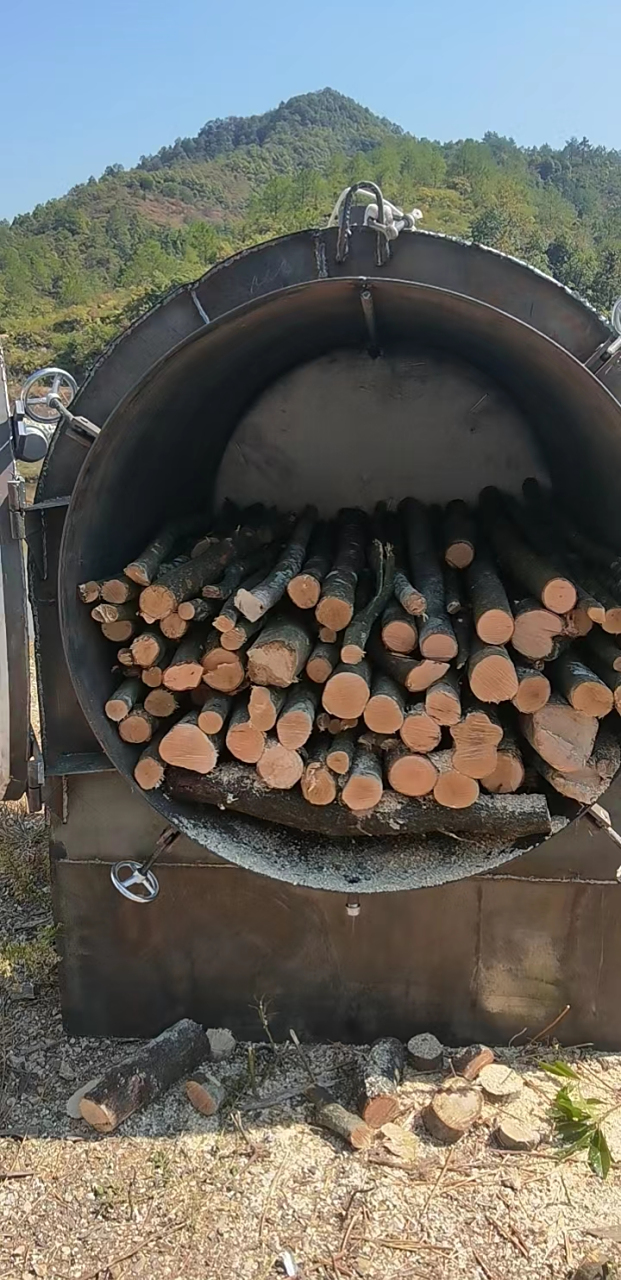
This is essentially what pyrolysis is. It is the process of heating organic material (stuff that contains carbon, like plastic, wood, or tires) to very high temperatures in a space with no oxygen.
Because there is no burning involved, we don’t call it incineration. Incineration is just a fancy word for burning trash. Pyrolysis is different. It is a chemical change caused by heat. When we put waste plastic or old tires into a machine designed for this, the heat breaks the complex materials down into simpler forms.
The goal isn’t just to get rid of the trash, but to get something valuable out of it. Depending on what you put in and how hot you get it, you can get oil (which can be made into diesel or gasoline), gas (which can be used to generate electricity), or char (a solid black substance used in filters or farming).
2. How a Pyrolysis Plant Works
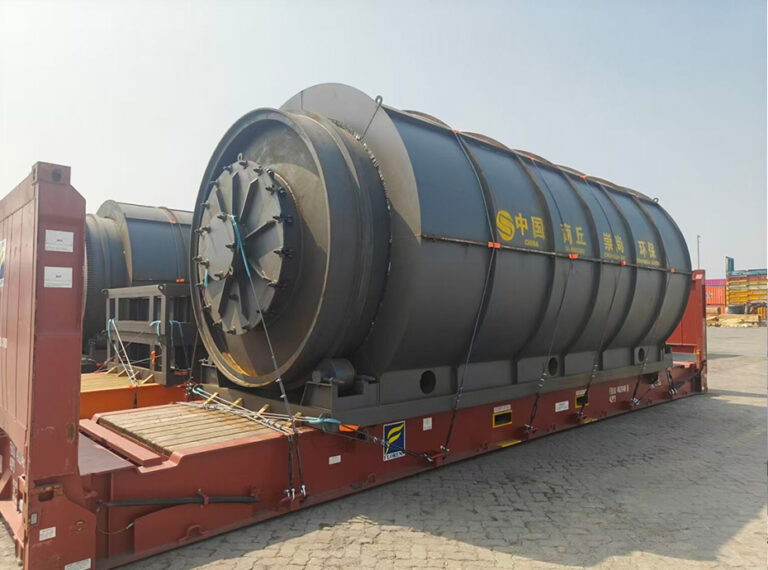
So, where does this magic happen? It happens in a facility called a pyrolysis plant. These aren’t your typical factories with smokestacks billowing black clouds, although they do have industrial equipment.
A pyrolysis plant is essentially a large, sealed system. Here is a simple walkthrough of what happens inside:
Preparation: First, the waste needs to be ready. You can’t just throw a whole dirty tire or a bag of mixed garbage into the machine. The waste usually needs to be shredded into small pieces. It also needs to be dried because water can mess up the process.
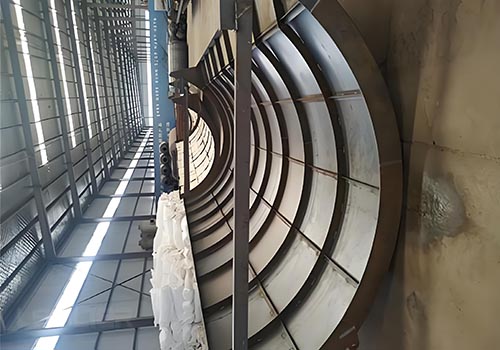
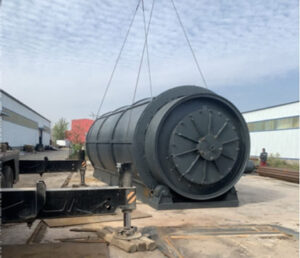
The Reactor: This is the heart of the pyrolysis plant. The shredded waste is fed into a reactor chamber. This chamber is sealed tight so no oxygen can get in. Then, the heat is turned up. We are talking about temperatures anywhere from 400 to 800 degrees Celsius (that’s 750 to 1400 degrees Fahrenheit!).
Gasification: As the waste gets hot, it turns into a gas. It vaporizes.
Condensing: This gas then travels through pipes into a cooling system. When the hot gas hits the cool pipes, it turns back into a liquid, much like steam turning into water on a cold mirror. This liquid is often a type of oil called pyrolysis oil.
Collection: The oil is collected in tanks. Some gas that doesn’t turn into liquid is captured and used to power the plant itself. The solid stuff left behind, the char, is removed from the bottom of the reactor.
It sounds like a perfect circle, doesn’t it? Trash goes in, and useful fuel comes out. But like most things in life, the reality is a little more complicated when we talk about being “eco-friendly.”
3. The Major Upside: Tackling the Plastic Crisis
The biggest argument for pyrolysis being eco-friendly is the plastic problem. Plastic is amazing because it lasts forever. That is also why plastic is terrible for the environment—it lasts forever.
When we throw plastic in a landfill, it sits there for hundreds of years. As it breaks down, it turns into microplastics—tiny invisible pieces that get into our water and soil. Worse, most plastic isn’t recycled. You might put it in the blue bin, but if it’s dirty, mixed with other materials, or just the wrong type of plastic, it often gets thrown away anyway. Traditional recycling (melting plastic down to make new plastic) is hard to do with mixed garbage.
This is where a pyrolysis plant shines. It is much less picky than a standard recycling center.
Handling the “Un-recyclable”: Pyrolysis can handle plastics that traditional recyclers reject, like multi-layered food wrappers or dirty plastics.
Keeping it out of Landfills: Every ton of plastic that goes into a pyrolysis reactor is a ton of plastic that doesn’t end up burying us in a landfill or floating in the Great Pacific Garbage Patch.
Saving Wildlife: By finding a value for waste plastic (turning it into oil means it is worth money), people are less likely to dump it in nature. If trash is worth cash, people collect it.
In this specific way, pyrolysis is very eco-friendly. It acts as a vacuum cleaner for the waste we don’t know what else to do with.
4. Turning Tires into Energy
Another huge win for the environment is how pyrolysis handles tires. Have you ever seen a tire fire? They are disasters. They burn for weeks, release toxic black smoke, and pollute the ground. There are billions of old tires sitting in stockpiles around the world. They catch rainwater, which breeds mosquitoes, and they are a massive fire hazard.
A pyrolysis plant designed for tires can solve this safety hazard. When you put a tire through pyrolysis, you aren’t just melting it. You are recovering the ingredients used to make it.
You get three main things:
Steel wire: This can be pulled out and sold to steel mills to make new metal.
Carbon Black: This is a fine powder used to make rubber strong. It can be sold back to tire manufacturers to make new tires.
Pyrolysis Oil: This can be used as fuel for ships or factories.
This is a great example of a “circular economy.” Instead of making new steel and new carbon black from scratch (which requires mining and drilling), we are harvesting it from old tires. This saves natural resources and prevents the environmental nightmare of tire dumps. From this angle, the technology looks very green.

5. The "Not-So-Green" Side: Emissions and Energy
However, we have to look at the other side of the coin. While the idea is green, the process requires a lot of energy. Remember, we have to heat that reactor up to 800 degrees Celsius. That takes a lot of power.
If a pyrolysis plant uses electricity coming from a coal power plant to heat up the reactor, is it really eco-friendly? You might be saving plastic from a landfill, but you are burning coal to do it. This is a concept called the “carbon footprint.” To be truly green, the plant needs to be efficient.
Many modern plants try to solve this by using the gas created during the process to heat the reactor. This makes the plant self-sustaining, which is much better.
But there is another concern: Emissions. Even though pyrolysis isn’t “burning” the waste in the open air, it is still a chemical industrial process. If the plant isn’t built perfectly or if it has leaks, it can release harmful chemicals into the air. Heating up plastic can release toxins if the smoke cleaning systems aren’t top-notch.
Critics argue that pyrolysis is just a way to keep using fossil fuels. They say that by turning plastic back into oil, we are just going to burn that oil in a car or a factory, which releases Carbon Dioxide (CO2) into the air. They argue we should focus on making less plastic in the first place, rather than finding new ways to melt it down.
6. Is it Recycling or Just Burning?
This is the biggest debate in the environmental world right now. Is pyrolysis “recycling”?
The “Chemical Recycling” View: Supporters call pyrolysis “chemical recycling.” They say that if you turn a plastic bottle back into oil, and use that oil to make a new plastic bottle, you have fully recycled it. The plastic loop is closed. This is the dream scenario.
The “Waste-to-Fuel” View: However, most of the time right now, the oil from a pyrolysis plant doesn’t become new plastic. It gets sold as fuel. So, you take a plastic bottle, turn it into diesel, and burn it in a truck. Once it’s burned, the material is gone forever, and the CO2 is in the atmosphere. Critics say this isn’t recycling; it’s just a delayed form of burning.
If the output is used to make new plastic, it is very eco-friendly. It reduces the need to drill for new oil. But if the output is just burned as fuel, it is less eco-friendly. It is better than coal, maybe, but it is not a perfect solution. It is certainly better than a landfill, but it isn’t as good as not creating the waste to begin with.
7. The Verdict: A Stepping Stone, Not a Magic Wand
So, is pyrolysis eco-friendly? The answer is: It depends on how you use it.
It is not a magic wand that makes waste disappear without a trace. It is an industrial process that requires energy and management. However, compared to the alternatives—like massive landfills leaking into the soil, or oceans choked with plastic—pyrolysis offers a very promising path forward.
Here is the summary of the scorecard:
The Good:
It drastically reduces the volume of waste going to landfills.
It can process waste that traditional recycling cannot touch.
It recovers valuable resources like steel and carbon black.
A modern pyrolysis plant can be energy self-sufficient.
The Bad:
It requires a lot of energy to start.
If the output is used as fuel, it still creates greenhouse gases.
It could distract people from the real goal: using less plastic.
Pyrolysis is likely going to be a huge part of our future. It is a “bridge” technology. It helps us deal with the mess we have made while we try to figure out how to make less of a mess in the future. It turns a liability (trash) into an asset (energy/materials).
If we can ensure that these plants are run safely, with strict controls on air quality, and if we prioritize turning the output back into new plastics rather than burning it as fuel, pyrolysis can be a powerful tool in saving our environment. It’s not perfect, but right now, it’s one of the best weapons we have in the fight against waste.