
Table of Contents How Much Does It Cost to Start
A small pyrolysis plant works in three main steps, each important for safe and efficient operation:
Drying: First the waste is heated at low temperature to remove water. Any moisture is driven off so the next step works better.
Heating (Pyrolysis): The dried waste is then heated to high temperatures (often 400–800 °C) in a sealed reactor with no air. At this high heat, the material breaks apart. This step turns the solid waste into hot vapors, leaving a black solid char behind.
Condensing (Cooling): Finally, the hot vapors pass through a cooling system. The vapors cool down and condense into a liquid fuel oil. Any remaining gases (called syngas) can be burned for heat. The leftover char is a solid carbon product (like charcoal).
Pyrolysis plants use special reactors, heaters, and condensers. They must keep air out so the material never actually burns. As one industry source notes, “pyrolysis is a thermal decomposition process … heating organic materials in the absence of oxygen”. Equipment needed includes a high-temperature reactor, condenser coils or tanks to collect oil, and filters or scrubbers for any gas or smoke. Many small systems are skid-mounted (built on a frame) so they can be moved easily and don’t need much installation.
A small pyrolysis business can use many types of waste as raw material:
Waste Tires and Rubber: Old car or truck tires and scrap rubber are very common. They have steel wires inside that come out as solid scrap, and the rubber can be turned into oil and carbon black.
Plastic Waste: Non-recyclable plastics (like polyethylene (PE), polypropylene (PP), polystyrene (PS), or mixed plastics) are often used. Shredded plastic bottles, film, or packaging can be fed into a pyrolysis
Biomass: Plant waste such as wood chips, sawdust, crop stalks, or nutshells can also be pyrolyzed. (When biomass is used, the char is called biochar and is valued for soil conditioning.)
Other Organic Waste: Some plants handle oil sludges, rubber fragments, or materials like aluminum-plastic layers. For example, one small 100 kg batch plant was designed for “waste tires, plastics, oil sludge, coal tar oil, aluminum plastic material, etc.”.
Each batch needs fairly uniform material, often shredded to a few centimeters size. Mixing too many different wastes can lower efficiency or clog the system. However, many plants are made to handle tires and plastics together because these wastes often accumulate together in scrap yards.
The outputs (products) of pyrolysis are also diverse:
Fuel Oil: The main product is pyrolysis oil. This dark, heavy oil can be used directly as industrial fuel or refined into diesel or gasoline-like products.
Gases (Syngas): A flammable gas is produced and mostly recycled to heat the reactor. Any excess syngas can power a generator or burner. Using syngas on-site improves efficiency.
Solid Char (Carbon Black or Biochar): This carbon-rich solid remains after heating. From tires or plastics it is often called carbon black (used in tires or inks). From wood it’s called biochar (used as a soil amendment). Both can be sold as materials or used for making briquettes.
Metal and Ash: Metal pieces (like tire wires) are removed and sold as scrap. Inert ash or inorganic residues (from plastics) may also be taken out.
Producers will aim to use or sell each byproduct. For example, one advice list says to “ensure that all by-products are properly used”: fuel oil to industry, carbon black for materials or fuel, steel wire to scrap dealers, and syngas to heat the plant.
Building a small pyrolysis business requires several key components and steps:
Pyrolysis Reactor: This is the heart of the plant. Small systems often use a batch or semi-continuous reactor (heating chamber). Batch reactors (load, seal, heat, cool, then unload) are simpler and cheaper, suitable for small investors. Reactors are usually made of thick steel and may have rotating or fixed beds.
Heating System: Most reactors are heated by burners (using some of the syngas or another fuel). Good designs recycle the syngas back to fire the heater, reducing extra fuel needs.
Condensing System: The hot vapors from the reactor must be cooled to collect the liquid oil. Small plants use water-cooled condensers or oil-gas separators to turn vapor into liquid fuel.
Cleaning and Filters: Before gases reach the condenser, dust and particles should be removed (using cyclone or filter) to protect equipment. After the condenser, scrubbers or filters clean the exhaust to meet emissions standards.
Storage Tanks: Tanks are needed to hold the crude oil product safely. Stainless or carbon steel tanks with vents and gauges are typical.
Auxiliary Equipment: Feed loaders, conveyors, or hoppers to add waste; screw conveyors or sifters to remove solids; and controllers (to monitor temperature and pressure). Automation is often added for safety and efficiency.
Power and Utilities: Small plants need electricity for controls, fans, and pumps. The energy use can often be partly offset by the plant’s own syngas.
One manufacturer notes that small 100 kg/batch plants are “skid-mounted” (built on a frame) so they can be delivered whole and set up without extra construction. This makes it easier for new investors with little experience: they can start quickly and still get the same oil and gas yields as larger plants.
When choosing technology, a key decision is batch vs. continuous. Batch reactors cost less and suit startups. Continuous systems are more complex (constant feed and output) and usually used by big companies. For a small business, the batch style is often recommended.

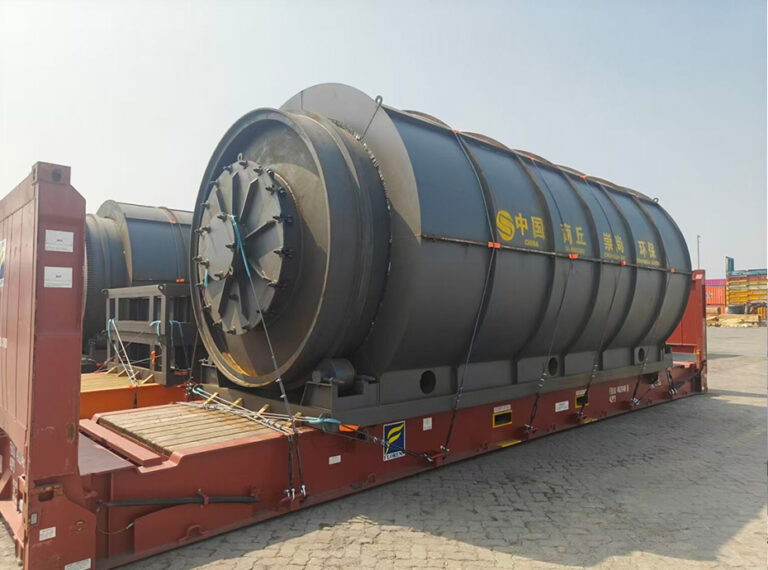
Table of Contents How Much Does It Cost to Start
Table of Contents 3 Types of Pyrolysis Furnace Insulation Shells
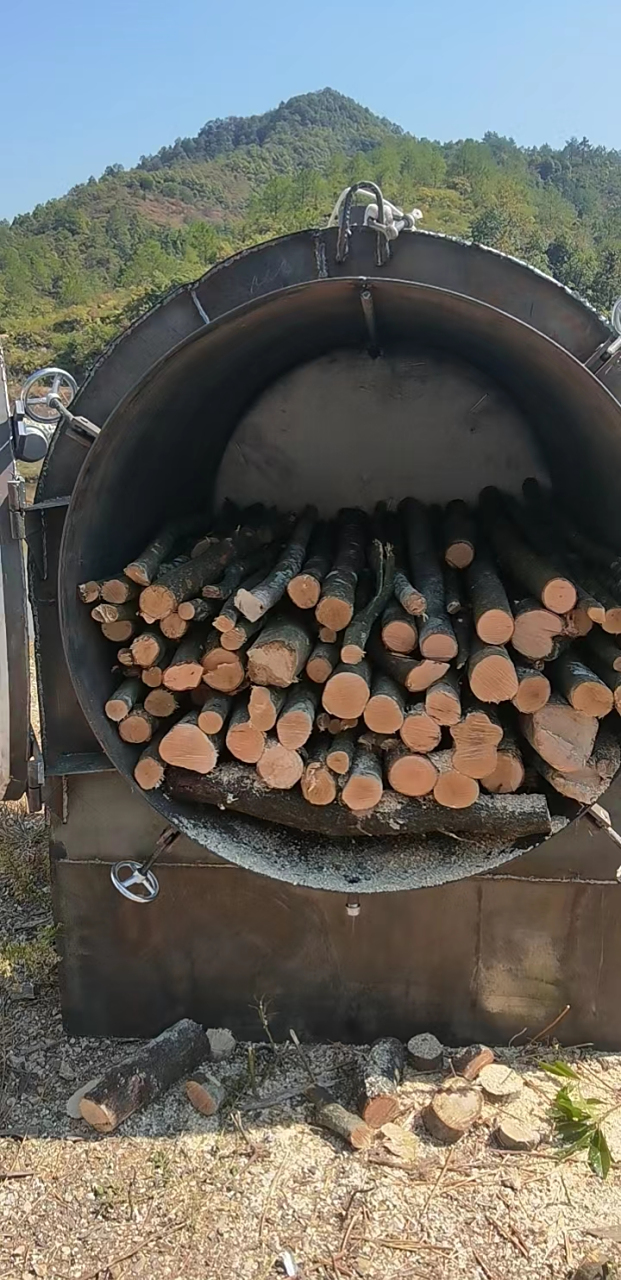
Table of Contents The Charcoal Making Process, Step by Step: