
Table of Contents 3 Types of Pyrolysis Furnace Insulation Shells
Plastic waste is a growing problem, and different methods exist to handle it. Traditional recycling (mechanical recycling) turns old plastic into new plastic. Pyrolysis heats plastic with no oxygen to break it into fuels and chemicals. Both methods cost money to run and save money by creating useful products. Pyrolysis has attracted a lot of interest lately (especially with new rules and a push for sustainability).
But making it work at large scale has been tough – “financial challenges have constrained many past attempts at scaling pyrolysis”. In other words, pyrolysis can recycle hard-to-treat plastic, but it often costs more upfront than traditional recycling.
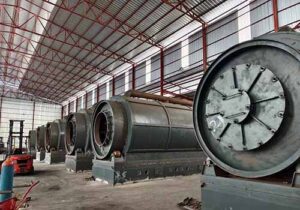
Pyrolysis is a form of chemical recycling. It heats plastic in an oxygen-free oven so the long plastic chains break apart. The output is usually a mix of liquid fuel oil, combustible gas (syngas), and solid char (often used as carbon black).
Essentially, pyrolysis turns mixed or dirty plastic into fuels and raw chemicals. This can be an advantage: by heating the plastic, impurities and additives are left behind in the solid char, making it “particularly useful to handle ‘difficult’ plastic wastes” (plastics with food or dirt on them).
In practice, pyrolysis can convert a majority of waste into fuel. One review found that pyrolysis can turn about 60–80% of plastic waste into liquid fuels. In fast pyrolysis (450–600 °C), the liquid yield can reach up to 85%. The fuel oil made by pyrolysis can be sold or further refined.
In fact, pyrolysis oil currently can fetch about $600–900 per ton, and the gas about $200–300 per ton. That means each ton of plastic waste can yield hundreds of dollars in fuel products. Pyrolysis also reduces waste and can cut greenhouse gas emissions compared to burning or landfilling the plastic. So in theory, it creates valuable products: “converting waste plastics into valuable products like fuel oil, carbon black, and syngas”.
However, pyrolysis needs special equipment and high heat. The plants are big and expensive. They also must run at a large scale to be efficient. The energy input is high: heating plastic to 500 °C all the time costs fuel or electricity. Still, pyrolysis can handle plastic types that recycling cannot, like mixed polymers or contaminated film. In short, pyrolysis offers a way to get value out of waste that mechanical recycling can’t use, by making fuels and raw chemicals from it.
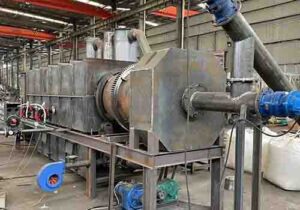
Traditional recycling mainly costs money in collecting, sorting, cleaning, and melting plastics. Modern recycling plants have machinery to sort mixed waste, wash bottles, and re-extrude plastic. These steps use labor, electricity, water and chemicals, so there are costs. But the key is that recycled plastic sells – usually as pellets or bales – which brings revenue. As noted, recycled plastic often sells for much less than new plastic, meaning companies save money using it.
Because of this, mechanical recycling generally makes economic sense for many common plastics. A study of different plastics (PE, PP, etc.) showed that mechanical recycling had lower costs than many chemical recycling options. It said mechanical recycling could produce cheap plastics “up to 20–50% cheaper” than making new plastic. In practical terms, this means that for each kilogram of plastic waste input, companies can earn something back. For example, recycling HDPE yielded about €0.16 per kg (16 cents per kg) for a good sorting yield. Even with tougher sorting or yields, mechanical recycling still tends to cover costs.
Another study modeled the economics and found that mechanical recycling “obtains net revenues” for all plastics considered. In some cases, mixing chemical processing (like pyrolysis) with recycling gave even higher returns, but mechanical recycling alone was still profitable for a broad range of plastics. Mechanical recycling’s main disadvantage is that it can only be done a limited number of times before plastic degrades, and it doesn’t work well with very mixed waste. But as long as there is a market for the recycled pellets, the process generally pays for itself. Overall, traditional recycling has relatively low processing costs and the recycled material (though lower quality) comes out cheap and sells.
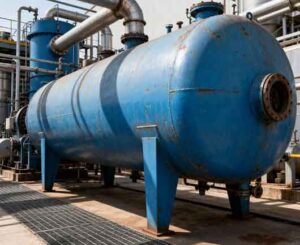
Pyrolysis, by contrast, is currently more expensive to run. The equipment (kilns, condensers, scrubbers) has a high upfront cost, and the process needs continuous high heat. In one detailed case, the fixed annual cost for a pyrolysis plant was estimated at about €14.2 million, plus variable costs of roughly €8.21 per ton of product. Altogether, operating a pyrolysis plant worked out to about €320 per ton of mixed plastic waste. In simpler terms, that’s roughly €0.32 per kg of waste, over three times higher than the €0.10 per kg estimated for mechanical recycling in the same study.
Why so high? Pyrolysis needs heat, sorting, and refining of the oil. The shredded plastic (often converted to RDF) is fed into a high-temperature reactor, then the vapors are cooled and cleaned. Energy usage (to heat air, run compressors, etc.) is a big part of the cost. Also, because it is still a newer industrial process, there isn’t as much of a market or competition, which keeps prices high.
On the other hand, pyrolysis produces valuable outputs. The oil from pyrolysis can be used as chemical feedstock or fuel. The gas can be burned on-site or sold for power. In dollar terms, a ton of pyrolysis oil can sell for about $600–$900, and the syngas $200–$300. If a plant processes 1000 tons of plastic, it could in theory produce $600,000–$900,000 worth of oil. That revenue is necessary to offset the high processing cost (the €320/ton).
Even so, chemical analyses show that turning waste plastic into chemicals by pyrolysis is often not cost-competitive with using virgin oil. For example, base olefins (used to make many plastics) made from pyrolysis naphtha cost about twice as much as those from standard steam cracking of fossil naphtha.
In other words, recycled oil from plastic can be worth a lot, but it still tends to be pricier than oil directly from petroleum. Feedstock cost is a big driver – if the waste plastic comes almost free or even with a gate fee credit, pyrolysis can look better. Some cases become viable if very cheap or subsidized plastic waste is available. But generally, without extra help (like grants or high sale prices), the economics of pyrolysis are challenging.
It helps to compare the two side by side:
Cost per ton: Mechanical recycling runs around €100 per ton of plastic, while pyrolysis is about €320 per ton. This large gap means recycling is often cheaper to operate.
Product value: Recycled plastics come out as pellets. These are sold at lower prices (20–50% below virgin plastic), so buyers save money. Pyrolysis products are fuels/chemicals: the oil sells for $600–$900/ton and gas $200–$300/ton, which can be lucrative.
Output quality: Recycled plastic is typically lower-quality (not always food-grade, may discolor, etc.). Pyrolysis oil can be refined into virgin-grade chemicals (e.g. making new plastics or fuels). In fact, using pyrolysis, one can recover chemicals like styrene for producing fresh plastics. This means pyrolysis products can replace some raw materials directly, potentially cutting production costs.
Waste types: Pyrolysis can handle many kinds of plastic mixed together, including dirty or multilayer waste that mechanical recycling can’t sort out easily. As noted, it is “particularly useful to handle ‘difficult’ plastic wastes” because additives and dirt stay in the solid residue. Mechanical recycling usually requires sorted, clean streams (like separate PET bottles or clean HDPE) or else the process fails or the output is poor.
In sum, mechanical recycling is cheaper and good for clean, single-stream plastics, producing low-cost recycled material. Pyrolysis costs more but can handle the leftovers and makes high-value fuel/chemical products. Some studies even find that, under the right conditions, pyrolysis can add a lot of value. For example, one optimization model found pyrolysis could improve the economics of polyethylene waste management by about $3 per kg of plastic – that’s about $3000 extra per ton – which is quite high. This is because pyrolysis can unlock value in waste streams that might otherwise be burned or landfilled. However, those models assume efficient setups; real-world plants must consider capital and energy costs too.
Importantly, pyrolysis can contribute valuable materials that reduce dependence on oil: “converting plastic waste into pyrolysis oil yields important platform chemicals … essential for manufacturing high-quality plastics,” which could “help lower production costs” in the chemical industry. In that sense, pyrolysis feeds recycled carbon back into the economy. Mechanical recycling, by contrast, mainly saves money by avoiding new plastic production costs; it doesn’t create new types of chemicals.
Economics also depend on market and policy context. For recycling, many companies and countries have targets to use recycled content. This creates demand and sometimes subsidies for mechanical recycling. For pyrolysis, governments often treat it like an energy project. In fact, “many governments provide subsidies or tax exemptions for waste-to-energy projects,” which include pyrolysis plants. Such incentives can lower the effective cost of pyrolysis. In places with carbon trading, pyrolysis plants might earn carbon credits by keeping plastic out of landfills.
Feedstock price and supply matter too. If a factory pays to dispose of plastic, getting paid or receiving cheap plastic improves the business case. Pyrolysis investors look for areas with low waste costs. In contrast, mechanical recyclers often pay for sorted plastic (or pay collectors).
Finally, scale and technology readiness matter. Mechanical recycling technology is mature and widely deployed, so large plants exist in many countries. Pyrolysis is still scaling up, so plants are rarer and often smaller. This means economies of scale are not fully realized yet. On the flip side, pyrolysis can jump in where recycling stops – for example, some plastics that can’t be recycled today might be processed by pyrolysis in the future.
All these factors mean there’s no one-size-fits-all answer. A place with tight rules on single-use plastics might favor mechanical recycling. A place with cheap energy and tax breaks might try pyrolysis.

Table of Contents 3 Types of Pyrolysis Furnace Insulation Shells
Table of Contents The Charcoal Making Process, Step by Step:
Table of Contents Does Pyrolysis Produce CO2? If you’re thinking