
Table of Contents How Much Does It Cost to Start
Table of Contents
The Charcoal Making Process, Step by Step: What Happens Inside a Pyrolysis Machine
If you’re looking at pyrolysis machines for the first time, the spec sheets can feel like a foreign language. Carbonization temperature. Fixed carbon content. Residence time. None of it means much until you know what’s actually happening inside that steel drum.
I want to walk you through it plainly, the way I’d explain it to someone standing next to the machine with me. No filler. Just the real process, the numbers that matter, and the decisions you’ll need to make before you buy anything.
By the end, you’ll know why temperature is the most important dial on the whole machine, what separates a batch system from a continuous one, and what to do with the wood vinegar and gas you probably didn’t know you’d be producing.
What Pyrolysis Actually Means (No Jargon Required)
Here’s the one-sentence version: pyrolysis is heating organic material until it breaks down chemically, without enough oxygen around for it to catch fire and burn to ash.
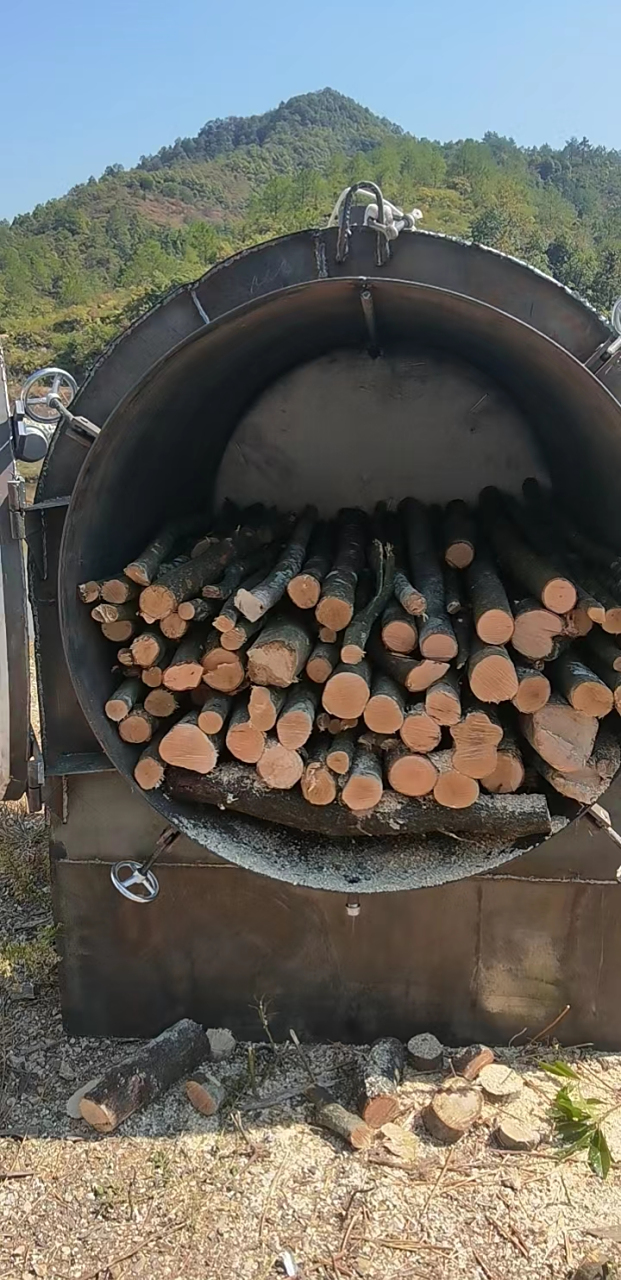
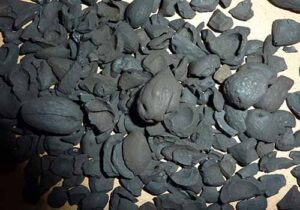
Picture a campfire. Wood with plenty of air burns hot and fast, and what’s left is mostly white ash. Now picture that same wood packed tightly into a sealed metal drum, with almost no air inside, heated from outside. Instead of burning away, the wood breaks down into a black, carbon-rich solid. That’s charcoal. That’s pyrolysis.
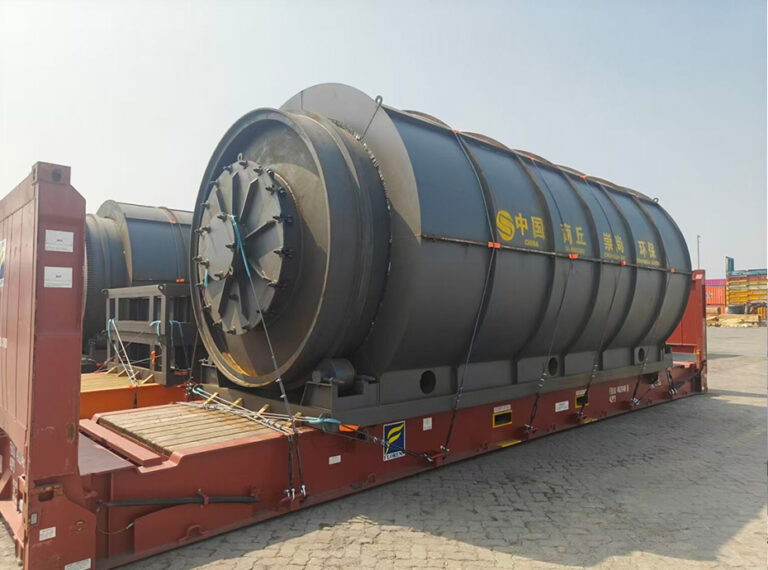
A pyrolysis machine, sometimes called a carbonization furnace or charcoal making machine, does this on purpose and at scale. It controls the oxygen, the heat, and the timing so you get consistent charcoal instead of a pile of ash mixed with half-burned chunks.
Ever wonder why some backyard charcoal batches turn out great and others come out as ash and scorched wood? It almost always comes down to this one thing: oxygen control. Machines exist because getting that control right, batch after batch, by hand, is hard.
The Charcoal Making Process, Step by Step
Strip away the branding, and every pyrolysis machine runs through the same five stages.
A quick note on that “wood chemistry” line: wood is mostly cellulose and lignin, held together with water. The water has to leave first, since evaporating it eats up a lot of energy. Once the material is dry and hot enough, it starts falling apart into charcoal, water vapor, and a mix of gases and tar. That reaction is largely self-sustaining once it gets going.
- Loading and drying.Raw material goes into the reactor. Any moisture in it has to cook off first, and this step uses more energy than most people expect.
- Heating to the breakdown point.The now-dry material keeps heating until it reaches the temperature where its structure starts falling apart on its own.
- The material keeps breaking down, giving off gas, tar, and water vapor, until what’s left is mostly carbon.
- The charcoal comes out of carbonization hot enough to reignite the moment it touches open air, so it has to cool before it’s safe to handle.
- Discharge and byproduct collection.The charcoal is removed, and if the machine is set up for it, the gas and liquid byproducts are captured on the way out instead of vented as smoke.
| Stage | Temperature | What’s happening |
| Drying | Up to 100°C | Water in the material turns to vapor and leaves. Nothing chemical happens yet. |
| Onset of breakdown | Roughly 270–280°C | Wood chemistry starts changing on its own. Below this point you’re just adding heat; above it, the material starts giving off heat too. |
| Carbonization | 280–450°C | The bulk of the wood turns into charcoal, gas, and tar. Left alone, this stalls out around 400°C. |
| Finishing | 450–700°C and up | Extra heat drives off more tar and raises the fixed carbon content, at the cost of some yield. |
Why Temperature Is the Real Lever You're Pulling
This is the part most new buyers underestimate. You’re not just choosing “hot enough to make charcoal.” You’re choosing a tradeoff between how much charcoal you get and how good it is.
The same FAO data lays this out clearly:
Table 2: Carbonization temperature vs. yield and quality
Final temperature | Fixed carbon content | Volatile matter | Charcoal yield (of dry input weight) |
300°C | 68% | 31% | 42% |
500°C | 86% | 13% | 33% |
700°C | 92% | 7% | 30% |
Lower temperatures give you more charcoal by weight, but it’s lower grade. It still holds a fair amount of acidic tar, it’s corrosive to handle, and it smokes when burned. Push the temperature higher and you lose some yield, but the charcoal burns cleaner and holds together better.
Commercial-grade charcoal generally needs a fixed carbon content around 75 percent or higher, which usually means carbonizing to somewhere near 500°C. Industrial carbonization furnaces on the market today typically run their reaction zone somewhere in the 380–600°C range, depending on the equipment and the target product. This is also why most modern machines use automated temperature monitoring instead of someone watching the fire by eye. Holding a steady target temperature across a whole load is hard to do by feel, and it’s the main thing separating a controlled, repeatable process from a guessing game.
So ask yourself: what market are you actually selling into? BBQ and shisha charcoal buyers want low smoke and clean burning, which points you toward the higher end of that range. If you’re making fuel for an industrial boiler where smoke matters less than raw output, running a bit cooler and accepting a lower-grade product for a bigger yield can make more sense.
Batch or Continuous: Matching the Machine to Your Business
Every pyrolysis machine on the market is either a batch system or a continuous one, and the difference matters more than most sales material lets on.
A batch machine loads a fixed amount of material, carbonizes it, cools it, then gets unloaded before the next load goes in. A continuous machine feeds material in at one end, usually through a rotating auger or a slowly turning drum, while finished charcoal comes out the other end without stopping.
Not sure yet which camp fits you? This comparison usually settles it:
Table 3: Batch vs. continuous, side by side
| Batch | Continuous |
How it runs | One load at a time: load, carbonize, cool, unload | Material moves through nonstop |
Feedstock flexibility | Handles a mixed, uneven load reasonably well | Wants more uniform size and moisture |
Typical cycle | Roughly half a day to a full day per batch, carbonizing plus cooling | Runs continuously, often around the clock |
Output consistency | Can vary somewhat batch to batch | More uniform, since conditions stay steady |
Upfront cost | Lower | Higher |
Best fit | Entrepreneurs starting out, smaller or variable feedstock volumes | Steady, high-volume operations, or cases where product consistency really matters |
Here’s how I’d frame the decision: if you’re not yet sure how steady your raw material supply will be, a batch system gives you room to figure that out without locking into round-the-clock operation. If you already have a reliable feedstock and you’re chasing a specific product spec, like a fixed carbon target for an industrial buyer, continuous tends to be the better long-term investment.
Neither type is automatically the right answer. It depends on your feedstock, your budget, and what your buyers actually need from the finished product.
What Raw Materials Actually Work
Most pyrolysis machines can handle more than plain firewood. Common feedstocks include:
- Wood chips, logs, and branches
- Sawdust and wood shavings
- Bamboo
- Coconut shells and palm kernel shells
- Rice husks, straw, and corn stalks
- Nut shells
Two things matter more than the type of material you choose: moisture content and particle size. Freshly cut wood can hold anywhere from 40 to 100 percent moisture on a dry-weight basis, while air-dried wood usually sits around 12 to 18 percent. That gap matters, because every bit of that water has to evaporate before carbonization can even start, and that costs you fuel and time. Pre-drying your feedstock, even just letting it sit in the sun for a while, cuts down on wasted energy.
Particle size matters more if you’re running a continuous machine, since a mix of sawdust and full logs moving through the same feed system tends to jam things up. Batch systems are more forgiving here, since each load is self-contained and you can mix sizes more freely.
The Byproducts Nobody Talks About
Charcoal isn’t the only thing that comes out of a pyrolysis machine. Depending on how the equipment is set up, you can also capture:
- Wood vinegar (pyroligneous acid).The condensed liquid from the process, made mostly of water along with acetic acid and other compounds. It’s used in agriculture as a soil additive and a natural pest deterrent, though results vary by crop and application rate.
- Combustible gas (syngas).A mix of gases, mainly carbon monoxide, carbon dioxide, and methane, that can be piped back into the furnace as fuel. This is a big reason modern machines need less outside fuel than older kilns did.
- A thicker byproduct that historically found use as a wood preservative and antiseptic, though today it’s a smaller part of most operators’ revenue.
None of these byproducts will turn a marginal operation into a profitable one on their own. But recycling the gas back into the furnace is one of the more meaningful ways to cut fuel costs, and it’s worth asking any equipment supplier exactly how their gas recovery system works before you sign anything.
Worth noting: the charcoal itself doesn’t have to stop at raw lumps or powder. Crushing and pressing it into briquettes, or heating it further into activated carbon, are common next steps for operators selling into retail or filtration markets. Both are separate pieces of equipment from the carbonization furnace itself, so they’re really a second investment decision rather than part of this one.
Where This Actually Gets Used
Two patterns come up again and again with people I talk to about this equipment.
The first is agricultural waste becoming biochar. Rice husks, straw, and other crop residue that would otherwise be burned in the field or left to rot get carbonized instead, and the resulting biochar goes back into local soil. According to the International Biochar Initiative, biochar’s carbon can stay locked in soil for centuries, sometimes much longer, and it’s increasingly tied to carbon credit programs, which gives some operators an added revenue stream beyond selling the material itself.
The second is shells and shavings feeding the fuel charcoal market. Coconut shells and palm kernel shells are common inputs for BBQ and shisha charcoal, since they carbonize into a dense, long-burning product that this market specifically looks for.
Neither path is guaranteed to pencil out. Both depend on local feedstock costs, transport distance to your buyers, and whether there’s an actual market nearby for what you’d produce. That homework matters as much as the machine itself.
What About the Smoke and the Neighbors
This comes up in almost every conversation about starting a pyrolysis operation, so it’s worth addressing directly.
Older, uncontrolled kilns vent their smoke and gas straight into the air, which is where charcoal production’s reputation as a dirty process comes from. Most modern carbonization furnaces work differently: they route the gas produced during carbonization through a condenser or scrubber, capturing the liquid byproducts and burning the leftover gas as fuel instead of releasing it as smoke.
That said, I can’t tell you this eliminates emissions entirely or that you won’t need a permit. Environmental rules for combustion and waste-processing equipment vary a lot by country and even by local jurisdiction. Before you commit to a site, it’s worth checking with your local environmental agency about what permits apply to carbonization equipment specifically, since requirements for a small operation and a large one can look very different.
Worker safety around the machine deserves the same attention as the emissions themselves. The gas given off during carbonization contains carbon monoxide, which is dangerous to breathe and easy to underestimate because it has no smell. Good ventilation around the loading and unloading area, especially right after a batch comes out, is a basic precaution rather than an optional one.
Common Problems and What's Actually Going Wrong
Why isn’t my charcoal fully carbonized? This is almost always moisture or uneven heat. Wet feedstock, or a full load with cold spots, leaves you with partly-charred wood. Pre-drying your material and keeping load sizes consistent usually solves it.
Why is there so much smoke or a bad smell? This points to gas that isn’t being captured or burned off properly. A working condenser and gas-recycling setup is the fix here, not just running the furnace hotter.
Why is my yield lower than I expected? Check your target temperature against Table 2 above. If you’re carbonizing at 700°C for maximum fixed carbon, a lower yield than a 300°C batch isn’t a malfunction. It’s the tradeoff you signed up for.
Why does my charcoal crumble so easily? Very dense woods can shatter during carbonization, and very high temperatures also make the finished charcoal more likely to crumble. A target around 450–500°C tends to balance strength against fixed carbon content reasonably well.
Quick Answers
What temperature do you need to make charcoal? Breakdown starts around 270–280°C. Most commercial operations finish somewhere between 450°C and 600°C to hit the fixed carbon content buyers expect, generally 75 percent or higher.
How long does the process take? For a batch machine, plan on roughly half a day to a full day per cycle, including cooling. Continuous machines don’t work in cycles at all — they run steadily, often around the clock.
What can I use as raw material? Wood, sawdust, bamboo, coconut shells, palm kernel shells, rice husks, straw, and most other dry biomass. Moisture content and particle size matter more than the specific type of material.
Should I buy a batch or continuous machine? Batch machines suit smaller operations, mixed feedstock, or anyone still figuring out their supply chain. Continuous machines fit steady, high-volume operations where consistent output really matters.
What do I do with the wood vinegar and gas byproducts? The gas can be piped back into the furnace as fuel, cutting energy costs. Wood vinegar has agricultural uses as a soil additive, though its value depends on your local market.
Is biochar the same thing as charcoal? Chemically, they start out similar. The real difference is intended use: biochar is carbonized material meant to go into soil, while charcoal more broadly covers fuel, filtration, and industrial uses too.
Where to Go From Here
The chemistry behind the charcoal making process hasn’t changed much in centuries. What’s changed is how precisely modern equipment can control it, and that’s really what you’re paying for when you buy a pyrolysis machine: consistency, rather than a coin flip on every load.
If you want to go deeper on the science, the FAO’s Simple Technologies for Charcoal Making is a genuinely useful, freely available reference. For a more technical, research-level treatment, Antal and Grønli’s widely cited review, The Art, Science, and Technology of Charcoal Production, covers decades of carbonization research. And if soil-focused biochar is more your direction than fuel charcoal, the International Biochar Initiative is a solid place to keep learning.
Recent Articles


Related Blog