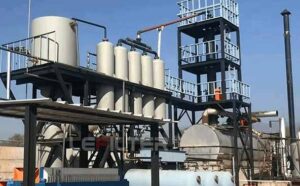

Pyrolysis is a word for a process in which waste materials, such as tires, plastic, or biomass, are broken down using heat and small amounts of oxygen. The result is oil, gas, and solid carbon. The question of whether a pyrolysis plant can be placed outside is something many people want to know the answer to. It is a simple idea, really: save a structure, save some money. However, pyrolysis plants have electricity, heat, and sometimes fire involved. These are not items suited for being outside in the open air. In other words, you cannot simply place the pyrolysis plant outside in a field and begin using it. Protection is necessary, which is what this article will explain.
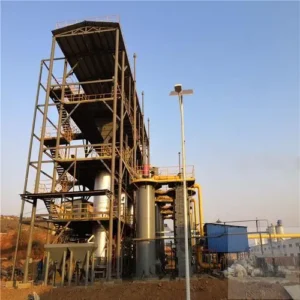
Running a pyrolysis unit right out in the open is risky for several simple reasons:
Electricity and water don’t mix. Pyrolysis plants use motors, control panels, sensors, and heaters. Rain or snow can cause short circuits or shocks if equipment is not protected.
Open heat and flames are dangerous. Some systems use burners or have hot exhaust. Wind can spread flames or hot ash. That raises the chance of fire.
Weather damages equipment. Sun, freezing cold, heavy rain, or salt air can corrode parts, spoil seals, and break wiring. This shortens the life of the machine and causes failures.
Wind and dust affect operation. Wind can cool hot parts in the wrong places. Dust and dirt can clog valves and filters.
Vapors and fumes need control. Pyrolysis can release oil mist or gas. Outdoors, these plumes can drift to neighboring areas and cause health or fire hazards.
Security and access control. An exposed unit is easier to vandalize or tamper with. That raises safety and legal concerns.
Regulatory and insurance limits. Local rules and insurance often require fixed, safe enclosures. Running outside can void permits or insurance.
Because of these reasons, “operating outdoors” usually means operating outside a normal factory building but inside a designed protective area. You must provide shelters, barriers, and systems that keep electricity, heat, and vapors under control.
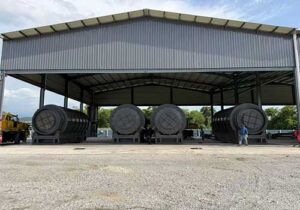
If you plan to site a pyrolysis plant outdoors-ish, plan on building at least the following:
Simple roofed shelter (minimum)
A sturdy roof keeps rain and direct sun off equipment. The roof should be fire-resistant. It should also let exhaust gases vent safely and keep wind from blowing flames or sparks outward.
Enclosure walls or windbreaks
Walls on at least two or three sides reduce crosswinds. They also block dust and direct rain. Make walls from non-combustible materials like steel or concrete. Leave access points and doors for maintenance and emergency exits.
Solid foundation and leveling
Put the equipment on a concrete pad. The pad should be level and thick enough to carry the machine weight. A good foundation keeps piping from bending and electrical connections from loosening.
Containment bunds and drainage
If oil or chemical leaks happen, you must contain them. Build low walls or “bunds” around tanks and units. Direct drains to an oil-water separator or safe collection pit. Don’t let runoff go into soil or storm drains.
Covered working areas and safe walkways
Provide covered spots for maintenance and a clean path to controls. This reduces slips, trips, and exposure to the elements when staff are working.
These structures do not need to be elaborate. But they must be reliable and suited to the local climate.
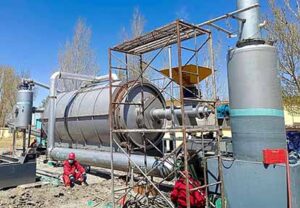
Electricity is a core reason you can’t run pyrolysis equipment fully exposed. Take these steps:
Weatherproof cabinets and panels
Use NEMA or IP-rated enclosures for control panels. These keep water and dust out. Place panels up high enough to avoid splashes and puddles.
Grounding and earthing
Proper grounding prevents shocks and fires. All metal frames, piping, and panels should be bonded to an earth ground. Include grounding for mobile equipment if you move parts.
Surge and lightning protection
An outdoor site is more likely to be struck by lightning or see large surges. Install surge protection devices on main panels and key circuits. Consider lightning rods and bonding to the ground system.
Cables and conduits
Run cables in conduits and raised trays. Use UV-resistant, weather-rated cables. Keep cables away from hot surfaces and moving parts.
Emergency power cut-offs
Install easy-to-reach emergency stop switches. Mark them clearly and make sure every operator knows where they are.
Regular electrical inspections
Check insulation, connectors, and fuses often. Moisture and dirt degrade electrical parts faster outdoors than indoors.
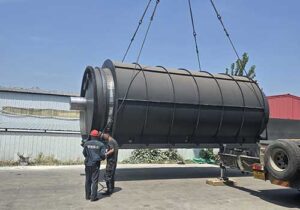
Heat control and fire safety are vital. Pyrolysis makes hot gas and sometimes uses burners. The outdoor site must be designed to handle this.
Keep hot parts enclosed or shielded
Where possible, enclose hot reactors, burners, and chimneys. Use heat shields and insulation to keep the heat inside the system.
Maintain safe distances and barriers
Install non-combustible barriers around burners and hot piping. Keep storage of flammable materials (fuels, oils, solvents) well away from the unit.
Fire detection and suppression
Use heat and smoke detectors near high-risk parts. Have automatic suppression systems such as foam or CO₂ for tanks and oil spills. Also keep portable extinguishers nearby — ABC dry chemical and foam are common choices.
Fireproof materials and coatings
Where possible, build with materials that do not burn. Paints and coatings should be rated for high temperature and fire resistance.
Fuel and gas handling procedures
If you store fuel on site, use certified tanks and secondary containment. Treat all gas lines and connections as live and check them regularly for leaks.
Trained staff and drills
Train staff in fire response. Practice emergency shutdown and evacuation drills. Know how to shut fuel supplies and isolate the system.
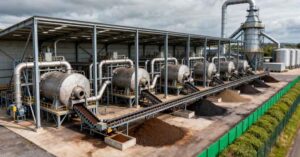
Running outdoors increases the chance that emissions or spills will affect the surroundings. Control systems are a must.
Venting and condensers
Use condensers and scrubbers to capture oil mist and harmful gases before they leave the stack. Direct venting without treatment is rarely acceptable.
Filters and gas treatment
Install filters for particulates and activated carbon or scrubbers for odors and VOCs. Check regulations; local rules often require measurable emission limits.
Spill containment and cleanup plans
Have spill kits, absorbents, and booms ready. Train staff to use them. Always know how to stop a leak quickly and where to put contaminated material.
Noise and dust control
Equipment can be loud and create dust. Use silencers, barriers, and dust extraction systems to protect nearby people and wildlife.
Monitoring and reporting
Monitor air and soil if your process is likely to release pollutants. Keep records and report as local laws require.