Can Pyrolysis Biochar Help In Carbon Sequestration
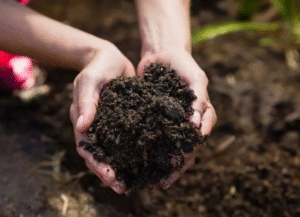
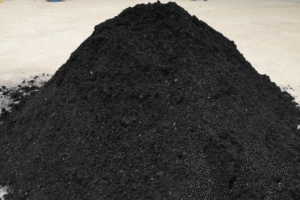
Biochar is a kind of charcoal made from plant material. People make it by heating wood, crop leftovers, or other biomass without much oxygen. The result is a black, stable material that looks like tiny pieces of charcoal.
Why do people talk about it for carbon sequestration? Because the carbon in biochar can stay locked up in the soil for a long time. If we turn leftover plants into biochar and put it in soil, some of the carbon that would have gone back to the air can stay in the ground. That’s why scientists and farmers want to know: can biochar really help against climate change?
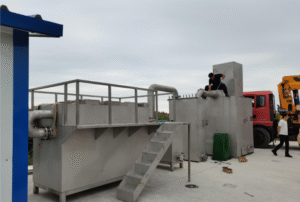
A pyrolysis machine is the tool that makes biochar. Think of it like a safe oven. You put biomass inside, close it so oxygen is low, and heat it. The machine keeps temperature and time steady. This turns the biomass into three main things:
Biochar (solid) — what we put in soil.
Bio-oil (liquid) — can be used for energy or other products.
Syngas (gas) — can be burned to make heat or electricity, sometimes to run the machine itself.
The machine matters. Temperature, how long the biomass stays hot (residence time), and how fast it heats up change what you get. Hotter and longer usually makes biochar that is harder to break down in soil. Cooler, quick heating makes more bio-oil and less stable char. Good pyrolysis machines let operators control these settings so they can make biochar with the traits they want.
Not all carbon is the same. Plant material has lots of carbon that microbes and oxygen break down quickly. But when we turn that material into biochar, the carbon changes shape. It forms rings and complex structures that microbes cannot eat easily. That is why biochar can last in soil much longer than the original plant carbon.
A few key things affect biochar’s stability:
Temperature: Making biochar at higher temperatures (for example, 400–700°C) usually gives more stable carbon. Higher temperature makes stronger carbon rings and less hydrogen in the material. Scientists often look at the H:C (hydrogen to carbon) ratio. Lower H:C generally means more stable char.
Feedstock: Wood and lignin-rich materials usually make more stable biochar than soft crop leaves.
Pyrolysis conditions: Slow heating and enough residence time make more of the stable form.
Because of these changes, part of biochar’s carbon may remain in soil for decades to centuries — and some studies say a lot of it can last a thousand years or more under the right conditions. But that long-term picture still needs careful measurement and tracking.
People want numbers. Here’s a simple way to think about it.
Start with one ton of dry biomass. Roughly:
Some of that carbon is lost as gas and oil during pyrolysis.
The rest becomes biochar.
The fraction that ends up as biochar depends on feedstock and machine. Good pyrolysis can convert a significant share of the biomass carbon into stable biochar. Studies and reviews show a wide range depending on many factors. Some research suggests that biochar could store a meaningful amount of CO₂ each year at the global scale — but estimates vary. Recent literature finds the potential is not zero — it could be a small but useful slice of global carbon removal when done right.
A practical summary:
For some high-quality biochars, maybe 25–50% of the feedstock carbon can be counted as long-term stored carbon, after accounting for losses. The exact percent depends on how you measure “long-term” and how long you count.
At the global level, recent analyses show a broad possible range for biochar’s annual carbon removal potential. Numbers depend on whether we use waste biomass, how much land is available, and how efficient systems are. Some studies place potential in the order of 0.7 to 1.8 gigatons CO₂ per year under certain scenarios, but this is an upper range that assumes scaled, careful deployment.
We should be honest: biochar is not a silver bullet. It’s one tool among many. It helps most when it uses waste biomass (not cutting down forests), when machines are efficient, and when biochar is tested for stability and safety.
Biochar can do more than store carbon. It often helps soil in ways farmers can feel:
Better water retention. Soil with biochar can hold water longer. That helps plants in dry times.
Improved nutrient holding. Biochar can hold nutrients so plants can use them over time.
Lower nitrous oxide emissions. In some soils, adding biochar reduces N₂O—a strong greenhouse gas.
Better soil structure. Biochar makes soil lighter and more crumbly in heavy soils.
These co-benefits make biochar attractive to farmers. When a farmer sees higher yields or less need for fertilizer, they are more likely to use biochar. That on-farm benefit helps scale the practice. But the benefits vary by soil type, climate, and biochar quality. Not every field sees the same gain.
Biochar shows promise, but there are real questions to watch out for.
Risks and uncertainties
Feedstock contamination. If the biomass contains heavy metals, plastics, or toxins, these can end up concentrated in the char. That’s bad for soil and people.
Poor pyrolysis control. Badly run machines can emit pollution or produce low-quality char that breaks down faster.
Over-promising permanence. Not all biochar is equally permanent. Some of the char can decompose faster than expected if the material or soil is wrong.
Land use and supply. Using crops or cutting forests to make biochar is harmful. Best practice is to use waste and residues.
Good practices
Use waste biomass — like crop residues, pruning waste, or sawmill scraps.
Test the biochar for H:C ratio, heavy metals, and stability before wide use.
Run machines at suitable temperatures (guided by research and lab analyses).
Follow standards and certifications — some regions have biochar certification systems to ensure safety and permanence.
Here’s the short answer: Yes — biochar from pyrolysis machines can help with carbon sequestration — but the size of that help depends on how we do it.
When done the right way:
Use leftover biomass, not new land.
Run good pyrolysis machines that make stable char.
Test and certify biochar for stability and safety.
Then biochar can lock carbon into soils for decades to centuries, and it can give farmers real benefits that help adoption.
But remember the limits:
It’s not a replacement for cutting fossil fuel use.
It’s one piece of a bigger climate plan: reduce emissions, protect forests, improve soils, and develop a mix of carbon removal methods.
If you run or buy pyrolysis machines, focus on:
Feedstock sourcing — pick wastes and residues.
Machine quality and control — choose units that can reach the right temperatures and recover energy.
Testing and tracking — use lab tests and simple record-keeping so you know your biochar is safe and stable.
Measuring co-benefits — document crop yield, water savings, and lower fertilizer needs to show real value.
Quick FAQ
Q: Is biochar permanent?
A: Partly. Good biochar can lock carbon away for decades to centuries. How long depends on how it’s made and where it goes.
Q: Does biochar always help soil?
A: Often it helps, but results vary. Some soils see big gains, some see little change.
Q: Can anyone make biochar at home?
A: Small-scale methods exist, but safe, clean, and stable biochar needs control that good pyrolysis machines provide.
Q: Should governments pay for biochar carbon removal?
A: Some places are looking at rules and credits. But payments should only go to projects that prove stability, use good feedstock, and follow standards.
Biochar made with pyrolysis machines is a real tool for carbon removal. It also helps with soil and farming in many cases. The key is doing it right: use waste, run good machines, test the product, and watch for risks. If we scale carefully, biochar can be part of how we slow climate change and help farms at the same time.