

Table of Contents How Much Does It Cost to Start
The world makes more than one billion tires every single year, and most of them eventually end up as waste in landfills or are burned for fuel. This creates a massive environmental problem that needs a smart solution. One of the most promising ways to handle this waste is through a process called tire pyrolysis. This method takes old tires and breaks them down using high heat in a space without any oxygen.
This process produces a very valuable material called recovered carbon black, or rCB. Carbon black is the fine black powder that makes tires strong, helps them last longer, and gives them their dark color. Traditionally, this powder is made by burning oil or gas, which releases a lot of CO2 and uses up fossil fuels. By recovering it from old tires instead, we can save energy, reduce pollution, and move toward a circular economy where nothing is wasted.
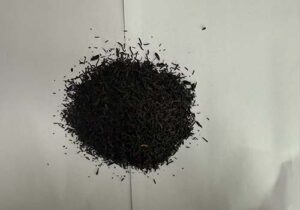
The standard way to make carbon black today is through the “furnace process.” In this method, heavy oil is sprayed into a hot gas flame inside a large furnace. Because there is not enough air for the oil to burn completely, it turns into tiny soot particles. This soot is then cooled, filtered, and turned into small beads called pellets. While this method produces high-quality material, it is very hard on the earth. To make just one ton of carbon black, you need about 1.5 tons of oil and gas, and the process releases between 2.5 and 3.0 tons of CO2 into the air. With the world using about 14 to 15 million tons of carbon black every year, the environmental cost is very high. Recovered carbon black offers a way to cut these emissions by as much as $80% to $85%.
Key Feature | Virgin Carbon Black (vCB) | Recovered Carbon Black (rCB) |
Main Raw Material | Heavy oil or natural gas | Used tires |
Production Method | Partial burning (Furnace) | Baking without air (Pyrolysis) |
Carbon Purity | Over 95% | $80% to $85% |
Environmental Impact | High CO2 emissions | Low CO2 emissions |
Main Use | High-stress tires | Flexible rubber and plastics |
Tire pyrolysis is a thermochemical process that breaks down the long chemical chains in rubber into smaller, useful parts. When a tire is heated in a reactor—which is like a giant, oxygen-free oven—at temperatures between $300^{\circ}C and $700^{\circ}C$, it turns into three main things: a gas, a liquid oil, and a solid char. The gas is often burned to keep the machine running, which saves energy. The oil can be used as fuel or used to make new chemicals. The solid part that stays behind is called char, and this is what is refined into recovered carbon black.
The way the pyrolysis machine is operated has a huge effect on what comes out. For example, if you heat the tires very quickly, you get more oil but less carbon black. If the temperature is very high, you might get a cleaner carbon black, but it could be harder to work with. Most industrial plants aim for a balance. A typical system processing 10 tons of waste tires a day will produce about 4.5 tons of oil, 3.5 tons of carbon black, and 1.2 tons of steel wire. This shows that a large part of every tire can be brought back into the factory to be used again.
Reactor Types and Heating Profiles
There are different kinds of reactors used to bake the tires. Some use a “fixed-bed” design, while others use a “vacuum” system. In a vacuum system, the rubber is baked at around $500^{\circ}C under very low pressure. This helps stop unwanted oily residues from sticking to the surface of the carbon particles. If these residues stay on the carbon, it makes it harder for the carbon to stick to new rubber later on.
Temperature control is the most important part of the whole process. If the temperature is too low, the tires don’t break down all the way. If it is too high, it uses too much energy and can damage the carbon structure. Research shows that raising the heat from $450^{\circ}C to $550^{\circ}C can help remove more of the gases and increase the surface area of the carbon, which makes it more useful for strengthening rubber.
The Role of Feedstock Quality
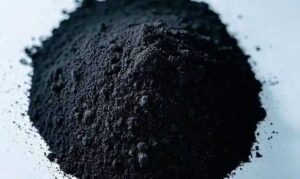
The quality of the rCB also depends on what kind of tires you put into the machine. Not all tires are made the same way. Car tires often contain more silica to help with grip, while truck tires contain more natural rubber and different grades of carbon black. Truck tires usually produce a better grade of rCB that is closer to the expensive virgin grades used in the industry. Because tires are complex and have many layers, like the tread, the sidewall, and the inner liner, the resulting rCB is a mixture of many different carbon types.
Pyrolysis Product | Approximate Yield from 10 Tons of Tires | Common Industrial Use |
Pyrolysis Oil (TPO) | 4.5 Tons | Industrial fuel or chemical base |
Recovered Carbon Black | 3.5 Tons | Rubber filler, plastic color |
Steel Wire | 1.2 Tons | Sold for metal recycling |
Synthesis Gas (Syngas) | 0.8 Tons | Burned for heat in the plant |
When the carbon first comes out of the pyrolysis reactor, it is a rough, dusty material called char. It often has bits of steel and fabric stuck in it. To make it useful for factories, it has to go through several cleaning and refining steps. First, magnets and air systems remove the metal and cloth. Then, the char is ground into a very fine powder and turned into small beads called pellets.
Fine grinding, or milling, is necessary because the carbon needs to be incredibly small to mix well with rubber or plastic. Companies like the Hosokawa Group use special machines to do this. One type is a “jet mill,” which uses high-speed air to crash the particles into each other until they shatter into tiny pieces. This creates a powder where the particles are often smaller than 10 microns. This tiny size is important because it creates a large surface area, which helps the carbon reinforce the rubber better.
The Importance of Pelletizing
Once the carbon is ground into a powder, it is very difficult to handle. It is so light and fluffy that it can easily blow away and create a mess in a factory. It can also be a health risk if workers breathe it in. To solve this, the powder is turned into pellets. In this step, the powder is mixed with a little bit of water or a binder in a machine called a “pin mixer” or a “high-speed mixer”. The mixer spins very fast, causing the powder to form small, round beads. These beads are then dried in an oven. The final pellets are easy to ship and don’t create dust when they are poured into mixing machines at the tire factory.
Testing and Quality Control
Because recovered carbon black is made from waste, companies have to be very careful to make sure every batch is the same. Large companies have research centers where they test the material to see how well it works. They check things like how much oil the carbon can absorb and how big the particles are. This is important because tire makers need to know exactly how the material will behave so their tires are safe and strong.
Processing Step | Equipment Used | Purpose of Step |
De-wiring | Magnets | Remove steel fragments |
Fine Grinding | Jet Mill or Classifier Mill | Reduce particle size to $<10 microns |
Pelletizing | Pin Mixer or Flexomix | Turn dusty powder into easy-to-handle beads |
Drying | Fluid-bed Dryer | Remove moisture from the pellets |
Packaging | Automated Bagging | Prepare material for transport |
The tire industry is the biggest user of carbon black, taking up about $70% of the world’s supply. Because tires are made of many different parts, recovered carbon black can be used in several places. The most common place is in the “carcass” and the “sidewalls”. These are the parts that give the tire its shape and let it flex as it rolls over the road. They don’t need the extreme toughness of the tread (the part that touches the road), so rCB is a great choice here.
Many major tire brands are now using rCB in their products. For example, Bridgestone and Michelin have been working together to create standards so that more recycled carbon black can be used in new tires. They want to increase the amount of recycled material they use so they can reach their goal of having $100% sustainable tires by the year 2050.
Solid Tires for Industry
Another great use for rCB is in “solid tires.” These are tires that are not filled with air. They are used on things like forklifts in big warehouses or baggage carts at airports. Because these tires are made of a lot of rubber and don’t have to go at very high speeds, they can use a higher percentage of recycled carbon black. Continental, a large tire company, uses rCB from their partner Pyrum Innovations to make these kinds of tires. Some of these tires are now made with $60% recycled or renewable materials.
Industrial Rubber Goods
Beyond tires, carbon black is used in many other rubber items. These are often called “mechanical rubber goods”. Some examples include:
Conveyor Belts: These are used in mines and factories to move heavy materials. They need to be very tough and not wear out.
Hoses and Belts: The hoses under the hood of your car or the belts that help the engine run use carbon black for strength and heat resistance.
Seals and Gaskets: These are used to stop leaks in everything from your dishwasher to a car engine. They need to be flexible and stay strong for a long time.
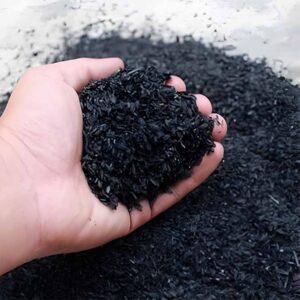
In many of these products, rCB can replace $100% of the virgin carbon black. This is because these items don’t have to face the same extreme conditions as a tire on a highway, but they still benefit from the strength and color that rCB provides.
Application | Part of Product | Replacement Level |
Passenger Car Tire | Sidewall and inner liner | $10% to $20% |
Forklift Tire | Entire tire body | Up to $60% |
Conveyor Belt | Rubber cover | Up to $100% |
Garden Hose | Flexible outer layer | Up to $100% |
Shoe Soles | Bottom grip layer | Up to $100% |
While tires and plastics are the biggest markets, recovered carbon black is also finding its way into more specialized areas. One of these is the printing industry. Carbon black is the primary pigment in black ink for newspapers, books, and magazines. It is also the main ingredient in the “toner” used in laser printers.
For inks, the carbon black needs to be very fine and mix perfectly with the liquid without forming clumps. This can be a challenge for rCB because of the ash content, which might make the ink look a little bit less “shiny” or “black”. However, if the rCB is ground very small and the ash is removed, it can be a high-quality, sustainable alternative for printing.
Paints and Protective Coatings
Carbon black is used in many types of paints and coatings. It provides a deep black color and helps the paint resist fading in the sun. It is also used in “anti-rust” coatings for metal buildings and bridges. Because rCB is durable and chemical-resistant, it is being used more often in industrial paints where the goal is to protect a surface and give it a long-lasting black finish.
Construction and Environmental Cleaning
In the world of building and construction, rCB is used as a filler for asphalt, which is the black material used to pave roads. Adding rCB to asphalt can help the road last longer by protecting it from the sun and wear from heavy trucks. It is also used in cement for things like grout and colored concrete.
Interestingly, rCB can also be used to help clean up the environment. Because it is porous, it can act like a sponge for pollutants. Some companies turn rCB into “activated carbon,” which is used in filters to pull harmful chemicals and heavy metals out of water or air. This is a great example of using one recycled product to solve another environmental problem.
Specialty Use | Function of rCB | Key Technical Need |
Printing Ink | Black pigment | Very small particles (<10 microns) |
Road Asphalt | Reinforcement | Heat and UV resistance |
Water Filter | Pollutant removal | Large surface area |
Anti-rust Paint | Protection and color | Chemical stability |
Printer Toner | Precision coloring | High electrical charge stability |
The market for recovered carbon black is growing at an incredibly fast pace. In 2025, the global market was worth about $218.8 million. By the year 2034, it is projected to grow to more than 3.5 billion. This is a huge increase, and it is happening because companies all over the world are trying to become more “green.”
Several things are driving this growth:
Sustainability Goals: Big tire and car companies have promised to use more recycled materials to protect the planet.
Government Rules: Countries are passing laws that make it expensive to create pollution or that require tires to be recycled.
Better Technology: New machines are making it cheaper and easier to produce high-quality rCB that can compete with oil-based carbon black.
Lower Costs: As oil prices go up and down, rCB can be a more stable and sometimes cheaper option for factories.
Regional Trends
Different parts of the world are adopting rCB in different ways. North America is currently the largest market, accounting for nearly $40% of all production. This is due to strong infrastructure and a high demand for sustainable products in the United States and Canada. Europe is also a leader, especially with strict environmental laws in countries like Germany and the UK. Meanwhile, Asia is the fastest-growing market because it produces so many tires and has a huge amount of tire waste to deal with.
Challenges for the Future
Even though the future looks bright, there are still some challenges. The biggest one is “consistency”. Because tires are made of many different things, the rCB coming out of a factory might change from day to day. If the product isn’t the same every time, a tire maker might not want to use it because it could make their tires perform differently. To fix this, the industry is working hard to create global standards so that everyone knows exactly what they are buying.
Market Metric | 2025 Value | 2034 Projected Value |
Global Market Size | $218.8 Million | $3,545.3 Million |
Yearly Growth (CAGR) | 36.2% | 36.2% |
North America Share | ≈ 35.6% | TBD |
Primary Market Sector | Tires | Tires and Non-tire Rubber |
In the end, recovered carbon black is a material that helps us solve two problems at once. It helps us get rid of the billions of tires that clutter our planet, and it gives us a sustainable way to make the products we use every day. As the technology gets better and more factories start using it, rCB will become a standard part of our industrial world, helping us protect the environment while still making strong, high-quality goods.

Table of Contents How Much Does It Cost to Start
Table of Contents 3 Types of Pyrolysis Furnace Insulation Shells
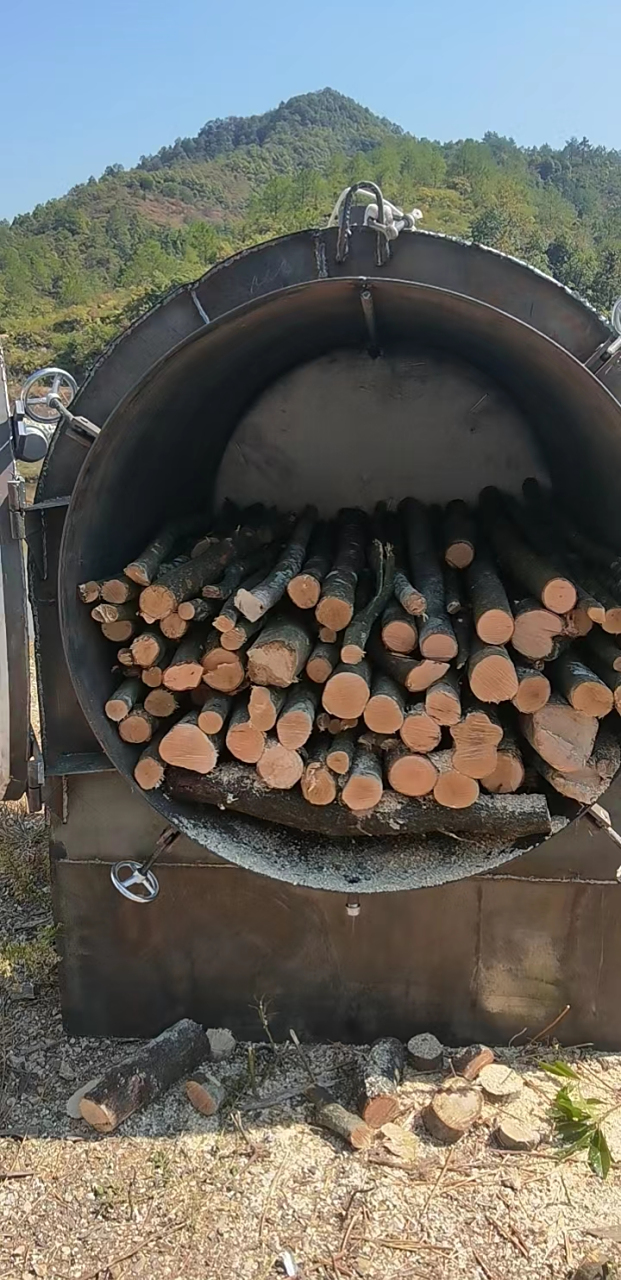
Table of Contents The Charcoal Making Process, Step by Step: