Carbonization Furnace For Wood Charcoal
A carbonization furnace turns wood into charcoal. It uses heat and low oxygen. The process removes water and volatile parts of wood. What remains is black, porous charcoal. Charcoal burns hotter and cleaner than raw wood. Many small businesses and farms need good charcoal. A good furnace makes the job safer and cheaper.
Pyrolysis Unit builds carbonization furnaces. We focus on machines that are easy to use, last long, and save fuel. Our goal is to help customers make high-quality charcoal with less trouble.
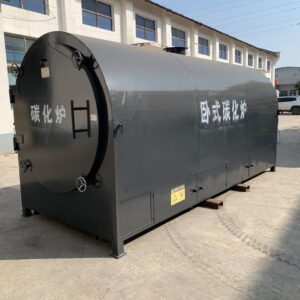
Carbonization is simple in idea. First, dry wood is loaded into the furnace. Then the furnace is heated without letting much air in. The heat breaks the wood down. Steam, gases, and liquids leave. What stays behind is charcoal.
Main parts you will see:
A furnace body where wood is placed.
A feeder or door to load and unload.
A gas outlet and condenser to collect liquids like tar and wood vinegar.
A chimney or exhaust for non-condensed gases.
A heat control system to keep the temperature steady.
At Pyrolysis Unit, our furnaces are designed so heating is even. That helps make charcoal that is the same quality from batch to batch. We add gauges and easy controls so operators can keep the right temperature. Our units also make collecting by-products simple and clean.
There are various types of furnaces to consider. The best one will depend on your charcoal requirement and production system preference.
Batch type: You load the furnace, process the feedstock, then unload after cooling. Ideal for mixed or small quantities of feedstock. Cheap to build.
Continuous: Wood enters while charcoal exits at the same time. Suitable for steady and bulk production with less labor requirements.
Furnace with Drum/Retort: The wood will be put into a metal drum or a closed retort. Common among small to medium-scale producers.
Brick-lined Kiln: This one is made of bricks. It retains heat very well and is strong. Usually used where fuel is inexpensive.
Our Pyrolysis Unit Company makes batch as well as continuous furnaces. We can make them any size as well as style depending on your needs. For those just beginning to produce on a small scale, you may consider our small drum/retort units.
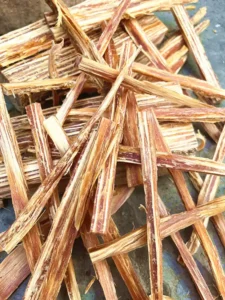
Different wood types vary. Hardwoods such as oak, mango, and eucalyptus produce dense charcoal. Softwood charcoal burns fast and produces light charcoal. Water content poses problems. Water content decreases output while putting pressure on your furnace.
Average outputs (approximation):
Dry hardwood charcoal output: 25% to 35% of input weight.
Wet or fresh wood charcoal output: low percentage; requires drying.
By-products:
Wood vinegar (liquid by-product) – can be used as pesticide or soil conditioner upon proper treatment.
Tar – has uses in several industries upon proper harvesting.
Non-condensed gases – burnable for heating furnaces.
The Pyrolysis Unit Furnaces we offer maximize output from your feedstocks. We create designs where we minimize heat loss through better sealing and heating systems. Our condensers are efficient, giving you more wood vinegar and tar collection opportunities. This generates additional revenue and minimizes waste products. We give advice on drying process and feedstock combinations for stable outputs.
Carbonization furnaces tend to consume large amounts of fuel if not well designed. In the newer models, they are built to recover the energy and burn up the exhaust gases. They are thus efficient both in their fuel consumption and smoke production.
Some of the main benefits of using our furnace include:
* The use of volatile gases to produce the energy needed to heat the next load.
* Insulation for retaining most of the heat within the furnace.
* Condensation to ensure there are no harmful gases being released into the atmosphere.
* Exhaust purification through filtration or secondary burners.
* Safety should never be overlooked. Working with hot metal, gases, and tar is dangerous.
What makes Pyrolysis Unit special:
We recover and recycle energy through gases. It thus costs less to run.
We install safety devices and easier control systems. There are thus fewer incidents.
The exhaust system we provide complies with the standard rules.
Gas cleaning and condensation are also available for clients with stricter needs.
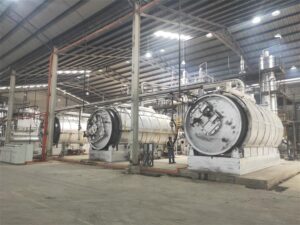
Operating a furnace is relatively easy if designed properly. Below is a sample daily procedure:
Feed preparation – drying and chopping of material into appropriate sizes.
Furnace loading – loading without overfilling or compacting too much.
Furnace ignition – using a consistent heat source and closing vents to minimize oxygen levels.
Monitoring – observing temperature and smoke, making adjustments where necessary.
Furnace cooling – cooling before opening the furnace, safely.
Furnace unloading – removing charcoal while preventing sparks.
Tips on maintenance:
Checking seals and gaskets for damage or cracks, replacing if necessary.
Cleaning condensers and pipes to prevent clogging.
Chimney inspection for obstructions.
Regular lubrication of moving parts.
Maintain a record of outputs for optimization.
Common issues and their fast solutions:
Excessive smoke – reducing vent openings and checking moisture content of feedstock.
Charcoal is fragile or porous → low temperature or incomplete carbonization process. Increase temperature gradually.
Poor production rate → high moisture content or overcrowded wood. Allow wood to dry out; avoid packing it too tightly.
Tar and gas leakage → seal joints tighter, check pipes, clean condenser coils.
Pyrolysis Unit equips its equipment with comprehensive operating instructions and technical training. Spare parts and handy tips are provided. Customers may request us to conduct a training program during setup. This ensures smooth operations for years to come.
Acquiring a carbonization furnace is an investment, and as such, it requires an initial outlay before it starts generating profits through savings on fuel, manpower, cheaper wood procurement, and charcoal sales.
Furnace Investment Costs
The purchase cost of the equipment.
Fuel and energy consumption.
Labor costs.
Maintenance and replacement parts.
Land and basic facilities.
Ways of getting returns on the investment:
By selling the charcoal locally or internationally.
By selling wood vinegar and tar for additional earnings.
By reusing waste heat to dry more wood.
By lowering the cost of fuels through the combustion of the generated gases.
Advantages of Choosing a Pyrolysis Unit Furnace
Engineered for durability – our carbonization furnaces employ the best quality steel and welding technology to reduce maintenance expenses.
Higher yield – the superior heating arrangement and efficient condensation systems will enable you to produce higher amounts of charcoal and other valuable by-products.
Energy efficiency – gas recovery and insulation minimize fuel consumption.
Safety and compliance – our furnaces come equipped with various safety features that comply with most of the commonly applied safety standards.
Training and assistance – we provide comprehensive training services on operating the machines.
Maintenance and repairs – timely supply of replacement parts guarantees uninterrupted operations.
Customization – our machines can be customized to suit your requirements.
A high-quality carbonization furnace will revolutionize your charcoal production methods. You can become more efficient, profitable and environmentally-friendly. Moreover, you will have the perfect carbonization furnace that suits your particular needs.
Here at Pyrolysis Unit, we design carbonization furnaces for your ease of use and long-lasting service life. Besides helping you choose the best carbonization furnace, we will also provide any assistance you may need when it comes to using and maintaining it. Ready to increase charcoal production? Our products include carbonization furnaces for making charcoal.
Ready to learn more? Contact Pyrolysis Unit to book your free consultation now. Tell us about your feedstock, your requirements, and your budget, and we will suggest you the perfect furnace for making charcoal. Find out what benefits this could bring to you.