

Table of Contents How Much Does It Cost to Start
Purchasing of a carbonization furnace is a very important decision since it impacts not only the amount paid initially but also the ongoing expenses associated with its maintenance. Many customers focus on the machine cost only, which is a misconception because the total expenses involve more than that.
In our article, we will provide information about price determinants, as well as demonstrate why purchasing a Pyrolysis Unit may be beneficial for you.
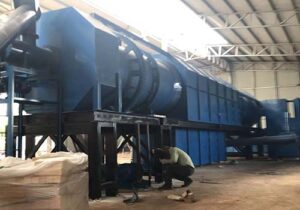
Pricing varies greatly. The following approximate price ranges will assist you in budgeting purposes.
Hobby, farm, or small business carbonization furnaces
These are simple, inexpensive units intended for individual use or very small companies. Approximate price range: four figures, low to medium.
Batch furnaces for small businesses or local charcoal production facilities
Larger scale and greater efficiency, intended for small factory settings or local producers. Approximate price range: four figures, medium to high; or five figures, low.
Continuous furnaces for large-scale production facilities
Automated units designed for constant operation in industrial settings. Approximate price range: five figures, medium; or higher, depending on specifications.
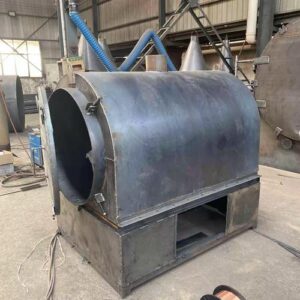
When you shop, use these steps to compare offers fairly.
Ask for full quotes
Make sure quotes include machine, controls, delivery, installation, warranty, and training. If something is missing, ask.
Compare specs, not only price
Two machines at the same price can be very different. Check steel thickness, insulation, and control type.
Check certifications and test reports
Quality marks, third-party tests, or factory acceptance tests show a supplier is serious.
Ask about spare parts and lead times
Fast access to parts means less downtime. Long lead times can be a hidden cost.
Read warranty and service terms
A good warranty covers parts and labor. Service agreements can save money over time.
Request references and site visits
Ask to see the supplier’s machines running. Talk to current users about real costs.
Think long-term: financing and upgrades
Financing helps cash flow. Also ask how easy it is to upgrade capacity later.
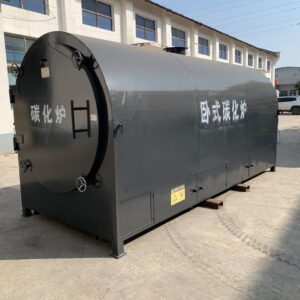
Now a straight talk about why many buyers pick Pyrolysis Unit.
Transparent pricing and honest quotes
We give clear, itemized quotes. You see what the price covers. No surprise fees for standard items like basic installation or core spare parts.
Built to last: strong materials and welding
Our furnaces use thick, durable steel and good-quality refractory. This raises the upfront price a bit, but cuts repair costs and extends machine life.
Energy-efficient designs
Our systems recover heat and use efficient burners and insulation. That lowers fuel use and saves money month after month.
Tailored options without huge premiums
If you need customization — a different feed size, extra conveyors, or special controls — we offer modular choices. You pay only for what you need, and you can upgrade later.
Fast access to spare parts
We keep common spare parts in stock. If you need parts, we ship quickly so your downtime stays low.
Full installation and operator training
We install the furnace and train your staff. Proper startup and training reduce early failures and mistakes.
Strong after-sales service
Our team supports you after the sale. We do remote troubleshooting and send technicians when needed. Good service lowers lifetime costs.
Proven ROI examples
We provide simple return-on-investment examples based on real users. This helps you see the payback timeline and compare with other offers.
Certifications and safety
Our machines meet safety and emission standards in target markets. That protects your business and keeps you compliant.
Warranty and value protection
We back our furnaces with a clear warranty. We stand behind our work — so you get more value over time.
Put simply: Pyrolysis Unit aims to give fair initial prices and lower long-term costs. You may pay a little more up front. But in many cases you save that money in energy, parts, and less downtime.

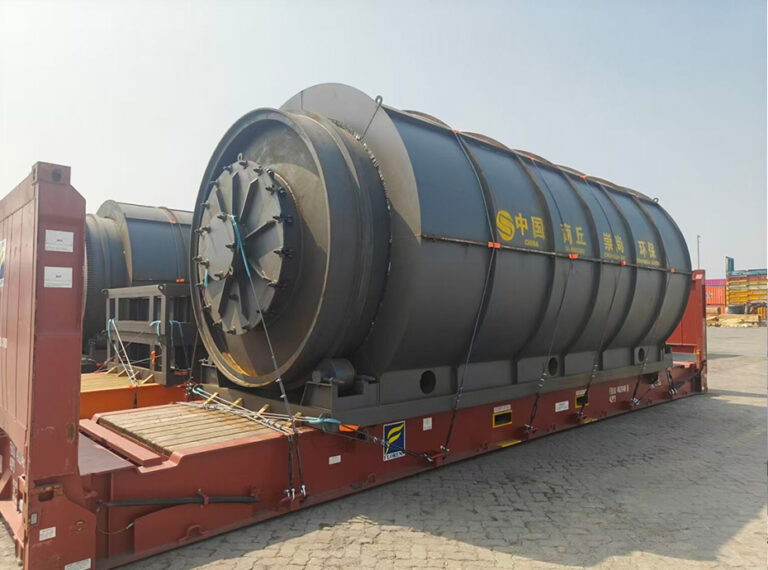
Table of Contents How Much Does It Cost to Start
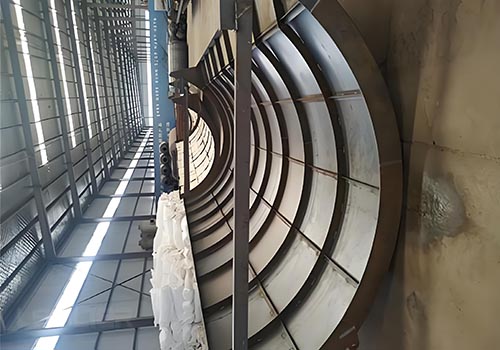
Table of Contents 3 Types of Pyrolysis Furnace Insulation Shells
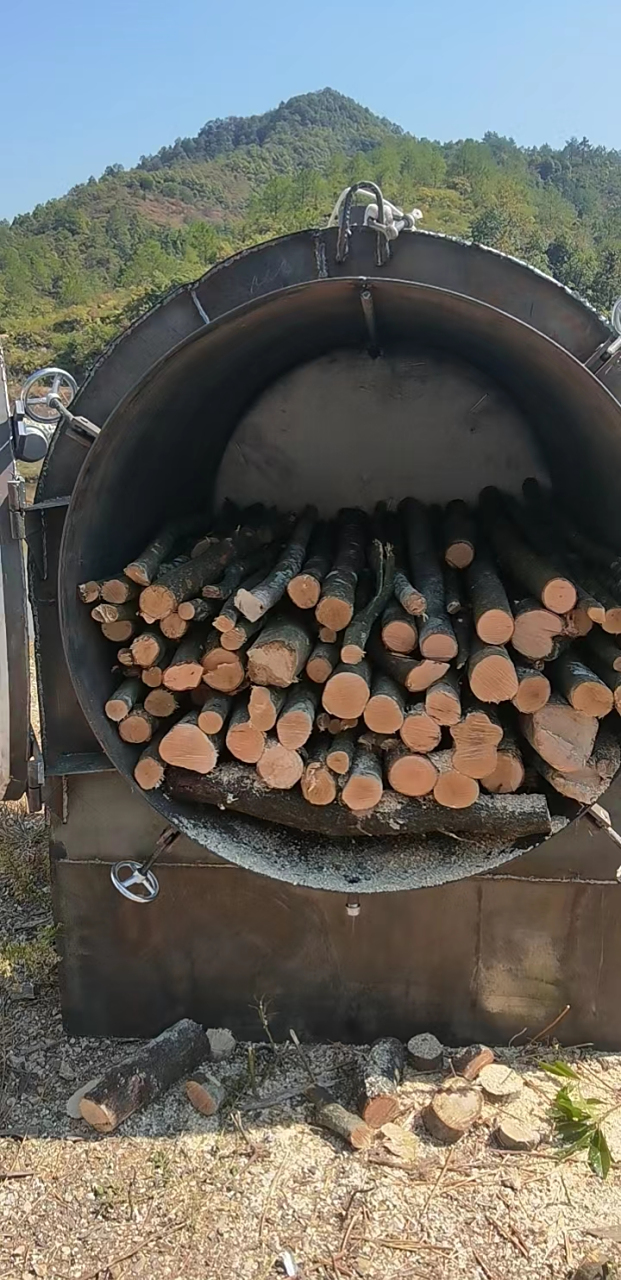
Table of Contents The Charcoal Making Process, Step by Step: