
Top Manufacturer of Pyrolysis Machines/Units

2 Sets of Waste Oil Distillation Equipment in Philippines

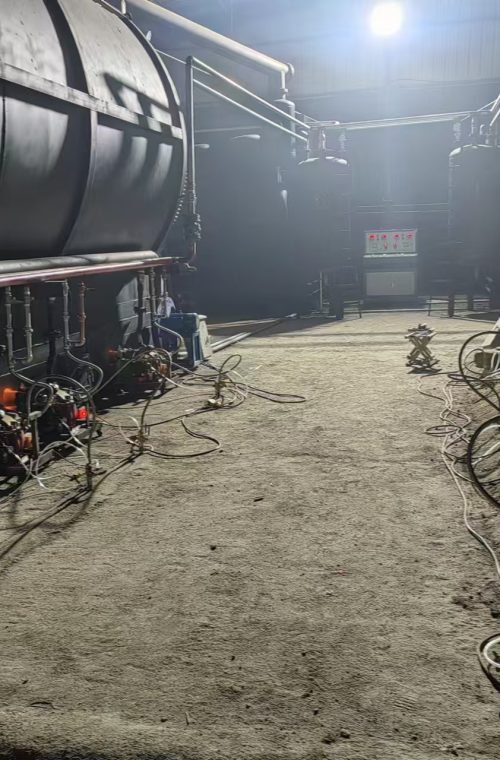
In June 2024, the company purchased and successfully commissioned 2 sets of Waste Engine/Pyrolysis Oil Distillation Equipment.

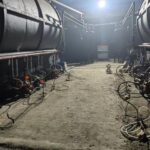
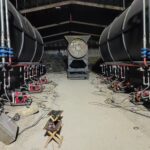
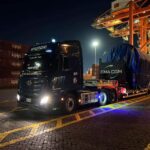
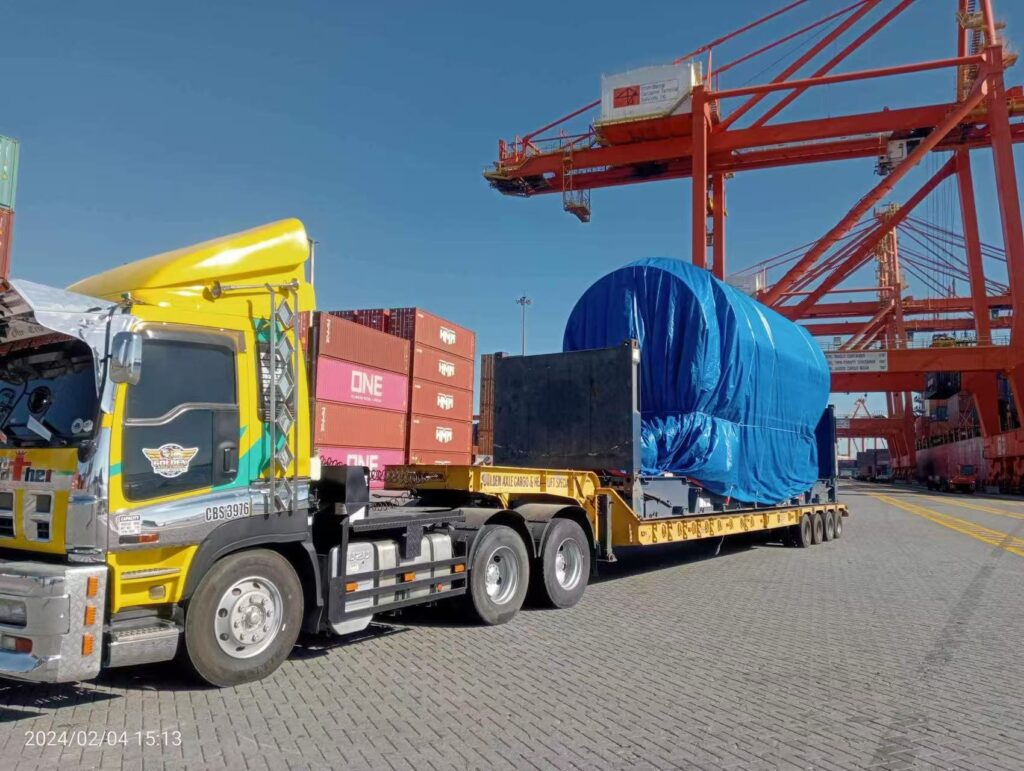
Delivered by the Philippines in June 2024

Project Background

As urbanization and automotive ownership rapidly expand in the Philippines, the localized accumulation of waste tires and used engine oil has become a pressing environmental challenge. A prominent waste management and recycling facility in the Metro Manila periphery had been operating a standard waste tire pyrolysis plant. While they were successfully diverting tires from landfills, the resulting crude pyrolysis oil had limited market value and could only be sold cheaply as heavy industrial heating fuel.

To maximize their profitability and tap into the lucrative market for diesel-substitute fuels, the client decided to upgrade their facility’s downstream processing capabilities. In June 2024, the company purchased and successfully commissioned 2 sets of Waste Engine/Pyrolysis Oil Distillation Equipment to refine their crude tire pyrolysis oil and locally collected waste engine oil into valuable, non-standard diesel fuel.

Professional Solution Developed for the Client

To meet the client’s dual goals of increasing daily processing capacity and achieving strict local environmental compliance (under the Philippine Department of Environment and Natural Resources – DENR), a tailored, high-efficiency distillation solution was engineered.

We designed and deployed two parallel sets of advanced vacuum distillation equipment, each with a daily processing capacity of 10 tons (totaling 20 tons per day). Operating two separate units provides the client with vital operational redundancy; one set can undergo scheduled maintenance while the other remains active, ensuring zero downtime for the broader pyrolysis facility.

The core of the solution relies on a specialized catalytic distillation process. The crude pyrolysis oil and waste engine oil are pumped into the distillation reactor and heated using a dual-heating system (utilizing both recycled syngas and standard fuel to minimize external energy consumption). As the oil reaches a gaseous state, it passes through a catalytic tower where heavy molecular chains are cracked and reformed into lighter diesel fractions.

Crucially, the system incorporates a deep-vacuum environment, which lowers the boiling point of the waste oil, preventing coking inside the reactor and significantly extending the lifespan of the equipment. To ensure the final product meets market standards, an advanced decolorization and deodorization purification system was integrated into the tail-end of the process. This removes the distinct sulfurous odor and dark color typical of tire pyrolysis oil, resulting in a clean, translucent yellow diesel alternative. Furthermore, a multi-stage flue gas scrubbing system was installed to neutralize acidic emissions, ensuring the plant operates well within Philippine clean air regulations.

Project Results

Delivered by the Philippines in June 2024-4
PyrolysisUnit ISO CE Approved

ISO CE Approved

The equipment quality has passed IAF, CNAS, ISO, CE certifications, Certified by international professional organizations, the equipment is safe and reliable.

PyrolysisUnit AAA Credit Audited Enterprise

AAA Credit Audited Enterprise

One of the top refining equipment manufacturers in China, The government Audited Superb as AAA credit company (top level).

PyrolysisUnit Solutions for Pyrolysis And Distillation

Solutions for Pyrolysis And Distillation

We will provide you with the latest industry solutions, and provide you with a one-year after-sales warranty to ensure stable operation of the equipment.

PyrolysisUnit 24-hour service

24-hour service

We have professional engineers to solve various problems for you, including equipment, process, material problems, etc.

PyrolysisUnit Professional R&D team

Professional R&D team

We have obtained a number of utility model patents, including distillation production equipment and pyrolysis module equipment.

PyrolysisUnit Fast Delivery

Fast Delivery

We have sufficient stock of pyrolysis and distillation equipment to ensure efficient logistics and fast delivery.

The integration of the 2 sets of distillation equipment transformed the client’s operation from a low-tier recycling plant into a highly profitable alternative energy producer.

Demonstration of Performance Results:

  • Annual Waste Tire Processing Capacity: 15,000 tons (Feeds the primary pyrolysis plant)

  • Average Pyrolysis Oil Yield: 45% (Generating approx. 6,750 tons of crude pyrolysis oil annually)

  • Annual Fuel Production (Distillation Output): The distillation equipment operates with an 85% conversion efficiency. Processing the 6,750 tons of crude oil yields approximately 5,737 tons of high-quality non-standard diesel annually.

Investment Costs, Revenue, and ROI (Estimated Annualized Projections):

Financial MetricAmount (USD)Description
Total Capital Investment$650,000Cost of 2 distillation sets, shipping, installation, and site prep.
Annual Operating Costs$520,000Labor, electricity, catalysts, maintenance, and administrative costs.
Gross Annual Revenue$3,729,050Sale of 5,737 tons of diesel at an average local market price of $650/ton. (Note: Excludes revenue from carbon black and steel wire).
Annual Net Profit$3,209,050Gross Revenue minus Operating Costs.
  • Return on Investment (ROI): 493% annually (once operational)

  • Estimated Payback Period: Approximately 2.5 to 3 months of full-capacity operation.

(Note: The crude pyrolysis oil cost is considered zero in this distillation calculation as it is generated internally by their existing tire pyrolysis setup).

Other Cases

Conclusion

The June 2024 installation of 2 sets of Waste Engine Distillation Equipment represents a massive operational success for the Philippine recycling facility. By adopting advanced catalytic vacuum distillation, the client successfully closed the loop on their waste tire processing, upgrading low-value crude oil into a highly sought-after diesel substitute.

The project not only solved a severe localized waste management issue but also delivered an exceptional return on investment, demonstrating the immense economic viability of advanced circular economy technologies in Southeast Asia.

Scroll to Top